Wind energy is one of the fastest-growing renewable energy sources worldwide. As countries and businesses move toward cleaner power solutions, understanding the working principle of wind energy has become increasingly important. Wind turbines provide a sustainable way to generate electricity by converting the natural movement of air into usable electrical power.
The process may seem complex, but the basic idea is simple: wind contains kinetic energy, and wind turbines capture this energy and convert it into electricity.
The working principle of wind turbine technology is based on converting wind energy into mechanical energy through rotating blades and then transforming that mechanical energy into electrical energy using a generator.
In this guide, we will explain the complete wind turbine working principle, the wind energy conversion principle, major components, benefits, and the future of wind power technology.
What Is the Basic Principle of Wind Energy?
The basic principle of wind energy is the conversion of the kinetic energy present in moving air into electrical energy.
Wind is created because the sun heats different areas of the Earth’s surface unevenly. This difference in temperature creates variations in air pressure, causing air to move from high-pressure areas to low-pressure areas. This movement of air creates wind.
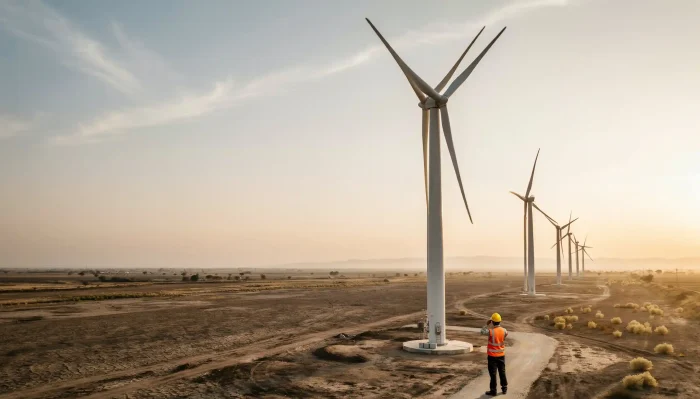
A wind turbine captures this moving air using specially designed blades. When wind strikes the blades, it creates a force that causes them to rotate. This rotation is then converted into electricity through a generator.
The complete energy conversion process is:
Wind Energy → Mechanical Energy → Electrical Energy
This process is known as the basic principle of wind energy conversion.
Wind Energy Conversion Principle Explained
The wind energy conversion principle involves several stages that transform natural wind movement into electricity.
1. Wind Creates Rotational Energy
The first step begins when wind moves across the turbine blades. Wind turbine blades are designed using aerodynamic principles similar to aircraft wings.
When wind passes over the blades, it creates lift and drag forces. These forces cause the blades to rotate around the turbine’s rotor.
The amount of electricity produced depends on factors such as:
- Wind speed
- Blade size
- Turbine design
- Location conditions
2. Mechanical Energy Transfer
Once the blades start rotating, the energy is transferred to a shaft connected to the rotor.
The rotating shaft carries mechanical energy from the blades toward the generator. In many wind turbines, a gearbox is used to increase the rotational speed because generators work more efficiently at higher speeds.
3. Electricity Generation
The generator is the component responsible for converting mechanical energy into electrical energy.
Inside the generator, electromagnetic induction occurs. The rotating parts create a magnetic field that produces an electric current.
This electricity is then sent through electrical systems, transformers, and transmission networks for use in homes, businesses, and industries.
Wind Turbine Working Principle: Step-by-Step Process
The wind turbine working principle can be explained through the following steps:
Step 1: Wind Hits the Turbine Blades
Wind flows toward the turbine blades and creates aerodynamic pressure. This force makes the blades rotate.
Modern turbine blades are designed to capture maximum energy from available wind speeds.
Step 2: Rotor Converts Wind Energy Into Mechanical Energy
The blades are connected to a rotor. When the blades rotate, the rotor also spins.
At this stage, wind energy has been converted into mechanical rotational energy.
Step 3: Shaft Transfers Mechanical Power
The rotor connects to a main shaft that transfers rotational movement to the generator.
Some turbines use a gearbox between the shaft and generator to improve efficiency.
Step 4: Generator Produces Electricity
The generator converts the mechanical rotation into electrical energy through electromagnetic induction.
The amount of electricity generated depends on:
- Wind availability
- Turbine capacity
- Generator efficiency
- Operating conditions
Step 5: Electricity Is Supplied to Users
After generation, electricity passes through transformers that increase voltage levels for efficient transmission.
The electricity can then be supplied to:
- Residential buildings
- Commercial facilities
- Industrial plants
- National power grids
Main Components of a Wind Energy Conversion System
The working of wind energy conversion system depends on several important components working together.
Wind Turbine Blades
Blades capture wind energy and convert airflow into rotational movement. Larger blades can capture more wind energy and generate higher power output.
Rotor
The rotor holds the turbine blades and transfers their rotational energy to the main shaft.
Shaft
The shaft carries mechanical energy from the rotor to the generator.
Gearbox
A gearbox increases rotational speed so the generator can produce electricity more efficiently.
Generator
The generator converts mechanical energy into electrical energy using electromagnetic principles.
Nacelle
The nacelle is the housing unit located at the top of the tower. It contains important components such as:
- Generator
- Gearbox
- Shaft
- Control systems
Tower
The tower supports the turbine and places the blades at higher elevations where wind speeds are usually stronger.
Types of Wind Energy Conversion Systems
Wind energy systems are available in different designs depending on their application.
Horizontal Axis Wind Turbines (HAWT)
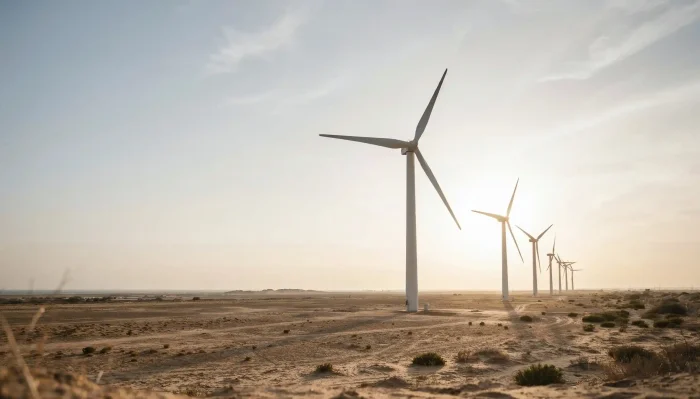
Horizontal-axis turbines are the most commonly used wind turbines worldwide.
Features include:
- Blades rotate around a horizontal axis
- High efficiency
- Commonly used in large wind farms
Most commercial wind power projects use this type of turbine.
Vertical Axis Wind Turbines (VAWT)
Vertical-axis turbines have blades that rotate around a vertical shaft.
Advantages include:
- Can operate with changing wind directions
- Suitable for smaller applications
- Easier maintenance in some designs
Onshore Wind Energy Systems
Onshore wind turbines are installed on land.
Benefits include:
- Lower installation costs
- Easier maintenance
- Suitable for large-scale energy production
Offshore Wind Energy Systems
Offshore turbines are installed in oceans or coastal areas.
They benefit from:
- Stronger wind speeds
- More consistent wind flow
- Higher electricity production potential
Offshore wind energy is becoming an important part of future renewable energy development.
Also read: How wind energy operates
Factors That Affect Wind Energy Generation
Several factors influence how much electricity a wind turbine can produce.
Wind Speed
Wind speed is one of the most important factors. Higher wind speeds generally allow turbines to produce more electricity.
Turbine Size
Large turbines with longer blades can capture more wind energy compared to smaller systems.
Location
A suitable location should have:
- Consistent wind availability
- Proper terrain
- Minimal obstacles
Turbine Efficiency
Modern turbine designs use advanced technology to improve energy production and reduce maintenance requirements. Harness the power of renewable energy with reliable wind energy installation services provided by Progressive Ventures. We deliver complete wind power solutions for residential, commercial, and industrial clients, including site assessment, system design, equipment supply, professional installation, testing, and after-sales support.
Advantages of Wind Energy
Understanding the principle of wind energy conversion helps explain why wind power is becoming increasingly popular.
Renewable Energy Source
Wind is a natural resource that is continuously replenished.
Reduces Dependence on Fossil Fuels
Wind energy helps reduce reliance on traditional energy sources such as coal, oil, and gas.
Environment-Friendly Electricity Generation
Wind turbines produce electricity without direct carbon emissions during operation.
Suitable for Large-Scale Power Generation
Large wind farms can generate significant amounts of electricity for communities and industries.
Latest Trends in Wind Energy Technology
The wind energy sector continues to improve through innovation and advanced technology.
Larger and More Powerful Turbines
Modern turbines are becoming larger with longer blades, allowing them to capture more wind energy.
Smart Monitoring Systems
Artificial intelligence and digital monitoring systems help operators:
- Detect equipment problems
- Improve performance
- Reduce maintenance costs
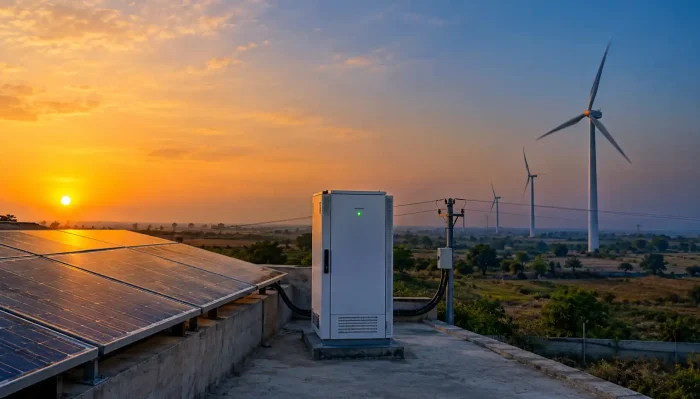
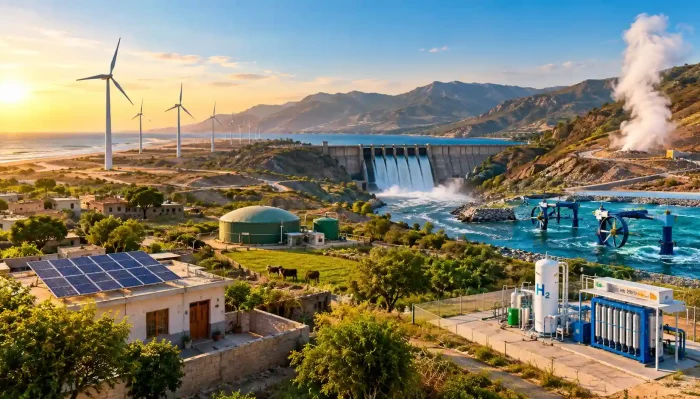
Hybrid Renewable Energy Systems
Many projects combine wind energy with:
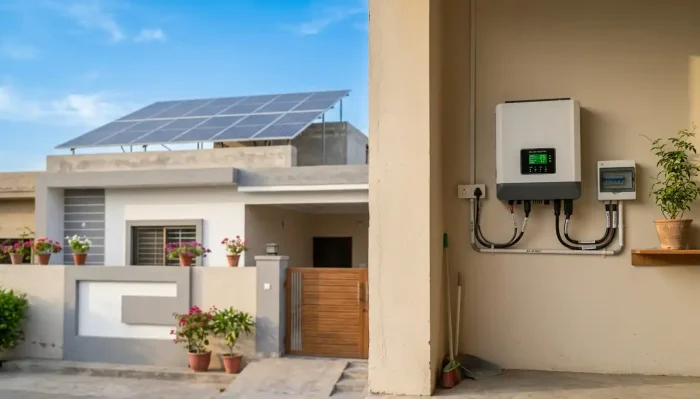
- Solar power
- Battery storage
- Smart energy management systems
This approach improves reliability and ensures continuous power availability.
Wind Energy Working Principle vs Solar Energy
| Feature | Wind Energy | Solar Energy |
|---|---|---|
| Energy Source | Moving air | Sunlight |
| Main Equipment | Wind turbine | Solar panels |
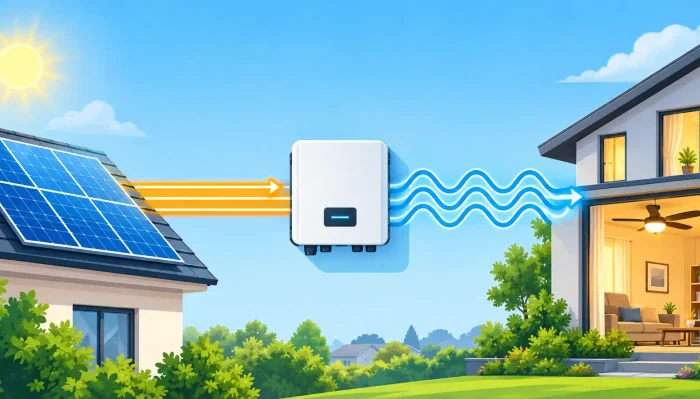
| Conversion Method | Mechanical to electrical | Light to electrical |
| Best Location | High wind areas | Areas with strong sunlight |
| Energy Availability | Depends on wind speed | Depends on sunlight hours |
Both technologies play an important role in creating a cleaner and more sustainable energy future.
Conclusion: Understanding the Future of Wind Energy
The wind energy working principle is based on a simple yet powerful concept: converting the natural movement of wind into electricity. Wind turbines capture wind energy through rotating blades, transform it into mechanical power, and finally convert it into electrical energy.
With advancements in turbine technology, smart monitoring systems, and hybrid renewable energy solutions, wind power continues to become a reliable and sustainable energy option.
For businesses and industries looking for renewable power solutions, professional wind energy installation services can help design efficient systems based on energy requirements and location conditions.
Frequently Asked Questions
What is the basic principle of wind energy?
The basic principle of wind energy is converting the kinetic energy of moving air into mechanical energy using turbine blades and then converting it into electricity through a generator.
How does a wind turbine generate electricity?
A wind turbine generates electricity when wind rotates its blades. The rotating blades drive a shaft connected to a generator, which converts mechanical energy into electrical power.
What is the working principle of wind turbine?
The working principle of a wind turbine is based on capturing wind energy through aerodynamic blades, converting it into rotational movement, and using a generator to produce electricity.
What is the wind energy conversion principle?
The wind energy conversion principle is the process of transforming wind’s kinetic energy into mechanical energy and then converting it into electrical energy.
What is a wind energy conversion system?
A wind energy conversion system is a complete setup that uses turbines, generators, and electrical equipment to convert wind energy into usable electricity.