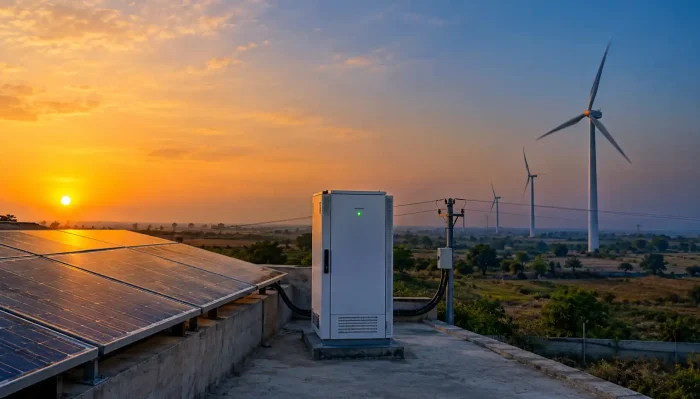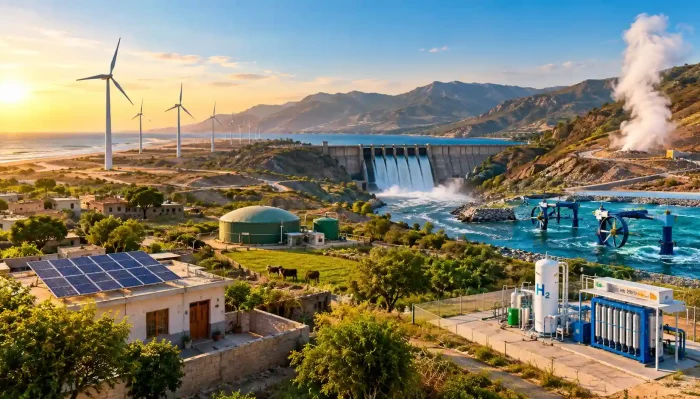
Choosing between installing more solar panels or adding more batteries is one of the biggest decisions homeowners face when upgrading a solar energy system. While both improve your system’s performance, they serve different purposes. Solar panels generate electricity, whereas batteries store that electricity for use when the sun isn’t shining.
So, is it better to have more solar panels or more batteries? The answer depends on your electricity consumption, budget, local net metering policies, and whether you want lower electricity bills or reliable backup power during outages.
In this guide, we’ll explain the differences between solar panels and batteries, compare their benefits, and help you determine which investment offers the greatest value for your home.
Understanding the Difference Between Solar Panels and Solar Batteries
Table of Contents
ToggleBefore deciding which upgrade is right for you, it’s important to understand what each component does.
What Do Solar Panels Do?
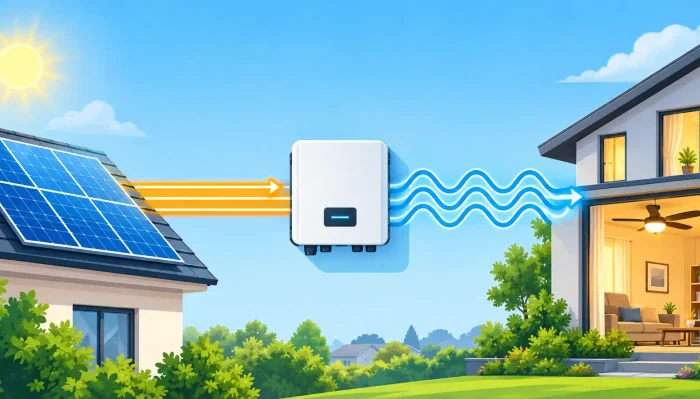
Solar panels capture sunlight and convert it into electricity using photovoltaic (PV) cells. This electricity powers your home during daylight hours and can also be sent back to the utility grid if your system supports net metering.
Installing additional solar panels increases the amount of electricity your system can generate each day. This can significantly reduce your dependence on grid electricity and lower your monthly utility bills.
Some key benefits of adding more solar panels include:
- Higher daily electricity production
- Lower electricity costs
- Better performance during winter and cloudy weather
- Increased return on investment over time
- Reduced carbon footprint
However, solar panels only generate electricity when sunlight is available. Without battery storage, any excess energy is either exported to the grid or wasted if net metering is unavailable.
What Do Solar Batteries Do?
Solar batteries store excess electricity produced by your solar panels during the day. Instead of sending unused power back to the grid, the battery saves it so you can use it later during the evening, at night, or during a power outage.
Battery storage is especially useful in areas with unreliable electricity supplies or where utility companies offer limited compensation for exported solar energy.
The main benefits of solar batteries include:
- Backup power during grid failures
- Greater energy independence
- Better use of self-generated electricity
- Lower reliance on utility companies
- Improved resilience during emergencies
Unlike solar panels, batteries do not generate electricity. They simply store the electricity your panels have already produced.
Key Takeaway: Solar panels produce electricity, while solar batteries store excess electricity for later use. Most homeowners benefit from having both, but the right balance depends on their energy needs.
Is It Better to Have More Solar Panels or More Batteries?
Whether it’s better to have more solar panels or more batteries depends on your energy goals. If your home doesn’t generate enough electricity during the day, adding more solar panels is usually the better investment. However, if you already produce sufficient solar power but need electricity at night or during outages, adding more batteries provides greater value.
There isn’t a one-size-fits-all solution because every household uses electricity differently. Some homes consume most of their energy during the daytime, while others have higher demand after sunset.
The right choice depends on several factors, including:
- Your daily electricity consumption
- Availability of net metering
- Frequency of power outages
- Budget
- Roof space
- Desired energy independence
The table below can help simplify your decision.
| Situation | Better Choice |
|---|---|
| High daytime electricity use | More solar panels |
| Frequent power outages | More batteries |
| Net metering available | More solar panels |
| Off-grid solar system | More batteries |
| Limited roof space | More batteries |
| High monthly electricity bills | More solar panels |
| Need overnight backup | More batteries |
In many cases, the best long-term solution is a balanced solar system that combines adequate panel capacity with enough battery storage to meet your household’s needs.
Solar Panels or Batteries: Which Is Better?
Many homeowners ask, “Solar panels or batteries—which is better?” The truth is that neither option is universally better. Each solves a different problem.
More Solar Panels Are Better When
Installing additional solar panels makes sense if your system isn’t producing enough electricity to meet your daily needs.
Choose more solar panels if:
- Your electricity bills remain high.
- You have unused roof space.
- Your home uses most of its electricity during the day.
- Net metering allows you to earn credits for excess energy.
- Your existing solar system is undersized.
Adding more solar panels increases your overall energy production and often delivers a faster financial return than purchasing additional batteries.
More Batteries Are Better When
Battery storage becomes more valuable once your solar panels already generate enough electricity.
You should consider adding more batteries if:
- Your area experiences frequent power outages.
- You use most of your electricity at night.
- You want greater energy independence.
- You own an off-grid solar system.
- You want to maximize the use of your solar-generated electricity instead of relying on the utility grid.
Although batteries generally have a higher upfront cost than additional panels, they provide peace of mind by keeping essential appliances running during blackouts.
For many homeowners, the ideal solution is not choosing one over the other but finding the right balance between energy production and energy storage. A properly sized solar system ensures you generate enough electricity while also having sufficient battery capacity to use that energy whenever you need it.
Is It Better to Invest in Solar Panels or Batteries?
When expanding a solar energy system, many homeowners ask, “Is it better to invest in solar panels or batteries?” The answer depends on your energy production, electricity usage, and long-term goals. While solar panels generally provide a faster return on investment (ROI), batteries offer greater energy security and independence.
For most grid-connected homes, increasing solar panel capacity is the best first investment if your system isn’t producing enough electricity. However, if your panels already generate sufficient power, adding battery storage can maximize the value of that energy by allowing you to use it after sunset or during power outages.
How to Choose Between Solar Panels and Batteries
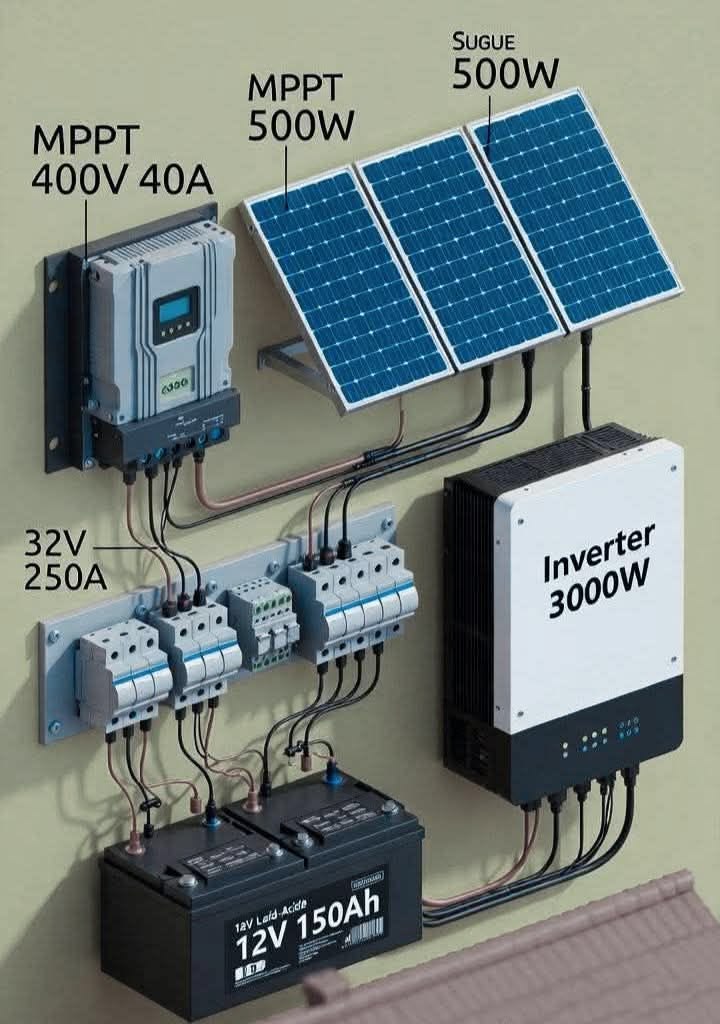
If you’re wondering how to choose between solar panels and batteries, start by evaluating your home’s energy requirements. The best solution depends on several practical factors rather than a one-size-fits-all answer.
1. Evaluate Your Daily Electricity Usage
Review your electricity bills to determine how much energy your household consumes each day.
If your solar system cannot produce enough electricity during daylight hours, adding more solar panels should be your priority.
If your panels already cover your daytime usage but you rely heavily on grid power at night, battery storage may provide greater benefits. Explore global solar energy statistics and trends from the International Energy Agency (IEA)
2. Consider Your Electricity Bills
High electricity bills often indicate that your solar system needs more generating capacity.
However, if your bills remain high because you’re purchasing electricity during evening peak hours, batteries can help reduce those costs by supplying stored solar energy after sunset. If you’re comparing the long-term value of different solar upgrades, it’s also helpful to understand how much solar panels can save on your electricity bills over time.
3. Check Whether Net Metering Is Available
In regions where net metering is offered, excess electricity generated during the day is exported to the utility grid in exchange for bill credits. Learn about net metering regulations in Pakistan from NEPRA. If your utility provides favorable net metering, adding more solar panels often delivers the highest financial return.
If net metering is unavailable or compensation rates are low, battery storage becomes a more attractive investment because you can store surplus electricity rather than export it.
4. Think About Backup Power
One of the biggest advantages of batteries is uninterrupted electricity during blackouts.
If your area experiences frequent power outages or scheduled load shedding, additional battery capacity can keep essential appliances like refrigerators, lights, fans, internet routers, and medical equipment running.
5. Assess Your Roof Space
Roof space is another important consideration.
If you still have sufficient roof area with good sun exposure, expanding your solar array is often the simplest upgrade.
If roof space is limited, increasing battery storage may provide greater value without requiring additional panel installation. A professional solar installation service can evaluate your energy needs and recommend the right balance of solar panels and battery storage.
6. Plan for Future Energy Needs
Your electricity demand may increase over time due to:
- Electric vehicle charging
- Additional air conditioners
- Home office equipment
- Home extensions
- Electric water heaters
Planning ensures your solar system can accommodate future energy requirements without requiring costly redesigns.
When Should You Add More Solar Batteries?
Knowing when you should add more solar batteries can help you maximize the efficiency of your solar energy system.
Battery expansion is recommended when your current storage capacity no longer meets your household’s needs.
Common signs include:
Your Battery Runs Out Before Morning
If your battery is fully discharged before sunrise, you may need additional storage to cover overnight electricity usage.
You Experience Frequent Power Outages
More battery capacity provides longer backup time, ensuring your essential appliances continue operating during grid failures.
Your Nighttime Electricity Usage Has Increased
Adding air conditioners, electric heaters, or charging an electric vehicle can significantly increase evening electricity demand.
You Want Greater Energy Independence
Additional battery storage allows you to use more of your self-generated solar electricity instead of purchasing power from the utility company.
You’re Expanding an Off-Grid Solar System
Off-grid homes depend entirely on battery storage after sunset. Increasing battery capacity improves reliability during cloudy weather and periods of lower solar production.
How Many Batteries and Solar Panels Do I Need?
One of the most common questions homeowners ask is, “How many batteries and solar panels do I need?” Before sizing your system, it’s important to understand which solar battery best suits your energy needs, as battery type and capacity directly affect your system’s performance. The answer depends on your home’s electricity consumption, available sunlight, and backup requirements.
Several factors influence the ideal system size:
- Average daily electricity usage (kWh)
- Peak sunlight hours in your location
- Solar panel wattage
- Battery capacity (kWh)
- Desired backup duration
- Number of essential appliances
Example System Sizing
Suppose a household uses 30 kWh of electricity per day.
A typical system may include:
- 8–10 solar panels (550W each) to generate sufficient daytime electricity (depending on local sunlight conditions).
- 10–15 kWh of battery storage to provide evening and overnight backup.
This is only an example. The exact number of panels and batteries depends on your roof size, local climate, system efficiency, and energy usage patterns.
Professional Tip: A solar installer should perform a detailed energy assessment before recommending system size. Proper sizing helps avoid overspending while ensuring your system meets both current and future electricity needs.
Pros and Cons of Adding More Solar Panels
Advantages
- Produces more clean electricity
- Reduces monthly electricity bills
- Offers a faster return on investment
- Supports future energy needs such as EV charging
- Requires very little maintenance
- Typically lasts 25–30 years
Disadvantages
- Requires available roof space
- Generates electricity only during daylight hours
- Performance depends on weather and sunlight
- May require inverter upgrades for larger systems
Pros and Cons of Adding More Batteries
Advantages
- Provides backup power during outages
- Stores excess solar energy for nighttime use
- Increases energy independence
- Reduces reliance on the electricity grid
- Maximizes self-consumption of solar energy
Disadvantages
- Higher upfront investment
- Batteries have a shorter lifespan than solar panels
- Storage capacity is limited
- Some battery systems require periodic replacement after years of use
Expert Recommendations Based on Different Homeowners
Choosing between more solar panels and more batteries depends on how you use electricity, your location, and your long-term energy goals. Below are expert recommendations for different types of homeowners.
| Homeowner Type | Recommended Upgrade | Why? |
|---|---|---|
| Small family with moderate energy use | More solar panels | Generate enough electricity to lower utility bills. |
| Large family with high electricity demand | Solar panels + batteries | Increase production and store extra energy for nighttime use. |
| Home with frequent power outages | More batteries | Ensure reliable backup power during blackouts. |
| Off-grid homeowner | More batteries | Essential for storing energy when sunlight is unavailable. |
| Grid-connected homeowner with net metering | More solar panels | Export excess electricity and maximize savings. |
| Electric vehicle (EV) owner | More solar panels first, then batteries | Meet higher energy demand and store surplus power for later use. |
| Homeowner planning future expansion | Balanced system | Prepare for additional appliances or increased electricity usage. |
Expert Insight
For most grid-connected homes, adding more solar panels first is the best investment because they generate more electricity and deliver faster savings. Once your energy needs are met, adding batteries provides backup power and greater energy independence. A balanced mix of solar panels and battery storage offers the best overall performance.
Common Mistakes to Avoid
Avoid these common mistakes when upgrading your solar system:
- Adding batteries before increasing solar production – Batteries only store the excess energy your panels generate.
- Installing too much battery storage – Choose battery capacity based on your actual energy needs.
- Ignoring roof conditions – Shading and poor roof orientation can reduce solar panel performance.
- Overlooking inverter compatibility – Make sure your inverter supports system expansion.
- Focusing only on upfront cost – Consider efficiency, lifespan, warranty, and long-term savings.
- Not planning for future energy needs – Account for future appliances, EV charging, or home expansions.
- Skipping a professional assessment – Proper system sizing ensures maximum efficiency and return on investment.
Conclusion
So, is it better to have more solar panels or more batteries? The answer depends on your home’s energy needs, budget, and long-term goals.
If your current solar system doesn’t generate enough electricity during the day, adding more solar panels is usually the best investment. Additional panels increase energy production, reduce electricity bills, and often deliver a faster return on investment.
On the other hand, if your solar panels already produce enough electricity but you need reliable backup power or want to use more solar energy after sunset, adding more batteries is the better choice. Batteries improve energy independence, provide power during outages, and help maximize the value of the electricity your solar system generates.
For many homeowners, the most effective solution is a balanced solar system that combines adequate solar panel capacity with the right amount of battery storage. This approach delivers lower electricity costs, greater reliability, and better long-term performance.
Before expanding your system, consult an experienced solar installer who can evaluate your electricity usage, roof space, and future energy requirements. A professionally designed solar solution ensures you get the maximum return from your investment while enjoying clean, reliable renewable energy for years to come.
Frequently Asked Questions
1. Is it better to have more solar panels or more batteries?
It depends on your energy needs. More solar panels increase electricity generation and reduce utility bills, while more batteries store excess energy for nighttime use and provide backup power during outages.
2. Solar panels or batteries—which is better?
Neither is universally better. Solar panels are ideal for increasing energy production, whereas batteries are better for energy storage, backup power, and greater energy independence.
3. Is it better to invest in solar panels or batteries?
For most grid-connected homes, investing in additional solar panels offers a higher return on investment. Batteries become more valuable if you experience frequent power outages or want to maximize self-consumption of solar energy.
4. When should you add more solar batteries?
Consider adding more batteries if your existing battery storage runs out before morning, your area experiences frequent blackouts, or your nighttime electricity usage has increased.
5. How many batteries and solar panels do I need?
The number depends on your daily electricity consumption, available sunlight, roof space, and desired backup duration. A professional energy assessment can determine the right system size for your home.
6. Can I add batteries to an existing solar panel system?
Yes. Many modern solar systems can be upgraded with battery storage, provided the inverter and electrical components are compatible.
7. Do batteries work without solar panels?
Yes, batteries can store electricity from the utility grid, but they provide the greatest value when charged by solar panels using clean, renewable energy.
8. Is a hybrid solar system better than an on-grid system?
A hybrid solar system combines solar panels with battery storage, allowing you to use stored energy during outages or at night. It offers greater flexibility than a standard on-grid system but usually requires a higher upfront investment.