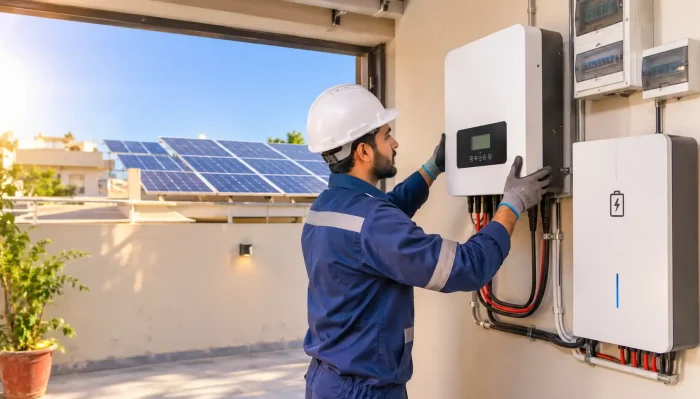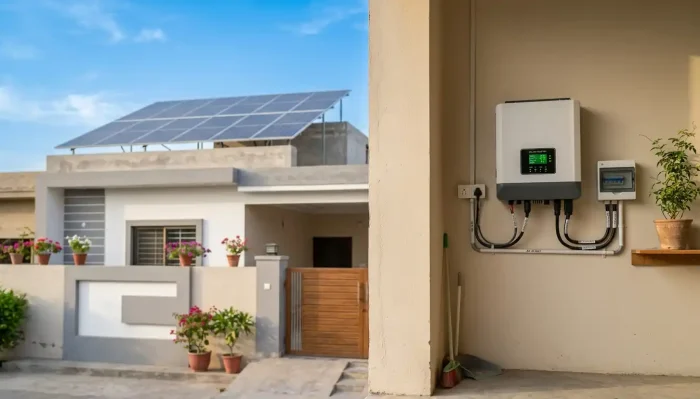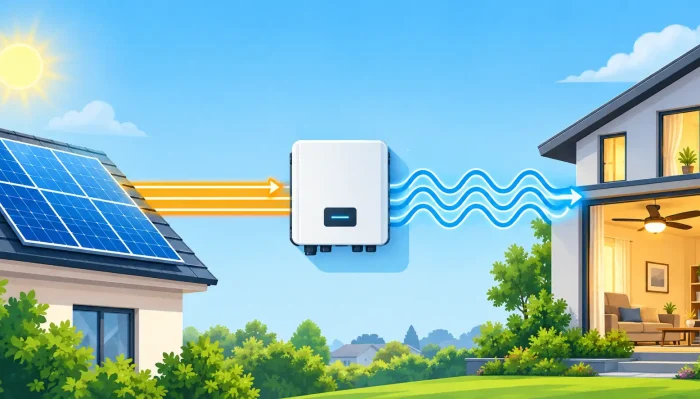
A hybrid inverter manages your solar panels, battery, and the grid in one unit. A normal inverter only turns battery power into household electricity during an outage. So, is a hybrid inverter better than an inverter built only for backup?
For most homes with solar panels, yes. It stores extra solar power and cuts your reliance on the grid. A normal inverter still suits basic backup on a tight budget. Progressive Ventures brings 16 years of solar experience to this guide, so you can choose with confidence.
What Is a Hybrid Inverter?
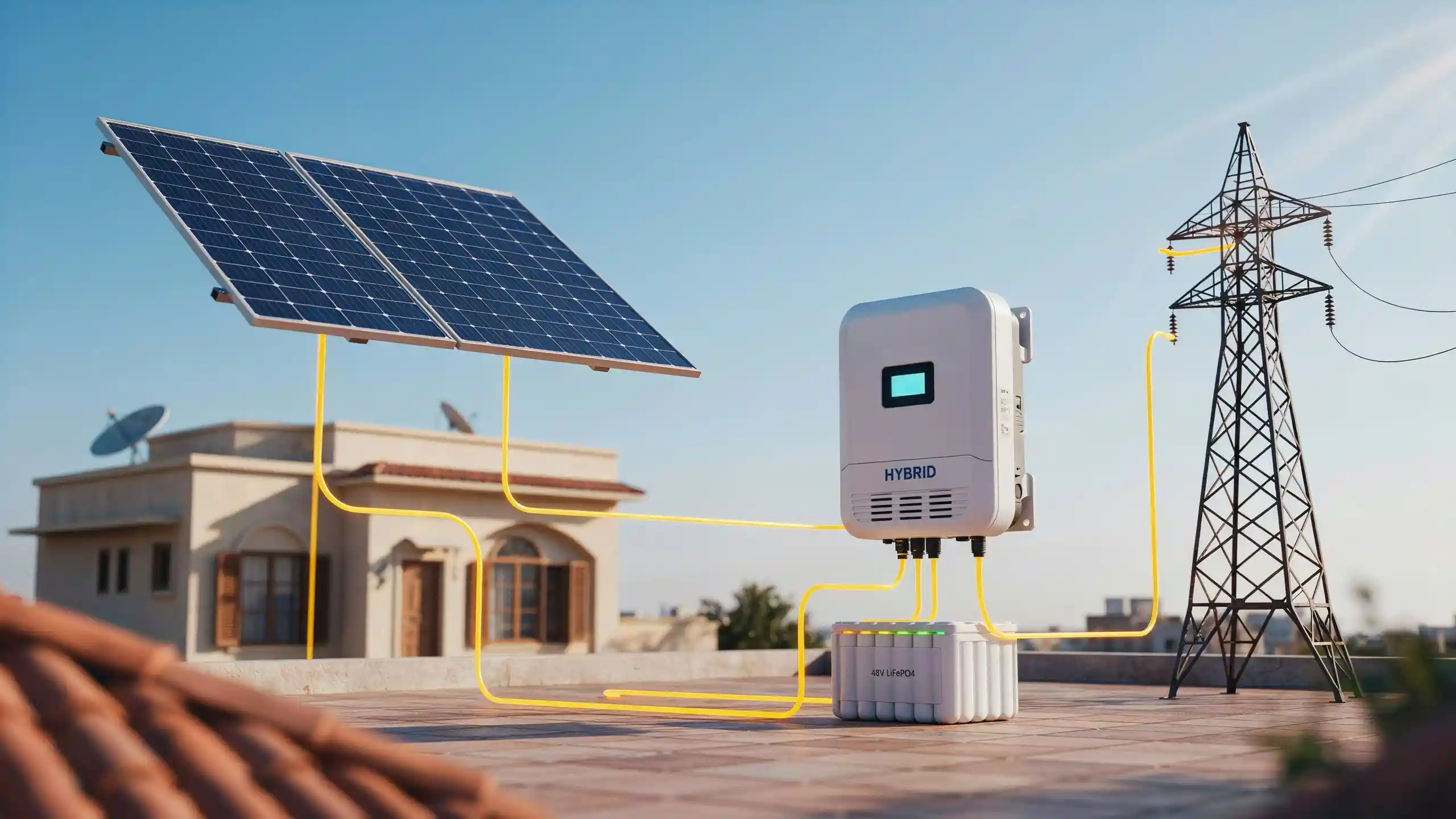
A hybrid inverter is one unit that handles solar panels, batteries, and the grid. Your panels send DC power to the inverter. It converts that power to AC for your appliances, charges the battery with any extra, and can send the rest to the grid where your utility allows it. When the grid fails, it switches to battery power within moments.
That makes a hybrid inverter with battery backup a complete energy manager, not just a switch. You can also set priorities, such as solar first and grid last. Because everything sits in one unit, you need fewer separate parts, which means less wiring and fewer points of failure.
What Is a Normal Inverter?
A normal inverter, often called a UPS or home inverter, converts battery power into AC power. It charges the battery from the grid. When load-shedding starts, it kicks in and runs your fans, lights, and a few small appliances.
It cannot manage solar energy on its own. It is simple, familiar, and affordable, which is why many homes in Pakistan still use one for basic load-shedding cover.
A solar inverter is a different device. A grid-tied solar inverter converts panel power to AC, but it has no battery and shuts off when the grid fails. A normal inverter has no panel input at all.
Hybrid Inverter vs Normal Inverter: Key Differences
The difference between hybrid and normal inverter systems comes down to what each one connects to and controls. Here is how they compare in four areas.
Battery Backup and Power Supply
A normal inverter charges its battery from the grid only. A hybrid inverter charges the battery from solar first, so daytime backup costs you nothing extra. That matters when load-shedding runs long and the grid cannot recharge your battery.
Solar Energy Management
A hybrid inverter includes an MPPT charge controller, the part that pulls the most power from your panels. It decides whether energy goes to your home, your battery, or the grid. A normal inverter cannot do this.
Grid Connectivity and Load-Shedding Support
Both types switch to battery during load-shedding. A hybrid also runs on solar by day and reduces what you draw from the grid. Net metering support depends on the model and your utility’s current rules, so confirm before you buy.
Cost and Installation Requirements
A normal inverter costs less and installs quickly. A hybrid inverter costs more upfront and needs a proper solar design, correct wiring, and a compatible battery. Over time, solar savings can offset the higher price, though payback depends on your usage.
| Feature | Hybrid Inverter | Normal Inverter |
| Power sources | Solar, battery, grid | Grid and battery |
| Solar input | Built in | None |
| Battery charging | Solar or grid | Grid only |
| Load-shedding backup | Yes, recharges from solar | Yes, recharges from grid |
| Lowers electricity bills | Yes, with panels | No |
| Upfront cost | Higher | Lower |
| Installation | Needs solar design | Simple setup |
Benefits of a Hybrid Inverter Over a Normal Inverter
Is a hybrid inverter better than an inverter when you run on solar? In most cases, yes, for four reasons.
- Battery storage flexibility: Many models support lithium and lead-acid batteries, so you can start small and add capacity later.
- Better use of solar energy: Extra daytime power charges your battery instead of going to waste.
- Backup during power outages: Lights, fans, and your fridge keep running, and the sun recharges the battery the next day.
- Grid and solar power management: Set the unit to use solar first, battery next, and grid last to cut your bill.
Together, these features give you more control over how and when you use power.
Are There Any Disadvantages of Hybrid Inverters?
Yes, a few. Weigh them before you buy.
- Higher initial investment: A hybrid system costs more than a basic inverter and battery.
- More complex installation: You need a trained installer for sizing and wiring.
- Battery replacement costs: Batteries wear out, and replacing them costs real money.
- Compatibility: The inverter, battery, and panels must match in voltage and communication.
None of these is a deal breaker, but each one affects your budget, so plan for them early.
Which Inverter Is Better for Your Home in Pakistan?
Choose a hybrid inverter if you have panels or plan to add them, face long load-shedding hours, or want lower bills. It suits homes that run air conditioners or other heavy appliances during the day. A normal inverter is enough if you only need lights and fans for a few hours and your budget is tight.
When you compare a normal inverter vs solar hybrid inverter, these four steps give you a clear answer:
- Add up the watts of the appliances you want running during an outage.
- Note how many hours of load-shedding you face each day.
- Check your monthly electricity units on your bill.
- Set a budget that includes the battery, not just the inverter.
After 16 years in solar, the most common mistake we see at Progressive Ventures is choosing a battery size before measuring the home’s load. A proper Solar Panel Installation starts with that load check.
Final Verdict: Is a Hybrid Inverter Worth It?
Yes, for most solar homes, a hybrid inverter is worth it. It cuts grid use, stores your own power, and handles outages in one unit. The right choice still depends on your electricity use and budget. If you have no panels and need only short backups, a normal inverter does the job. Spend a little time on load and budget first, and the choice becomes easy.
Final Thoughts
A hybrid inverter gives you solar management, battery storage, and outage backup in one unit. A normal inverter stays useful for simple, low-cost backup. Pick a hybrid if you want lower bills over time. Pick a normal inverter if you want the cheapest backup today. Your load, outage hours, and budget decide which fits.
Progressive Ventures can size the right system for your home after a proper load check. Contact us today to get a clear plan and a quote.
FAQs
Is a hybrid inverter better than an inverter?
Yes, for homes with solar panels. It stores solar power, backs up your home, and lowers grid use.
Can a hybrid inverter work without a battery?
Yes, most models run in grid-tied solar mode without one. You get no backup during outages, so check your model’s manual.
Does a hybrid inverter save more electricity?
Yes, because it uses solar power first. That reduces the units you buy from the grid.
Is a hybrid inverter suitable for homes in Pakistan?
Yes, especially with frequent load-shedding and high bills. Panels and batteries cover the gaps.
Can I upgrade my existing solar system to a hybrid inverter?
Yes, in most cases. An installer should check your panels, battery, and wiring first.