Wind energy has become one of the fastest-growing renewable energy sources worldwide. As countries seek cleaner alternatives to fossil fuels, wind turbines play a crucial role in generating sustainable electricity. However, many people still wonder: How do wind turbines operate?
Understanding the working process of a wind turbine helps explain how simple moving air can be transformed into electricity that powers homes, businesses, and industries. In this guide, we’ll explore how wind turbines function, their major components, and how wind energy is converted into usable electrical power.
What Is a Wind Turbine?
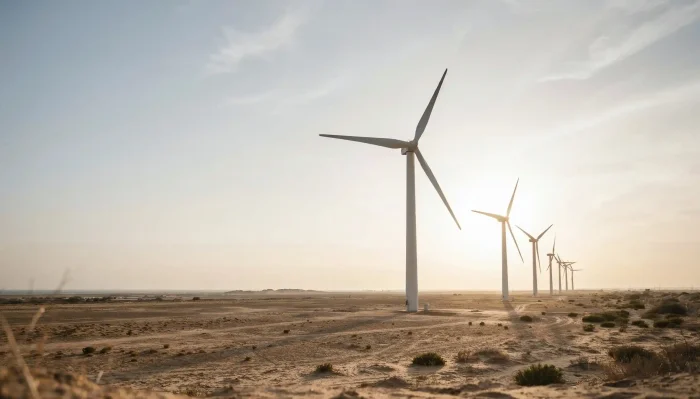
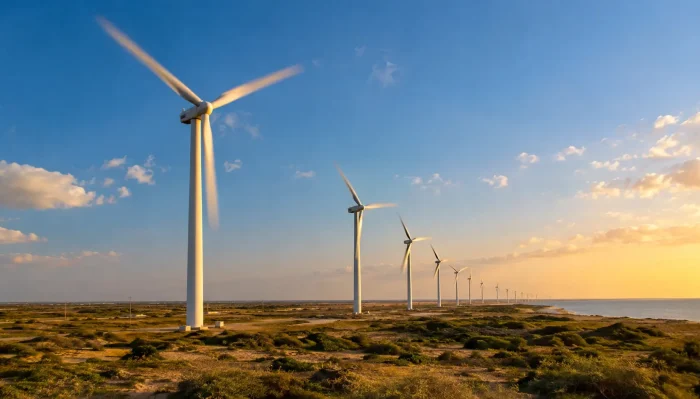
A wind turbine is a machine designed to convert the kinetic energy of moving wind into electrical energy. It consists of large blades mounted on a tower that rotate when wind flows across them.
Modern wind turbines can be installed on land (onshore) or in oceans and lakes (offshore), where wind speeds are often stronger and more consistent.
Understanding Wind Turbine Technology
Wind turbines are a key part of modern renewable energy systems. They are used in:
- Residential setups
- Commercial buildings
- Large-scale wind farms
The main purpose of a wind turbine is straightforward: capture wind energy and convert it into usable electricity efficiently.
Types of Wind Turbines Used Today
Modern wind power turbines generally fall into two categories:
Horizontal-Axis Wind Turbines (HAWTs)
These turbines have blades that rotate around a horizontal axis. They face into the wind and are the most widely used type globally due to their high efficiency. Most commercial wind farms use horizontal-axis designs.
Vertical-Axis Wind Turbines (VAWTs)
These turbines rotate around a vertical axis and can accept wind from any direction. While less common, they are sometimes used in urban or small-scale applications where wind direction is variable.
Both designs follow the same fundamental operating principle, though their applications differ.
How Do Wind Turbines Work? A Complete Operating Process
To fully understand how do wind turbines work, it helps to follow the energy conversion process step by step.
Wind Interaction With the Blades
When wind flows across turbine blades, it creates lift due to pressure differences on each side of the blade. This lift force causes the blades to rotate. The blade shape is carefully engineered to maximize efficiency even at moderate wind speeds.
This explains wind turbine how it works at the most fundamental level: wind energy is captured through aerodynamic motion.
Rotor and Shaft Movement
The rotating blades are connected to a central hub called the rotor. As the rotor spins, it turns a low-speed shaft located inside the turbine’s nacelle. This shaft transfers mechanical energy deeper into the system.
Gearbox Speed Increase
Most wind turbines use a gearbox to increase rotational speed. While the rotor spins relatively slowly, generators require much higher speeds to produce electricity efficiently. The gearbox bridges this gap.
Some modern turbines use direct-drive systems that eliminate the gearbox, but the end goal remains the same—efficient energy conversion.
Electricity Generation
The high-speed shaft drives the generator. Inside the generator, magnets and coils interact to produce electricity through electromagnetic induction. This process answers a common question: how does a wind generator produce electricity—by converting mechanical rotation into electrical current.
Power Conditioning and Transmission
The electricity produced is adjusted to match grid requirements. Transformers increase voltage for efficient transmission, and the power is then sent to the electrical grid or storage systems.
This full sequence explains how does a wind turbine works from wind capture to electricity delivery.As renewable energy adoption expands globally, organizations such as Progressive Ventures contribute to the sector by offering wind installation services that support properly engineered and compliant renewable energy projects.
Key Components of a Wind Turbine
Each component plays a critical role in safe and efficient operation.
Blades
-
Capture wind energy
-
Made from lightweight, durable materials
-
Length influences total energy output
Nacelle
The nacelle houses essential systems, including:
-
Gearbox or direct-drive mechanism
-
Generator
-
Cooling and lubrication systems
-
Control electronics
Tower
The tower elevates the turbine to higher altitudes where wind speeds are stronger and more consistent. Taller towers generally improve performance.
Control and Safety Systems
Sensors continuously monitor wind speed, direction, and turbine performance. Automated systems adjust blade angles and shut down the turbine during extreme conditions to prevent damage.
Wind Turbine Operations in Real Life
In real-world conditions, wind turbine operations are highly automated and efficient.
Daily Operation
Modern turbines are equipped with sensors that monitor:
- Wind speed
- Wind direction
- Temperature
The turbine automatically adjusts its position to face the wind and maximize energy production.
Safety Mechanisms
To protect the system, turbines are programmed to shut down during:
- Extremely high winds
- Storm conditions
- Mechanical faults
Efficiency Factors
The performance of a wind turbine depends on several factors:
- Wind speed and consistency
- Location and height
- Regular maintenance
Proper installation and maintenance can significantly improve efficiency and lifespan.
Benefits of Wind Energy
Wind energy offers several advantages that make it an attractive option for modern energy needs.
Clean and Renewable
Wind is a natural resource that doesn’t run out. It produces zero emissions, making it environmentally friendly.
Cost-Effective Over Time
Although initial installation costs can be high, operational costs are low, leading to long-term savings.
Reduced Electricity Bills
For businesses and homeowners, wind energy can significantly reduce dependency on grid electricity.
Low Maintenance
Once installed, wind turbines require relatively minimal maintenance compared to other power systems.
Wind Energy in Pakistan
Pakistan has strong potential for wind energy, particularly in:
- Sindh coastal regions
- Southern Punjab
- Certain northern areas
With increasing awareness and government support, wind energy is becoming a viable option for energy independence.
Wind Speed and Power Production
Wind turbines operate within defined wind speed ranges:
-
Cut-in speed: Minimum wind speed needed to start generating power
-
Rated speed: Speed at which maximum output is achieved
-
Cut-out speed: Speed at which the turbine shuts down for safety
Because wind conditions change, turbines do not produce constant power. Instead, their performance is measured using a capacity factor, which reflects actual energy output over time. To better understand the fundamentals, you can learn how wind energy works from the U.S. Department of Energy, which explains the science behind wind power in a simple and reliable way.
How to Work Wind Turbine Systems Efficiently
When discussing how to work wind turbine systems effectively, several factors influence performance.
Proper Site Selection
Wind turbines must be installed in locations with:
- Strong wind resources
- Consistent airflow
- Minimal obstacles
Correct Turbine Positioning
Turbines use yaw systems to rotate and face the wind direction for maximum energy capture.
Regular Maintenance
Routine inspections help maintain efficiency by checking:
- Blade condition
- Generator performance
- Gearbox lubrication
- Electrical systems
Advanced Monitoring
Modern turbines use sensors and smart software to continuously monitor performance and optimize energy production.
Onshore and Offshore Wind Turbines
Onshore Wind Turbines
-
Installed on land
-
Lower construction and maintenance costs
-
Easier access for repairs
Offshore Wind Turbines
-
Installed in oceans or large lakes
-
Benefit from stronger and steadier winds
-
Higher energy output but higher installation complexity
Both types are essential to expanding global wind energy capacity.
Environmental Impact of Wind Turbines
Wind turbines are among the cleanest electricity generation technologies available.
Environmental Advantages
-
No fuel consumption
-
No air pollution during operation
-
Minimal water usage
-
Low lifecycle carbon emissions
Environmental Considerations
-
Land use planning
-
Wildlife impact mitigation
-
End-of-life blade recycling
Modern designs and regulations continue to reduce environmental concerns.
Economic and Energy System Benefits
Wind energy provides several economic advantages:
-
Long-term cost stability
-
Reduced dependence on fossil fuels
-
Job creation across manufacturing, installation, and maintenance
-
Support for energy security and grid diversification
Wind energy provides several economic advantages that make it an increasingly attractive option for governments, businesses, and energy providers. One of the most important benefits is long-term cost stability, as wind turbines generate electricity without ongoing fuel expenses, reducing exposure to fossil fuel price fluctuations. Wind power also supports reduced dependence on fossil fuels, helping countries improve energy independence and strengthen national energy strategies.
While wind turbines require significant upfront investment for equipment, site preparation, and installation, operating costs are relatively low over the system’s lifespan because there is no fuel cost. Over time, this cost structure can make wind energy economically competitive with conventional power generation, particularly as technology improves and installation efficiency increases.
You May Also Read: What is the cost of wind energy
Common Misconceptions About Wind Turbines
Wind turbines only work in very windy areas
Modern turbines are designed to operate efficiently in moderate wind conditions.
Wind turbines are unreliable
When integrated into modern grids with diverse energy sources, wind power is highly reliable.
Wind turbines are excessively noisy
Most modern turbines operate quietly and comply with strict noise standards.
Future Developments in Wind Energy Technology
Wind turbine technology continues to advance through:
-
Larger rotor designs for improved efficiency
-
Advanced materials for durability
-
Digital monitoring and predictive maintenance
-
Hybrid systems combining wind with storage
These innovations are strengthening wind energy’s role in future power systems.
Wind Turbine Installation and Practical Use
Wind turbines are used in multiple real-world contexts:
-
Utility-scale wind farms
-
Industrial and commercial facilities
-
Agricultural operations
-
Limited residential installations
Proper installation requires detailed wind assessment, structural analysis, grid compatibility checks, and regulatory compliance. Experienced renewable energy providers such as Progressive Ventures support wind turbine installation by ensuring systems are designed for safety, efficiency, and long-term performance.
Conclusion
Wind turbines play a crucial role in the transition toward clean and sustainable energy. By converting wind into electricity through a simple yet effective process, they offer a reliable alternative to traditional power sources.
Understanding How Do Wind Turbines Operate? helps homeowners and businesses make informed decisions about energy solutions. While there are challenges such as initial costs and dependence on wind conditions, the long-term benefits often outweigh the limitations.
For those looking to reduce electricity costs and adopt environmentally friendly solutions, wind energy is a promising option. With proper planning and expert installation, it can become a valuable investment for the future.
Frequently Asked Questions (FAQs)
How do wind turbines work in simple terms?
Wind turns the blades, the blades spin a generator, and the generator produces electricity.
What is a wind turbine used for?
It is used to generate electricity from wind without burning fuel.
How does a wind turbine generate electricity?
Mechanical rotation drives a generator that produces electrical current through electromagnetic induction.
Do wind turbines work when there is no wind?
No, turbines require wind above a minimum speed to operate.
How long do wind turbines typically last?
Most wind turbines last between 20 and 25 years with proper maintenance.
Are wind turbines suitable for residential use?
They can be, but only in areas with adequate wind resources and proper approvals.