Due to the increasing cost of electricity in Pakistan, more and more people are looking for efficient ways of reducing their monthly bills. A good answer to long-term economical renewable electricity and decreased dependence on the national grid is solar energy, and a system that suits big houses, offices, shops, and small businesses, where demand for electricity is much higher, is a 10 kw solar system.
When making your purchase decision, the amount of electricity the 10 kw system will yield, how much space a 10 kw system needs, whether or not batteries need to be added to the system, and what aspects would add to the overall expense are other factors you may need to consider, rather than just the number of solar panels. The quality of solar panels, inverter, battery, and mounting structures, as well as the installation method, will all determine the amount of benefit the 10kw solar solution provides for you long term.
10kW Solar System at a Glance
Key Facts
| Feature | Details |
| System capacity | 10kW |
| Suitable for | Large homes, joint family houses, small businesses |
| Daily production | 35–50 units |
| Monthly production | 1,050–1,500 units |
| Panels required | 18–20 (using 550W–585W panels) |
| Roof area required | 600–800 sq. ft. |
| Average lifespan | 25+ years for panels |
| Payback period | 3–5 years, typically |
A 10kW system produces roughly 35 to 50 units of electricity a day in most parts of Pakistan, with the exact figure depending on the city’s sunlight hours, the season, panel orientation, and how clean the panels are kept. Karachi and Multan tend to sit toward the higher end of that range, while Islamabad and Lahore see somewhat lower output during winter fog and the monsoon.
What Is a 10kW Solar System?
The goal of a 10 kW solar system is for it to produce its maximum electrical power of up to 10 kW under perfect sunlight. The total number of panels required will depend on the wattage (power generation capability of each panel) and not solely on the kW capacity of the installation itself. It would take fewer, higher-output panels compared to a system made up of much lower-wattage panels.
This size of a 10 kW solar system is well suited for a property with a relatively high energy demand. You will consider this size of system if your house has several higher-consumption electricals, such as multiple air conditioners, refrigeration equipment, water pumps, washing machines, and the like, or if your office consumes a large amount of power during the daytime.
Key components normally supplied with a 10 kW installation system include:
- Solar inverter
- Mounting structure
- Electrical wiring and protection devices
- Monitoring system
- Optional storage batteries
- Installation services
Ultimately, it is the electricity demand and needs of your property, rather than a high-power output option, that should determine the size of the system.
How Much Electricity Can a 10 kW Solar System Produce?

The most asked question by potential buyers: how many units are produced by a 10 kW solar panel? A number of variables include sunlight, the panel’s performance, weather patterns, and the system’s facing and shading conditions.
A 10 kW system should produce somewhere around 35-50 units per day under adequate weather conditions in Pakistan. Thus, the monthly production can differ accordingly, based on the season.
Estimated Electricity Production
The following table provides a general idea of potential production:
| Time Period | Estimated Electricity Production |
| Per Day | 35–50 units |
| Per Month | 1,050–1,500 units |
| Per Year | 12,000–18,000 units |
The calculations are estimates only and are not intended as any guarantee of production levels. An expert site assessment may help you estimate the production capacity you can expect based on the location, direction of your roof, available space, and electricity consumption. The amount of power generated by a quality panel installation on a well-situated spot where the sun shines more could outperform a poorly placed installation with high-quality equipment. The quality of installation is one and a half times as critical.
10 KW Solar System Price in Pakistan
The cost of a 10 kW solar system in Pakistan may vary because there is no fixed price applicable to all installations. The total price may depend on the brands and the technical specifications of the products used in the project.
Expensive solar panels as well as a renowned inverter brand can affect the investment on the higher side; nevertheless, the use of a quality product may result in a higher level of efficiency, increased guarantee, and reliable long-term functioning.
The total investment in a 10kw system is determined by a variety of factors.
Solar Panel Type and Brand
Solar panels are one of the main parts of the total investment. The purchaser will decide on the solar panels from various brands, wattages, and technologies available. If a house is situated with limited usable roof area, but excellent performance is desired, then one may have higher purchase and setup costs, as high-efficiency solar panels might perform better in a limited area.
The level of quality of the solar panels, as well as their warranty, must be taken into account since it is an investment that should perform and last for several years. Purchase of products solely based on the lowest cost will not provide a good return on the investment.
Solar Inverter System: Choice of an Inverter
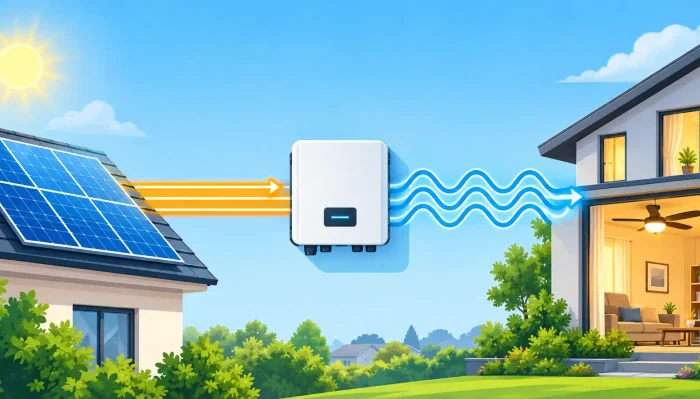
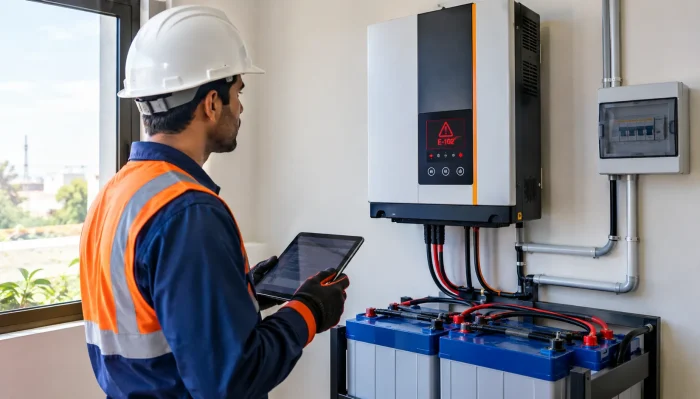
The solar inverter converts DC electricity from solar panels into AC used in homes and from solar panels to the electrical grid. A specific sort of solar inverter is required depending on whether it is a system run by a grid (on-grid) that must supply electrical appliances and then return surplus electricity to the electrical grid or one that can operate using backup electricity in the case of grid failure (hybrid).
It is really vital to choose a high-powered hybrid inverters that is well performing, as it significantly affects how productive the complete solar system is running to make it productive. One must also look for a high-power solar inverter that gives a suitable level of warranty and after-purchase service.
Installation and other components
Total system expense will also consist of supporting equipment such as mounting structure, wires, safety system, installation (labor costs), transit, system planning, etc. Installation also depends on the structure of your roof and the extent to which it can be safely adapted.
10 KW Solar System With Battery Backup
It is possible to build a solar system without any batteries or by incorporating batteries. Most on-grid systems will utilize solar energy during the day and remain connected to the main electricity grid. On the other hand, a hybrid system can integrate solar, grid, and battery technology.
Typically, the price of a 10 kW solar system with a battery is generally much higher compared to a standard on-grid system due to the batteries being an extra item in the setup and thus making the system more pricey. Nonetheless, having battery backups during times of power outage has benefits that can outweigh the high cost of setup in areas that frequently experience blackouts.
Benefits of Adding Batteries
Adding storage batteries helps save and store energy produced by the solar panels during the day to be used at another time. Based on the design, stored energy might be consumed during blackout periods or during periods with low sun production.
Key advantages can be:
- During power outages.
- Least reliance on the electricity grid.
- More autonomy over consumption of your electricity power.
- Optimum Availability of Electricity during Certain Hours.
- Ease of availability during the use of necessary appliances.
How much battery capacity is required depends on how much backup is needed. A house that desires to run its lights, fans, and essential apparatus only during blackouts will require a smaller battery setup as compared to a structure in need of operating both AC systems and other large appliances.
On-Grid vs. Hybrid 10 kW Solar Systems
When comparing an on-grid and a hybrid system, it will help you decide which to choose, as different systems cater to different energy demands and uses. An on-grid system works best if you have a reliable electrical supply and would like to reduce your daytime electricity usage. They are generally efficient and relatively cheap because of the reduced initial cost of not needing large battery storage.
It can work out more advantageously depending on whether electricity tariffs encourage high charges for daily usage or for a fixed time that you require to use solar to offset electricity demands.
A hybrid system works best when you want a blend of savings and security, where you would prefer solar to cover the majority of your household usage and would also like solar to act as a backup in case of load shedding or power cuts. While the initial cost will be higher, power storage can provide assurance in power failure.
Which System Is Better for You?
The decisions can be simple, where reducing electricity costs is the prime objective for the use of a solar system (meaning the use of an on-grid system), or they could be more complex, where reliable backup is what would determine that you use an on-grid system in conjunction with a large battery capacity (meaning a hybrid setup).
Analyzing your electricity bills, your usage patterns during the day, and where you believe power consumption is highest, as well as the type of equipment you would wish to still have on when power is cut, will assist the installer in selecting which one you have.
How Much Space Does a 10 kW Solar System Require?

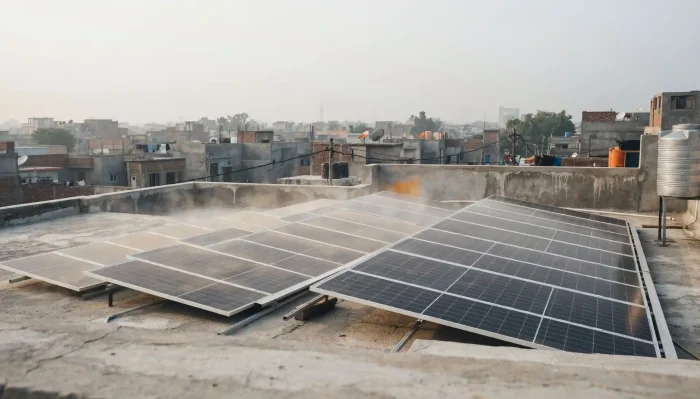
Your roof area is an aspect you should consider before installing your solar panels; the space that will be occupied depends on their watt output and size.
A 10kw solar system may indeed need a considerable portion of accessible and shadow-free roof space. The need for individual panels may be reduced due to the wattage of the components, but adequate spacing still remains an essential element during installation and maintenance of your solar panels.
Your roof should receive direct sunlight for the majority of the day. Trees, buildings adjacent to yours, water tanks, or any other object can form shade over your roof, thus decreasing power output.
When planning for solar installation, a professional should carry out the site assessment and look into:
- Available roof area
- Orientation of your roof along with the inclination
- Shading potential on your roof
- Structural integrity and condition of the roof
- Access for installation and maintenance
Possibility of upgrading to a higher system later on. Planning in advance on those elements can optimize output on your system.
Important Factors Before Buying a 10 kW Solar System
Solar power is considered a long-term investment, so one cannot solely consider price when making a purchase decision. The cheapest quotation might use cheaper parts or forget to include many safety and installation issues. It would be wise to take the following aspects into account before deciding to purchase:
Quality of Equipment and Warranty
Make sure that you invest in quality solar panels, inverters, and batteries, and that they are covered with the appropriate warranty. Investing in good equipment will increase the reliability of the solar power system and lower the risk of unexpected costs arising.
Your Electricity Requirements
It is advisable to see whether or not future electricity requirements will change. They might change if, for example, you buy a new air conditioner or an electric vehicle or if your business plans are extended.
Maintenance
While a solar power system needs little maintenance, you should expect to clean your panels and conduct periodic inspections to ensure good performance. Accumulation of dirt/dust could lower the efficiency.
Advantages of having a 10kW solar system
An investment in solar power can be financially advantageous and good for the environment. Whilst the installation does come with an initial outlay of capital investment, your dependence on expensive electricity supplied through the grid is lessened.
An advantage is that it is possible to use energy production whilst the sun is highest (when it is at its peak production period). This would be extremely advantageous for any home that uses electricity heavily during the daytime.
There are additional advantages to consider:
- Lower energy costs
- Less grid energy use
- Sustainable production
- Possibly higher property prices
- Long-term energy cost reduction
- Avoid more expensive energy sources.
The long-term financial return varies greatly depending on the energy generated by the system, electricity used in the household, grid electricity prices, and the cost of the initial installation.
Progressive Ventures handles this stage through its professional installation teams, which follow NEPRA’s technical requirements for grid-connected systems.
How Many Solar Panels Required for 10kW?
This is one of the most common questions people ask before buying, since the panel count affects both roof space needed and total cost.
The number of panels required for 10kW = 10,000W divided by the wattage of a single panel.
Panel Requirement Based on Panel Size
| Panel wattage | Panels required |
| 400W | 25 panels |
| 450W | 23 panels |
| 500W | 20 panels |
| 550W | 19 panels |
| 580W | 18 panels |
| 700W | 15 panels |
How Many Plates in a 10kW Solar System?
In everyday conversation in Pakistan, solar panels are often called “plates.” For a 10kW solar system, that generally works out to:
- 18 to 19 plates using 550W to 580W panels
- 20 to 23 plates using 450W to 500W panels
- 25 plates using older 400W panels
Higher-wattage panels reduce the plate count and the roof area needed, but individual panel prices are also somewhat higher, so the total system cost does not drop as sharply as the panel count does.
How Many Units Does a 10kW Solar System Produce?
Actual output depends on location, weather, panel angle, shading, and system losses, and no installer can promise an exact number for every day of the year.
Daily Production
Under typical Pakistani conditions, a 10kW system generates 35 to 50 units per day, with the range reflecting seasonal and regional variation.
Monthly Production
Averaged across a full month, that works out to roughly 1,050 to 1,500 units, higher in summer months with longer daylight and lower during winter or extended cloudy stretches.
Annual Production
Across a full year, total generation typically falls between 12,000 and 18,000 units, though this figure should be treated as a planning estimate rather than a guaranteed output, since actual generation varies with panel cleanliness, shading changes over time, and inverter performance.
Final Thoughts
A 10kW solar power system is an effective choice for large homes and businesses seeking lower electricity bills and greater energy freedom. The true benefits of any 10 kW solar power system, though, come from planning the right system design and choosing the best equipment and professional installation.
When deciding on a solar system, don’t solely focus on the component price; also take into account electricity usage, roof space, battery needs, estimated output, guarantees, and long-term aims. With quality design, a solar system can save you money and keep the lights on for decades.
Ask for a site assessment and quote from a reputable solar provider before leaping—this will ensure that the system is appropriately rated and specified to meet the energy demands of the property.
For a site-specific quote based on your actual roof and consumption, contact Progressive Ventures for a free consultation and an itemised breakdown covering panels, inverter, battery, and installation separately.
FAQs
What is the price of a 10kW solar system in Pakistan?
The average 10kW solar system price in Pakistan ranges between PKR 14 lakh to PKR 22 lakh, depending on the quality of solar panels, inverter type, and installation components used.
How much electricity does a 10kW solar system produce?
A 10kW solar system produces approximately 1,000 to 1,300 units (kWh) per month, depending on sunlight availability, weather conditions, and system efficiency.
How many solar panels are required for a 10kW system?
Usually, a 10kW system requires around 18 to 22 solar panels, depending on the wattage of each panel (commonly 450W to 550W panels are used).
Is a 10kW solar system enough for a house?
Yes, a 10kW solar system is ideal for large homes, offices, and small businesses. It can run multiple appliances including air conditioners, refrigerators, fans, and lighting systems.
What is the payback period of a 10kW solar system?
The payback period is typically 3 to 5 years, depending on electricity consumption, net metering benefits, and system efficiency.
Do solar panels work in cloudy weather?
Yes, solar panels still work in cloudy weather, but their efficiency is reduced because they receive less direct sunlight compared to clear conditions.
Which is better: on-grid or hybrid solar system?
A hybrid solar system is better if you want backup power during load-shedding, while an on-grid system is more cost-effective if your goal is to reduce electricity bills without battery storage.
Will 10kW be large enough for a big house?
Yes, it would suit a big house with large demands of electricity. So check your electricity demands per month and future demands.
Will a 10-kilowatt solar system run in a power cut?
A normal system of solar energy that is grid-tied might not work in case of a power cut. Though a hybrid system would work fine during a power-cut situation, it would deliver emergency power through stored energy using a battery system if there is power.
How many square feet of area on the roof will it take to fit 10 kW of solar panels?
The size of the rooftop depends on the wattage and number of panels required in the said solar setup. One needs expert advice to tell the area requirement of the rooftop after checking all the details and suitability of the roof.