As energy prices continue to rise and climate concerns grow, homeowners are increasingly exploring sustainable heating and cooling solutions. One of the most efficient technologies available today is the geothermal heat pump system.
A geothermal heat pump uses the stable temperature of the earth to provide heating in winter and cooling in summer. Unlike traditional air conditioners that rely on outside air, this system transfers heat between your home and the ground, making it far more efficient and environmentally friendly.
However, the biggest question for most homeowners is the Geothermal Heat Pump Installation Cost and whether it is a practical investment—especially in developing markets like Pakistan.
This guide explains geothermal installation costs, the factors affecting pricing, long-term savings, available tax incentives, and whether a geothermal system is worth the investment in 2026.
What Is a Geothermal Heat Pump System?
A geothermal heat pump system is a renewable HVAC technology that uses underground heat exchange to regulate indoor temperatures.
How It Works
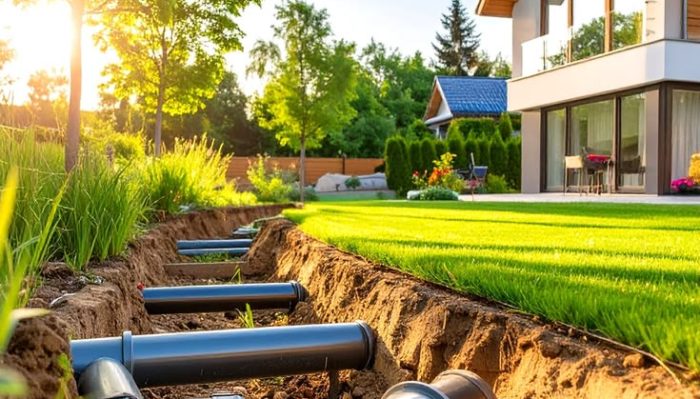
The system uses pipes (called ground loops) buried underground. These loops circulate a fluid that absorbs or releases heat depending on the season.
- In summer: Heat is removed from the home and transferred underground
- In winter: Heat is extracted from the ground and moved into the home
This process makes geothermal systems significantly more efficient than conventional air conditioners.
Types of Geothermal Systems
1. Closed-Loop System
- Most common type
- Pipes are sealed underground
- Works horizontally or vertically
2. Open-Loop System
- Uses groundwater directly
- Requires a water source
3. Hybrid System
- Combines geothermal with traditional HVAC
- Used in high-demand properties
Why It Is Highly Efficient
- 300%–600% efficiency compared to traditional systems
- Stable underground temperature year-round
- Lower electricity consumption
Geothermal Heat Pump Installation Cost Overview
Global Cost Range
Globally, geothermal system installation typically ranges between:
- Residential systems: $15,000 – $45,000
- Large homes or commercial systems: higher depending on design
These costs include equipment, drilling, labor, and system design.
Geothermal Heat Pump Price in Pakistan
In Pakistan, geothermal technology is still emerging, which makes pricing less standardized.
Estimated geothermal heat pump price in Pakistan:
- Small home system: PKR 2.5 – 4.5 million
- Medium home system: PKR 4.5 – 8 million
- Large villas: PKR 8 – 15 million+
Imported equipment, drilling costs, and lack of local manufacturing significantly impact pricing.
Geothermal Heating and Cooling System Cost in Pakistan
- Entry-level residential setup: PKR 2.5–4 million
- Mid-range family home: PKR 4–8 million
- High-end luxury home: PKR 8 million+
These estimates vary depending on land conditions and system depth.
Cost Breakdown of Geothermal System Installation
Understanding where your money goes is essential.
1. Equipment Cost
- Heat pump unit
- Indoor HVAC components
- Controls and sensors
2. Ground Loop Installation Cost
This is the most expensive part:
- Vertical drilling is more expensive but more efficient
- Horizontal loops are cheaper but require more land
3. Labor and Engineering
- System design and load calculation
- Professional installation and testing
4. Additional Costs
- Site preparation
- Permits and approvals
- Initial testing and commissioning
Key Factors Affecting Installation Cost
1. Home Size
Larger homes require deeper and more complex loop systems.
2. Soil Conditions
Rocky terrain increases drilling cost significantly.
3. System Type
Vertical loops cost more but save space.
4. Location
Urban areas in Pakistan may have higher labor and logistics costs.
Geothermal Cooling System for Home Cost
Small Homes (1–3 Bedrooms)
- PKR 2.5 – 4 million
- Suitable for compact energy-efficient homes
Medium Homes (4–6 Bedrooms)
- PKR 4 – 8 million
- Balanced performance and efficiency
Large Homes / Villas
- PKR 8 – 15 million+
- High-capacity systems for maximum cooling demand
Long-Term Savings
Despite high upfront cost:
- Electricity bills can reduce by up to 60–70%
- Payback period: 5–10 years depending on usage
Is Geothermal Heating and Cooling Worth It in 2026?
Energy Efficiency
Geothermal systems are among the most efficient HVAC technologies available today.
Environmental Benefits
- Zero direct emissions
- Reduced dependency on fossil fuels
Financial Perspective
While initial investment is high, long-term savings make it cost-effective for large or energy-intensive homes.
Geothermal Cooling System in Pakistan – Market Reality
Current Situation
Geothermal systems are not widely adopted in Pakistan due to:
- High upfront installation cost
- Limited technical expertise
- Lack of awareness
Challenges
- Import dependency increases price volatility
- Limited availability of certified installers
Future Outlook
With rising electricity costs and energy shortages, demand for renewable HVAC systems is expected to grow steadily.
Comparison: Geothermal vs Traditional HVAC Systems
| Feature | Geothermal | Split AC |
|---|---|---|
| Installation Cost | High | Low |
| Electricity Usage | Very Low | High |
| Lifespan | 20–50 years | 8–12 years |
| Maintenance | Low | Moderate |
Maintenance Cost
Geothermal systems require minimal maintenance:
- Annual checkups only
- No frequent repairs like AC systems
- Ground loops can last 50+ years
Groundwater Heat Pump Cost vs Closed-Loop Systems
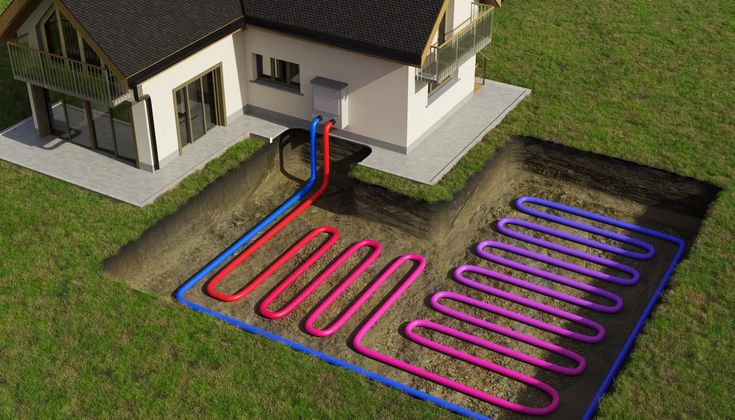
Groundwater heat pump cost varies depending on water availability, installation complexity, and environmental regulations.
Open-loop groundwater systems are often cheaper to install because they require less underground piping. However, they depend heavily on:
- Local groundwater supply
- Water quality
- Government regulations
- Proper drainage systems
Closed-loop geothermal systems
It usually costs more upfront but offers better long-term reliability, lower maintenance requirements, and improved energy efficiency. According to the U.S. Department of Energy, closed-loop systems are among the most commonly used geothermal solutions for residential properties because of their durability and consistent performance.
For many homeowners, closed-loop systems provide a safer long-term investment with predictable operating costs and longer system lifespan.
Federal Tax Credits and Incentives in 2026
Government incentives continue to improve the affordability of geothermal heating and cooling systems.
Many regions now offer:
- Federal tax credits
- State rebates
- Utility company incentives
- Low-interest energy loans
In some cases, homeowners can recover 20% to 30% of installation expenses through available incentive programs. Additional information about clean energy tax credits can also be found on the Internal Revenue Service (IRS) website.
These programs significantly reduce overall geothermal installation costs and help shorten long-term payback periods.
How Long Does It Take to Recover Geothermal Costs?
Most homeowners recover their geothermal system cost within 7 to 12 years through energy savings.
Payback depends on factors such as:
- Local electricity prices
- Home insulation quality
- System efficiency
- Climate conditions
- Existing heating fuel costs
Homes replacing oil, propane, or electric resistance heating often achieve the fastest returns.
Geothermal vs Traditional HVAC Costs
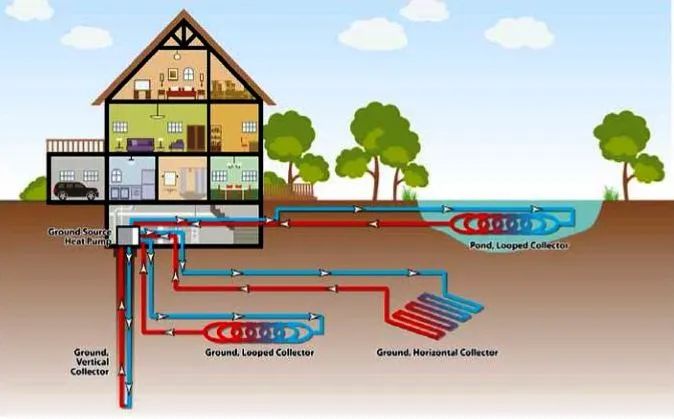
At first glance, geothermal systems appear expensive compared to standard HVAC systems.
However, long-term ownership costs tell a different story.
| System Type | Initial Cost | Lifespan | Energy Efficiency |
|---|---|---|---|
| Traditional HVAC | Lower | 10–15 Years | Moderate |
| Geothermal Heat Pump | Higher | 20–25 Years | Very High |
Underground geothermal loops can last over 50 years with minimal maintenance, making geothermal one of the most durable heating and cooling solutions available.
Is Geothermal Worth the Investment?
For many homeowners, geothermal systems offer excellent long-term value.
Benefits include:
- Lower utility bills
- Reduced carbon emissions
- Quiet operation
- Long equipment lifespan
- Minimal maintenance
- Increased property value
However, geothermal may not suit every property. Installation costs can be difficult for homeowners with limited budgets or unsuitable land conditions.
A professional site assessment helps determine whether geothermal is the right solution.
Common Mistakes Homeowners Should Avoid
Many installation problems happen because homeowners focus only on price rather than system quality.
Avoid these common mistakes:
Choosing the Cheapest Contractor
Improper installation can reduce efficiency and increase repair costs.
Ignoring Soil Testing
Ground conditions greatly affect geothermal performance and installation cost.
Oversizing or Undersizing the System
Incorrect sizing leads to energy waste and poor comfort performance.
Skipping Energy Efficiency Improvements
Insulation and air sealing upgrades improve overall system performance significantly.
Conclusion
Geothermal heat pump systems represent one of the most efficient and sustainable HVAC solutions available today. Although the geothermal heat pump installation cost is significantly higher than that of traditional air conditioning systems, the long-term energy savings, durability, and environmental benefits make it a strong investment.
For homeowners in Pakistan, understanding the geothermal cooling system for home cost and overall installation requirements is essential before making a decision. While adoption is still in early stages, rising electricity costs may accelerate interest in this technology in the coming years.
If planned correctly, a geothermal system can deliver decades of reliable, low-cost heating and cooling
FAQs
How much does a geothermal heat pump installation cost?
Most residential geothermal systems cost between PKR 4.2 million and PKR 11.2 million depending on system size, drilling requirements, and property conditions.
Why is geothermal installation expensive?
The largest expense comes from underground excavation or drilling. Labor, loop installation, and equipment costs also contribute significantly.
How long do geothermal systems last?
Geothermal heat pumps usually last 20–25 years, while underground loop systems can last more than 50 years.
Is geothermal cheaper than traditional HVAC over time?
Yes. Although geothermal systems cost more initially, they typically reduce monthly energy bills substantially and require less maintenance.
What affects groundwater heat pump cost?
Groundwater availability, water quality, local regulations, and drainage systems all influence groundwater heat pump cost.
Are geothermal systems environmentally friendly?
Yes. Geothermal systems reduce greenhouse gas emissions and use renewable underground energy to heat and cool buildings efficiently.
Can geothermal systems work in cold climates?
Yes. Geothermal systems perform very well in cold climates because underground temperatures remain stable year-round.
Are there incentives for geothermal installation?
Many regions offer tax credits, rebates, and financing programs that lower the total geothermal installation cost.