Solar panels are designed to withstand all kinds of weather, including rain, wind, and extreme temperatures. However, many homeowners still wonder: Does rain clean solar panels, or is manual cleaning necessary to maintain peak performance?
The short answer is yes—rain can help clean solar panels by washing away loose dust and dirt. However, rain alone is not always enough to keep solar panels completely clean. Stubborn contaminants such as bird droppings, pollen, tree sap, and pollution residue often remain on the panel surface, reducing efficiency over time.
Understanding how rain affects solar panels can help you maximize energy production and protect your investment. In this guide, we’ll explain what happens to solar panels when it rains, whether heavy rain provides better cleaning, and when professional cleaning may still be necessary.
Does Rain Clean Solar Panels?
Rain helps remove loose dust, dirt, and debris from solar panels, but it does not completely clean them. While natural rainfall can improve panel cleanliness and restore some efficiency, it usually cannot remove stubborn substances that stick to the glass surface.
For most homeowners, rain acts as a natural rinse rather than a complete cleaning solution.
Does Rain Clean Solar Panels Effectively?
Whether rain cleans solar panels effectively depends on several factors:
- Amount of rainfall
- Panel tilt angle
- Local environmental conditions
- Type of dirt accumulated
- Frequency of rain
A moderate to heavy rainfall can wash away surface dust and light dirt. However, sticky contaminants often remain attached to the panel surface.
In areas with frequent rainfall and low pollution levels, rain may help keep panels reasonably clean. In dusty or polluted environments, additional cleaning is usually required.
How Solar Panels Get Dirty Over Time
Even though solar panels have smooth glass surfaces, dirt accumulation is unavoidable.
Common Sources of Solar Panel Dirt
Dust and Sand
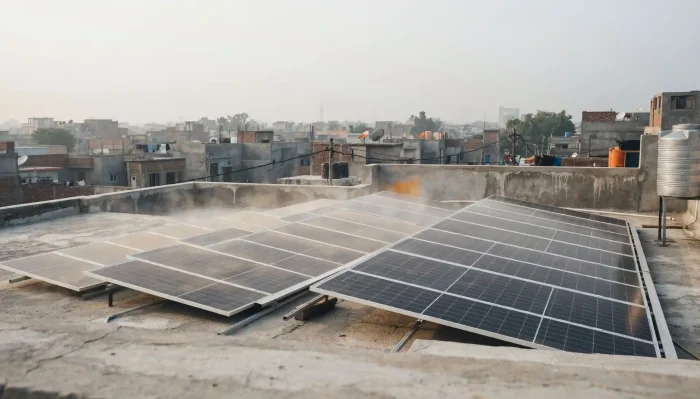
Dust is one of the most common causes of solar panel soiling, especially in dry regions and areas near construction sites.
Bird Droppings
Bird droppings are particularly problematic because they block sunlight and can create “hot spots” that reduce panel performance. For more information on protection methods, see our guide on how to install solar pigeon mesh.
Tree Sap
Panels installed near trees may accumulate sap, which can be difficult to remove without proper cleaning.
Pollen
Seasonal pollen buildup can form a thin film that reduces sunlight transmission.
Air Pollution
Urban areas often experience pollution buildup that settles on solar panels over time.
Leaves and Organic Debris
Leaves, twigs, and other debris can accumulate around panel edges and corners.
Why Dirt Matters
Even a small amount of dirt can impact solar energy production.
Dirty panels may experience:
- Reduced sunlight absorption
- Lower electricity generation
- Decreased system efficiency
- Long-term performance losses
What Happens to a Solar Panel When It Rains?
One of the most frequently asked questions is: What happens to a solar panel when it rains?
Solar Panels Continue Producing Electricity
Solar panels do not stop working during rainfall.
Although output decreases because clouds block some sunlight, solar panels continue generating electricity whenever daylight is available.
This is because solar panels rely on light, not heat, to produce electricity.
Rain Helps Cool Solar Panels
Interestingly, solar panels often perform better at cooler temperatures.
Rain naturally cools the panel surface, helping reduce heat-related efficiency losses.
Natural Cleaning Effect
Rainwater flowing across the glass surface can wash away:
- Dust
- Loose dirt
- Small particles
- Light debris
This natural rinsing action contributes to improved cleanliness after storms.
Modern Solar Panels Are Waterproof
Solar panels are built to withstand:
- Heavy rainfall
- Snow
- Hail
- Humidity
- Strong winds
Manufacturers test solar panels under strict international standards to ensure durability and weather resistance. For more technical details on solar panel durability standards, visit the International Energy Agency.
Does Heavy Rain Clean Solar Panels Better?
Many homeowners ask: Does heavy rain clean solar panels better than light rain?
Benefits of Heavy Rain
Heavy rainfall typically provides:
- Stronger washing action
- Better dust removal
- Improved runoff
- Reduced dirt accumulation
The increased water volume helps carry away more loose contaminants.
Limitations of Heavy Rain
Even heavy rain has limitations.
It usually cannot remove:
- Bird droppings
- Hardened mud
- Tree sap
- Sticky pollution residue
- Grease-like deposits
These contaminants often require manual cleaning.
Light Rain vs Heavy Rain
| Factor | Light Rain | Heavy Rain |
|---|---|---|
| Dust Removal | Fair | Good |
| Dirt Removal | Limited | Moderate |
| Bird Droppings Removal | Poor | Poor |
| Pollen Removal | Fair | Good |
| Overall Cleaning Effectiveness | Low | Moderate |
Therefore, while the question of whether heavy rain cleans solar panels is common, the answer is that heavy rain helps more than light rain, but still does not provide a complete cleaning.
What Are the Effects of Rain in Solar Panels’ Performance?
Understanding what are the effects of rain in solar panels’ performance helps homeowners set realistic expectations.
Temporary Drop in Energy Production
During rainfall, electricity generation usually decreases because:
- Clouds reduce sunlight intensity
- Storms create darker conditions
- Solar irradiance drops
This reduction is temporary.
Long-Term Performance Benefits
Rain can provide several long-term advantages:
- Reduced dust buildup
- Improved sunlight transmission
- Cleaner panel surfaces
- Better energy production after rainfall. Professional solar panel installation and cleaning services use specialized tools and industry-approved techniques to safely remove stubborn dirt, bird droppings, and debris without damaging your solar panels, helping maintain optimal energy production and long-term system performance.
Improved Efficiency After Rain
Many homeowners notice improved solar output after a significant rainfall because accumulated dust has been washed away.
The cleaner surface allows more sunlight to reach the solar cells.
Can Rain Clean the Solar Panel Completely?
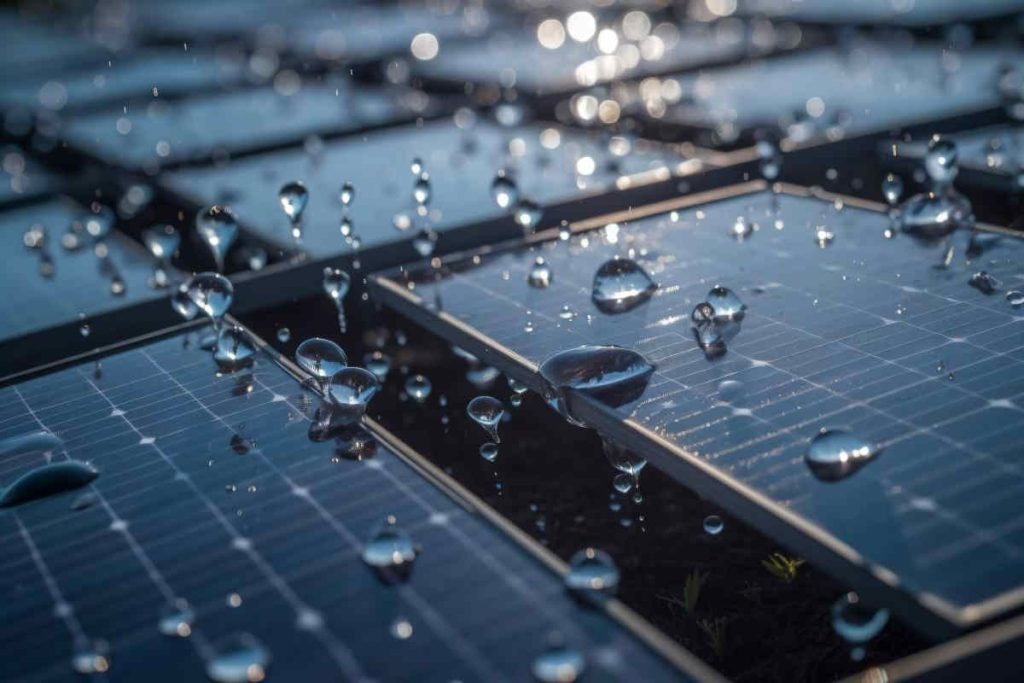
The simple answer is no.
While many people ask, can rain clean the solar panel completely, the reality is that rainfall cannot replace proper maintenance.
Rain lacks the scrubbing action needed to remove stubborn contaminants.
Examples include:
- Bird droppings
- Tree sap
- Hardened dirt
- Industrial pollution residue
- Oil-based contaminants
If these materials remain on the surface, they may continue reducing efficiency even after multiple rainstorms.
Does Rain Clean Your Solar Panels Enough to Skip Maintenance?
For some homeowners, regular rainfall may reduce cleaning frequency, but it’s still important to understand how often solar panels need cleaning.
However, relying solely on rain is generally not recommended.
Situations Where Rain May Be Sufficient
Rain may be enough if:
- You live in a region with frequent rainfall.
- Air pollution levels are low.
- Dust accumulation is minimal.
- Panels are installed at a steep angle.
Situations Requiring Additional Cleaning
You may need professional cleaning if you live in:
- Dusty environments
- Agricultural regions
- Industrial zones
- Areas with frequent bird activity
- Locations with limited rainfall
Warning Signs Your Panels Need Cleaning
Watch for:
- Visible dirt accumulation
- Noticeable production losses
- Uneven panel appearance
- Bird droppings on panel surfaces
- Debris buildup around panel edges
Factors That Influence How Well Rain Cleans Solar Panels
Several variables determine whether does the rain cleans solar panels effectively.
Panel Tilt Angle
Panels installed at steeper angles allow rainwater to flow more easily across the surface.
This improves natural cleaning.
Rainfall Intensity
Heavy rainfall generally removes more dirt than light showers.
Local Environment
Environmental conditions greatly impact cleaning effectiveness.
For example:
- Urban pollution creates sticky residue.
- Desert dust accumulates quickly.
- Coastal areas may experience salt deposits.
Roof Design
Nearby trees, chimneys, and bird nesting areas can increase contamination levels.
Best Practices for Keeping Solar Panels Clean
Schedule Regular Inspections
Inspect solar panels every few months for visible dirt and debris.
Monitor Energy Production
Most modern solar systems include monitoring software that can help identify performance declines.
Remove Nearby Sources of Debris
Trim overhanging branches and discourage bird nesting when possible.
Consider Professional Cleaning
Hiring professional solar panel experts ensures safe and effective cleaning using specialized equipment designed to remove tough contaminants while protecting the panel surface and maximizing efficiency.
Common Myths About Rain and Solar Panels
Myth #1: Rain Completely Cleans Solar Panels
False. Rain removes loose dirt but often leaves stubborn contaminants behind.
Myth #2: Solar Panels Stop Working When It Rains
False. Solar panels continue producing electricity during rainfall, although output is reduced.
Myth #3: Heavy Rain Damages Solar Panels
False. Modern solar panels are engineered to withstand heavy rain and severe weather conditions.
Myth #4: Solar Panels Never Need Cleaning
False. Even in rainy climates, periodic inspections and cleaning are recommended.
Conclusion
So, does rain clean solar panels? The answer is yes—but only to a certain extent.
Rain acts as a natural cleaning mechanism that helps wash away dust and loose debris. However, it cannot completely remove stubborn contaminants such as bird droppings, pollen, tree sap, and pollution buildup. While rainfall can improve solar panel performance, it should not be considered a replacement for regular inspections and maintenance.
For homeowners looking to maximize energy production, the best approach is to combine the benefits of natural rainfall with periodic monitoring and professional cleaning when necessary. By keeping your solar panels clean and well-maintained, you can ensure they continue generating reliable, efficient solar power for many years to come.
Whether you’re planning a new solar installation or want to improve the performance of your existing system, expert guidance can make all the difference. Contact us today for professional solar solutions, system assessments, and maintenance recommendations tailored to your energy needs. Start generating cleaner, more efficient power and get the most from your solar investment.
Frequently Asked Questions
Does rain clean solar panels?
Yes. Rain helps remove loose dust and dirt, but it does not completely clean solar panels.
Does rain clean solar panels effectively?
Rain can improve panel cleanliness, especially after heavy rainfall, but it is not as effective as proper cleaning.
What happens to a solar panel when it rains?
Solar panels continue generating electricity during rain, although production decreases due to reduced sunlight.
Can rain completely clean a solar panel?
No. Rain cannot remove stubborn contaminants such as bird droppings, tree sap, and pollution residue.
Does heavy rain clean solar panels better?
Yes. Heavy rain generally removes more dust and debris than light rain, but it still does not provide a complete cleaning.
What are the effects of rain on solar panels’ performance?
Rain temporarily reduces energy production due to cloud cover, but may improve long-term efficiency by washing away accumulated dust.
How often should solar panels be cleaned?
Most residential systems benefit from inspections every few months and cleaning when visible dirt or performance losses occur.
Is professional solar panel cleaning worth it?
For heavily soiled systems, professional cleaning can restore efficiency and help maximize energy production.