Solar panels are one of the smartest long-term investments for homeowners and businesses looking to reduce electricity costs and move toward cleaner energy. However, many people focus only on installation and forget an important part of solar system maintenance: cleaning.
A common question among solar panel owners is, “How many times a year should solar panels be cleaned?” The answer depends on several factors, such as weather conditions, dust levels, bird activity, pollution, and where your property is located.
Dirty solar panels can reduce efficiency by blocking sunlight from reaching the solar cells. Even a thin layer of dust, pollen, or bird droppings may lower energy production over time. Regular cleaning helps maintain performance, improve energy output, and extend the lifespan of your system.
Whether you own a residential rooftop system or a large commercial installation, this guide will help you create the right cleaning schedule to keep your solar panels operating at peak efficiency throughout the year.
Why Solar Panel Cleaning Matters
Table of Contents
ToggleSolar panels work by absorbing sunlight and converting it into electricity. When dirt and debris accumulate on the surface, sunlight becomes blocked, reducing overall efficiency.
Common materials that build up on solar panels include:
- Dust
- Dirt
- Bird droppings
- Leaves
- Pollen
- Air pollution residue
- Tree sap
In dusty environments, dirty panels can lose between 5% and 25% of their efficiency. Areas with high pollution or frequent dust storms may experience even greater losses.
Regular cleaning helps:
- Maintain maximum energy production
- Improve return on investment
- Prevent permanent staining or damage
- Extend the lifespan of the panels
- Reduce long-term maintenance costs
For homeowners using solar power to offset electricity bills, maintaining efficiency is essential.
How Often Should Solar Panels Be Cleaned?
General Recommendation
For most residential properties, solar panels should be cleaned 2 to 4 times a year.
This schedule is enough for maintaining good performance under normal environmental conditions.
However, the exact frequency depends on your location and the surrounding environment.
Standard Cleaning Frequency Guide
| Environment | Recommended Cleaning |
|---|---|
| Low dust/rainy areas | 1–2 times per year |
| Moderate urban areas | 2–4 times per year |
| Dusty or dry climates | Every 2–3 months |
| Near farms or construction sites | Monthly inspections |
| Heavy bird activity areas | As needed |
If you live in areas with frequent dust storms or limited rainfall, you may need more frequent cleaning to maintain optimal solar output.
How Often Do Solar Panels Need Cleaning in Pakistan?
Pakistan’s climate plays a major role in solar panel maintenance. Cities like Rawalpindi, Lahore, Karachi, and Islamabad experience varying levels of dust, pollution, and seasonal rain.
In most parts of Pakistan:
- Solar panels should be cleaned every 2 to 3 months
- During dusty summer months, monthly cleaning may be necessary
- Rain can help wash light dust away, but it is not enough for deep cleaning
Properties located near roads, factories, farms, or construction zones typically require more frequent maintenance.
This is why many homeowners ask:
- How often do solar panels need cleaning
- How often should solar panels be cleaned
- How often should you get your solar panels cleaned
The answer largely depends on environmental exposure and energy production goals.
Factors That Affect Solar Panel Cleaning Frequency
1. Local Weather Conditions
The weather has the biggest impact on cleaning needs.
Rainy Areas
Rain naturally washes away loose dust and debris. Homes in rainy regions may only need occasional cleaning.
Dry and Dusty Areas
Dry climates accumulate dirt faster. Dust sticks to panel surfaces and blocks sunlight more aggressively.
2. Air Pollution Levels
Urban pollution creates grime that rain cannot fully remove. Industrial smoke and vehicle emissions often leave residue on panels.
If your property is near:
- Highways
- Factories
- Industrial zones
You may need additional cleaning sessions annually.
3. Bird Droppings
Bird droppings are more harmful than ordinary dust because they can create concentrated blockage areas on the panels.
Over time, they may cause “hot spots” that affect panel efficiency and durability.
If birds frequently gather near your roof, inspect panels regularly.
4. Trees and Falling Debris
Trees near solar installations increase maintenance requirements due to:
- Leaves
- Tree sap
- Pollen
- Branch debris
Shaded and dirty panels perform poorly compared to clean, unobstructed systems.
5. Roof Angle and Panel Tilt
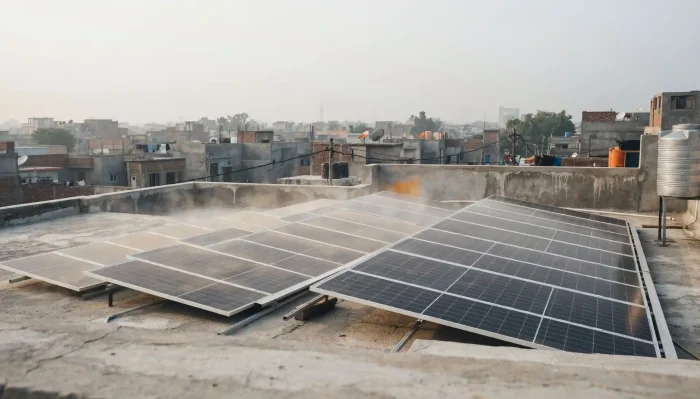
Steeper panels naturally shed dirt better during rainfall. Flat or low-angle systems hold more debris and water spots.
This directly impacts:
- How often do solar panels need to be cleaned
- How many days should solar panel cleaning occur
Flat commercial systems usually require more maintenance than angled residential systems.
Signs Your Solar Panels Need Cleaning
Many solar owners wait until panels look visibly dirty, but performance often declines before dirt becomes obvious.
Watch for these warning signs:
Reduced Energy Production
If your electricity generation suddenly drops without weather changes, dirty panels may be the cause.
Most modern solar systems include monitoring apps that show output trends, and you can get guidance through the International Energy Agency, which provides reliable research and global insights on solar energy performance, efficiency, and clean energy best practices.
Visible Dirt or Bird Droppings
Any noticeable layer of dust, grime, or stains should be cleaned promptly.
Uneven Panel Appearance
Some sections may appear darker or cloudier than others due to debris buildup.
Increased Electricity Bills
Lower solar efficiency often means greater reliance on grid electricity.
Can Rain Clean Solar Panels?
This is one of the most common misconceptions.
Rain helps remove light dust, but it usually cannot remove:
- Sticky dirt
- Bird droppings
- Oil residue
- Heavy pollution buildup
Think of rain as a light rinse rather than a complete cleaning solution.
After long dry seasons, rain may even create muddy residue that remains on the panel surface.
Professional cleaning still plays an important role in maintaining optimal efficiency.
Best Time of Day to Clean Solar Panels
The safest and most effective time to clean solar panels is:
- Early morning
- Late evening
- Cloudy weather conditions
Avoid cleaning during peak sunlight hours because:
- Hot panels can crack with cold water
- Water evaporates quickly and leaves streaks
- Working on a hot roof is dangerous
DIY Solar Panel Cleaning Tips
Many homeowners prefer cleaning panels themselves to save money.
Safe Cleaning Steps
1. Turn Off the Solar System
Always follow the manufacturer’s safety instructions before cleaning.
2. Use Soft Water
Use clean water with a hose or soft bucket rinse.
Avoid hard water if possible because minerals can leave residue.
3. Use a Soft Sponge or Cloth
Never use abrasive brushes or harsh scrubbers.
Microfiber cloths work best.
4. Avoid Harsh Chemicals
Strong detergents may damage panel coatings.
Mild soap and water are usually enough.
5. Prioritize Safety
If panels are difficult to access, hire professionals instead of risking roof accidents.
Professional Solar Panel Cleaning Services
Professional cleaning companies use specialized equipment that safely removes dirt without damaging the panels.
Benefits of Professional Cleaning
- Safer roof access
- Better cleaning results
- Faster service
- Inspection for potential issues
- Reduced risk of accidental damage
Professional cleaning is highly recommended for:
- Large commercial systems
- Multi-story buildings
- Hard-to-reach rooftops
- Heavy dirt accumulation
Common Solar Panel Cleaning Mistakes to Avoid
Using Pressure Washers
High-pressure water can damage seals and panel surfaces.
Cleaning Hot Panels
Thermal shock may crack glass surfaces.
Using Abrasive Tools
Steel wool and rough brushes scratch protective coatings.
Ignoring Safety Equipment
Roof work can be dangerous without proper precautions.
Over-Cleaning Panels
Excessive cleaning may cause unnecessary wear.
Most systems do not require weekly cleaning unless located in extremely dusty areas.
How Dirty Solar Panels Affect Energy Production
Research shows that heavily dirty solar panels can lose significant efficiency over time.
The impact varies depending on:
- Dust density
- Weather conditions
- Panel angle
- Duration since last cleaning
In regions with severe dust accumulation, efficiency losses may exceed 20%.
Regular maintenance helps maximize electricity generation and financial savings, and you can get more reliable technical information from the National Renewable Energy Laboratory, which provides trusted research and guidelines on solar energy performance and system upkeep.
Seasonal Solar Panel Cleaning Guide
Spring
- Remove pollen buildup
- Check winter debris
Summer
- Clean dust accumulation frequently
- Inspect for bird droppings
Autumn
- Remove falling leaves
- Clear blocked drainage areas
Winter
- Check for snow or moisture residue in colder regions
Cleaning is only one part of maintaining a solar energy system. To ensure long-term efficiency, safety, and maximum energy output, your system also requires regular technical inspection and monitoring.
Other important maintenance tasks include:
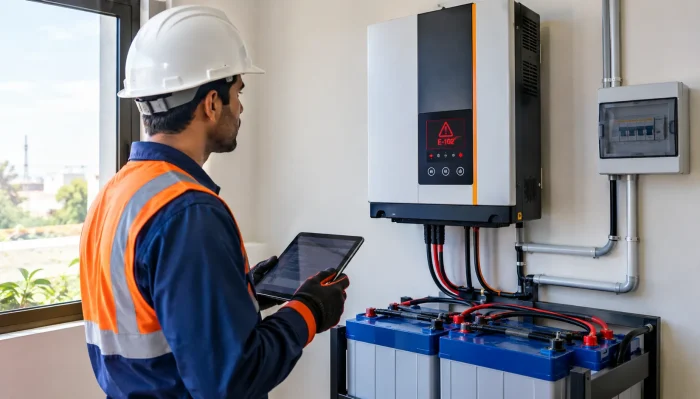
- Checking inverter performance to ensure proper energy conversion
- Inspecting wiring connections for safety and efficiency issues
- Monitoring energy output to detect sudden performance drops
- Looking for cracks, hot spots, or shading issues on panels
- Ensuring mounting structures remain secure and stable
In addition to these steps, it is highly recommended to schedule annual professional inspections. A qualified technician can identify hidden issues early, prevent costly repairs, and ensure your system continues to perform at its best.
Most importantly, always hire a professional solar installer or certified solar service provider for installation, maintenance, and repair work. Professional handling ensures safety, correct system performance, and long-term reliability of your solar investment.
Proper maintenance combined with expert support helps your solar system deliver consistent energy production and maximum savings throughout its lifespan.
Are Automatic Solar Panel Cleaning Systems Worth It?
Some commercial properties use automated cleaning systems that spray water or use robotic brushes.
These systems may be useful for:
- Large solar farms
- Industrial installations
- Areas with severe dust buildup
However, for most residential homes, manual or periodic professional cleaning is more cost-effective.
Understanding the Balance Between Cleaning and Cost
Some homeowners clean their solar panels too frequently, while others completely neglect proper maintenance. Both approaches can lead to problems—either unnecessary costs or reduced system efficiency over time.
This is why it is important to understand the true cost of solar panel maintenance and set a balanced cleaning schedule. Maintenance costs are generally low compared to the long-term energy savings, but they still depend on factors like system size, location, dirt levels, and whether you choose DIY cleaning or professional services.
The ideal balance depends on:
- Local climate
- Electricity savings
- Cleaning costs
- Panel exposure
If cleaning costs exceed energy savings, excessive cleaning may not be necessary.
Monitoring solar output regularly helps determine the best maintenance schedule.
Conclusion
So, how many times a year should solar panels be cleaned?
For most homes, cleaning solar panels 2 to 4 times annually is enough to maintain strong performance. However, homes in dusty, polluted, or dry environments may require cleaning every 1 to 3 months.
Regular cleaning improves efficiency, lowers electricity costs, and protects your solar investment for the long term.
The best approach is to monitor your system’s performance and inspect panels regularly for visible dirt or debris. Whether you choose DIY cleaning or professional services, proper maintenance ensures your solar panels continue generating clean, reliable energy for years to come.
By understanding:
- how often do solar panels need cleaning
- how often should solar panels be cleaned
- how often do solar panels need to be cleaned
you can create a maintenance routine that maximizes both performance and savings.
FAQs
How often should solar panels be cleaned?
Most residential solar panels should be cleaned 2 to 4 times per year. Dusty or polluted environments may require more frequent cleaning.
Can rain clean solar panels properly?
Rain helps remove loose dust but cannot fully clean bird droppings, sticky grime, or pollution residue.
How many days should solar panel cleaning be scheduled?
In dusty areas, inspections every 30 to 60 days are recommended. Cleaning frequency depends on local conditions and panel performance.
Do dirty solar panels reduce efficiency?
Yes. Dirt and debris block sunlight, reducing energy production and overall system efficiency.
Is professional solar panel cleaning worth it?
Professional cleaning is beneficial for large systems, difficult roof access, and heavily soiled panels. It also reduces safety risks.
Can I clean solar panels myself?
Yes, but use soft water, mild soap, and non-abrasive materials. Avoid pressure washers and harsh chemicals.
What happens if solar panels are never cleaned?
Over time, dirt buildup can significantly reduce electricity generation and may shorten the lifespan of the system.
What is the best season for solar panel cleaning?
Spring and summer are ideal because dust and pollen buildup are usually highest during these seasons.