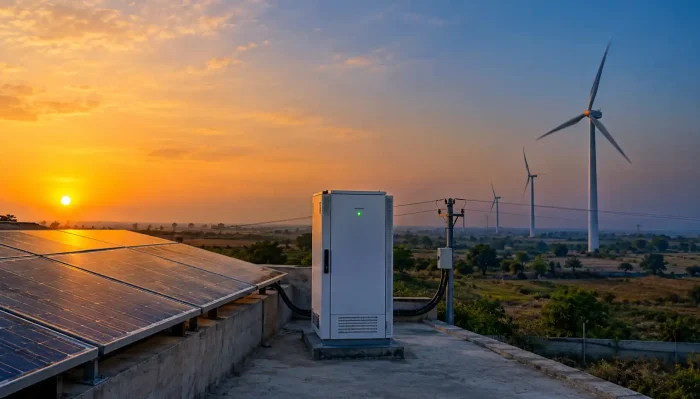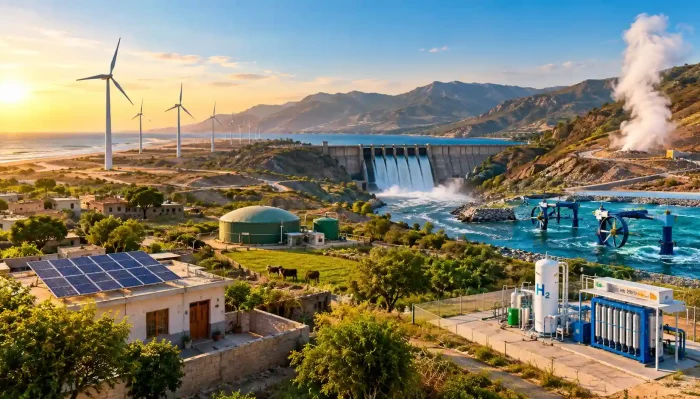
The demand for clean and renewable energy is increasing rapidly across the world, especially in countries like Pakistan where electricity costs and load shedding remain major concerns. In this situation, solar energy has become one of the most reliable and cost-effective solutions for homes, businesses, and industries.
At the center of every solar power setup is the solar inverter system, a device that plays a crucial role in converting solar energy into usable electricity. Without it, solar panels alone cannot power your appliances.
A solar inverter system is often called the “brain” of a solar installation because it manages, converts, and distributes electricity efficiently. As solar technology continues to evolve in 2026, inverter systems have become smarter, more efficient, and more affordable than ever before.
This guide will explain everything in simple language, including how solar inverter systems work, their types, advantages, disadvantages, and real-world applications.
What is a Solar Inverter System?
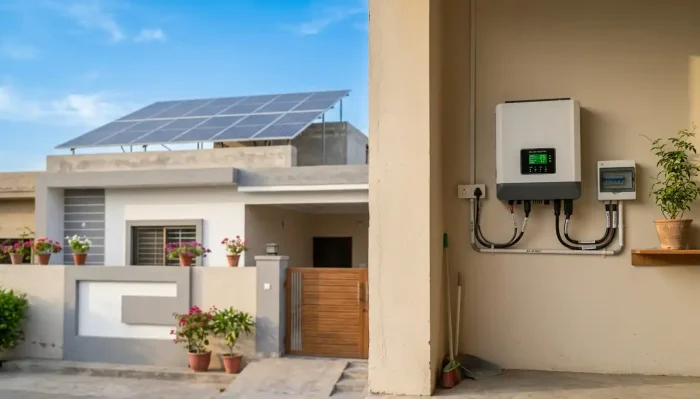
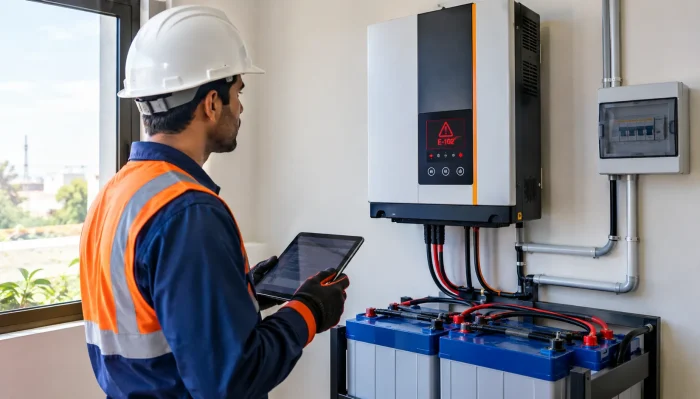
A solar inverter system is an essential device used in solar energy setups to convert the electricity generated by solar panels into usable power for homes and businesses. It’s important to understand how long solar inverters last in Pakistan
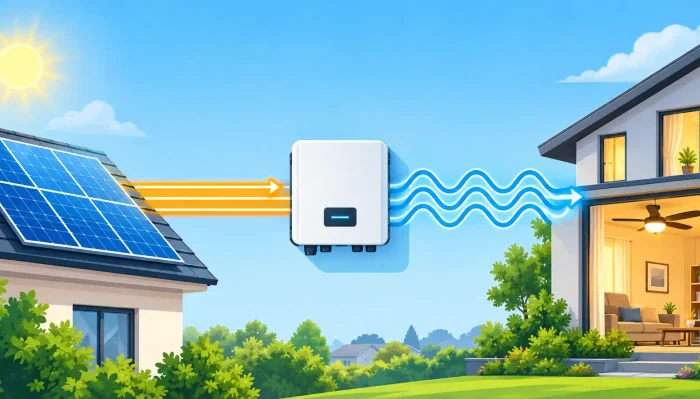
Solar panels produce electricity in the form of Direct Current (DC), but most appliances operate on Alternating Current (AC). The inverter’s main job is to convert DC into AC so that the electricity can be used safely and efficiently.
Main Types of Solar Inverter Systems
On-Grid Inverter System
- Connected directly to the main electricity grid
- Works with the net metering system
- Known as an on-grid solar inverter system for efficient energy export and import
- Best for urban areas with a stable electricity supply
- No battery required, making it more cost-effective
- Allows users to send extra electricity back to the grid
Off-Grid Inverter System
- Works independently without connection to the main electricity grid
- Uses battery storage for energy backup
- Known as an off-grid solar inverter system for complete energy independence
- Ideal for remote areas with no or weak electricity supply
- Requires proper battery management for continuous power
- Provides reliable backup during long power outages
Hybrid Inverter System
- Combines both grid connection and battery storage
- Known as a solar hybrid inverter system for maximum flexibility
- Provides backup power during electricity outages
- Most advanced and efficient option for modern energy needs
- Automatically manages power between solar, grid, and battery
- Ensures uninterrupted and optimized energy supply
A solar inverter system ensures smooth energy flow and maximum utilization of solar power.
How Does a Solar Inverter Operate?
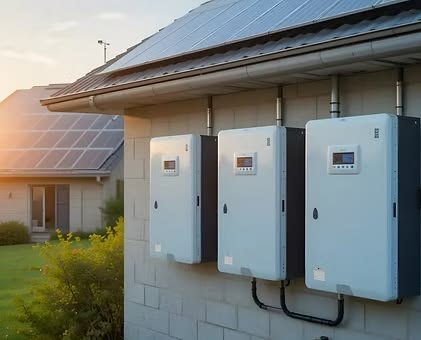
Understanding how a solar inverter operates is important to know how solar energy becomes usable electricity in your home.
Step-by-Step Working Process
Solar Panels Capture Sunlight
Solar panels absorb sunlight and convert it into DC electricity.
DC Electricity is Sent to the Inverter
The generated DC power flows into the solar inverter system.
Conversion into AC Power
The inverter converts DC into AC electricity using advanced electronic circuits.
Power Distribution
The converted electricity is distributed to home or business appliances.
Excess Energy Handling
- On-grid: sent to the electricity grid
- Hybrid/off-grid: stored in batteries
Role of MPPT Technology
Modern inverters use Maximum Power Point Tracking (MPPT) to extract the highest possible energy from solar panels, improving efficiency significantly.
In simple terms, the inverter acts as a smart controller that ensures energy is used in the most efficient way possible
You can get more information about solar panels through the National Renewable Energy Laboratory (NREL)
Types of Solar Inverter Systems Explained
Choosing the right inverter system depends on energy needs, budget, and location.
1. On-Grid Solar Inverter System
- Directly connected to the national grid
- No battery required
- Allows net metering benefits
- Low cost and high efficiency
2. Off-Grid Solar Inverter System
- Independent energy system
- Works with batteries
- Useful in areas with no electricity supply
- Requires regular battery maintenance
3. Hybrid Solar Inverter System
- Combines both grid and battery
- Works as a solar hybrid inverter system for maximum flexibility
- Provides backup power during outages
- Highly efficient and smart energy management
- Best for modern homes and businesses
A comparison of these systems helps users make informed decisions based on their needs.
What is a Solar Inverter Used For?
A solar inverter system is used in many applications beyond just homes. It is a versatile energy solution for different sectors.
Common Uses:
- Powering household appliances (fans, lights, ACs, refrigerators)
- Running commercial buildings and offices
- Supporting industrial machinery
- Agricultural applications like tube wells and irrigation
- Providing backup power during load shedding
Solar inverters play a major role in reducing electricity bills and improving energy independence.
Advantages of Solar Inverter Systems
Solar inverter systems offer multiple benefits, making them a popular choice worldwide.
Key Advantages:
- Lower electricity bills
- Renewable and eco-friendly energy source
- Reduces dependence on grid electricity
- Long-term cost savings
- Low maintenance requirements
- Supports net metering (in on-grid systems)
With rising energy costs, solar inverter systems provide financial relief and environmental benefits at the same time.
What Are the Disadvantages of a Solar Inverter?
Despite their benefits, solar inverter systems also have some limitations that should be considered.
Main Disadvantages:
- High initial installation cost
- Battery replacement cost (for hybrid/off-grid systems)
- Efficiency depends on sunlight availability
- Performance reduces in cloudy or rainy weather
- Requires technical maintenance and monitoring
While these disadvantages exist, technological advancements are continually improving inverter efficiency and durability. For deeper insights and global renewable energy research, you can refer to the International Renewable Energy Agency (IRENA).
Latest Trends in Solar Inverter Technology (2026)
Solar inverter systems have become more advanced with modern innovations.
Key Trends:
- Smart inverters with AI-based monitoring
- Mobile app control and remote monitoring
- Higher energy conversion efficiency
- Improved lithium-ion battery integration
- IoT-enabled performance tracking
- Hybrid systems combining multiple energy sources
These advancements make solar energy more reliable, efficient, and user-friendly than ever before.
How to Choose the Right Solar Inverter System
Selecting the right system is important for long-term performance.
Expert Tips:
- Analyze your daily energy consumption
- Choose between on-grid, off-grid, or hybrid systems
- Select trusted brands with warranty support
- Ensure proper installation by certified technicians
- Consider future expansion needs
A well-chosen solar inverter system ensures maximum savings and performance over time.
Maintenance Tips for Better Performance
Proper maintenance increases the lifespan of your solar inverter system.
Maintenance Practices:
- Regular inspection of wiring and connections
- Cleaning dust from the inverter and panels
- Monitoring system performance regularly
- Checking battery health (if applicable)
- Scheduling professional servicing
Good maintenance and proper solar installation services ensure stable performance and long-term reliability.
A solar inverter system is the most important component of any solar power setup. It converts solar energy into usable electricity and ensures efficient energy distribution for homes, businesses, and industries.
With increasing electricity costs and energy challenges, solar technology is becoming a long-term solution for energy independence. Whether you choose an on-grid, off-grid, or hybrid system, the right inverter can significantly improve efficiency and reduce expenses.
As technology continues to evolve in 2026, solar inverter systems are becoming smarter, more efficient, and more accessible. Investing in solar energy today means securing a sustainable and cost-effective future.
To support this transition, Progressive Ventures is offering reliable solar inverter system installation, maintenance, and support services for residential, commercial, and industrial projects, ensuring smooth performance and long-term energy efficiency.
FAQS
What is a solar inverter system?
A solar inverter system is an essential device in a solar power setup that converts the electricity produced by solar panels into usable electricity for homes and businesses. Solar panels generate Direct Current (DC), but most appliances work on Alternating Current (AC). The inverter performs this conversion, making solar energy practical and usable in daily life. It also manages power flow between solar panels, batteries, and the electricity grid depending on the system type.
How does a solar inverter operate?
A solar inverter operates by first receiving DC electricity from solar panels. Inside the inverter, advanced electronic components convert this DC power into AC power. This AC electricity is then supplied to household or commercial appliances. In modern systems, smart features like MPPT (Maximum Power Point Tracking) help extract maximum energy from solar panels. If extra electricity is generated, it is either stored in batteries (off-grid/hybrid systems) or sent back to the grid (on-grid systems).
What is a solar inverter used for?
A solar inverter is used to make solar energy usable for everyday electrical needs. It powers home appliances like fans, lights, air conditioners, and refrigerators. In commercial and industrial setups, it supports machinery, office systems, and production units. It is also widely used in agriculture for tube wells and irrigation systems. Additionally, solar inverters provide backup electricity during power outages, helping reduce dependence on traditional grid electricity.
What are the disadvantages of a solar inverter?
While solar inverters are highly beneficial, they also have some limitations. The initial installation cost can be high, especially when batteries are included in the system. Off-grid and hybrid systems require battery replacements over time, which increases maintenance costs. Solar performance also depends on sunlight availability, so efficiency may drop during cloudy or rainy weather. Additionally, some systems require regular technical maintenance and professional monitoring to ensure long-term performance.
Which solar inverter system is best?
The best solar inverter system depends on your energy needs and location. On-grid systems are ideal for urban areas where electricity supply is stable and net metering is available. Off-grid systems are best for remote areas with no access to electricity. However, hybrid solar inverter systems are generally considered the most efficient and flexible because they combine both grid connectivity and battery backup, ensuring uninterrupted power supply even during outages.