Have you ever asked yourself what happens to solar power when batteries are full to all the excess energy your panels produce when your batteries are fully charged? That’s a typical query for lots of solar lovers who likewise have battery-storage system setups. When the sun shines and your panels are producing power, is there a lot of excess power that your electrical system has to handle? Well, this response depends on your particular solar setup and if you’re linked to the utility grid.
At the point that your battery reaches its capacity limit, a correctly wired solar system shall not continue to dump power into it. Instead, the charge controller or inverter will restrict it, reducing or ceasing the dump of power into your battery. This additional power can be utilized in your appliances, exported as excess, or curtailed.
After you’ve decided how you’ll use the excess solar energy, you will then be able to select the most appropriate battery, inverter, and energy-management system.
What Occurs if The Solar Battery is Totally Charged?
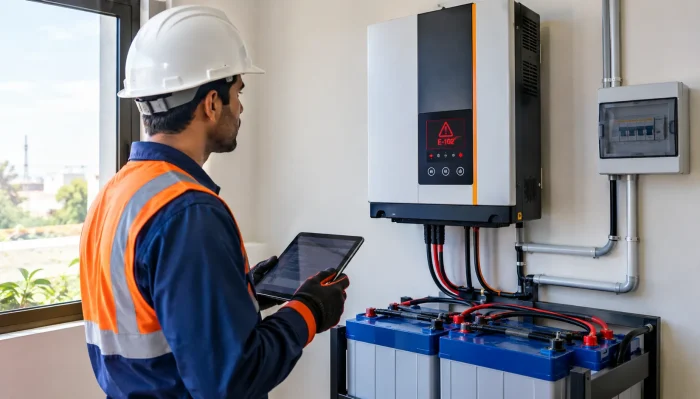
Effectively, the BMS is working to take away the danger of overcharging anyway. High-quality solar batteries now include charging controllers that may determine current, voltage, temperature, and the state of charge. When the battery is full, it will change into cost mode, and you’ll be able to use it.
In that case, if your house is using 2 kW with a full battery, you’ll be using 2 kW as you’re producing 5 kW, so the other 3 kW can get dumped into the house directly, but what do you get from the other 3 kW? That is, either you are going to get exported to the grid or offloaded, depending on your installation. Here’s the breakdown: your inverter may still control the amount of solar you produce and which direction it will go; it won’t be 100%. More about solar panels, you can get guidance through the World Bank Solar Energy and Renewable Power Insights
Excess Energy May Be Sent to the Grid
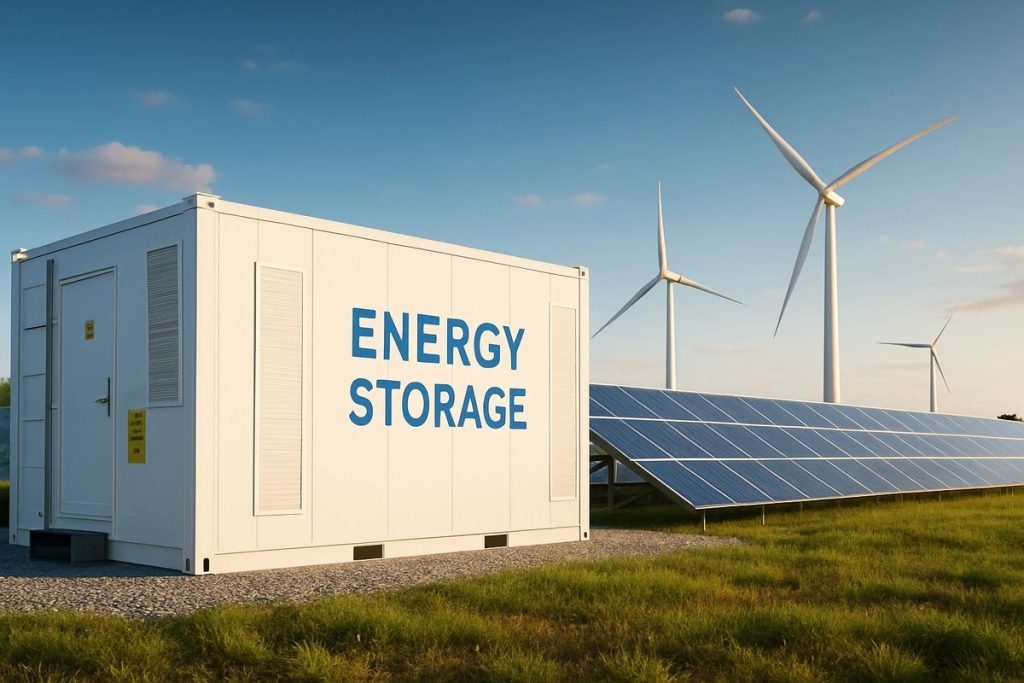
Have Unused Solar Power? If your solar system is grid-connected and your local policies permit it, you may be able to sell some of the power your solar system generates to your utility. This is called net metering or net billing.
The monetary value of your excess power depends on your electric utility and your local policies and solar contract. Are you wondering whether you’ll be paid for unused solar power?
The System May Reduce Solar Production
You asked, “What can I do to prevent my panels from having nowhere to send their energy?” Well, your system may curtail, or limit, your solar panel energy generation. In basic terms, your system may turn down your solar panels so they don’t generate additional power for a time, since the excess solar electricity can’t be used or transferred elsewhere. How do you feel about controlling the solar panel generation to meet your home’s needs?
This process is controlled by:
- Solar charge controllers
- Hybrid inverters
- Battery Management Systems (BMS)
Also Read: Best batteries for solar panels
Why Does a Solar System Stop Charging a Full Battery?
Did you know that batteries are not able to accept endless power? And if we allow a battery to be constantly charged with electricity, it can be damaged, get too hot, and experience dangerous chemical reactions. The good news is, batteries in a solar battery system include battery management and charge controls.
When your battery approaches full capacity, the charger decreases or stops the charging process. This clever technique helps preserve and prolong your battery’s life. The inverter and the battery management system work hand-in-hand to determine the ideal amount of power to be supplied to the battery.
Sometimes the system may maintain the battery at a below-maximum state of charge rather than run it to max all the time. I wonder why. That has everything to do with the chemistry of the battery, defaults by the manufacturer, inverter settings, and the energy-management plan.
Can a Solar Battery Be Overcharged?
Solar battery overcharge today? In a modern-day solar system, is it possible to supply excess charge to the battery? Now, the installation of a modern solar system safeguards against this, or at least it should, after all. The battery management system kicks in to avoid overcharging, or it should.
But hang on! Don’t go to sleep on the safety controls. Safety issues can occur if you make a wiring mistake, select unsuitable gear, use broken parts, install it poorly, or if your battery is damaged. For that reason, solar batteries must be installed correctly as per the manufacturer’s instructions.
Thinking of hacking away at your battery charging set point? Just don’t. Don’t try this yourself unless you really know what you’re doing. The potential headaches with this do not outweigh the peace of mind of having professional installation and maintenance.
Does Excess Solar Power Go to Waste?
Thought your solar power was going to waste once your battery was full? Think again. How much of your extra solar power is wasted depends on your system and the other energy sources available to you.
But what if you can use the electricity yourself? It’s not all ending up back in the grid. If your PV system is connected to a grid that is able to take exports, the electricity can be exported there.
Have a controllable load such as an electric water heater?
Your system can divert excess electricity there.
One more thing: if these options aren’t present, the solar inverter is capable of restricting panel output. It’s what we refer to as curtailment.
But don’t panic—this does not necessarily indicate that your solar system is not functioning properly. Curtailment can be standard practice when your solar energy generation exceeds your household’s immediate energy usage and your storage capacity—have you ever experienced this?
What Is Solar Curtailment, and Why Does It Happen?
What is solar curtailment? Did you ever notice that your solar panels aren’t using 100% of their potential? Solar curtailment is the action of reducing the use of solar energy even if you’re capable of producing all of that energy.
Curtailment Protects the System
The reality: Solar must remain within electrical limits. Your inverter, battery, wires, and grid connection are all designed to operate within certain physical capacities. By reducing your solar generation to match your demand or storage, you’re keeping everything operating within its designed electrical limits and not overfilling your storage at the same time.
Curtailment Can Increase With Oversized Solar Arrays
What if your array is too large? An oversized array will generate more power than your home can effectively use or store at certain times of the day and increase the chance of your system being curtailed more often. Don’t let this discourage you—there’s actually value in an oversized array, because solar output varies throughout the day and has the potential to produce more energy in mornings or evenings, or in less ideal sunny conditions or seasons. The question is, is it worth the extra cost?
What Happens to Excess Solar Energy Without a Battery?
How a solar system works in a home without batteries. Many solar-powered homes will not have batteries. This means the panels’ electricity will initially cover the property’s active electrical load.
Is the home wired to the utility network, and will the local program be able to provide the excess power? In this case, if a home is wired to the utility network and the local program is open for exports, it will be possible to export the excess.
So, what do we do with energy when we don’t have the battery? When we are not exporting to the grid with the battery, the inverter may shut down the solar when there is excess. That’s right, it won’t produce its maximum possible power all the time just because the sun is shining.
This is a potential advantage of battery storage. Instead, a battery offers an alternative place for the electricity produced when a household generates more than it consumes at the time.
Does a Full Battery Affect Solar Panel Performance?
A full battery won’t physically harm the panels just because the battery is full and not taking in additional energy. The inverter directs the electrical output as needed based on the system.
The panels can still be in the sun even though the system is not generating any electrical power. They are still capable of generating power when the time is right; the system is simply controlling the amount of generation that is being converted into A/C power.
Crucially, the difference is between the potential power each panel could generate at a moment in time and how much the system, as a whole, can consume, store, or export at that same time. A professionally installed system ensures safe and efficient operation.
How to Reduce Wasted Solar Energy
Start by knowing the times when your system generates the most electricity and also the times your home consumes the most. If you have monitoring software with your inverter or battery, you can view your solar generation and battery charging data, as well as your consumption and import/export from the grid.
Attempt to time the use of flexible electricity consumption to coincide with a peak in solar generation. It might also be beneficial to export excess electricity back to the grid if an attractive export deal is available.
Battery storage is another option for homes with significant evening and overnight loads to help have some use for the solar generation that happens during the day. The optimal solution will vary based on electricity rates, household needs, local grid rules, and the size of the solar. MPPT controllers are more advanced and efficient.
Conclusion
Know What Happens When the Batteries Are Full. This is just one way to make it clearer how a full solar system controls the flow of power through a home all day long. When the batteries are full, there are a few options for the excess power: use the power in the home, export it back to the grid, or let the inverter limit the power when there’s nowhere for it to go.
Achieve the perfect balance. Efficient system design means minimizing excess electricity that ends up being wasted. A good balance between an optimized inverter and smart load management, where batteries and overall system capacity support your household’s consumption, ensures there are minimal restrictions on your solar investment. The benefit of solar can be further realized by fine-tuning the capacity of your system.
At Progressive Ventures, we provide complete solar solutions, including solar panel installation, solar battery installation, hybrid solar systems, inverter setup, and system maintenance for residential and commercial users across Pakistan.
Our team helps customers design reliable solar systems that maximize energy savings, improve efficiency, and provide long-term performance. Contact us today to get expert advice for your solar energy needs.
FAQs
Is It Bad to Limit Solar Power?
No, limiting solar power is not necessarily a bad thing. Solar curtailment is a normal control function that reduces the amount of power your system produces when excess energy cannot be used or exported to the grid. This does not mean your solar panels are damaged. Instead, it helps the system manage power safely and efficiently.
Is a larger battery removing excess solar?
Actually, yes. Battery capacity is limited to how much excess power it can hold, but once it’s full, it still requires somewhere to direct that additional solar production. Home consumption and exporting to the grid can also influence the level of curtailment.
Is there any way to put out the excess solar power after the sun goes down?
Yes, if it’s been stored in a battery. You can store the power produced by the solar panels during the day and supply it to the loads of the house when the panels produce very little or no power at all.
Why is my solar system underperforming even on a sunny day?
High sunlight doesn’t always mean the system is producing at its maximum potential output; for example, if the battery is full, demand is low in the house, there is a limit on exporting to the grid, there is an inverter setting, or there are other system-limiting factors.