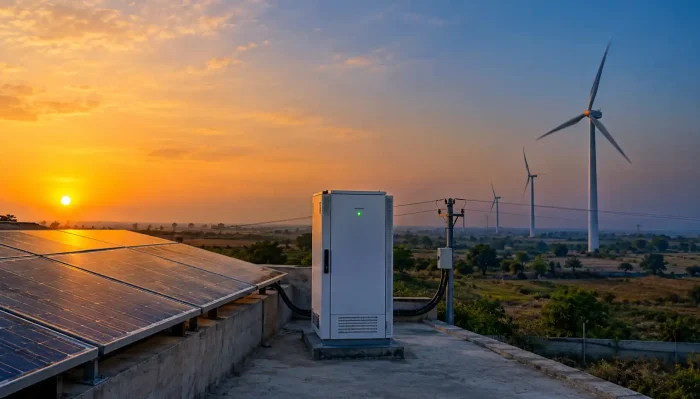
Solar energy has become one of the most reliable and cost-effective ways to reduce electricity bills and achieve energy independence. However, solar panels alone only generate electricity when the sun is shining. To make the most of your solar investment, you need a dependable way to store excess energy for use at night or during power outages. This is where solar batteries for solar panels play a crucial role.
Whether you own a residential, commercial, or off-grid solar system, choosing the right battery can improve efficiency, increase backup power, and maximize long-term savings. Modern solar batteries are more efficient, longer-lasting, and smarter than ever before, making them an essential component of today’s renewable energy systems.
In this guide, you’ll learn what are solar batteries, how they work, the different battery technologies available, and how to select the best battery for a solar power system based on your energy needs.
What Are Solar Batteries?
Table of Contents
ToggleSolar batteries are energy storage devices that collect excess electricity generated by solar panels during the day and store it for later use. Instead of sending all unused electricity back to the grid, the battery keeps it available for nighttime use or during power outages.
How Solar Batteries Work
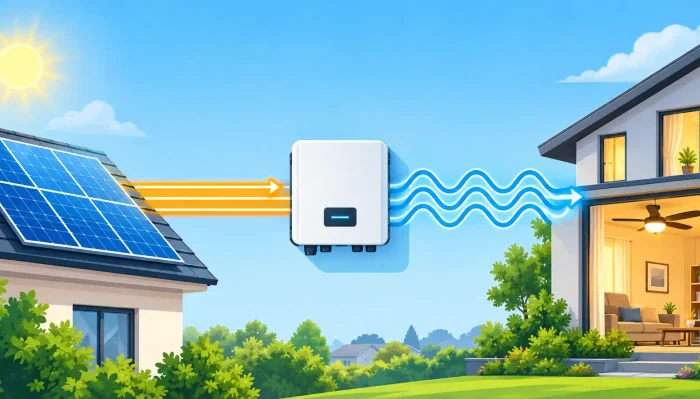
A solar battery charges whenever your solar panels produce more electricity than your home or business consumes. The stored electricity can then be discharged whenever solar production drops, such as after sunset or during cloudy weather.
The process works in four simple steps:
- Solar panels generate electricity from sunlight.
- Your home uses the electricity it needs.
- Extra electricity charges the solar battery.
- The stored energy powers your appliances when solar production stops.
This system improves energy efficiency and reduces reliance on the electricity grid.
Why Solar Systems Need Batteries
While many grid-connected solar systems can operate without batteries, adding a battery for a solar panel system offers several advantages.
Benefits include:
- Backup electricity during load shedding
- Better use of self-generated solar energy
- Lower electricity costs
- Increased energy independence
- Reduced dependence on utility companies
For homeowners in areas with frequent power interruptions, batteries provide valuable peace of mind.
Benefits of Solar Batteries for Solar Panels
Adding batteries for solar panels is more than just storing electricity. It significantly improves the overall performance and reliability of your solar energy system.
Store Excess Solar Energy
Instead of letting unused electricity go to waste, batteries store surplus energy generated during sunny hours for later use in the day.
Reduce Electricity Bills
By using stored solar energy during evening peak hours, homeowners purchase less electricity from the utility company, reducing monthly electricity expenses.
Reliable Backup During Power Outages
One of the biggest advantages of solar batteries for backup power is uninterrupted electricity when the grid goes down.
Essential appliances such as:
- Lights
- Fans
- Refrigerators
- Internet routers
- Security systems
can continue operating without interruption.
Greater Energy Independence
A battery-powered solar system reduces dependence on electricity providers while allowing homeowners to use more of the clean energy they generate themselves.
Environmentally Friendly
Using stored renewable energy instead of fossil fuel-powered generators reduces carbon emissions and supports a cleaner environment. According to the International Energy Agency, renewable energy technologies such as solar power play an important role in reducing dependence on fossil fuels and supporting a cleaner energy future.
Using solar batteries allows homeowners to maximize clean energy usage while reducing their environmental impact.
What are the benefits of solar batteries?
Solar batteries store excess electricity generated by solar panels for later use. They reduce electricity bills, provide backup power during outages, increase energy independence, improve solar efficiency, and help homeowners maximize their investment in renewable energy.
Types of Solar Batteries
Choosing the right battery technology directly affects your system’s performance, lifespan, and return on investment.
Lithium-Ion Batteries
Lithium-ion batteries are currently considered the best battery technology for solar panels due to their excellent efficiency and long service life.
Advantages
- High charging efficiency
- Lightweight design
- Compact size
- Fast charging
- Long lifespan (10–15 years)
- Minimal maintenance
Best For
- Residential solar systems
- Commercial installations
- Hybrid solar systems
Although lithium batteries have a higher initial cost, they generally provide the best long-term value.
Lead-Acid Batteries
Lead-acid batteries have been used in solar applications for decades and remain a budget-friendly option.
Advantages
- Lower purchase cost
- Proven technology
- Widely available
- Reliable performance
Limitations
- Shorter lifespan
- Lower efficiency
- Regular maintenance required
- Larger installation space
Best For
- Small solar systems
- Budget-conscious homeowners
- Temporary installations
Gel Batteries
Gel batteries use a silica-based electrolyte instead of liquid acid, making them safer and maintenance-free.
Advantages
- Sealed design
- Spill-proof
- Good performance in hot climates
- Longer lifespan than traditional flooded batteries
Best For
- Residential backup systems
- Remote installations
AGM Batteries
Absorbent Glass Mat (AGM) batteries are another sealed lead-acid technology designed for improved durability and reduced maintenance.
Advantages
- Maintenance-free
- Good vibration resistance
- Faster charging than flooded batteries
- Affordable pricing
Best For
- Small backup systems
- Solar lighting
- Recreational vehicles
Solar Battery Comparison
| Battery Type | Lifespan | Efficiency | Maintenance | Best For |
|---|---|---|---|---|
| Lithium-Ion | 10–15 Years | 90–95% | Very Low | Homes, Businesses, Hybrid Systems |
| Lead-Acid | 3–7 Years | 70–85% | High | Budget Solar Systems |
| Gel Battery | 5–10 Years | 80–90% | Low | Backup Power |
| AGM Battery | 4–8 Years | 80–90% | Low | Small Solar Installations |
For most modern installations, lithium-ion remains the best battery for a solar power system because of its high efficiency, longer lifespan, and minimal maintenance requirements.
Solar Batteries for Off-Grid Homes
For homes located in remote areas without access to the national electricity grid, solar batteries for off-grid homes are an essential part of the solar power system. They store enough electricity to keep your home running during the night and on cloudy days when solar panels generate less energy.
A well-designed off-grid system typically includes:
- Solar panels
- Charge controller
- Solar inverter
- Battery bank
- Monitoring system
The battery bank should be sized based on your daily electricity consumption and the number of backup days you require. Choosing a high-capacity lithium-ion battery can improve efficiency, reduce maintenance, and provide reliable long-term performance.
Solar Batteries for Backup Power
Power outages can disrupt daily life, especially in regions with frequent load shedding. Installing solar batteries for backup power ensures your essential appliances continue operating even when the utility grid fails.
A battery backup system can power:
- LED lighting
- Fans
- Refrigerators
- Wi-Fi routers
- Security systems
- Televisions
- Laptops and mobile device chargers
- Medical equipment (depending on battery size)
For households that experience regular power interruptions, a hybrid solar system with battery storage offers greater energy security and convenience.
Solar Battery vs. Generator
Many homeowners compare battery storage with traditional generators when looking for backup power. While both provide electricity during outages, solar batteries offer several long-term advantages.
| Feature | Solar Battery | Generator |
|---|---|---|
| Fuel Required | No | Yes |
| Noise Level | Silent | Loud |
| Maintenance | Low | High |
| Running Cost | Very Low | High |
| Emissions | None | Produces Exhaust |
| Automatic Operation | Yes | Usually Manual |
| Lifespan | 10–15 Years (Lithium) | 5–10 Years |
Although generators may have a lower upfront cost in some cases, ongoing fuel expenses and maintenance can make them more expensive over time. Solar batteries provide a cleaner, quieter, and more sustainable solution.
Common Mistakes to Avoid When Buying Solar Batteries
Choosing the wrong battery can reduce your solar system’s performance and increase long-term costs. Avoid these common mistakes:
Buying the Cheapest Battery
A low purchase price may seem attractive, but inexpensive batteries often have shorter lifespans and lower efficiency. Focus on quality, warranty, and performance instead of price alone.
Ignoring Battery Capacity
Selecting a battery with insufficient storage can leave you without enough backup power during outages. Calculate your daily energy needs before making a purchase.
Overlooking Warranty
A comprehensive warranty reflects the manufacturer’s confidence in the product. Compare warranty length, cycle life, and performance guarantees before deciding.
Mixing Old and New Batteries
Combining batteries of different ages or technologies can reduce system efficiency and shorten battery life. Always use matching batteries within the same bank.
Forgetting Future Expansion
If you plan to increase your solar panel capacity later, choose a battery system that can be expanded without replacing the entire setup.
Solar Battery Maintenance Tips
Regular maintenance helps maximize battery performance and extends its lifespan.
Keep Batteries Clean
Dust, dirt, and corrosion around battery terminals can affect performance. Inspect and clean connections periodically.
Ensure Proper Ventilation
Although many modern batteries are sealed, installing them in a cool, well-ventilated location helps maintain optimal operating temperatures.
Avoid Deep Discharge
Frequently draining a battery beyond its recommended Depth of Discharge (DoD) can shorten its lifespan. Follow the manufacturer’s guidelines.
Monitor Battery Performance
Many modern batteries include monitoring apps or display panels that track charging, discharging, and overall system health. Reviewing this data regularly can help identify issues early.
Schedule Professional Inspections
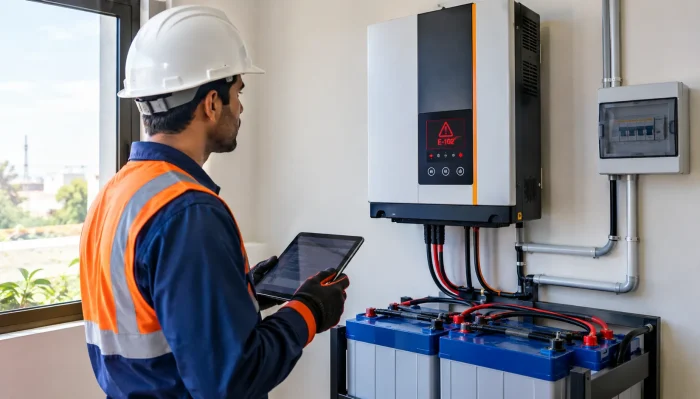
Regular inspections by qualified technicians keep your solar batteries, wiring, inverter, and system components working safely and efficiently. Always hire a certified solar installation service for proper maintenance, long-term performance, and reliable solar system operation.
Signs It’s Time to Replace Your Solar Battery
Even the best solar batteries eventually wear out. Watch for these common warning signs:
- Shorter backup time than usual
- Slower charging performance
- Frequent inverter or battery warning messages
- Reduced storage capacity
- Swollen or damaged battery casing
- Battery reaching the end of its expected lifespan
Replacing an aging battery at the right time helps maintain reliable system performance and protects other solar components.
Conclusion
Installing solar batteries for solar panels is one of the most effective ways to maximize the value of your solar energy system. Whether you want dependable backup power, lower electricity bills, or greater energy independence, the right battery can significantly improve your system’s performance.
When choosing a battery for a solar power system, consider factors such as capacity, efficiency, lifespan, warranty, and future energy needs. While lithium-ion batteries offer the best overall performance for most applications, the ideal solution depends on your budget and usage requirements.
If you’re planning a new solar installation or upgrading an existing system, consult experienced professionals to ensure you select the right battery technology for long-term reliability and savings.
Frequently Asked Questions
1. What are solar batteries used for?
Solar batteries store excess electricity generated by solar panels so it can be used at night, during cloudy weather, or when the power grid is unavailable.
2. How long do solar batteries last?
The lifespan depends on the battery type. Lithium-ion batteries typically last 10–15 years, while lead-acid batteries generally last 3–7 years with proper maintenance.
3. Which battery is best for solar panels?
Lithium-ion batteries are widely considered the best option because they offer high efficiency, longer lifespan, faster charging, and minimal maintenance.
4. Can I use solar panels without batteries?
Yes. Grid-connected solar systems can operate without batteries. However, without battery storage, excess solar energy cannot be used during power outages or at night.
5. How many solar batteries do I need for my home?
The number depends on your daily electricity usage, the size of your solar system, and how much backup power you require. A professional energy assessment can determine the appropriate battery capacity.
6. Are solar batteries worth the investment?
For many homeowners, solar batteries provide long-term value by reducing electricity bills, increasing energy independence, and supplying reliable backup power during outages.
7. Do solar batteries work during power outages?
Yes. When installed as part of a compatible hybrid or off-grid solar system, batteries automatically supply stored electricity during grid failures.
8. What is the best battery technology for solar panels?
Lithium-ion technology is currently regarded as the best due to its superior efficiency, long cycle life, compact design, and low maintenance requirements.