With more homeowners switching to renewable energy, many people ask, what appliances cannot be used with solar power? The good news is that a properly designed solar energy system can operate most household appliances. However, some high-power appliances require a larger solar array, a higher-capacity inverter, and sufficient battery storage to run efficiently.
A common misconception is that solar panels cannot power certain appliances. In reality, the limitation is usually the size and design of the solar system rather than the appliance itself. Understanding your home’s energy consumption and appliance wattage is essential before installing a solar power system.
In this guide, you’ll learn what appliances cannot be powered by solar panels, which appliances demand the most electricity, and how to choose the right solar system to meet your household’s energy needs.
Can a Solar System Run All Household Appliances?
Table of Contents
ToggleYes, a properly sized solar system can run almost all household appliances. However, high-power appliances such as electric furnaces, large air conditioners, electric water heaters, and pool heaters require a larger solar panel system, a powerful inverter, and adequate battery storage. The ability to run every appliance depends on your energy usage, available sunlight, and system capacity.
Many homeowners wonder whether investing in solar means giving up the convenience of modern appliances. Fortunately, today’s solar technology is capable of powering nearly every appliance found in a typical home when the system is correctly designed.
The key factors that determine appliance compatibility include:
- Total daily electricity consumption
- Solar panel capacity
- Inverter size
- Battery storage (for nighttime use)
- Peak sunlight hours in your location
Instead of asking whether solar panels can power a specific appliance, it’s more useful to ask whether your solar system is large enough to support that appliance’s energy demand.
Appliance Compatibility at a Glance
| Appliance | Can Solar Power It? |
|---|---|
| LED Lights | Yes |
| Ceiling Fans | Yes |
| Refrigerator | Yes |
| Television | Yes |
| Washing Machine | Yes |
| Microwave Oven | Yes |
| Air Conditioner | With Proper System |
| Electric Oven | Large System Required |
| Electric Water Heater | High Energy Demand |
| Electric Furnace | Usually Impractical for Average Systems |
| Pool Heater | Very Large Solar System Needed |
The table shows that most household appliances can operate on solar power. The difference lies in how much electricity they consume and whether your system can meet that demand.
How Solar Panels Power Household Appliances
Understanding how solar energy works makes it easier to see why some appliances require larger systems than others.
Solar Panels Generate Electricity
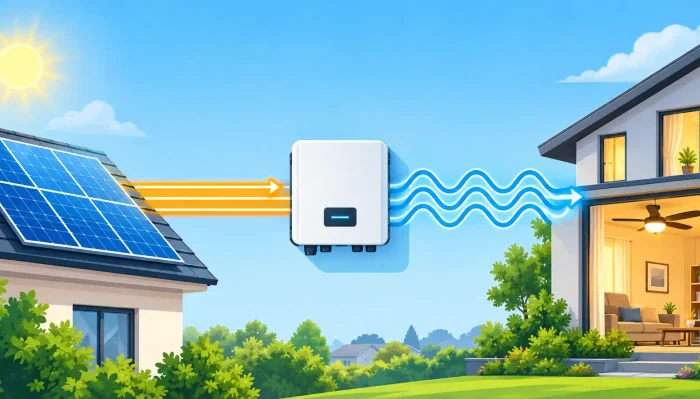
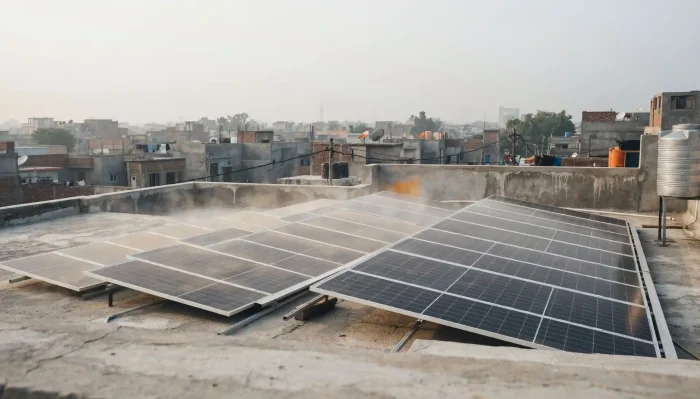
Solar panels absorb sunlight and convert it into direct current (DC) electricity using photovoltaic (PV) cells. The more sunlight your panels receive, the more electricity they generate.
Installing additional panels increases your system’s energy production, allowing it to support more appliances and reduce reliance on grid electricity.
The Solar Inverter Powers Your Home
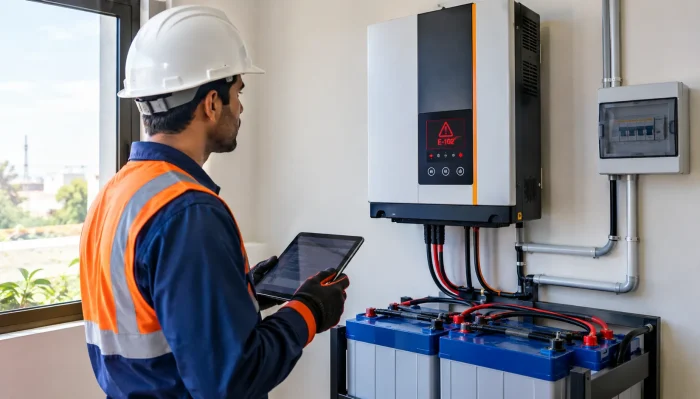
Household appliances use alternating current (AC) electricity, while solar panels produce DC electricity.
A solar inverter converts DC electricity into AC electricity, making it safe for everyday appliances such as:
- Refrigerators
- Air conditioners
- Televisions
- Washing machines
- Computers
- Kitchen appliances
If your inverter isn’t large enough, it may not handle multiple high-power appliances running at the same time.
Solar Batteries Store Excess Energy
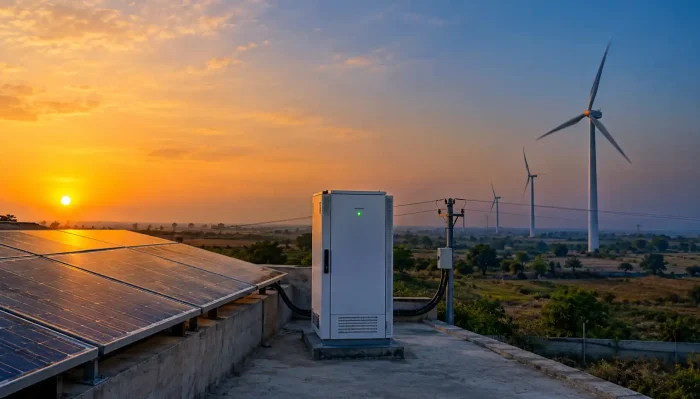
Battery storage allows homeowners to use solar electricity after sunset or during power outages.
Instead of exporting unused electricity back to the grid, batteries store excess energy generated during the day. This stored electricity can then power appliances at night, improving energy independence and reducing electricity bills.
If you’re considering adding battery storage, it’s also helpful to understand which solar battery is best for your energy needs before selecting the right system for your home.
What Appliances Cannot Be Used with Solar Power?
Contrary to popular belief, there are very few appliances that cannot be powered by solar panels. The real challenge isn’t compatibility; it’s electricity consumption. Some appliances simply require so much power that an average residential solar system may struggle to operate them efficiently without additional panels, batteries, or a larger inverter.
Let’s look at the appliances that typically require the most energy.
Electric Resistance Heaters
Electric space heaters and resistance heaters consume large amounts of electricity for extended periods. Running them entirely on solar often requires a much larger solar array and significant battery storage.
Large Central Air Conditioning Systems
Modern inverter air conditioners are far more energy-efficient than older models, but large central AC systems can still consume substantial power, especially during hot summer months.
A properly sized solar system can run an air conditioner, but undersized systems may struggle during periods of peak demand.
Electric Furnaces
Electric furnaces are among the highest electricity-consuming appliances found in homes. Because they run continuously during colder months, they are generally not practical for average residential solar installations.
Electric Water Heaters
Traditional electric water heaters draw significant power throughout the day. Many homeowners reduce electricity consumption by switching to solar water heaters or heat pump water heaters instead.
Electric Pool Heaters
Swimming pool heaters require continuous heating and can consume thousands of watts every hour. Operating them solely with solar power often requires a dedicated, high-capacity solar installation.
Commercial Kitchen Equipment
Large commercial ovens, industrial refrigerators, deep fryers, and restaurant equipment are designed for continuous heavy-duty operation. These appliances usually require commercial-scale solar systems rather than standard residential installations.
Industrial Machinery
Manufacturing equipment, industrial compressors, welding machines, and heavy motors often exceed the capacity of residential solar systems due to their extremely high starting and operating power requirements.
Key Takeaway: Most household appliances can run on solar power with the right system size. The appliances that are hardest to operate are those with continuous, high electricity demands rather than those that are inherently incompatible with solar energy
Which Home Appliances Are Not Suitable for Solar Power?
Many homeowners ask which home appliances are not suitable for solar power. In reality, most household appliances can run on solar energy if the system is properly designed. However, certain appliances consume so much electricity that they may not be practical for an average residential solar installation without additional panels or battery storage.
These appliances include:
Electric Water Heaters
Traditional electric water heaters typically consume 3,000–4,500 watts, making them one of the largest energy users in a home. If you’re planning to install one, it’s also worth understanding how much electricity an electric water heater uses to estimate the required solar system size.
Electric Dryers
Electric clothes dryers use large heating elements that require significant power. Running them daily may require a larger solar array and inverter.
Electric Ovens
Electric ovens can consume 2,500–5,000 watts while baking or roasting. They can run on solar, but only if the system is sized to handle their high energy demand.
Large Space Heaters
Portable electric heaters are convenient during winter, but they use a considerable amount of electricity and can quickly drain battery storage.
Hot Tubs and Jacuzzis
Heating water continuously requires substantial electricity, making hot tubs one of the least solar-friendly household appliances unless you have a large solar system.
Although these appliances aren’t impossible to operate on solar power, homeowners should carefully size their solar systems to support them efficiently.
Appliances to Avoid Using with Solar Power During Peak Demand
Even a well-designed solar system has limits. Running multiple high-power appliances at the same time can overload your inverter, increase battery usage, and reduce overall system efficiency.
Some appliance combinations to avoid during peak demand include:
- Air conditioner and electric oven
- Electric water heater and clothes dryer
- Electric vehicle charging and air conditioning
- Microwave and electric kettle simultaneously
- Multiple heating appliances running together
Instead, spread heavy appliance use throughout the day to improve energy efficiency and reduce peak loads. Explore global solar energy trends from the International Energy Agency (IEA)
Tips for Better Energy Management
- Run high-power appliances during sunny hours when solar production is highest.
- Avoid operating several heating appliances simultaneously.
- Schedule washing machines and dishwashers during the daytime.
- Use energy-efficient inverter appliances whenever possible.
- Monitor your electricity usage with a smart energy management system.
These simple habits help maximize solar production while reducing the need for additional battery storage.
What Appliances Can Solar Panels Not Power Without Batteries?
One of the most common misconceptions is that solar panels continue producing electricity after sunset. In reality, solar panels only generate power when exposed to sunlight.
Without battery storage or grid electricity, solar panels cannot power appliances at night.
This means appliances such as:
- Lights
- Refrigerators
- Air conditioners
- Televisions
- Water pumps
- Wi-Fi routers
cannot operate solely from solar panels after sunset unless your system includes batteries or remains connected to the utility grid.
On-Grid Solar Systems
An on-grid system uses electricity from the grid whenever solar production isn’t available.
Hybrid Solar Systems
Hybrid systems combine solar panels with battery storage, allowing homeowners to use stored solar energy during the evening or power outages.
Off-Grid Solar Systems
Off-grid systems rely entirely on solar panels and batteries. Without sufficient battery capacity, appliances cannot operate overnight or during extended cloudy periods.
Choosing the right battery capacity is just as important as choosing the right number of solar panels. Before expanding your system, it’s helpful to understand which solar battery best suits your energy needs to ensure reliable backup power.
How to Choose Appliances for a Solar-Powered Home
Selecting energy-efficient appliances is one of the easiest ways to maximize the performance of your solar energy system.
Choose Energy-Efficient Appliances
Look for appliances with high energy-efficiency ratings. They consume less electricity while delivering the same performance.
Check Appliance Wattage
Always review an appliance’s power rating before buying it. Lower-wattage appliances place less demand on your solar system.
Upgrade to Inverter Appliances
Inverter air conditioners, refrigerators, and washing machines adjust their power consumption based on demand, making them much more solar-friendly than conventional models.
Use Heavy Appliances During the Day
Operate appliances like washing machines, dishwashers, and water pumps when your solar panels are producing the most electricity. This reduces reliance on battery storage and grid power.
Plan Your Solar System Around Your Lifestyle
Every household has different energy needs. If you expect higher electricity usage in the future, such as installing an electric vehicle charger or adding more air conditioners, design your solar system with room for expansion.
Working with a professional solar installation service ensures your system is correctly sized for both your current and future energy requirements, helping you achieve maximum efficiency and long-term savings.
Tips to Maximize Solar Power for Household Appliances
Getting the most from your solar system isn’t just about installing panels—it’s also about using electricity efficiently.
1. Install the Right System Size
Choose a solar system that matches your home’s energy needs. A professional assessment ensures the right panel capacity, inverter, and battery size.
2. Use Energy-Efficient Appliances
Inverter appliances, LED lighting, and energy-efficient refrigerators consume less electricity, allowing your solar system to power more devices.
3. Use Heavy Appliances During the Day
Operate appliances like washing machines, dishwashers, and water pumps during peak sunlight hours to maximize direct solar power.
4. Add Battery Storage
Solar batteries store excess daytime energy, providing reliable power at night and during outages.
5. Monitor Energy Usage
Track electricity consumption to identify high-energy appliances and improve overall system efficiency.
Common Mistakes Homeowners Make
Avoid these common mistakes to improve your solar system’s performance and lifespan.
1. Installing an Undersized System
A small solar system may struggle to power multiple high-energy appliances. Always size your system based on your electricity usage.
2. Ignoring Starting Power
Appliances like air conditioners, refrigerators, and water pumps require higher startup power. Ensure your inverter can handle these surge loads.
3. Running Too Many Heavy Appliances Together
Using several high-power appliances at the same time can overload your solar system and reduce efficiency.
4. Overlooking Appliance Wattage
Check an appliance’s running watts and energy efficiency before purchasing to ensure it’s compatible with your solar system.
5. Choosing the Wrong Battery Size
An undersized battery provides limited backup power. Select battery capacity based on your nighttime energy needs.
6. Not Planning for Future Needs
Consider future electricity demands, such as EV charging or additional appliances, when designing your solar system.
7. Skipping Professional Installation
Working with a professional solar installer in Pakistan ensures your solar system is correctly designed, professionally installed, and optimized for long-term performance and maximum energy savings..
Conclusion
So, what appliances cannot be used with solar power? The answer is that very few appliances are completely unsuitable for solar energy. Most household appliances can run on solar power when the system is properly designed and sized.
The main challenge is not whether an appliance can use solar energy, but whether your solar panels, inverter, and battery storage can provide enough power to operate it efficiently.
High-energy appliances such as electric furnaces, large water heaters, pool heaters, and industrial equipment require significantly larger systems compared to everyday appliances like lights, fans, refrigerators, and televisions.
Before installing or expanding a solar system, evaluate your electricity consumption, appliance requirements, and future energy plans. Choosing the right combination of solar panels, inverter capacity, and battery storage ensures reliable performance and maximum energy savings.
A professional solar assessment can help you design a system that meets your home’s needs while avoiding unnecessary costs.
Frequently Asked Questions (FAQs)
1. What appliances cannot be powered by solar panels?
Most appliances can be powered by solar panels if the system is large enough. However, high-energy appliances like electric furnaces, pool heaters, and industrial equipment may not be practical for standard residential solar systems.
2. Which home appliances are not suitable for solar power?
Appliances with very high electricity consumption, such as electric water heaters, large space heaters, electric furnaces, and pool heaters, are often less suitable for average solar installations.
3. Can a solar system run all household appliances?
Yes, a properly sized solar system can run almost all household appliances. The required system size depends on appliance wattage, daily usage, inverter capacity, and battery storage.
4. What appliances can solar panels not power without batteries?
Solar panels cannot power appliances at night without batteries or grid electricity because they only generate energy during sunlight hours.
5. Can solar panels run an air conditioner?
Yes, solar panels can run air conditioners if the system has enough capacity. Inverter AC units are more suitable because they consume less electricity compared to traditional AC systems.
6. Do I need batteries to run appliances with solar panels?
Batteries are not required for on-grid solar systems, but they are necessary for backup power and running appliances when sunlight is unavailable.