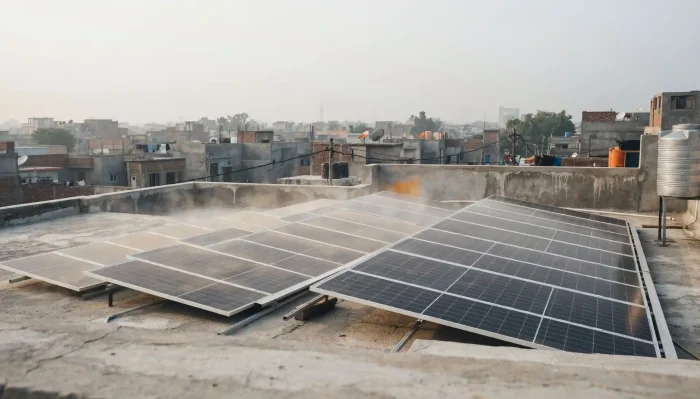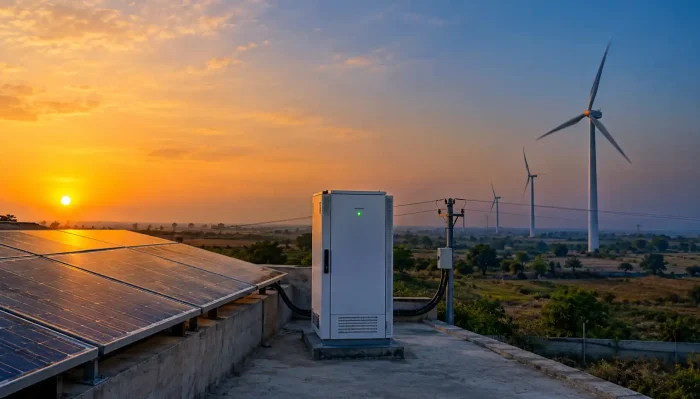
The 33 rule for solar panels is a practical design guideline that suggests increasing your estimated solar energy requirement by about 33% to compensate for real-world performance losses. These losses occur naturally in every solar system due to environmental conditions and equipment efficiency.
For example, if your home requires enough electricity to generate 10 kWh per day, applying the 33% rule means designing the system to produce approximately 13.3 kWh per day. This additional production helps ensure your energy needs are met even when conditions are less than ideal.
Many people ask, what is the 33% rule in solar panels? The answer is simple: it is a safety margin that improves the reliability of a solar system by accounting for unavoidable energy losses.
Although this rule is widely used during preliminary system planning, it does not replace a professional solar design. Experienced installers also evaluate factors such as roof orientation, peak sun hours, local climate, shading, and panel efficiency before recommending a final system size.
Understanding the 33 Rule in Simple Terms
Table of Contents
ToggleThe easiest way to understand the solar panel 33 percent rule is to think of it as planning for unexpected situations.
Imagine you need exactly 100 liters of water for a long trip. Instead of carrying only 100 liters, you bring around 133 liters to prepare for delays, spills, or higher-than-expected usage. The same idea applies to solar energy.
Solar panels rarely operate at their maximum rated output all day. Their performance changes due to:
- Cloudy weather
- High temperatures
- Dust and dirt accumulation
- Inverter conversion losses
- Cable resistance
- Partial shading
- Seasonal sunlight changes
Adding approximately 33% extra capacity helps offset these performance reductions and ensures your home continues receiving enough electricity.
This is why the 33 rule for solar panels explained is often recommended for beginners who are planning their first solar installation.
Why Is It Called the 33% Rule?
The number 33% is based on the average efficiency losses experienced in many solar installations.
A typical solar system does not convert 100% of the sunlight into usable electricity. Depending on the equipment and installation quality, total system losses often range between 20% and 35%.
Using a 33% buffer provides a practical estimate that covers most common conditions without making the system excessively oversized.
Is the 33 Rule an Official Solar Standard?
No.
One of the biggest misconceptions is that the 33 rule for solar panels is a government regulation or an official engineering requirement.
In reality, it is:
- A commonly used sizing guideline
- A planning tool for homeowners
- A way to estimate real-world energy production
- A helpful starting point before obtaining a professional design
Professional solar engineers use specialized software and site-specific measurements to calculate the ideal system size. The 33% rule simply offers a quick estimate during the planning stage.
How Does the 33 Rule Work for Solar Panels?
Many homeowners ask, how does the 33 rule work for solar panels?
The concept is straightforward.
Instead of designing your solar system to match your electricity usage exactly, you increase the required energy production by approximately one-third.
This additional capacity compensates for normal operating losses that occur every day.
For example, if your household consumes:
- 30 kWh per day
The estimated production target becomes:
30 × 1.33 = 39.9 kWh per day
That means your solar system should ideally generate about 40 kWh per day rather than only 30 kWh.
This approach helps ensure consistent performance throughout the year.
Factors the 33 Rule Helps Account For
Inverter Efficiency
Solar panels generate direct current (DC), but most homes use alternating current (AC). During this conversion, a small amount of electricity is lost.
Temperature Losses
Contrary to popular belief, extremely hot weather can reduce solar panel efficiency. High temperatures decrease power output even on sunny days.
Dust and Dirt
Dust, pollen, bird droppings, and pollution gradually reduce the amount of sunlight reaching the solar cells.
Wiring Losses
Electricity traveling through cables experiences minor resistance, leading to small energy losses.
Shading
Nearby trees, buildings, chimneys, or antennas can reduce panel output significantly, even if only part of a panel is shaded.
Weather Conditions
Cloud cover, rain, and seasonal sunlight variations naturally affect daily energy production.
Considering all these factors explains what does the 33 rule mean in solar panels and why it has become a practical sizing guideline.
How to Calculate the 33 Rule for Solar Panels
If you’re wondering how to calculate the 33 rule for solar panels, the process is simple.
Step 1: Determine Your Daily Electricity Usage
Check your electricity bill to find your average daily energy consumption.
Example:
Daily electricity use = 30 kWh
Step 2: Apply the 33% Rule
Multiply your daily consumption by 1.33.
30 × 1.33 = 39.9 kWh
Step 3: Estimate Solar System Size
Suppose your location receives 5 peak sun hours per day.
Required solar capacity:
39.9 ÷ 5 = 7.98 kW
A homeowner would likely install an 8 kW solar system to comfortably meet daily electricity needs.
Quick Formula
Required Solar Energy = Daily Electricity Consumption × 1.33
This calculation provides a realistic estimate before consulting a solar professional.
Why Is the 33 Rule Important for Solar Systems?
The 33 rule for solar panels helps homeowners avoid one of the most common mistakes in solar planning—installing a system that is too small. A system sized only for ideal conditions may struggle during cloudy weather, winter months, or periods of higher electricity use.
By adding a reasonable performance buffer, the rule improves the chances that your solar system will generate enough electricity throughout the year.
Key benefits include:
- Better system reliability in real-world conditions
- Reduced risk of electricity shortages
- Improved battery charging performance for hybrid and off-grid systems
- Greater flexibility for seasonal changes in sunlight
- More accurate long-term energy planning
- Lower dependence on grid electricity during periods of reduced solar production
For many homeowners, why the 33 rule is important for solar systems comes down to peace of mind. Designing with a modest safety margin can lead to more consistent energy production and a better overall return on investment.
Benefits of Following the 33 Rule
Using the solar panel 33 percent rule can help you design a more reliable and efficient solar system. While it is only a guideline, it addresses many of the challenges that affect real-world solar performance.
1. More Accurate Solar System Sizing
Instead of sizing your system based only on ideal conditions, the 33% rule accounts for common energy losses. This helps ensure your system produces enough electricity throughout the year.
2. Better Performance During Winter
Solar panels generally produce less electricity during shorter winter days. The additional capacity provided by the 33% rule helps offset seasonal reductions in solar production.
3. Improved Battery Charging
For off-grid and hybrid solar systems, properly sized panels are essential for charging batteries efficiently. Extra solar generation helps batteries reach full charge more consistently.
4. Lower Electricity Bills
A correctly sized system reduces reliance on grid electricity, allowing homeowners to maximize their savings over the system’s lifetime.
5. Future-Proofing Your Investment
Electricity usage often increases over time as homeowners add appliances, electric vehicles, or air conditioners. A slightly larger solar system provides room for future energy needs.
Does the 33 Rule Apply to Residential Solar Systems?
One of the most common questions is whether the 33 rule for residential solar panel installation is suitable for every home.
For most residential installations, the answer is yes. It offers a practical starting point for estimating the required system size before a detailed engineering assessment.
Residential Homes
Ideal for homeowners planning rooftop solar systems. It helps compensate for daily performance losses and changing weather conditions.
Commercial Buildings
Commercial properties may also use the rule during initial planning, but professional load analysis is recommended due to larger and more complex electricity demands.
Industrial Facilities
Industrial solar projects usually require detailed engineering studies rather than simple estimation methods.
Hybrid Solar Systems
Hybrid systems benefit from the additional capacity because battery charging requires surplus solar production.
Off-Grid Solar Systems
Off-grid systems often require even greater design margins than 33%, especially in locations with extended periods of cloudy weather.
Is the 33 Rule Applicable to All Solar Panel Systems?
Although helpful, is the 33 rule applicable to all solar panel systems? Not always.
The rule is a useful guideline, but every installation has unique requirements.
Situations where adjustments may be needed include:
Areas with Excellent Sunlight
Regions receiving high levels of solar radiation throughout the year may require a smaller design margin.
Cloudy or Mountainous Regions
Areas with frequent cloud cover or shading may need more than a 33% allowance.
Net Metering Systems
Homes connected to net metering programs may rely on the electrical grid during periods of lower solar production, reducing the need for oversized systems.
Battery Storage Systems
Systems designed primarily for battery charging often require more detailed calculations based on battery capacity and backup requirements.
Professional installers evaluate these site-specific conditions before recommending the final system size.
Common Mistakes When Using the 33 Rule
- Ignoring roof shading – Trees, buildings, or chimneys can reduce solar panel output.
- Using incorrect electricity usage – Calculate based on your average annual electricity consumption.
- Overlooking future energy needs – Include planned appliances like EV chargers or additional AC units.
- Choosing low-quality equipment – Efficient panels and inverters improve long-term performance.
- Skipping a professional assessment – The 33% rule is only a guideline, not a substitute for expert system design.
Other Factors That Affect Solar System Sizing
While the 33 rule for solar panels explained provides a helpful estimate, several additional factors determine the actual size of your solar system.
Peak Sun Hours
The number of effective sunlight hours varies by location and directly impacts daily electricity generation.
Roof Orientation
South-facing roofs generally receive the most sunlight in Pakistan, resulting in higher energy production.
Roof Tilt Angle
Proper tilt improves year-round solar exposure and maximizes panel efficiency.
Solar Panel Efficiency
High-efficiency panels generate more electricity from the same roof area. A properly designed solar system delivers better performance, lower electricity costs, and reliable clean energy for many years.
Temperature
Solar panels lose some efficiency as temperatures rise, making proper ventilation important.
Dust and Pollution
Regular cleaning helps maintain maximum energy production, particularly in dusty environments.
Inverter Efficiency
A high-quality inverter minimizes energy conversion losses and improves overall system performance.
Battery Storage
Battery capacity influences how much solar energy can be stored for nighttime or backup use.
33 Rule vs Professional Solar System Design
| Feature | 33% Rule | Professional Solar Design |
|---|---|---|
| Purpose | Quick estimate | Detailed engineering analysis |
| Accuracy | Moderate | Very High |
| Time Required | A few minutes | Several hours |
| Equipment Analysis | Basic | Comprehensive |
| Roof Assessment | No | Yes |
| Shading Analysis | No | Yes |
| Weather Data | General | Location-specific |
| Battery Sizing | Basic estimate | Detailed calculations |
| Best For | Initial planning | Final installation |
The 33% rule is an excellent starting point, but a professional solar assessment provides the most accurate system design.
Final Thoughts
Understanding what is the 33 rule for solar panels is helps homeowners make smarter decisions when planning a solar installation. Rather than designing a system that only works under ideal conditions, the rule adds a practical safety margin to account for real-world energy losses such as shading, inverter efficiency, temperature, dust, and weather changes.
Although the 33% rule is widely used during the planning stage, it should not replace a professional solar assessment. Every property has unique characteristics, including roof orientation, local climate, electricity consumption, and available installation space. These factors influence the final system size far more accurately than a general guideline alone.
If you’re considering investing in solar energy, use the 33% rule as a starting point to estimate your requirements. Then consult an experienced solar installer who can perform a detailed site evaluation and recommend the most efficient and cost-effective system for your home or business.
Frequently Asked Questions (FAQs)
What is the 33% rule in solar panels?
The 33% rule suggests increasing your estimated solar energy requirement by about 33% to compensate for real-world system losses such as inverter inefficiency, shading, dust, and weather.
What does the 33 rule mean in solar panels?
It means designing a solar system with additional capacity so it can continue meeting your electricity needs even when conditions are less than ideal.
How does the 33 rule work for solar panels?
You multiply your average daily electricity consumption by 1.33. The result provides a more realistic estimate of the solar energy your system should produce.
Why is the 33 rule important for solar systems?
It helps prevent undersized systems, improves year-round performance, supports better battery charging, and increases long-term energy reliability.
Is the 33 rule applicable to all solar panel systems?
No. While it is useful for many residential installations, commercial, industrial, and specialized systems require detailed engineering calculations.
Is the 33% rule an official industry standard?
No. It is a practical design guideline used during preliminary solar system planning rather than an official engineering standard.
Can I size my solar system using only the 33% rule?
The rule is a helpful starting point, but you should always consult a qualified solar installer for a professional assessment before purchasing a system.
Does the 33% rule apply to off-grid solar systems?
Yes, but off-grid systems often require additional design considerations, including battery capacity, backup power needs, and seasonal weather variations.