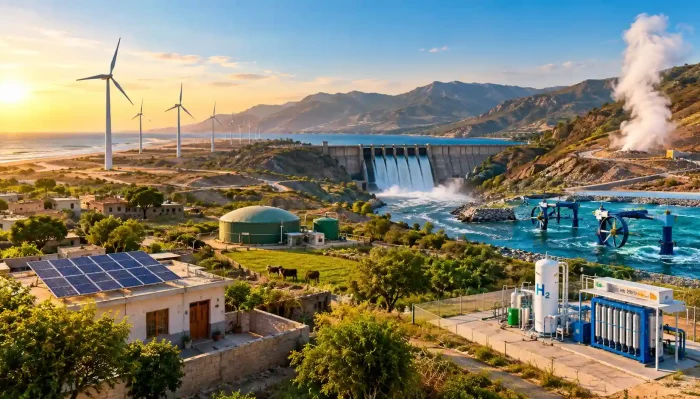
The demand for solar energy is growing rapidly as homeowners and businesses look for cleaner, more affordable ways to generate electricity. Rising electricity prices, improvements in solar technology, and increased environmental awareness have made solar panels one of the most popular renewable energy solutions worldwide.
Understanding the most important solar panel energy facts can help you determine whether investing in solar is the right choice for your home or business. From efficiency and durability to environmental benefits and maintenance requirements, knowing the facts gives you confidence before making a long-term investment.
In this guide, you’ll discover 25 interesting and practical Solar Energy Facts, learn how they generate electricity, understand what affects their performance, and explore why solar energy continues to shape the future of clean power. Whether you’re planning to install a solar system or simply want to learn more about renewable energy, this guide provides accurate, easy-to-understand information backed by current industry knowledge.
Quick Answer: What Are Solar Panel Energy Facts?
Solar panel energy facts explain how photovoltaic (PV) panels convert sunlight into electricity, their efficiency, lifespan, electricity production, and the environmental and financial benefits they provide. According to the U.S. Department of Energy’s Solar Energy Technologies Office, modern solar panels are highly reliable, require minimal maintenance, and are designed to generate clean electricity for 25 to 30 years or more. They can also continue producing electricity on cloudy days by capturing both direct and indirect sunlight, making solar energy one of the most dependable renewable energy solutions available today.
25 Solar Panel Energy Facts You Should Know
1. Solar Energy Is the Most Abundant Energy Source on Earth
The sun delivers more energy to Earth in one hour than the entire world consumes in a year. Although only a fraction of this energy is captured, it demonstrates the incredible potential of solar power as a long-term energy solution.
As solar technology continues to improve, more homes and businesses are harnessing this unlimited resource to reduce electricity costs and lower carbon emissions.
2. Solar Panels Produce Electricity Even on Cloudy Days
One of the biggest misconceptions about solar energy is that panels stop working when the sky is cloudy.
In reality, solar panels continue producing electricity whenever daylight is available. Cloud cover may reduce output by 10% to 50%, depending on weather conditions, but modern photovoltaic panels can still generate useful electricity without direct sunshine.
Countries with relatively cloudy climates have successfully adopted solar energy, proving that bright sunshine is not required every day for solar systems to perform effectively.
3. Solar Panels Do Not Generate Electricity at Night
Solar panels require sunlight to produce electricity, so they stop generating power after sunset.
However, this does not mean your home loses electricity at night. There are two common solutions:
- Battery storage systems store excess solar energy produced during the day for nighttime use.
- Grid-connected systems draw electricity from the utility grid when solar production stops.
Many homeowners combine solar panels with battery storage to maximize energy independence and ensure reliable power around the clock.
4. Most Solar Panels Last More Than 25 Years
Modern solar panels are designed for long-term performance. Most reputable manufacturers provide product warranties of 25 years, but many systems continue producing electricity well beyond 30 years.
Although their efficiency gradually declines over time, quality panels often retain more than 80% of their original output after 25 years, making solar one of the most durable renewable energy investments available.
5. Solar Panels Require Very Little Maintenance
Unlike generators or other mechanical equipment, solar panels have no moving parts. This significantly reduces wear and tear.
Routine maintenance generally includes:
- Cleaning dust, leaves, and bird droppings.
- Inspecting wiring and mounting hardware.
- Monitoring inverter performance.
- Scheduling occasional professional inspections.
With proper care, a solar power system can operate efficiently for decades while requiring very little maintenance compared to traditional energy systems.
6. Solar Panels Gradually Lose Efficiency Over Time
No solar panel maintains 100% of its original performance forever. Like most technologies, solar panels experience a slow decline in efficiency as they age. This natural process is known as the degradation rate.
The good news is that modern, high-quality solar panels degrade very slowly. Most premium manufacturers guarantee that their panels will still produce around 80% to 90% of their original power after 25 years. On average, today’s solar panels lose only 0.3% to 0.8% of their efficiency each year.
For example, if a new solar panel produces 550 watts today, it may still generate more than 450 watts after two decades of regular use. This long-term reliability is one of the biggest reasons why solar energy remains an excellent investment.
7. Modern Solar Panels Are More Efficient Than Ever
Solar technology has improved significantly over the past decade. Today’s photovoltaic panels convert a much higher percentage of sunlight into electricity than earlier models.
The efficiency of a solar panel depends on the type of solar cells used.
| Solar Panel Type | Average Efficiency |
|---|---|
| Monocrystalline | 20%–23% |
| Polycrystalline | 15%–18% |
| Thin-Film | 10%–13% |
Monocrystalline panels are currently the most efficient option for residential and commercial installations. Although they generally cost more than other panel types, they produce more electricity using the same roof space.
When choosing a solar system, efficiency should be considered alongside warranty, manufacturer reputation, and overall system design.
8. Pakistan Has Excellent Solar Energy Potential
Pakistan is one of the most promising countries for solar energy due to its abundant sunshine throughout the year. Most regions receive 4.5 to 7 peak sun hours daily, making solar systems highly productive for homes, businesses, farms, and industries.
The table below shows the average daily peak sunlight in major cities.
| City | Average Peak Sun Hours |
|---|---|
| Karachi | 5.5–6.5 Hours |
| Lahore | 4.5–5.5 Hours |
| Islamabad | 4.5–5.5 Hours |
| Multan | 5.5–6.5 Hours |
| Peshawar | 5–6 Hours |
| Quetta | 6–7 Hours |
This favorable climate means many homeowners can generate a significant portion of their electricity from solar power, helping reduce monthly utility bills.
9. Solar Panels Perform Better in Cooler Temperatures Than Many People Think
A common misconception is that hotter weather automatically means better solar performance. In reality, solar panels generate electricity from sunlight, not heat.
While bright sunshine increases electricity production, excessive heat can slightly reduce panel efficiency. This is measured by the panel’s temperature coefficient, which indicates how performance changes as temperatures rise.
Fortunately, modern solar panels are designed to minimize these losses, allowing them to perform efficiently even during hot summers. Proper installation with adequate airflow beneath the panels further improves cooling and overall system performance.
10. Installing Solar Panels Can Increase Property Value
Many homebuyers view solar panels as a valuable upgrade because they offer lower electricity bills and long-term energy savings.
A professionally installed solar energy system can make a property more attractive by providing:
- Reduced monthly electricity costs
- Greater energy independence
- Lower environmental impact
- Modern, energy-efficient features
- Long-term operational savings
While the increase in property value depends on local market conditions, many buyers appreciate homes with high-quality solar installations.
11. Solar Energy Produces Clean Electricity Without Air Pollution
Unlike coal-fired or oil-based power plants, solar panels generate electricity without producing smoke, greenhouse gases, or harmful air pollutants during normal operation.
By replacing electricity generated from fossil fuels, solar power helps reduce:
- Carbon dioxide (CO₂) emissions
- Sulfur dioxide (SO₂)
- Nitrogen oxides (NOₓ)
- Fine particulate pollution
This contributes to cleaner air, supports climate goals, and promotes a healthier environment for future generations.
12. Most Solar Panels Can Be Recycled
Another little-known fact is that solar panels are highly recyclable.
Many components including glass, aluminum frames, copper wiring, and certain semiconductor materials can be recovered and reused when a panel reaches the end of its service life.
As the global solar industry grows, recycling programs continue to improve, helping reduce waste and conserve valuable raw materials. This makes solar technology even more sustainable over the long term.
13. Solar Energy Helps Reduce Carbon Emissions
Every kilowatt-hour (kWh) of electricity generated by a solar power system reduces the need for electricity produced from fossil fuels.
Over its lifetime, a residential solar system can offset many tonnes of carbon dioxide emissions. The exact reduction depends on system size, local electricity generation methods, and annual energy production.
Choosing solar power is one of the most effective ways homeowners and businesses can lower their environmental impact while saving on energy costs.
14. Most Solar Panels Are Made from Silicon
Silicon is the primary material used in modern photovoltaic cells because it is abundant, durable, and highly effective at converting sunlight into electricity.Learn how are solar panels made and why silicon is the foundation of modern solar technology.
A typical solar panel also contains:
- Tempered glass for protection
- Aluminum frames for structural strength
- Copper wiring for electrical conductivity
- Polymer back sheets for insulation
- Encapsulant layers that protect the solar cells from moisture and weather
These materials work together to ensure reliable performance under a wide range of environmental conditions.
15. Battery Storage Makes Solar Systems Even More Useful
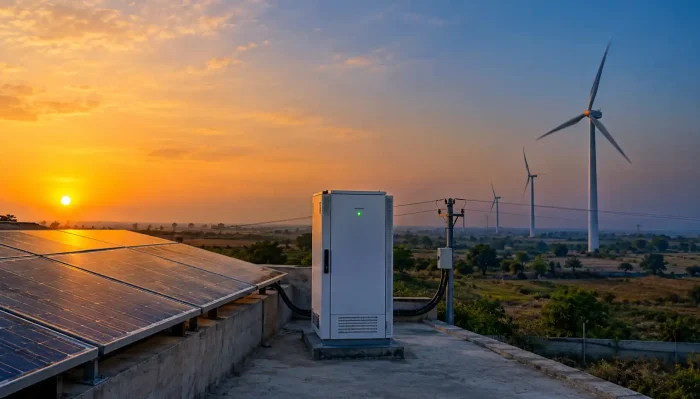
Adding a battery to a solar power system allows excess electricity generated during the day to be stored for later use.
Instead of exporting all surplus electricity to the grid, stored energy can power your home during:
- Nighttime
- Power outages
- Cloudy weather
- Peak electricity pricing periods
Battery storage also increases energy independence by reducing reliance on the electrical grid.
As battery technology continues to improve, more homeowners are combining solar panels with energy storage to maximize savings and enhance system reliability.
16. Solar Panels Can Significantly Reduce Electricity Bills
One of the biggest reasons homeowners and businesses invest in solar energy is to reduce their monthly electricity costs. Once a solar system is installed, it begins generating free electricity from sunlight, reducing the amount of power you need to purchase from the utility company.
The actual savings depend on several factors, including:
- System size
- Daily electricity consumption
- Local sunlight conditions
- Electricity tariffs
- Net metering availability
In Pakistan, where electricity prices have increased steadily in recent years, many property owners choose solar systems to protect themselves from future tariff hikes. A properly sized system can reduce electricity bills by 70% to 90%, and in some cases even more.
17. Solar Panels Don’t Need Direct Sunlight to Produce Electricity
Many people believe solar panels only work under bright, direct sunshine. This is incorrect.
Solar panels generate electricity from daylight, not just direct sunlight. They continue producing power during:
- Cloudy weather
- Winter months
- Light rain
- Hazy conditions
If you’re wondering whether panels require direct sunlight, explore our guide on how do solar panels work without direct sunlight?Although electricity production is lower compared to a bright sunny day, modern photovoltaic panels still convert available sunlight into usable energy. This is why countries with moderate climates successfully use solar power throughout the year.
18. Dirt and Shade Can Reduce Solar Panel Performance
Solar panels are designed to withstand outdoor conditions, but excessive dust, bird droppings, leaves, or shade can reduce the amount of sunlight reaching the photovoltaic cells.
Common factors that lower solar output include:
- Dust accumulation
- Tree shadows
- Nearby buildings
- Chimneys
- Antennas
- Heavy pollution
19. Solar Panels Operate Silently
Unlike diesel generators or conventional power systems, solar panels have no moving parts.
This means they:
- Produce virtually no noise
- Require less maintenance
- Experience minimal mechanical wear
- Operate efficiently throughout the day
Their silent operation makes them ideal for residential neighborhoods, schools, hospitals, offices, and commercial buildings where noise reduction is important.
20. Solar Energy Powers Space Missions
Solar energy is not limited to homes and businesses. It has powered satellites and spacecraft for decades.
Organizations such as NASA rely on solar panels to generate electricity for satellites, space telescopes, and long-duration space missions. Since sunlight is abundant in space, solar technology provides a dependable source of power without the need for conventional fuels.
This demonstrates the reliability and durability of photovoltaic technology under some of the most demanding conditions imaginable.
21. Solar Panels Are More Affordable Than Ever
The cost of solar technology has fallen dramatically over the past decade due to improvements in manufacturing, increased global production, and technological innovation.
Today’s solar systems offer:
- Better efficiency
- Longer warranties
- Improved durability
- Lower installation costs
- Faster return on investment
A professional energy assessment helps determine the right system capacity based on your electricity usage and future needs.
22. Solar Energy Increases Energy Independence
Producing your own electricity means relying less on the utility grid.
Solar systems help homeowners and businesses:
- Reduce dependence on rising electricity prices
- Improve energy security
- Minimize exposure to power shortages
- Generate clean electricity on-site
Adding battery storage further enhances independence by providing backup power during outages and allowing stored solar energy to be used after sunset.
23. Modern Solar Inverters Improve Overall System Performance
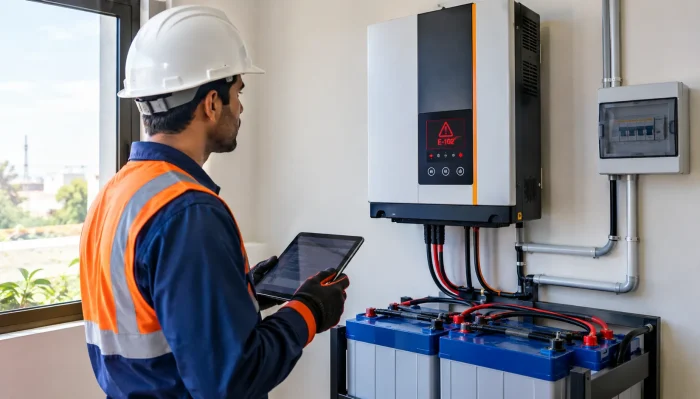
While solar panels receive most of the attention, the inverter is one of the most important components of a solar energy system.
A quality inverter:
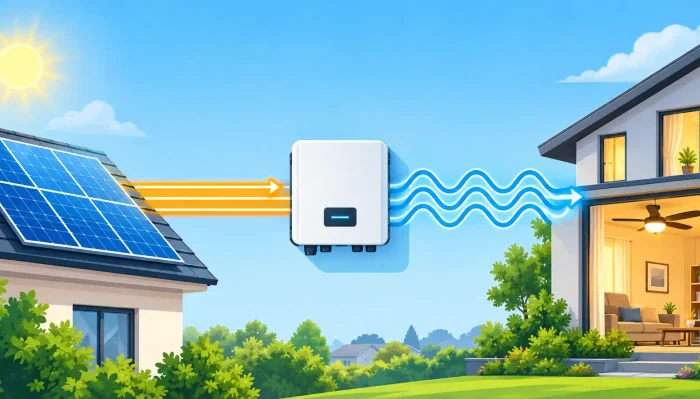
- Converts DC electricity into AC electricity
- Monitors system performance
- Detects faults
- Maximizes energy production
- Provides real-time performance data
Choosing a reliable inverter is just as important as selecting high-quality solar panels.
24. Net Metering Makes Solar Even More Valuable
Many countries, including Pakistan, offer net metering, which allows eligible solar system owners to export excess electricity to the utility grid.
When your solar system produces more electricity than your property consumes, the extra energy is sent to the grid. In return, you receive energy credits that help offset future electricity consumption.
This makes solar systems even more cost-effective by ensuring excess electricity is not wasted.
25. Solar Energy Is One of the Fastest-Growing Sources of Electricity
Solar power has become one of the world’s fastest-growing renewable energy technologies.
Governments, businesses, and homeowners continue investing in solar because it offers:
- Clean electricity
- Lower operating costs
- Long equipment lifespan
- Reduced greenhouse gas emissions
- Greater energy security
Continuous improvements in photovoltaic technology are expected to make solar energy even more efficient, affordable, and accessible in the years ahead.
Solar Panel Myths vs. Facts
Many misconceptions about solar energy discourage people from exploring its benefits. Understanding the facts can help you make informed decisions.
| Myth | Reality |
|---|---|
| Solar panels only work in hot weather. | Solar panels work best with sunlight, and excessive heat can slightly reduce efficiency. |
| Solar panels stop working on cloudy days. | They continue generating electricity, although at reduced output. |
| Solar panels require constant maintenance. | Most systems only need occasional cleaning and periodic inspections. |
| Solar energy is too expensive. | Installation costs have fallen significantly, making solar more affordable than ever. |
| Solar panels stop working after 25 years. | Many continue producing electricity for 30 years or longer, with gradual efficiency loss. |
Solar Panel Energy Facts for Pakistan
Pakistan has become one of the most promising countries for solar energy adoption due to its high solar irradiance, increasing electricity prices, and growing interest in renewable energy solutions. Most regions receive between 4.5 and 7 peak sun hours per day, providing excellent conditions for residential, commercial, and industrial solar systems.
Here are some important solar energy facts specific to Pakistan:
- Most cities receive enough sunlight to generate electricity throughout the year.
- Net metering allows eligible consumers to export surplus electricity to the national grid.
- Solar systems can help reduce dependence on frequent electricity tariff increases.
- Businesses are increasingly investing in solar to lower operating costs.
- Falling equipment prices have made solar installations more affordable than ever.
- Modern Tier-1 solar panels perform efficiently even during Pakistan’s hot summers when installed correctly.
Whether you live in Islamabad, Lahore, Karachi, Peshawar, Multan, or Quetta, solar energy offers significant long-term financial and environmental benefits.
Conclusion
Solar energy is no longer just an alternative power source it has become one of the smartest long-term investments for homeowners and businesses. As technology continues to improve, today’s solar panels are more efficient, durable, and affordable than ever before.
Understanding these solar panel energy facts helps you make informed decisions about renewable energy. From reducing electricity bills and lowering carbon emissions to increasing property value and improving energy independence, the advantages of solar power extend far beyond simple cost savings.
For countries like Pakistan, where sunlight is abundant and electricity costs continue to rise, investing in solar energy can provide significant long-term value. Choosing quality equipment, working with experienced installers, and maintaining your system properly will ensure reliable performance for decades.
Whether you’re considering your first solar installation or simply learning more about renewable energy, understanding the facts is the first step toward making a confident and informed decision. As the world transitions toward cleaner energy, solar power will continue to play a leading role in creating a more sustainable future.
Frequently Asked Questions
1. What are solar panel energy facts?
Solar panel energy facts are verified pieces of information about how solar panels work, their efficiency, lifespan, electricity production, maintenance requirements, and environmental benefits.
2. How long do solar panels last?
Most modern solar panels have a lifespan of 25 to 30 years. Many continue generating electricity beyond this period, although their efficiency gradually decreases over time.
3. Do solar panels work on cloudy days?
Yes. Solar panels continue producing electricity during cloudy weather. Although output is lower than on sunny days, they still generate useful power from available daylight.
4. Do solar panels work at night?
No. Solar panels require sunlight to generate electricity. At night, electricity is supplied by battery storage systems or the electrical grid.
5. What is the average efficiency of modern solar panels?
Most residential solar panels have efficiencies ranging from 18% to 23%, depending on the technology and manufacturer.
6. Are solar panels worth installing in Pakistan?
Yes. Pakistan receives abundant sunlight throughout the year, making solar panels an effective way to reduce electricity bills and improve energy independence.
7. How much maintenance do solar panels require?
Solar panels require very little maintenance. Occasional cleaning and periodic inspections are usually enough to keep the system operating efficiently.
8. Can solar panels reduce electricity bills?
Yes. A properly sized solar system can significantly reduce monthly electricity costs by generating clean electricity from sunlight.
9. Can solar panels be recycled?
Yes. Most components including glass, aluminum, and certain semiconductor materials—can be recovered and recycled at the end of the panel’s life.
10. What factors affect solar panel performance?
Electricity production depends on sunlight, panel orientation, temperature, shading, dust, equipment quality, inverter efficiency, and regular maintenance.