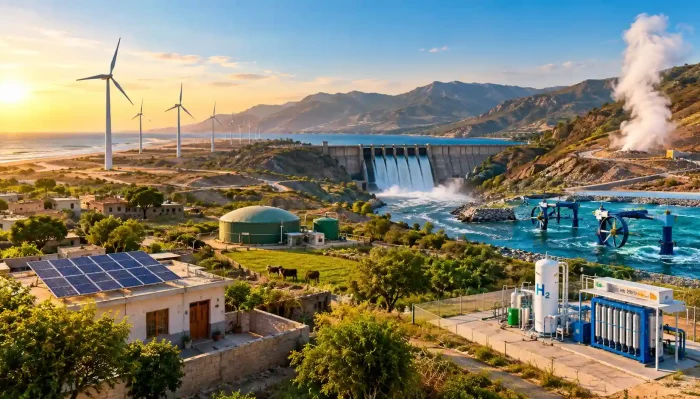
Renewable energy has one big problem: it does not always produce power when you need it. Solar stops at night. Wind slows down on calm days. That is the main challenge, and it hits solar and wind hardest.
If you have ever searched “what are 7 types of renewable energy,” you know the list: solar, wind, hydro, biomass, geothermal, tidal, and wave. Each one has its own limits. This guide covers those limits in plain words, with real numbers and Pakistan-specific advice.
What Is the Biggest Problem With Renewable Energy?
Short answer: The biggest problem is variable power. Solar and wind output changes with the weather and the time of day. Homes and factories need steady electricity, so this gap must be filled with batteries, backup power, or a well-run grid.
Here is why it happens.
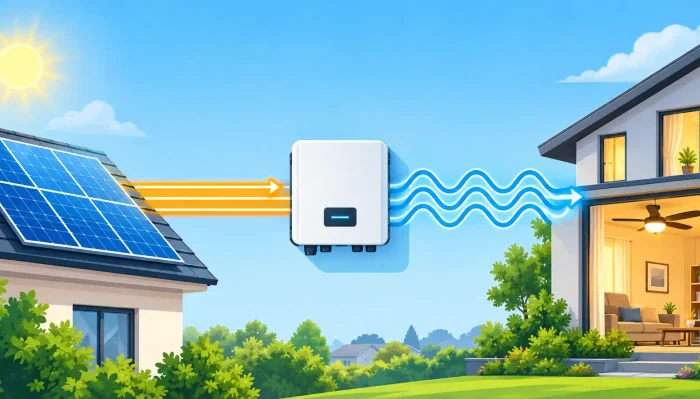
Solar panels need sunlight. No sun means no power. Wind turbines need moving air. Weak wind means weak output. You cannot switch the sun or wind on when demand rises.
Your electricity use also changes through the day. Most homes in Pakistan use the most power in the evening, when solar has already faded. Fans, ACs, and lights all run at once. This mismatch is why storage and grid planning matter so much.
Problems differ by technology and by place. A solar plant in Bahawalpur faces different issues than a wind farm in Jhimpir.
What Are the Main Problems With Renewable Energy?
1. Intermittent Power Generation
Solar makes zero power at night. Clouds, fog, and smog cut output during the day. In winter, Lahore’s smog can noticeably reduce panel output.
Wind turbines work only within a speed range. Below it, they do not turn. Above it, they shut down to stay safe.
2. Energy Storage Requirements
Storage fills the gaps. You need batteries when you want power after sunset or during cuts.
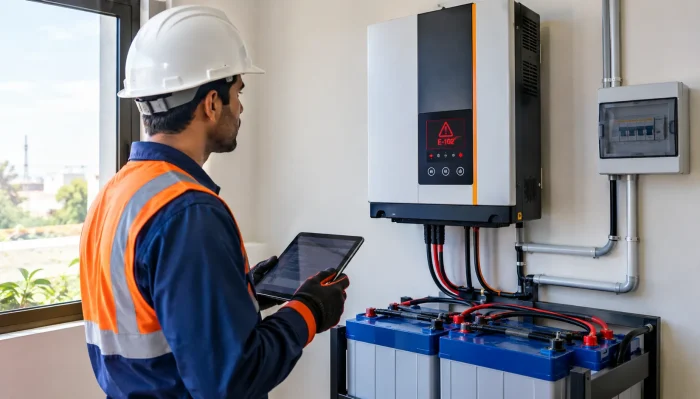
Lithium-ion batteries are the most common choice today. They are compact and last for years. They also add a large share to total system cost. A solar system with a battery can cost far more than the same system without one.
3. High Upfront Investment
Renewable energy costs more on day one. You pay for panels or turbines, inverters, mounting, wiring, batteries, and installation.
The payoff comes later. Sunlight and wind are free, so running costs stay low. IRENA reports that the global average cost of electricity from new solar PV was about $0.044 per kWh in 2023, and onshore wind was about $0.033 per kWh. Both were cheaper than the cheapest new fossil fuel options in many places. You can read the full data on the IRENA cost report.
4. Grid Integration Challenges
Old grids were built for steady power plants. Solar and wind arrive in swings. Grid operators must balance supply and demand every second.
Transmission lines matter too. The best wind sites are often far from cities. Without strong lines, clean power gets stuck.
5. Land and Location Requirements
A large solar farm needs open, flat land with little shade. Wind farms need strong, steady wind. Hydropower needs rivers, slopes, and enough water flow.
You cannot build any of them anywhere. Location decides how well the project performs.
6. Weather Dependence
Solar depends on sunlight. Wind depends on wind speed. Hydel depends on water flow, which drops in dry seasons or after glacier and rain changes.
This is why resource checks come first. A site survey tells you how much power you can expect before you spend a rupee.
7. Equipment, Maintenance and Supply Issues
Many panels, inverters, and turbine parts are imported. Currency swings change prices. Spare parts can take weeks to arrive.
Skilled installers are also limited. A poor installation can cut output by 10 to 20 percent. Long-term after-sales support matters as much as the product itself.
What Are the 7 Types of Renewable Energy and Their Main Limits?
Since your question starts here, this is a quick guide to each type. Every one has a different weak spot.
| Type | Source | Main limit |
| Solar | Sunlight | No output at night |
| Wind | Moving air | Needs steady wind speed |
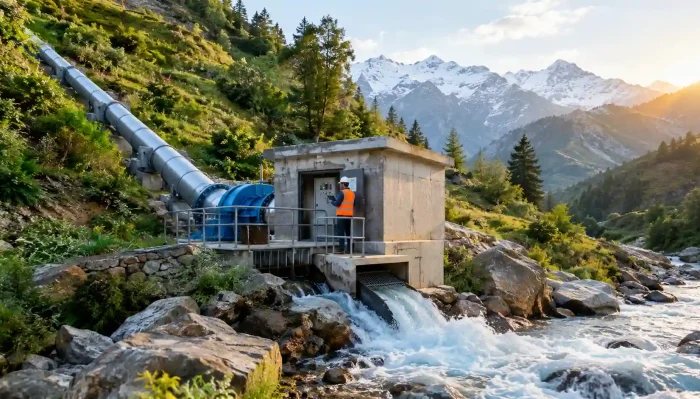
| Hydro (hydel) | Flowing water | Needs rivers and large civil work |
| Biomass | Crop waste, wood, dung | Fuel supply and smoke control |
| Geothermal | Heat from underground | Only works in certain locations |
| Tidal | Ocean tides | Very high cost, few sites |
| Wave | Ocean waves | Early stage, harsh sea conditions |
Solar, wind, and hydro do most of the work in Pakistan. Geothermal, tidal, and wave power are still small or not in use here.
Types of Wind Energy
Wind power comes in five common types. Here are real examples of wind energy in use:
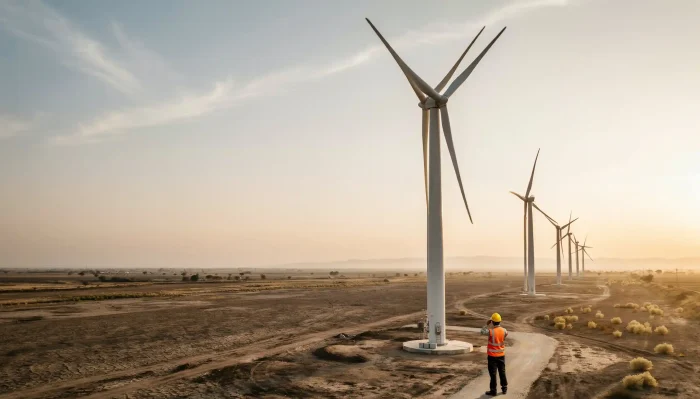
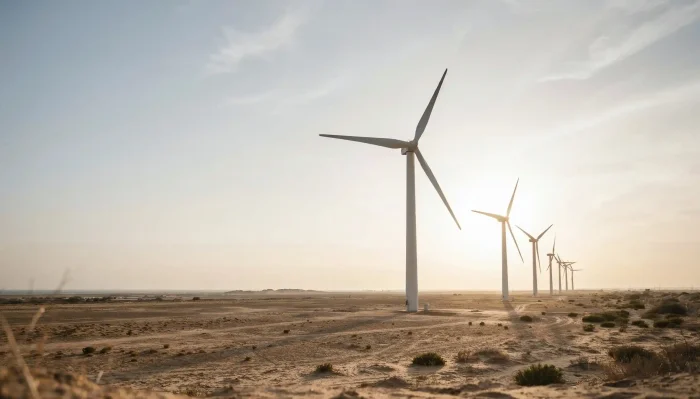
- Onshore wind: Turbines on land. The Jhimpir and Gharo wind corridor in Sindh is the best local example.
- Offshore wind: Turbines at sea, where wind is stronger and steadier. Costs are higher.
- Utility-scale wind: Big turbines that feed the national grid.
- Distributed (small) wind: Small turbines for farms, homes, or shops.
- Floating offshore wind: Turbines on floating bases for deep water.
What Are the Challenges of Renewable Energy in Pakistan?
Pakistan has strong sun, good wind, and big rivers. The challenges are real, but they are manageable.
Solar Energy Challenges in Pakistan
- Weather swings: Monsoon clouds and winter smog lower output.
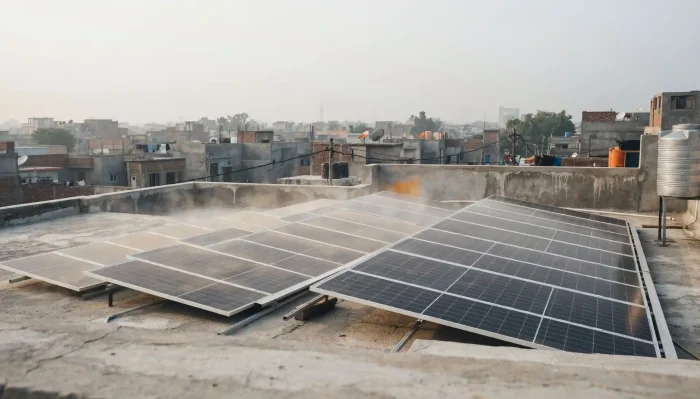
- Dust: Dust on panels can cut output noticeably. Regular cleaning helps.
- Storage: Load shedding pushes many homes to add batteries, which adds cost.
- Net metering rules: Buyback rates and rules have changed in recent years. Check the latest policy on the NEPRA website before you size your system.
Wind Energy Challenges in Pakistan
- Site choice: Only certain areas, mainly Sindh, have strong and steady wind.
- Transmission: Lines must carry power from remote sites to cities.
- Site assessment: Wind data should be gathered for months before a project starts.
- Maintenance: Turbines need trained crews and quick access to parts.
Hydel Energy Challenges in Pakistan
- Water availability: Flow changes by season.
- Location: Good dam and run-of-river sites are limited to the north.
- Big infrastructure: Dams take years and heavy funding.
- Social and environmental issues: Projects can affect land, farming, and local communities.
Is Renewable Energy Reliable?
Yes, when the system is designed well. A single solar panel is not reliable at night. A mix of sources with batteries and good grid control is.
Solar and wind swing up and down. Batteries store extra power for later. Grid operators forecast weather and adjust supply. Hydropower helps a lot because a dam can release water on demand, which makes it a dispatchable renewable source.
Different sources peak at different times. Solar peaks at noon. Wind is often stronger in the evening or in the monsoon season. Together, they cover more hours than either one alone. The National Renewable Energy Laboratory has published research showing how mixed systems improve reliability.
How Can the Problems With Renewable Energy Be Solved?
Energy Storage
Battery energy storage systems save extra power and release it when needed. Lithium batteries are the top choice for homes and businesses. Prices have dropped sharply over the last decade.
Better Grid Infrastructure
Utilities can upgrade transmission lines, add flexible plants, and use weather forecasting. Better forecasts let them plan for cloudy days and calm spells.
Combining Different Renewable Sources
- Solar plus wind: They often peak at different times.
- Solar plus hydel: Hydro fills gaps when the sun is gone.
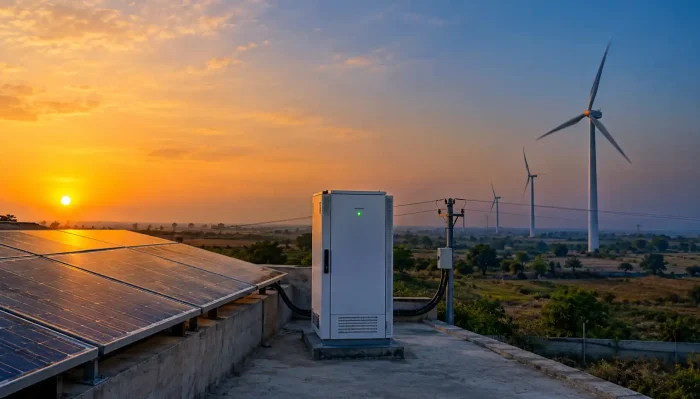
- Renewable energy plus storage: Batteries smooth out the swings.
Better Planning and Site Assessment
Good planning avoids most costly mistakes. Before you build, check:
- Solar: How much sunlight the site gets and how much shade falls on it.
- Wind: Wind speed and direction over several months.
- Hydel: Water flow across all seasons.
- Load: How much power you actually use and when.
Renewable Energy vs Traditional Energy: What Are the Main Differences?
| Factor | Renewable Energy | Traditional Energy |
| Fuel source | Naturally replenished | Finite fuels |
| Generation | Some sources are variable | Generally controllable |
| Emissions | Generally lower during operation | Generally higher |
| Upfront cost | Can be higher | Varies |
| Fuel cost | Low or none for sun and wind | Ongoing fuel costs |
| Storage need | Important for variable sources | Usually less dependent on electrical storage |
Is Renewable Energy Still Worth Using Despite These Problems?
The facts point one way: the problems are real, and most of them have known fixes.
Each technology has its own limits. Solar needs storage for night use. Wind needs the right location. Hydro needs water and big investment. Good design reduces many of these issues.
The right choice depends on four things: your location, your electricity demand, your grid conditions, and your budget. A shop owner in Karachi, a farm in Sindh, and a home in Islamabad each need a different setup.
How Progressive Ventures Supports Renewable Energy Projects in Pakistan
Progressive Ventures helps homes, farms, and businesses across Pakistan move to clean power. The team supports projects from planning to long-term service.
Here is what we offer:
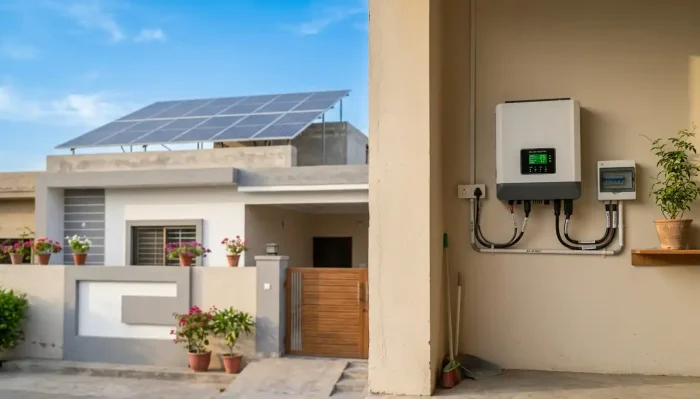
- Solar energy solutions for homes, shops, and factories: Solar Energy Solutions
- Wind energy solutions for farms and larger sites
- Hydel energy solutions for suitable water sites
- Project supply of tested panels, inverters, batteries, and turbines
- Professional installation and commissioning
- After-sales support for cleaning, repair, and parts
- Residential and commercial applications sized to your real load
Thinking about wind power? Our Wind Energy Installation service starts with a site assessment. We check wind data, load needs, and grid access before recommending a turbine. That way you pay for the power you will actually get.
You may also like our related guide: Solar vs Wind Energy for Pakistan.
Ready to start? Contact Progressive Ventures today for a free site consultation and a clear quote.
Conclusion
Renewable energy has no single universal problem. Solar and wind share one big technical challenge, which is variable output. Storage, stronger grids, mixed sources, and careful site checks solve most of it.
In Pakistan, local conditions matter. Dust, smog, wind corridors, and water flow all change the plan. Pick the right technology for your site and your budget, and renewable power can work well for you.
Frequently Asked Questions
What is the biggest problem with renewable energy?
Variable output. Solar and wind do not produce steady power all day, so you need storage or backup.
What are the 5 disadvantages of renewable energy?
High upfront cost, variable output, storage needs, land or location limits, and grid integration work.
Why is renewable energy unreliable?
Sun and wind change with weather and time. Reliability improves with batteries, hydro, and a mix of sources.
What are the main challenges of renewable energy in Pakistan?
Dust and smog on solar panels, storage costs, limited wind sites, weak transmission in remote areas, and changing net metering rules.
What is the biggest challenge of solar energy?
No power at night. Batteries or grid backup fill that gap.
What is the biggest challenge of wind energy?
Finding a site with strong, steady wind, and connecting it to the grid.
Can renewable energy provide electricity 24/7?
Yes, with the right mix. Solar, wind, hydro, and batteries together can cover most hours of the day.
How can renewable energy problems be solved?
Use batteries, upgrade the grid, combine sources, and assess your site before you build.