In recent years, the demand for clean and affordable energy has increased across the world. Rising electricity prices, climate change concerns, and the need for sustainable development have pushed many countries toward renewable energy sources. Among these, solar energy stands out as one of the most widely used and fastest-growing solutions.
But a common question still comes up: why is solar energy renewable? Many people also ask, is solar energy renewable or not, and how it compares with traditional energy sources like coal or gas.
In simple terms, solar energy is derived from the sun, which provides a continuous and unlimited supply of energy. Unlike fossil fuels, it does not get exhausted over time. In this blog, we will explain in detail why solar energy is a renewable resource, how it works, its benefits, and why it is becoming the backbone of global energy systems in 2026 and beyond.
What Is Solar Energy?
Solar energy is the power we get from sunlight. This energy is captured using solar panels, which are made up of photovoltaic (PV) cells. These cells convert sunlight directly into electricity that can be used in homes, offices, industries, and even large power plants.
The basic components of a solar power system include:
- Solar panels (to capture sunlight)
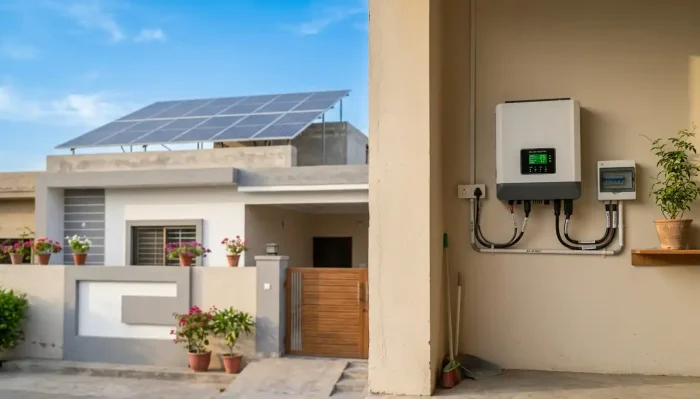
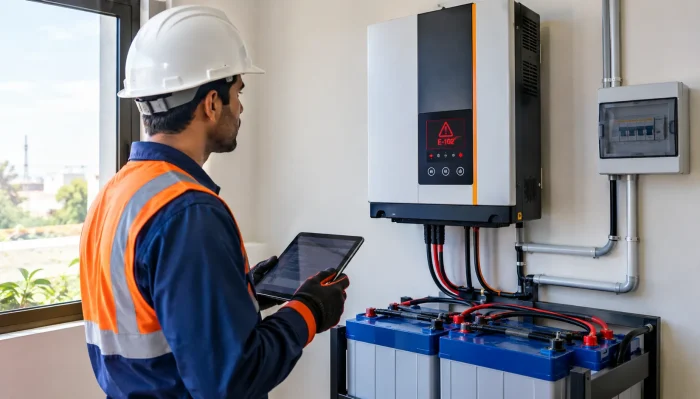
- Inverter (to convert electricity into usable form)
- Batteries (to store energy, optional)
- Electrical system (to distribute power)
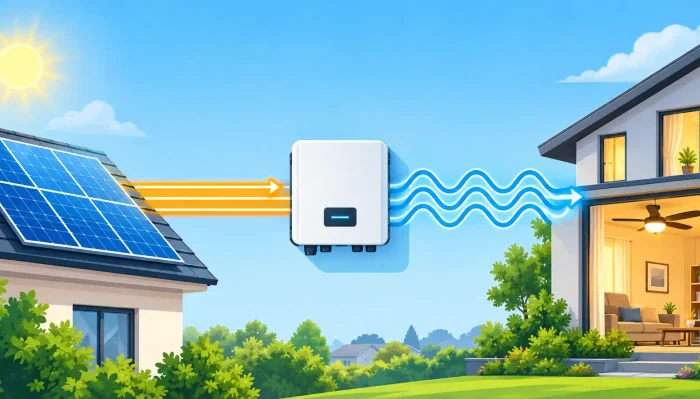
When sunlight hits the panels, it generates direct current (DC) electricity. The inverter then converts this into alternating current (AC), which powers household appliances.
This simple process is the foundation of solar energy renewable power systems used around the world today.
To understand why solar energy is renewable, we first need to understand what “renewable” means.
A renewable energy source is one that naturally replenishes itself and does not run out over time (on a human timescale).
Why solar energy is renewable
To understand why solar energy is renewable, we first need to understand what “renewable” means.
A renewable energy source is one that naturally replenishes itself and does not run out over time.
Solar energy meets this definition perfectly.
It is based on a constant flow that renews itself every day: sunshine. The sun has always played a major role in life on Earth — through photosynthesis, the water cycle, and providing light and heat. Unlike fossil fuels, which are finite, solar energy is inexhaustible on a human timescale.
A few striking facts:
- The sun is currently about halfway through its life and is expected to continue shining for another 5 billion years.
- Every second, it releases an enormous amount of energy — far more than humanity could ever consume.
This makes solar energy a clean, reliable, and virtually unlimited resource. Using it today does not reduce tomorrow’s supply.
Albioma, a leading independent renewable energy producer, has been harnessing this power since 2006, especially in Overseas France where sunshine conditions are ideal. Read the full explanation directly from Albioma: Why is solar energy renewable? The company develops innovative photovoltaic projects that support the energy transition while respecting local territories.
Unlike fossil fuels (coal, oil, natural gas), which are finite resources formed over millions of years and get used up when burned, solar is a constant, naturally replenishing flow. Even on cloudy days, some solar radiation reaches us, and the “resource” regenerates instantly with each sunrise.
For a reliable check out this page from the U.S. Energy Information Administration (EIA) official explanation of renewable energy and solar’s role.
1. The Sun Is an Infinite Energy Source
The sun produces energy through a natural process called nuclear fusion. This process has been ongoing for billions of years and will continue for billions more. Because of this, the energy we receive from the sun is practically unlimited on a human timescale.
In fact, scientists estimate that the Earth receives more energy from the sun in just one hour than the entire world uses in a full year.
This is the main reason why solar energy is renewable.
2. Continuous Natural Replenishment
Unlike coal, oil, or gas, which take millions of years to form, sunlight is available every day. Even though clouds or nighttime may temporarily reduce solar production, the source itself never stops producing energy.
This constant availability makes solar energy a naturally replenished resource.
3. No Fuel Consumption
Traditional power plants burn fuel to generate electricity. Solar energy does not require any fuel. Once solar panels are installed, they generate electricity from sunlight without consuming anything.
This is another key reason why solar energy is a renewable resource and a sustainable alternative to fossil fuels.
How Solar Energy Works Step by Step
Understanding the working process helps explain its renewable nature more clearly.
Step 1: Sunlight Hits Solar Panels
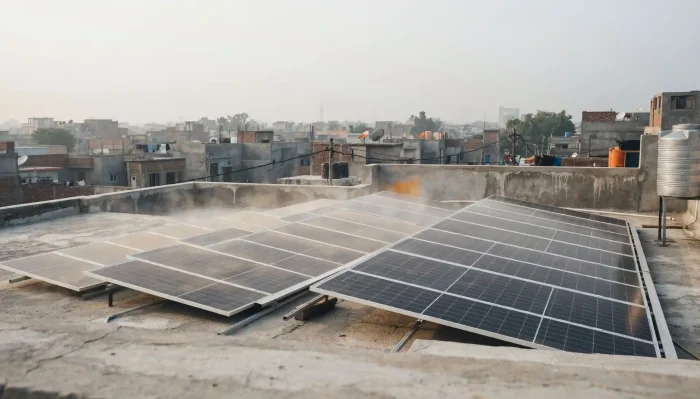
Solar panels are installed on rooftops or open land to absorb sunlight.
Step 2: Photovoltaic Cells Generate Electricity
Inside the panels, photovoltaic cells convert sunlight into DC electricity.
Step 3: Inverter Converts Electricity
The inverter changes DC electricity into AC electricity so it can be used in homes and businesses.
Step 4: Electricity Is Used or Stored
The generated electricity either powers appliances directly or is stored in batteries for later use.
This simple and efficient system is one of the reasons solar energy is becoming a global energy solution.
Environmental Benefits of Solar Energy
One of the biggest advantages of solar energy is its positive impact on the environment.
1. Zero Greenhouse Gas Emissions
Solar energy does not release carbon dioxide or harmful gases during operation.
2. Reduces Air Pollution
Unlike fossil fuel plants, solar systems do not produce smoke or toxic emissions.
3. Conserves Natural Resources
Solar energy reduces the need for coal, oil, and gas extraction.
4. Helps Fight Climate Change
By reducing carbon emissions, solar energy plays a major role in slowing global warming.
These benefits clearly show how solar energy helps the environment, this one of the cleanest energy sources available today.
Is Solar Energy Renewable or Not?
This is a frequently asked question: is solar energy renewable or not?
The answer is yes—solar energy is absolutely renewable.
It comes from the sun, which is not only constantly producing energy but also expected to continue doing so for billions of years. Even though solar panels have a limited lifespan (usually 25–30 years), the energy source itself never runs out.
So, while equipment may need replacement, the energy supply remains endless.
Solar Energy vs Non-Renewable Energy Sources
To better understand the importance of solar energy, it helps to compare it with non-renewable sources.
Fossil Fuels (Coal, Oil, Gas)
- Limited supply
- Cause pollution
- Contribute to climate change
- Expensive in the long run
Solar Energy
- Unlimited supply
- Clean and pollution-free
- Reduces electricity bills over time
- Sustainable for future generations
This comparison clearly highlights why solar energy is becoming the preferred choice worldwide.
Why Solar Energy Matters in 2026
In 2026, solar energy is no longer just an alternative—it is becoming a mainstream energy source.
Several global trends are driving this shift:
1. Rising Electricity Costs
People are turning to solar to reduce monthly bills.
2. Government Support
Many countries, including Pakistan, offer net metering and incentives for solar installation.
3. Energy Independence
Solar allows households and businesses to generate their own electricity.
4. Smart Energy Systems
Modern solar systems now integrate with smart grids and AI-based energy management tools.
These developments make solar energy more efficient and accessible than ever before.
Common Misconceptions About Solar Energy
Despite its popularity, there are still some myths about solar energy.
Myth 1: Solar Panels Don’t Work in Cloudy Weather
Fact: They still generate electricity, though at reduced efficiency.
Myth 2: Solar Energy Is Too Expensive
Fact: Costs have dropped significantly in the last decade, making it more affordable.
Myth 3: Solar Panels Require High Maintenance
Fact: They require minimal maintenance—mostly occasional cleaning.
Understanding these facts helps people make better energy decisions.
The Future of Solar Energy
The future of solar energy looks extremely promising.
Experts predict:
- More efficient solar panels with higher energy output
- Advanced battery storage systems
- Lower installation costs
- Widespread adoption in urban and rural areas
- Integration with electric vehicles and smart homes
As technology improves, solar energy will play a central role in achieving global sustainability goals.
Professional Solar Installation Services
If you are planning to take advantage of these advancements, now is the right time to invest in a reliable solar system. Progressive Ventures offers professional solar panel installation services designed for homes, businesses, and commercial projects.
Our services include:
- Site assessment and customized solar system design
- High-quality solar panel installation
- Net metering assistance and system integration
- Maintenance and performance monitoring
With the right system in place, you can reduce electricity costs, increase energy independence, and contribute to a cleaner environment.
Whether you are upgrading an existing system or installing solar for the first time, working with experienced professionals ensures long-term efficiency and maximum return on investment.
Conclusion
Solar energy is one of the most important renewable energy sources in the world today. It is clean, sustainable, and powered by the sun—an energy source that will never run out.
To summarize:
- Why is solar energy renewable? Because it comes from the sun, which continuously produces energy.
- Is solar energy renewable? Yes, it is naturally replenished and unlimited.
- Why is solar energy a renewable resource? It does not depend on finite fuels and is constantly available.
- Solar energy renewable power systems are helping reduce pollution and electricity costs worldwide.
- Is solar energy renewable or not? It is 100% renewable.
As the world moves toward cleaner and more sustainable solutions, solar energy will remain a key driver of change. It is not just an energy choice—it is an investment in a better future.
Frequently Asked Questions (FAQs)
1. Why is solar energy renewable?
Solar energy is renewable because it comes from the sun, which produces a continuous and unlimited supply of energy.
2. Is solar energy renewable or not?
Yes, solar energy is completely renewable since sunlight is naturally replenished every day.
3. Why is solar energy a renewable resource?
It does not rely on finite fuels and is constantly available through natural solar radiation.
4. Does solar energy run out?
No, solar energy does not run out, although its availability depends on weather and day-night cycles.
5. What is the biggest benefit of solar energy?
The biggest benefit is that it produces clean electricity without harming the environment.