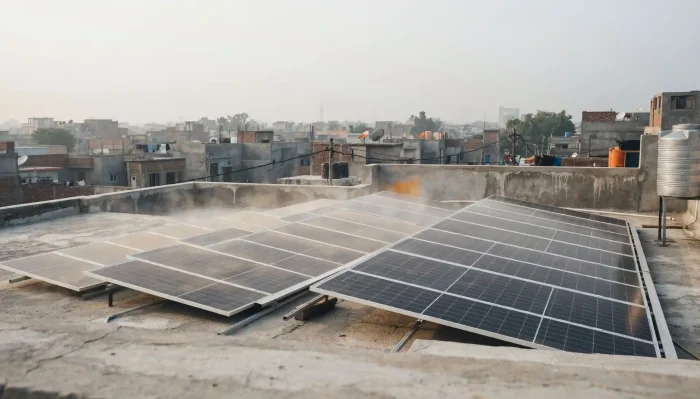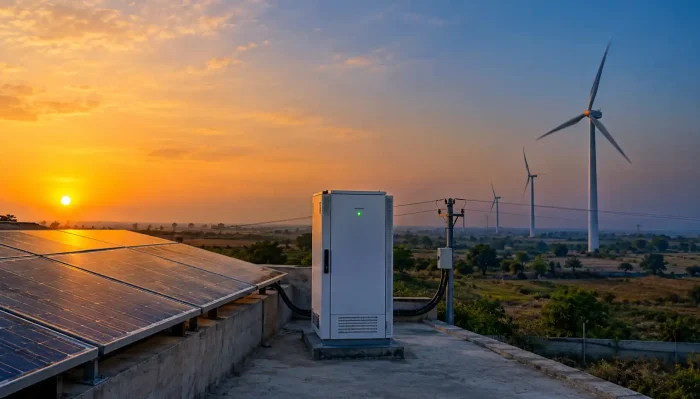
The way we produce electricity has a direct impact on the health of our planet. For decades, power generation has depended heavily on fossil fuels such as coal, oil, and natural gas—resources that release large amounts of greenhouse gases and pollutants into the atmosphere. These emissions are one of the leading causes of climate change, air pollution, and environmental degradation.
In recent years, solar energy has emerged as one of the most practical and sustainable alternatives. By converting sunlight directly into electricity, solar panels generate clean power without burning fuel or releasing harmful emissions. This simple shift in how energy is produced can have a powerful positive effect on the environment.
But the real question many people ask is: How Do Solar Panels Help the Environment? Beyond just being a “green” technology, solar energy influences air quality, water usage, natural resource conservation, and even global climate stability.
In this article, we will break down the real environmental benefits of solar panels clearly and practically. You will learn not only why solar energy is considered clean, but also how it actively helps reduce pollution, protect natural ecosystems, and support a more sustainable future for coming generations.
How Do Solar Panels Help the Environment?
Solar panels help the environment by generating electricity from sunlight without producing greenhouse gas emissions. They reduce air pollution, lower carbon footprints, conserve water, and decrease dependence on fossil fuels such as coal, oil, and gas.
How Solar Panels Work
Solar panels use photovoltaic (PV) cells to convert sunlight into electricity.
Step 1: Sunlight Absorption
Solar panels capture sunlight using PV cells.
Step 2: Electricity Generation
Sunlight is converted into direct current (DC) electricity.
Step 3: Conversion to Usable Power
An inverter converts DC electricity into alternating current (AC).
Step 4: Power Usage
Electricity is used in homes, businesses, or sent to the power grid.
Since this process does not involve burning fuel, it produces no direct emissions.
Why Are Solar Panels Good for the Environment?
Solar panels are environmentally friendly because they significantly reduce pollution and conserve natural resources.
1. Reduction in Greenhouse Gas Emissions
Fossil fuel power plants release large amounts of carbon dioxide (CO₂), which contributes to global warming.
Solar energy produces electricity without emitting CO₂ during operation.
Environmental benefits include:
- Lower global warming impact
- Reduced carbon footprint
- Support for climate goals
- Cleaner electricity production
2. Improved Air Quality
Burning coal and gas releases harmful pollutants such as:
- Sulfur dioxide
- Nitrogen oxides
- Fine particulate matter
These pollutants cause smog and respiratory diseases.
Solar energy reduces the need for fossil fuel power plants, improving air quality and public health.
3. Water Conservation Benefits
Traditional power plants require large amounts of water for cooling.
Solar panels require minimal water to generate electricity.
This helps to:
- Conserve freshwater resources
- Reduce pressure on rivers and lakes
- Support drought-affected regions
- Improve water sustainability
How Can Solar Panels Help the Environment by Saving Natural Resources?
Solar energy reduces dependence on non-renewable resources such as coal, oil, and natural gas.
Benefits include:
- Less mining and drilling
- Reduced land destruction
- Lower environmental damage
- Protection of ecosystems
Unlike fossil fuels, solar energy is renewable and unlimited. Solar energy is becoming more popular in residential systems. If you are planning to install one, you should first understand your energy needs. Our detailed guide on solar system sizing for homes explains how much kW system is required for different household loads.
How Does Using Solar Panels Help the Environment in Real Life?
Solar energy has direct environmental benefits in everyday life.
Homes
Solar panels reduce household electricity emissions by replacing fossil-fuel-based electricity.
Businesses
Companies using solar energy lower their operational carbon footprint.
Cities
Urban areas experience reduced air pollution and lower strain on power grids. You can get more information about solar panels through the International Renewable Energy Agency (IRENA) – Solar Energy Reports
How Do Solar Panels Save the Environment from Climate Change?
Climate change is mainly caused by greenhouse gas emissions. Solar energy helps reduce these emissions.
Key climate benefits:
- Lower CO₂ emissions
- Reduced global warming impact
- Support for net-zero goals
- Cleaner energy transition
A typical solar system can offset several tons of carbon dioxide over its lifetime.
Environmental Benefits of Solar Energy in Urban and Rural Areas
Urban Areas
- Reduces pollution from power generation
- Improves air quality
- Supports sustainable city development
Rural Areas
- Provides clean electricity in off-grid areas
- Reduces diesel generator use
- Improves living standards
Do Solar Panels Have Any Environmental Impact?
Yes, but it is very small compared to fossil fuels.
Manufacturing Impact
Production requires raw materials and energy, but this impact is recovered within a few years of clean energy use.
Transportation and Installation
Some emissions occur during setup, but they are minimal.
Recycling Improvements
Modern recycling systems recover:
- Glass
- Aluminum
- Silicon
This reduces long-term environmental waste.
Solar Energy vs Fossil Fuels (Environmental Comparison)
| Factor | Solar Energy | Fossil Fuels |
|---|---|---|
| Carbon Emissions | Very Low | Very High |
| Air Pollution | Minimal | Severe |
| Water Usage | Low | High |
| Sustainability | Renewable | Finite |
| Environmental Impact | Low | High |
Why Solar Energy Is Important for the Future
Solar energy is not just an alternative; it is a necessity for a sustainable future.
Long-term benefits:
- Slows climate change
- Reduces global pollution
- Supports clean energy transition
- Improves public health
- Increases energy independence
Conclusion: How Do Solar Panels Help the Environment?
Solar panels help the environment by producing clean, renewable electricity that reduces greenhouse gas emissions, improves air quality, conserves water, and protects ecosystems. They provide long-term environmental benefits while supporting healthier communities and a sustainable energy system.
While solar technology does have some environmental impact during manufacturing and installation, these effects are relatively small and are quickly offset by years of clean energy production. Over time, the environmental advantages far outweigh the initial footprint.
Choosing solar energy is not only an economic decision but also an environmental responsibility. With proper solar installation planning and guidance from companies such as Progressive Ventures, solar power becomes a meaningful step toward protecting the planet for future generations.
Frequently Asked Questions (FAQs)
1. How do solar panels help the environment?
Solar panels help the environment by generating electricity from sunlight without producing harmful greenhouse gas emissions, reducing pollution and carbon footprints.
2. Why are solar panels good for the environment?
They are good for the environment because they reduce dependence on fossil fuels, lower air pollution, conserve water, and support renewable energy production.
3. How does using solar panels help the environment?
Using solar panels helps the environment by replacing fossil-fuel-based electricity with clean, renewable solar power that does not release harmful emissions.
4. How do solar panels save the environment?
Solar panels save the environment by reducing carbon dioxide emissions, slowing climate change, and decreasing environmental damage caused by fossil fuel extraction.
5. How can solar energy help the environment?
Solar energy helps the environment by providing a clean and renewable source of electricity that reduces pollution and conserves natural resources.
6. Do solar panels have any negative impact on the environment?
Yes, but it is minimal. Environmental impact mainly comes from manufacturing and transportation, which is quickly offset by long-term clean energy production.
7. Are solar panels truly eco-friendly?
Yes, solar panels are considered one of the most eco-friendly energy technologies because they produce clean electricity with very low lifetime emissions.