Solar energy has become one of the fastest-growing renewable energy sources in the world. As electricity prices rise and environmental concerns increase, more people are turning toward solar power systems for homes, businesses, and industries. But when discussing solar technology, one of the most important terms you will hear is solar cell efficiency.
So, what is the efficiency of solar cell? In simple terms, it tells us how effectively a solar cell converts sunlight into usable electricity. The higher the efficiency, the more electricity you can generate from the same amount of sunlight.
In modern solar technology, improving efficiency is the main goal of engineers and researchers. This is why we now hear terms like high efficiency solar cells and high efficiency solar panels becoming more common in the market.
In this article, we will explore everything about solar cell efficiency in simple language. You will learn how it works, what affects it, different types of solar cells, and the latest innovations shaping the future of solar energy.
Understanding Solar Cell Efficiency
What is the Efficiency Of Solar Cell?
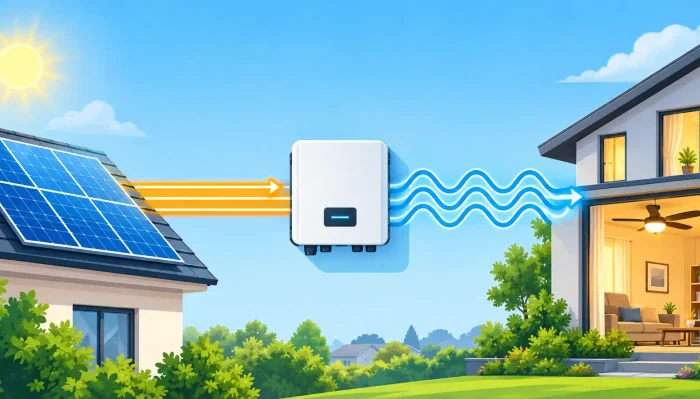
Solar cell efficiency is the percentage of sunlight energy that a solar cell can convert into electrical energy. For example, if a solar panel receives 100 units of sunlight and converts 20 units into electricity, its efficiency is 20%.
In real-world terms, the efficiency of solar cell is a direct measure of how powerful and effective a solar system is.
Why Efficiency Matters
Efficiency plays a key role in solar energy systems because:
- Higher efficiency means more electricity from fewer panels
- It reduces installation space requirements
- It improves long-term cost savings, and it’s important to learn how much solar saves.
- It increases return on investment for users
This is why modern solar industries are focusing heavily on high efficiency solar panels.
Main Factors Behind Efficiency
Several elements influence how efficient a solar cell is:
- Material quality (silicon purity)
- Sunlight absorption capability
- Temperature conditions
- Manufacturing technology
So, when asking what is the efficiency of solar panels, we must also understand these influencing factors.
3. Types of Solar Cells and Their Efficiency Levels
Different types of solar cells offer different efficiency levels. Let’s explore the most common ones.
Monocrystalline Solar Cells
These are the most efficient type of solar cells available today.
- Efficiency: 18% to 24%
- Made from single-crystal silicon
- Long lifespan and high performance
- Best for residential rooftops
They are widely used in high efficiency solar panels due to their superior performance. According to leading solar cell efficiency research by NREL, advanced materials are improving conversion rates globally.
Polycrystalline Solar Cells
These are slightly less efficient but more affordable.
- Efficiency: 15% to 18%
- Made from multiple silicon fragments
- Lower production cost
- Suitable for budget-friendly installations
Thin-Film Solar Cells
These are flexible and lightweight but less efficient.
- Efficiency: 10% to 13%
- Easy to install on large surfaces
- Lower cost but requires more space
- Used in industrial-scale projects
Emerging Technologies
New innovations are pushing boundaries in solar energy:
- Perovskite solar cells
- Tandem solar cells
- Multi-layer high efficiency solar cells
These technologies are expected to significantly improve the efficiency of solar cell systems in the coming years.NASA provides accurate solar radiation data used in solar performance studies.
How Solar Cell Efficiency is Calculated
Basic Concept
Solar cell efficiency is calculated using this idea:
- Energy output (electricity produced) ÷ Energy input (sunlight received)
Standard Testing Conditions
To ensure accuracy, solar panels are tested under Standard Test Conditions (STC):
- Temperature: 25°C
- Sunlight intensity: 1000 W/m²
- Controlled laboratory environment
Real vs Theoretical Efficiency
In real life, solar panels do not perform at maximum lab efficiency because of:
- Heat loss
- Dust and dirt
- Wiring resistance
- Weather conditions
So, when we ask what the efficiency of solar panels is, we must understand that real-world performance is always slightly lower than advertised values.
5. Factors That Affect Solar Cell Efficiency
1. Temperature
High temperatures reduce solar panel performance. Interestingly, solar panels work better in cool sunlight than in extreme heat.
2. Dust and Pollution
Dust accumulation blocks sunlight, reducing efficiency. Regular cleaning improves output significantly.
3. Installation Angle
Correct positioning toward the sun increases energy absorption. Poor angle alignment reduces efficiency. Always hire a certified company for solar installation to ensure better system performance and long-term reliability.
4. Material Quality
Better silicon quality leads to higher efficiency. This is why high efficiency solar cells use advanced materials.
5. Weather Conditions
Clouds, rain, and seasonal changes also impact solar energy generation.
Latest Innovations in High Efficiency Solar Cells
Solar technology is evolving rapidly. Here are some major innovations:
Bifacial Solar Panels
These panels capture sunlight from both front and back sides, increasing total energy output.
Perovskite Technology
A breakthrough material that is cheaper and more efficient than traditional silicon in lab conditions.
AI-Based Solar Tracking
Artificial intelligence systems adjust panel angles automatically to maximize sunlight exposure.
Nanotechnology Improvements
Nanomaterials help improve light absorption and reduce energy loss.
These advancements are driving the future of high-efficiency solar panels globally.
Real-World Applications of Solar Efficiency
Residential Use
Homeowners use solar panels to reduce electricity bills and achieve energy independence. Learn more about our professional solar panel installation services for residential and commercial projects.
Commercial Use
Factories and offices install large solar systems to reduce operational costs. Check the latest updates on solar panel cost in Pakistan before planning your system.
Off-Grid Areas
Remote villages benefit from solar systems where electricity infrastructure is unavailable.
Challenges in Improving Solar Efficiency
Despite advancements, challenges remain:
- Physical limits of silicon materials
- High production costs for advanced cells
- Performance loss over time
- Environmental wear and tear
Future of Solar Cell Efficiency
The future of solar energy looks very promising. Experts predict:
- Commercial efficiency may exceed 30%
- Cheaper production of high efficiency solar cells
- Wider adoption of solar energy worldwide
- Integration with smart energy systems
As technology improves, solar energy will become even more accessible and efficient.
Conclusion
Understanding what is the efficiency of solar cell? is essential for anyone interested in renewable energy. It helps determine how much power a solar panel can generate and how cost-effective it will be in the long run.
With growing demand for clean energy, high efficiency solar cells and high efficiency solar panels are becoming the future of global electricity production.
As technology continues to evolve, solar energy will play a major role in reducing carbon emissions and building a sustainable future.
FAQs
Q1: What is the efficiency of solar panels?
The efficiency of solar panels refers to how much sunlight they can convert into usable electricity. For example, if a solar panel receives sunlight energy and converts 20% of it into electricity, its efficiency is 20%. Higher efficiency means more power generation from the same surface area.
Q2: What are high efficiency solar cells?
High efficiency solar cells are advanced solar cells that can convert a larger portion of sunlight into electricity compared to standard cells. Typically, they have efficiency levels above 20%. These are used in modern solar technologies to produce more energy using fewer panels and are ideal for areas with limited installation space.
Q3: What affects solar cell efficiency the most?
Several factors impact solar cell efficiency, including temperature, sunlight intensity, panel material quality, installation angle, and dust or dirt on the surface. Among these, temperature and material quality have the strongest influence on overall performance.
Q4: Which solar panels are most efficient?
Monocrystalline solar panels are currently the most efficient type available in the market. They are made from high-purity silicon and typically offer efficiency levels between 18% and 24%, making them ideal for residential and commercial use where space is limited.
Q5: Will solar efficiency improve in the future?
Yes, solar efficiency is expected to improve significantly in the future. New technologies such as perovskite solar cells, tandem cells, and AI-optimized systems are already showing higher performance in research. Experts believe commercial solar efficiency could exceed 30% in the coming years.
Q6: What is the difference between solar cell efficiency and solar panel efficiency?
Solar cell efficiency refers to the performance of a single photovoltaic cell, while solar panel efficiency refers to the overall performance of a complete panel made of multiple cells connected together. Panel efficiency is usually slightly lower than individual cell efficiency due to energy losses during wiring and assembly.
Q7: Why do high efficiency solar panels cost more?
High efficiency solar panels cost more because they use advanced materials, better manufacturing techniques, and more precise engineering. Technologies like monocrystalline silicon and perovskite research increase production costs but deliver higher energy output, better durability, and long-term savings on electricity bills.