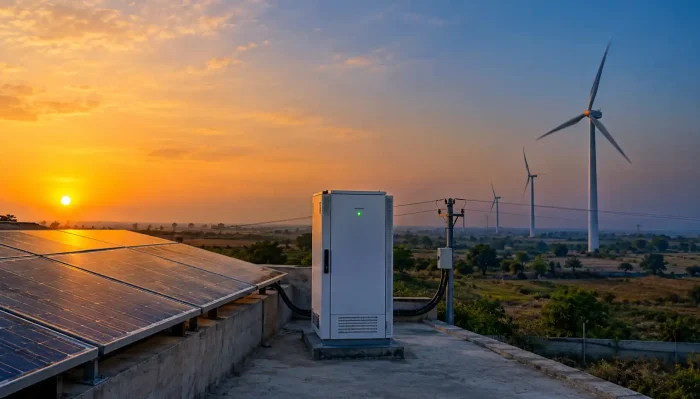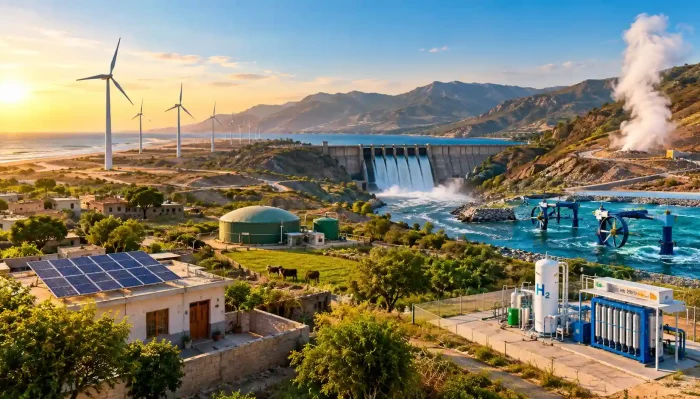
The price of electricity in Pakistan has increased drastically, and load shedding is on a regular schedule, wherein Housewives and shopkeepers are most affected. Due to this, many individuals are turning to solar energy both to save on their electricity bills and to have a dependable source of power. Therefore, what is the price of solar panel installation in Pakistan? The price you receive depends on a variety of factors, including the size of your solar system, panel brand, inverter style, installation, and whether or not you choose battery backup.
In this post, we’ll cover the big expenses when going solar, give general cost estimates based on system size, and describe the variables that can influence the final quote.
Why is Solar Energy in High Demand in Pakistan?
The increasing price of grid electricity is among the reasons more homes in Pakistan are turning to solar. A solar system can produce power during the day to offset the use of the conventional power grid.
Net metering has also made many users go solar. With a net metering contract, the surplus electricity produced by an eligible system can be fed into the grid subject to terms and conditions.
It is also for load shedding. In particular, if designed appropriately, solar power can offer a more dependable source of electricity, especially when used in conjunction with battery storage or a hybrid inverter.
Along with saving money, solar also has the potential to allow families to become less dependent on traditional electricity generation and instead tap into a renewable source of power.
Full Breakdown of the Cost of Solar Panel Installation
Being able to see what your funds are going towards can help make comparing solar packages easier and help you avoid any surprise costs.
1: Solar Panels
Typically, solar panels represent one of the biggest portions of the total system cost. The cost depends on the manufacturer, technology, efficiency, quality, and market conditions. Premium imported panels can have a premium price, while other solutions may have a lower initial cost. Solar plate price in Pakistan will fetch you different amounts of money depending on the brand as well as market fluctuations. For a rough number, the prices may go down to PKR 35 to PKR 55 per watt.
2: Solar Inverter
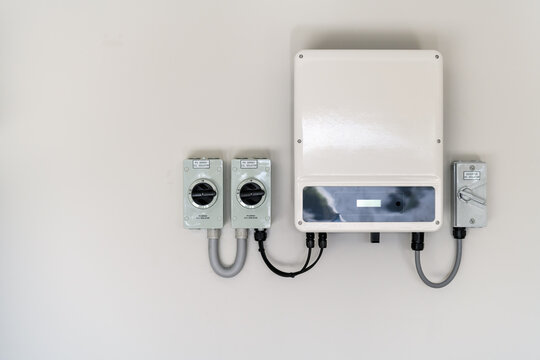
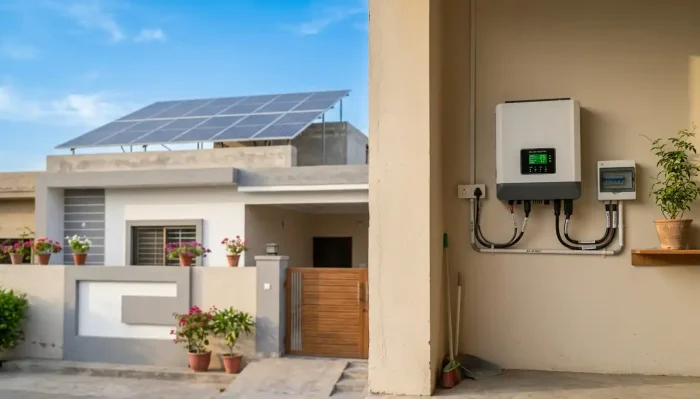
The Inverter transforms DC electricity generated by solar panels to AC electricity for use in the home.
The on-grid inverter is cheaper and simpler because the grid is there to support it. Hybrid Inverters for Solar Systems give homeowners the ability to have backup power. They can be connected to batteries. Each of the off-grid systems is built for locations where much higher standards of reliability are required.
It’s crucial to select the right size of the inverter. An undersized inverter may not be able to take the load, and an oversized inverter will increase the total solar system installation cost in Pakistan.
3: Battery Backup
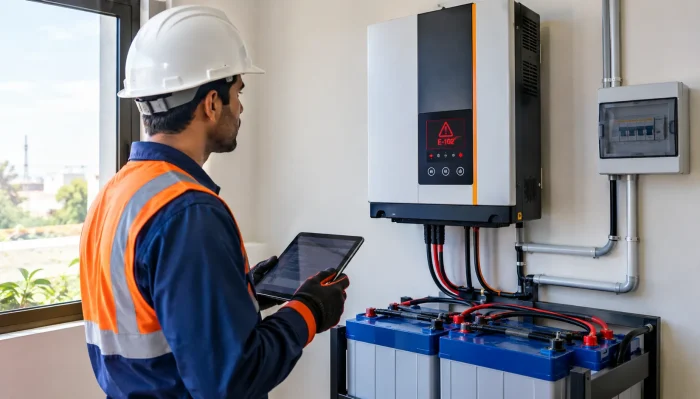
A battery is not necessary for a lot of home solar systems on the grid. Batteries, on the other hand, only matter if you want your solar system to keep generating during grid outages.
The initial cost of lithium batteries is usually higher, but they have a long useful life and good performance characteristics. The initial cost of a tubular battery can be cheaper, and it might need replacing sooner.
Off-grid batteries can add a whole lot to the cost of a system, so some people install panels and an inverter first, and add storage later.
4: Mounting Structure and Wiring
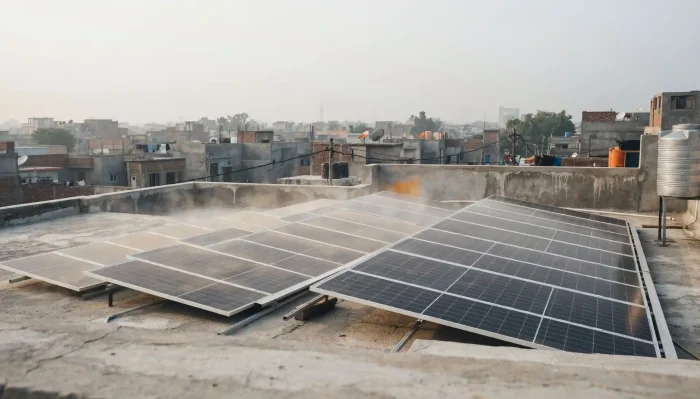
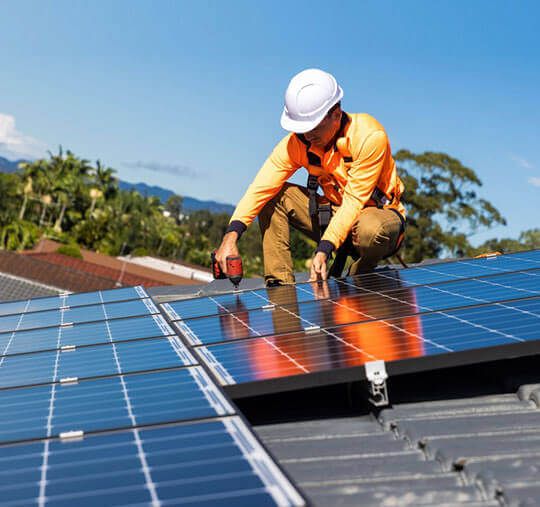
Solar panels require a sturdy mounting structure to hold them securely on the roof. The type of structure needed is determined by the roof profile and the desired installation angle.
For flat roofs, additional framing may be needed to achieve the proper panel angle. The condition of the roof can also influence installation costs.
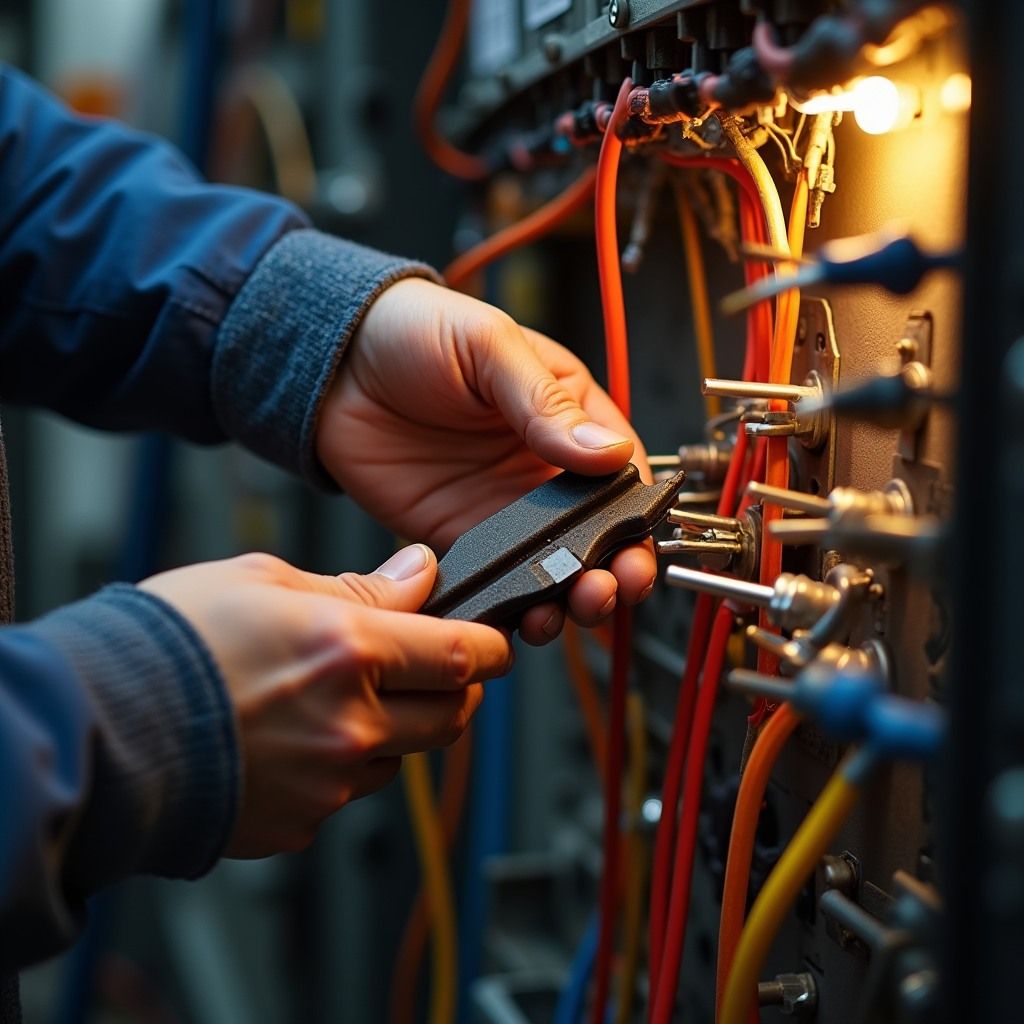
Quality wiring and protective equipment are also important considerations. Correct electrical connections are vital for the safety and performance of the system.
5: Installation and Labour Charges
The roof with panels is mounted, the inverter is installed, the electrical system is wired, equipment is configured, and the entire system is tested.
The cost of labour for installation of solar panels in Pakistan may go up to the range of PKR 50,000 to PKR 150,000. The exact cost depends on the size of the system, how accessible the roof is, the requirements of the building structure, and how simple or complex the installation is.
Solar System Prices by Size in Pakistan
The capacity of the system you require would depend upon your electricity usage and the appliances that you want to run.
3kW Solar System
A 3kW system is appropriate for small homes with very low electricity demand. A few appliances, such as fans, lights, a fridge, and a few medium loads.
The total cost for a 3kW system ranges from Rs. 500,000 to 750,000 depending on the equipment chosen and the requirements for installation.
5kW Solar System
A 5kW system is a larger system and is more ideal for a family of 3-4 people that uses a moderate amount of energy.
It runs your standard kitchen appliances and then some — if properly designed, it can even accommodate air-conditioning loads. Approximately PKR 800,000 to PKR 1,200,000 is the cost.
10kW Solar System
A 10kW system is for larger homes, offices, or small commercial establishments with higher electricity requirements.
Cost: PKR 1,400,000 – PKR 2,200,000 (Cost varies as per choice of panels, inverter, battery requirements, mounting structure, and installation)
Factors Influencing the Cost of Solar Panel Installation
The end cost of solar installation can vary due to a range of factors, including:
- Capacity of the solar system
- Brand and quality of panel
- Type and size of inverter
- Battery storage needs
- Size and condition of roof
- Degree of sunlight
- Shadows surrounding the property
- Level of difficulty in installation
- Need for mounting structures
- Wiring and safety equipment
- Regional and shipping costs
Because of this, two houses with the same electricity bill could still get very different quotes for solar installation.
Solar System for Home: Cost vs Savings
A home solar system may reduce dependence on grid electricity significantly. Potential savings: Capability Savings takes into account the electricity used in the home, system size, solar generation, electricity fares, and other factors to calculate potential savings.
For instance, for a family with a monthly electricity bill of PKR 30,000 to PKR 50,000, a sizable drop in its grid electricity usage could be expected if several watts of solar are installed on the roof.
The initial investment can be recouped after several years from the savings on the electricity bill. The actual payback period is different from house to house, so it’s best to work out your own electricity bill rather than using a blanket estimate.
In addition, a solar panel can continue to produce electricity for many years. Standard panel warranties are typically 20 years or more, and panels are expected to have a 25-30 year lifespan.
On-Grid vs. Off-Grid vs. Hybrid Solar Power Systems
There are119 factors to consider when selecting a package for three common system configurations.
On-Grid Solar System
An on-grid system is grid-tied. Since there are no storage batteries, it usually costs less.
However, a normal grid-tied system will usually go off the grid when the grid fails for safety reasons if the system does not have some type of backup.
Off-Grid Solar System
The off-grid system is built to run autonomously from the electricity grid. Batteries are typically a key feature of such a system.
An off-grid solar system can be much more expensive as it requires additional batteries and equipment when compared to a simple on-grid system.
Hybrid Solar System
A hybrid system mixes solar production with utility power and battery backup. It allows use of the grid, such as for net metering and as a battery recharge source, while providing backup power during outages.
A hybrid system can be a good option for a lot of homeowners who want to have solar savings and backup capability.
Hidden Fees That You Should Take Into Consideration
The marked-up price of the solar package doesn‘t always cover all the expenses that you will have to pay in the future. Expect additional charges for:
- Panel cleaning and routine maintenance
- Electrical protection equipment
- Net-metering-associated fees
- Battery replacement
- Inverter replacement
- Wiring repairs
- Roof repairs prior to installation
- Structural modifications
Knowledge of these potential costs will give you a better sense of what to expect when considering solar system ownership.
Solar Cost Calculator in Pakistan
Solar Cost Calculator – A solar cost calculator can be a good tool to help you to get an idea of the kind of system you may need. But the electricity consumption itself should not be the only factor to finalize the system size.
Monitor Your Electricity Consumption
Analyze a few recent electricity bills to find out your average units per month. This will give you a more accurate benchmark to estimate the solar capacity you will need than relying on a single month’s bill.
Determine Appliance Load
Compile a list of all the appliances you use on a regular basis, including air conditioners, refrigerators, washing machines, water pumps, fans, lights, and other electrical equipment.
The system must be designed based on actual usage profiles and the loads that need to run simultaneously.
Evaluate Roof Space
Another factor to consider is roof space. The available space, roof orientation, shading, and installation angle can all influence the number of panels that can be installed.
A professional site assessment can help you to ascertain if your roof can bear your required system.
Choose If You Require Backup
An on-grid system may be enough if your primary concern is to lower your electricity bill. In case you also require electricity during load shedding, then you will have to go for an appropriate hybrid or off-grid setup with backup options.
The Importance of a Solar Cost Calculator
Get an Accurate Solar System Size: Prevents you from buying a solar system that is too large or too small for your needs.
A larger system can increase your initial costs, while a smaller one might not produce the amount of electricity you expect.
So treat the online calculators as rough guides, not firm quotes. A professional solar installer can assess your electricity needs, roof, shade, equipment, and backup requirements to recommend a system.
Pro Tip
Always get a customized assessment from a professional installer instead of relying only on rough estimates. Always ask for a custom evaluation before buying a solar kit. A site-specific quote will give you a more realistic idea of the cost for solar panel installation in Pakistan and also ensures that the system fits your actual electricity needs.
How to Select a Suitable Solar System Planter
Begin by taking a look at your electric bills and calculate your average monthly use. This will provide you with a better basis for choosing the right system size.
Don’t just compare the total cost. Find out what panels, inverter, mounting system, wiring, protection devices, and batteries they provide.
It’s also necessary to check the warranty conditions. Different warranty times can apply to solar modules, inverters, and batteries – make sure you understand exactly who is responsible for what.
And beware of extremely inexpensive packages. A lower price may mean components of lower quality or vital equipment and services excluded. Always compare complete system specifications prior to decision-making.
How Much Will Solar Panel Installation in Pakistan Cost in 2026?
Solar panel installation cost 2026: The solar panel installation prices for 2026 are strongly influenced by the costs of materials, size of the system, complexity of installation, and by supply and demand in the market.
Improvements in panel efficiency, battery technology, monitoring systems, and other elements contribute to the continuing evolution of solar technology.
Since prices may vary, the numbers in this guide are to be considered generalisations and not absolute market rates. Getting an up-to-date quote tailored to the needs of your property is the only way to find out how much the installation will cost.
A properly certified team from Progressive Ventures’ solar installation service handles system design, safe wiring, and net metering compliance the right way the first time.
Solar Technology: What Does the Future Hold for Solar Installation Costs?
Solar technology is continuously improving. Advanced panels can produce more power from the same roof area, and enhanced battery technology can make energy storage more feasible.
Smart monitoring systems are also becoming more common, with homeowners able to monitor solar generation and electricity consumption.
This may affect the future prices of solar panels in Pakistan; however, the cost would still be determined by equipment availability, the rate of exchange, taxes, import restrictions, and the demand in local markets.
Conclusion
So what’s the cost of solar energy in Pakistan? That’s what makes the hobby so infuriating. A 3kW system’s cost can be anywhere between PKR 500,000 and 750,000, and the expense for higher power systems can be a lot more. The total cost of installing solar depends on system size, quality of the panels and inverters, battery storage, roof requirements, wiring, and labor. Track your energy consumption, get a few all-in-one quotes, and have a professional site assessment before you buy.
So you can get a system that meets your real needs rather than buying the cheapest package. Ready to get an accurate quote for your home or business? Contact Progressive Ventures today and our certified team will walk you through a system sized correctly for your actual usage.
FAQS
1. What is the average solar panel installation cost in Pakistan?
The average solar panel installation cost in Pakistan ranges from PKR 500,000 to PKR 2,200,000. The final cost depends on system size, panel quality, inverter type, and whether batteries are included. Smaller systems like 3kW are more affordable, while larger systems such as 10kW cost significantly more.
2. How much does a 3kW solar system cost in Pakistan?
A 3kW solar system price in Pakistan typically falls between PKR 500,000 and PKR 750,000. This system is suitable for small households and can power basic appliances like fans, lights, and a refrigerator.
3. What are solar panel installation labour charges?
The solar panel installation labour cost in Pakistan usually ranges from PKR 50,000 to PKR 150,000. These charges cover panel mounting, wiring, inverter setup, and system testing. Costs may increase if the installation is complex or requires additional structural work.
4. Is solar cheaper than electricity in Pakistan?
Yes, solar energy is cheaper in the long run. Although the upfront solar installation price is high, it significantly reduces monthly electricity bills. Most homeowners recover their investment within 3 to 5 years, after which electricity becomes nearly free.
5. What is the lifespan of a solar panel system?
A standard solar panel system lasts 20 to 25 years. High-quality panels often come with performance warranties, ensuring they continue to produce electricity efficiently over time with minimal maintenance.
6. How long does it take to recover solar installation cost?
The average payback period for a solar system for home in Pakistan is 3 to 5 years. This depends on electricity usage, system size, and savings on monthly bills.
7. What is included in a solar panel package?
A typical solar panel package includes solar panels, an inverter, mounting structure, wiring, safety equipment, and installation services. Some packages may also include batteries depending on the system type.
8. Do solar panels work during load shedding?
Yes, but only if your system includes batteries or is a hybrid/off-grid setup. Standard on-grid systems shut down during power outages for safety reasons.