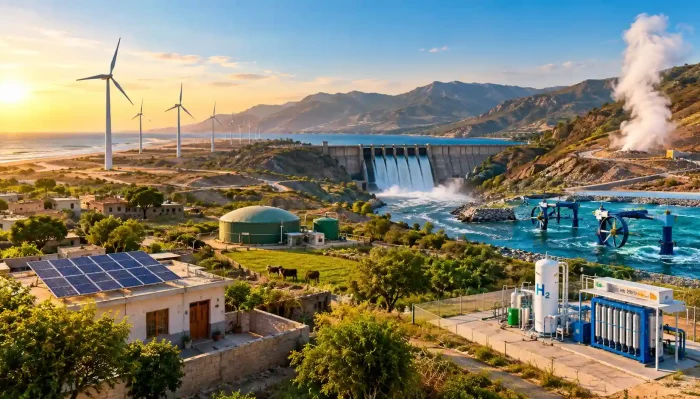
Pakistan’s increasing electricity prices, frequent load shedding, and growing demand for reliable energy have encouraged many homeowners and businesses to switch to solar power. While most people are familiar with on-grid solar systems connected to the national electricity network, an off-grid solar system offers complete energy independence by generating and storing its own electricity.
Whether you live in a remote village, own a farmhouse, operate a business in an area with unreliable power, or simply want freedom from rising electricity bills, an off-grid solar system can provide a dependable long-term solution.
In this guide, you’ll learn what an off-grid solar system is, how it works, its key components, advantages, disadvantages, and whether it is the right choice for homes and businesses in Pakistan.
What is an Off-Grid Solar System?
An off-grid solar system is a self-sufficient renewable energy system designed to produce, store, and supply electricity without any connection to the public utility grid. Unlike on-grid systems that depend on WAPDA for backup electricity, an off-grid system generates all the power a property needs using sunlight.
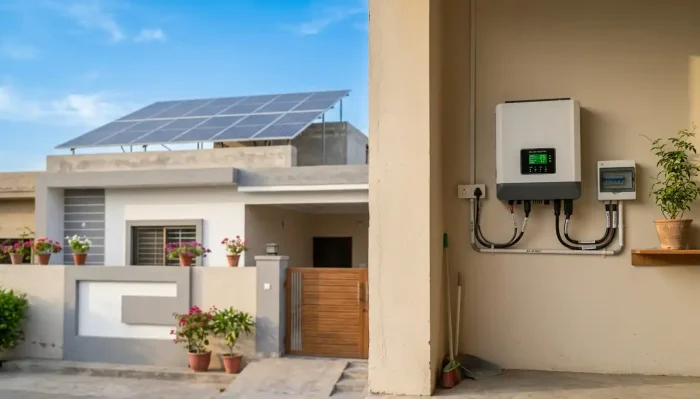
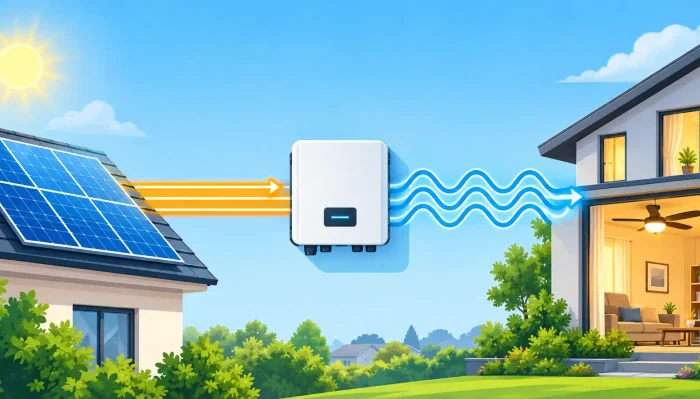
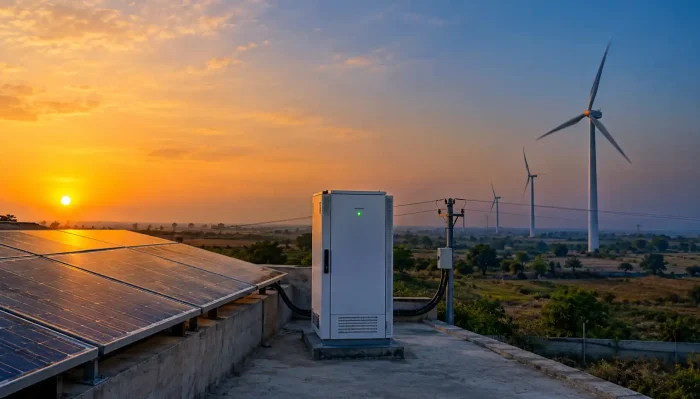
During the day, solar panels convert sunlight into electricity. Any electricity that is not immediately used is stored in solar batteries. At night or on cloudy days, the stored energy powers lights, fans, refrigerators, air conditioners, and other electrical appliances through a solar inverter.
Because it operates independently, an off-grid solar system is especially valuable in rural areas, farms, mountain regions, construction sites, and locations where electricity infrastructure is unavailable or unreliable.
For many homeowners in Pakistan, an off-grid system also provides peace of mind during prolonged load shedding, ensuring essential appliances continue running without interruption.
How Is an Off-Grid Solar System Different from an On-Grid System?
The biggest difference is that an off-grid system does not depend on the national electricity network.
An on-grid solar system sends excess electricity to the utility through net metering and draws electricity from the grid when solar production is low. In contrast, an off-grid system stores surplus electricity in batteries instead of exporting it.
This means an off-grid system requires a carefully designed battery bank capable of supplying electricity during the night and periods of poor weather.
Key differences include:
| Feature | Off-Grid Solar System | On-Grid Solar System |
|---|---|---|
| Connected to WAPDA | No | Yes |
| Battery Storage | Required | Usually Not Required |
| Net Metering | Not Available | Available |
| Operates During Power Outages | Yes | Usually No |
| Best For | Remote Areas & Backup Power | Urban Homes |
Why Choose an Off-Grid Solar Power System?
An off-grid solar power system allows users to produce their own electricity without depending on a utility provider. This independence is especially valuable in Pakistan, where power interruptions are common.
Instead of relying on diesel generators or unstable grid electricity, solar systems produce clean energy from sunlight
Key Advantages
Energy Independence
You are not dependent on the national grid. Your electricity is generated and stored on your own property.
Reliable Power Supply
Battery storage ensures electricity is available even during nighttime or cloudy days.
Lower Long-Term Energy Costs
Although installation requires an upfront investment, solar energy reduces electricity bills over time.
Environmentally Friendly
Solar power produces clean energy and helps reduce carbon emissions. According to the International Energy Agency, solar energy is one of the fastest-growing clean energy sources worldwide
Ideal for Remote Locations
Off-grid solar systems are perfect for areas where grid connections are difficult or expensive.
Because of these benefits, many homeowners, farms, and commercial buildings are adopting solar panel off-grid systems across Pakistan. Professional installers like Progressive Ventures help customers choose the right system size to maximize performance and value.
Off-Grid Solar System Components
To understand what an off-grid solar system is, it is important to know the major components that make the system work.
A typical solar panel off-grid system includes the following parts.
Solar Pannels
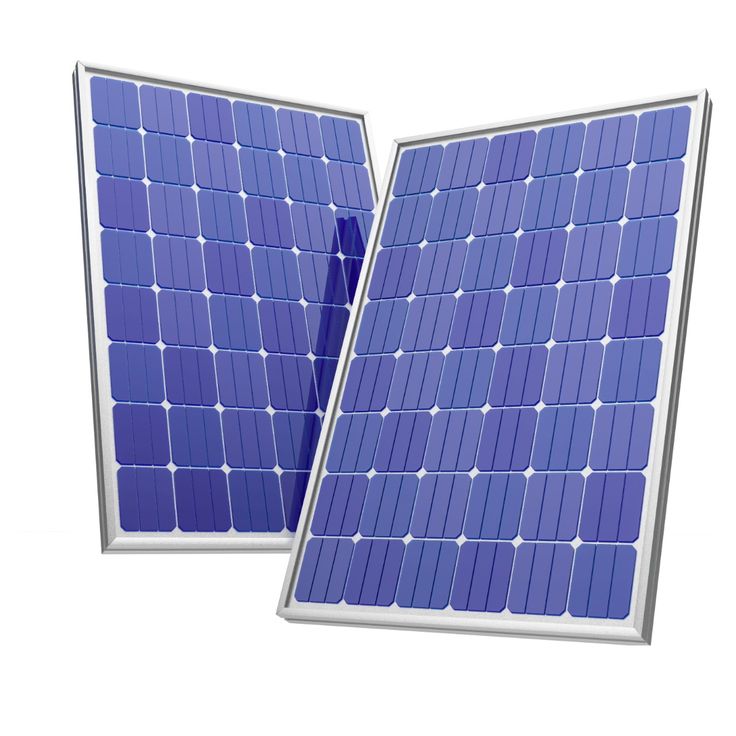
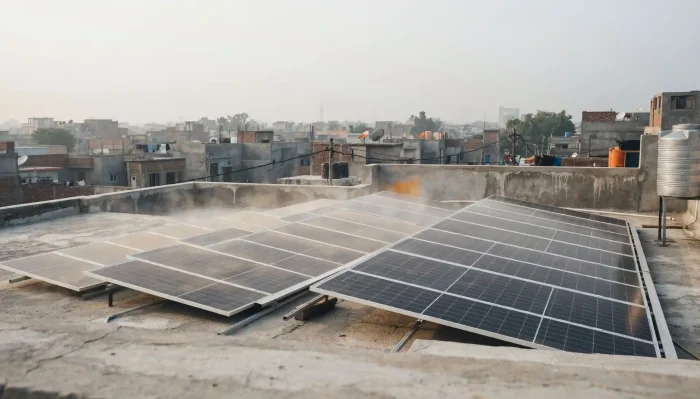
Solar panels are the most visible component of the system. They capture sunlight and convert it into electricity.
High-quality panels increase energy production and improve system efficiency. In Pakistan, solar panels must also withstand heat, dust, and changing weather conditions, which makes quality an important factor.
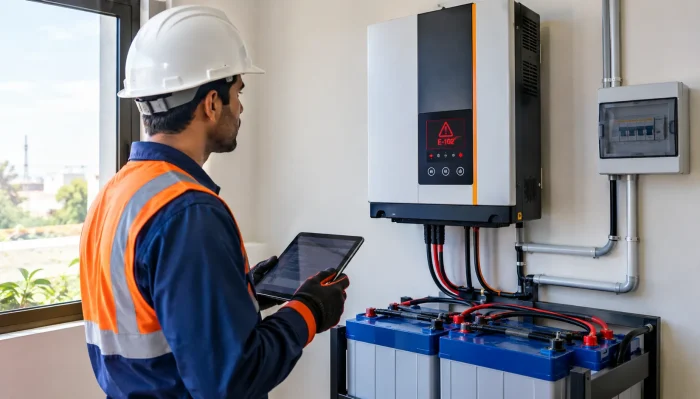
Batteries
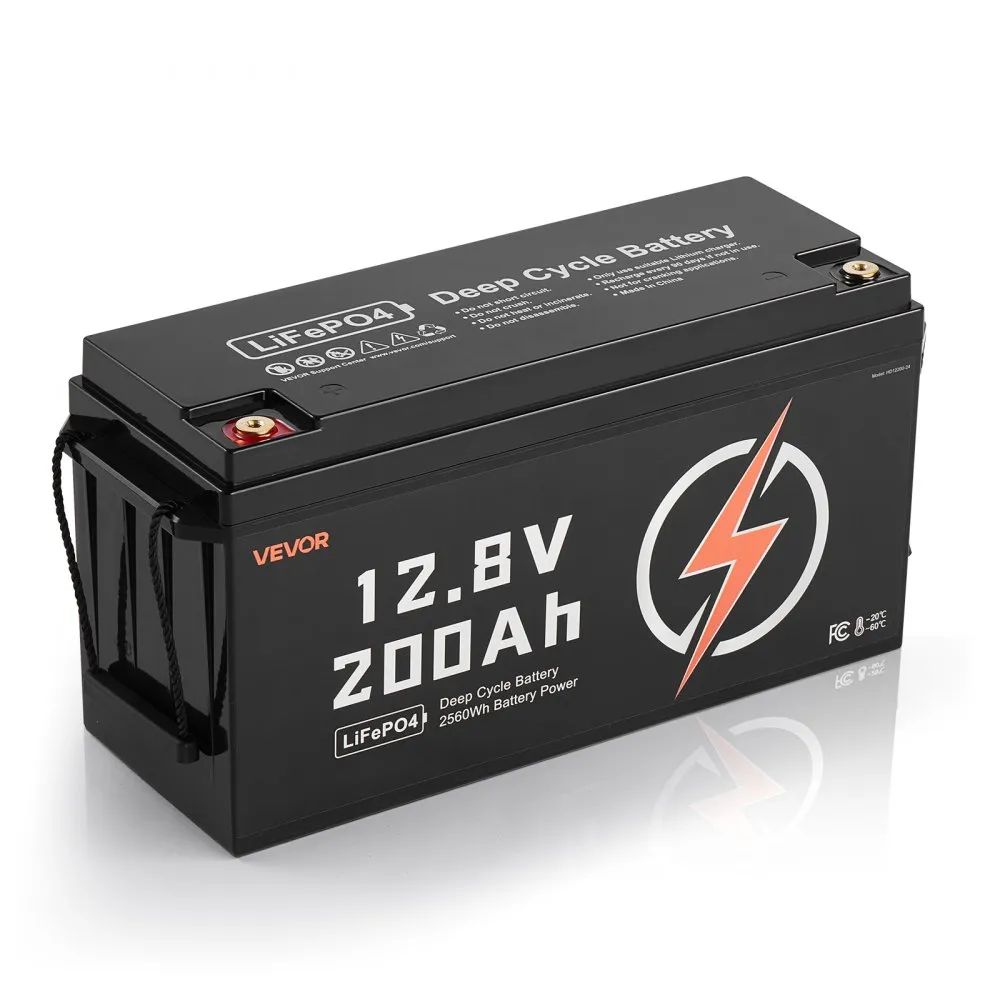
Batteries store the electricity generated by solar panels. This stored energy can be used at night or during cloudy weather.
Two common battery types used in Pakistan include:
-
Lithium-ion batteries
-
Tubular lead-acid batteries
Lithium – ion batteries generally offer longer lifespan and better performance, while tubular batteries are more budget-friendly.
Battery capacity determines how long your home can run without sunlight.
Charge Controller
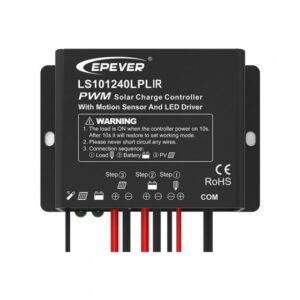
The charge controller manages the flow of electricity from the solar panels to the batteries.
Its main job is to prevent overcharging or deep discharging, which protects battery life and keeps the system working efficiently.
Inverter
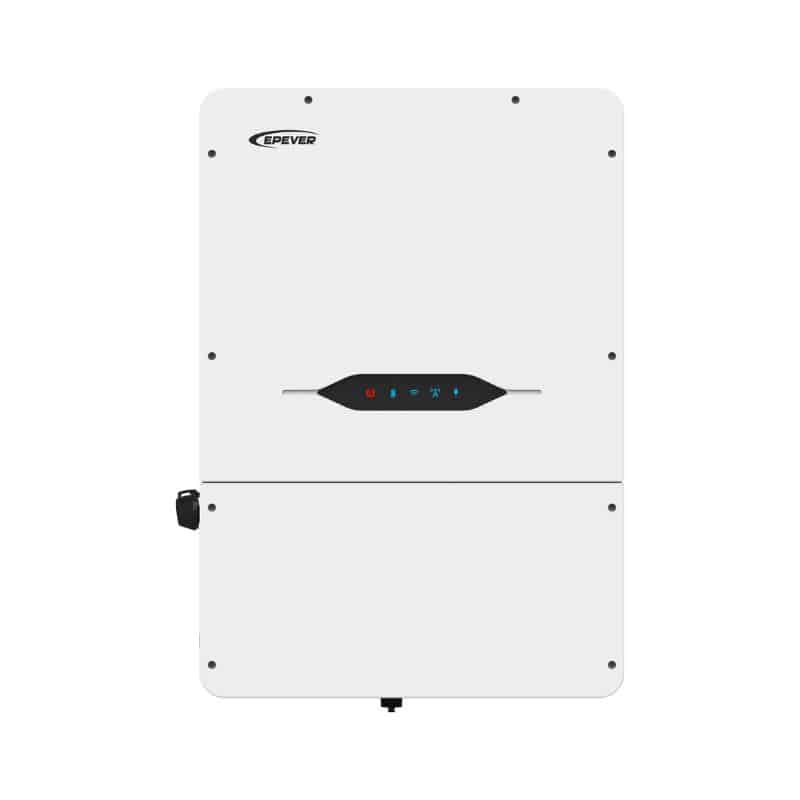
Solar panels generate electricity in direct current (DC) form, but most household appliances operate on alternating current (AC).
The inverter converts DC electricity from the batteries into AC electricity so it can power devices such as:
-
lights
-
fans
-
refrigerators
-
computers
-
machinery
Choosing the right inverter ensures stable voltage and smooth operation.
Mounting Structure and Wiring
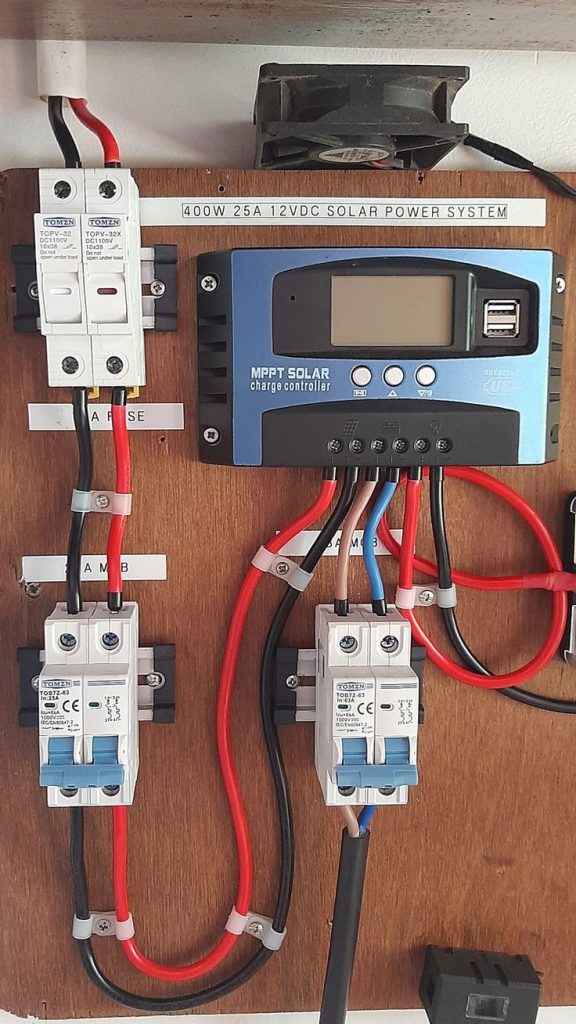
Solar panels must be mounted securely to capture maximum sunlight.
Proper wiring and connectors ensure:
-
safe electricity flow
-
minimal energy loss
-
system durability
Good installation practices improve system performance and safety.
How a Solar Panel Off-Grid System Works
The working process of an off-grid solar system is simple but very efficient.
Here is how energy flows through the system.
Step 1: Solar Panels Capture Sunlight
During daylight hours, solar panels absorb sunlight and convert it into DC electricity.
Step 2: Electricity Passes Through Charge Controller
The charge controller regulates power and safely directs it to the batteries.
Step 3: Batteries Store Energy
Extra energy produced during the day is stored in batteries for later use.
Step 4: Inverter Converts Power
When electricity is needed, the inverter converts stored DC power into AC electricity for appliances.
Because of this system, electricity is available day and night without relying on the national grid.
Off-Grid Solar System Cost in Pakistan
One of the most common questions homeowners ask is about the off-grid solar system cost in Pakistan.
The price depends on several factors, including system size, battery capacity, and installation requirements.
Average Price Range
| System Size | Estimated Cost |
|---|---|
| 3kW System | PKR 700,000 – 900,000 |
| 5kW System | PKR 900,000 – 1,200,000 |
| 10kW System | PKR 1,800,000 – 2,500,000 |
Factors Affecting Cost
Several elements influence the total investment.
-
Solar panel quality
-
Battery technology
-
Inverter capacity
-
Installation complexity
-
Mounting structure and wiring
-
Warranty and maintenance services
Also Read: Average cost to install solar panels
Off-Grid Solar System Installation Process
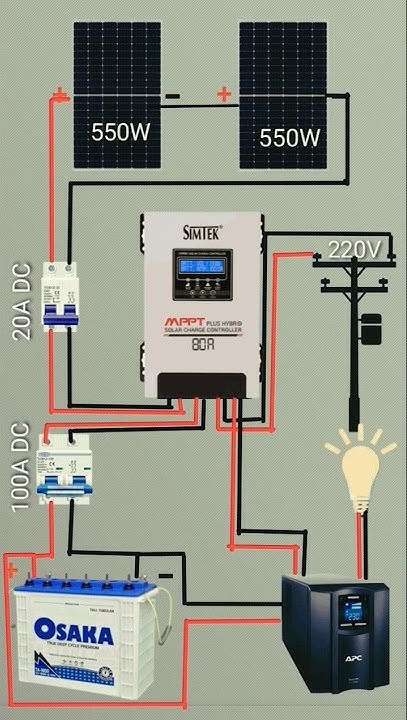
A proper off-grid solar system installation requires planning and technical expertise.
The installation process usually follows several important steps.
1. Site Inspection
Solar experts evaluate the roof space, sunlight exposure, and daily electricity usage.
2. System Design
Engineers determine the number of panels, battery capacity, and inverter type needed.
3. Panel Installation
Solar panels are mounted at the optimal angle to capture maximum sunlight.
4. Electrical Wiring
Panels, batteries, charge controllers, and inverters are safely connected.
5. System Testing
The system is tested to ensure it operates correctly and safely.
Professional installation improves system efficiency and helps prevent long-term technical issues. Progressive Ventures’ solar installation services ensure proper system design, high-quality equipment, and expert setup, allowing your off-grid solar system to operate safely and efficiently for many years.
Difference Between On-Grid and Off-Grid Solar Systems
Many people researching solar energy also want to understand the difference between on grid and off grid solar system.
| Feature | Off-Grid System | On-Grid System |
|---|---|---|
| Grid Connection | Not required | Required |
| Battery Storage | Essential | Optional |
| Power During Outages | Available | Not available |
| Independence | Full | Partial |
| Initial Cost | Higher | Lower |
Off-grid systems are ideal for remote areas, while on-grid systems work best where the national grid is stable.
Maintaining an Off-Grid Solar System
Solar systems require minimal maintenance, but regular care improves performance and lifespan.
Maintenance Tips
-
Clean solar panels every few months
-
Remove dust and debris
-
Check battery charge levels
-
Inspect wiring and connections
-
Schedule a professional inspection annually
Following a proper solar panel maintenance guide ensures the system operates efficiently for many years.
Choosing the Right Off-Grid Solar System
Before installing a solar panel off-grid system, homeowners should consider several factors.
Important Considerations
-
daily electricity consumption
-
battery backup requirements
-
available roof space
-
sunlight exposure
-
budget and maintenance plans
Consulting experienced solar providers helps ensure the system is properly sized and designed.
Conclusion
An off-grid solar system in Pakistan is an ideal solution for homeowners, businesses, and rural communities seeking reliable, independent, and environmentally friendly electricity. By combining solar panels, batteries, a charge controller, and an inverter, these systems provide continuous power without relying on the national grid.
While the initial investment is higher than an on-grid system, the long-term benefits—including protection from load shedding, reduced electricity costs, and energy independence—make it a worthwhile investment for many users. Choosing high-quality components, accurately sizing the system, and working with experienced installers are essential for achieving the best performance and return on investment.
As electricity demand continues to rise across Pakistan, investing in a professionally designed off-grid solar system can provide dependable power for years to come while supporting a cleaner and more sustainable energy future.
FAQs
What is an off-grid solar system in Pakistan?
An off-grid solar system in Pakistan is a solar power setup that works independently without connecting to the national electricity grid. It generates electricity using solar panels and stores it in batteries, allowing homes and businesses to have power even during load shedding or in areas without electricity.
What is the meaning of off-grid solar system?
The meaning of an off-grid solar system is a self-sufficient energy solution that produces and stores its own electricity. It does not rely on any external power source, making it ideal for remote locations and areas with unreliable electricity supply.
How do off grid solar panels work?
Off grid solar panels work by capturing sunlight and converting it into electricity. This energy is stored in batteries through a charge controller, and an inverter converts it into usable power for running household appliances anytime, even at night.
Is an off-grid solar system expensive in Pakistan?
An off-grid solar system can have a higher initial cost because it includes batteries and installation. However, it provides long-term savings by reducing or eliminating electricity bills and offering a reliable alternative to generators.
Can I run my entire house on an off-grid solar system?
Yes, you can run your entire house on an off-grid solar system if the system is designed according to your energy needs. A properly sized system with enough battery storage can support daily appliances like lights, fans, refrigerators, and more.
What are the main benefits of off-grid solar panels in Pakistan?
The main benefits of off-grid solar panels in Pakistan include energy independence, protection from power outages, reduced electricity costs, and environmentally friendly energy production, making them a practical solution for many households.