If you’re considering going solar, this question comes up practically every time. How do solar panels work at night? No. Simply put, they don’t. The panels need sunlight to create energy and they can’t do that at all in the dark. But that doesn’t imply your house becomes dark at sunset.
Battery storage and net metering keep the lights on after dark. This tutorial tells you exactly how it works and the real costs for homes in Pakistan.
How Do Solar Panels Generate Electricity?
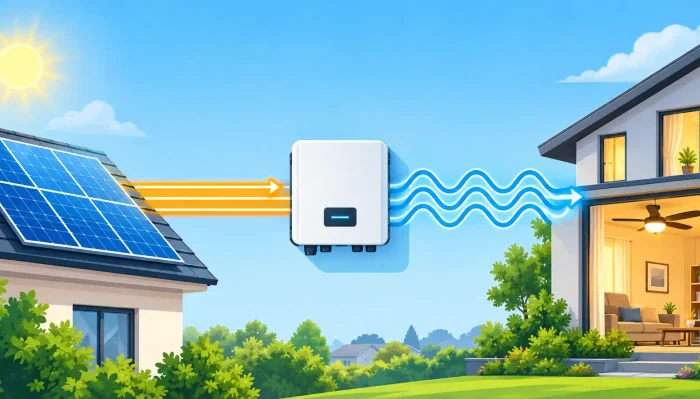
Solar panels use photovoltaic cells, which are primarily made of silicon, to convert sunlight into electricity. When light reaches these cells, photons knock electrons free, and that movement produces an electric current. Then an inverter converts the current from DC to the AC power that your house utilizes.
The whole chain relies on incoming sunlight. It slows it down. Cloud cover. In full darkness it stops altogether.
Why Sunlight Specifically Matters
Panels need actual sunlight , not just any light source to create a usable current . Moonlight is just reflected sunlight, and just a tiny fraction of the intensity. Moonlight is just sunlight being reflected . Some very sensitive panels might be able to detect a trace amount of energy from moonlight , but it is just too small to power anything in your house.
Why Solar Panels Stop Working at Night
People often inquire how solar panels work at night because their lights remain on after sunset. The honest answer is that they don’t. In reality, what happens is that the energy produced earlier in the day is saved, or credited for later usage.
A few things happen as the sun goes down:
Sunlight disappears. Photovoltaic cells cannot generate current without direct or indirect sunlight hitting them.
Radiation drops gradually. As the sun sets, output falls step by step until it hits zero.
Conversion stops entirely. With no incoming photons, the photovoltaic effect simply cannot occur.
This is why a typical solar production graph peaks around midday and flattens to zero by nightfall.
How Solar Energy Powers Your Home After Sunset
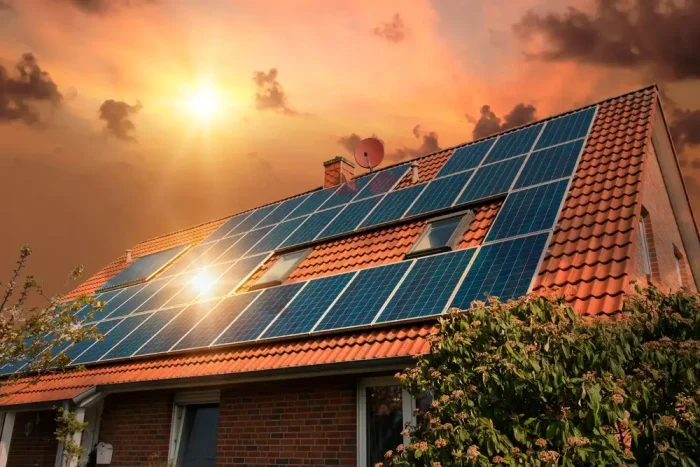
The panels may turn off, but does solar power work at night in a practical sense? Yes, in three main configurations.
Solar Batteries
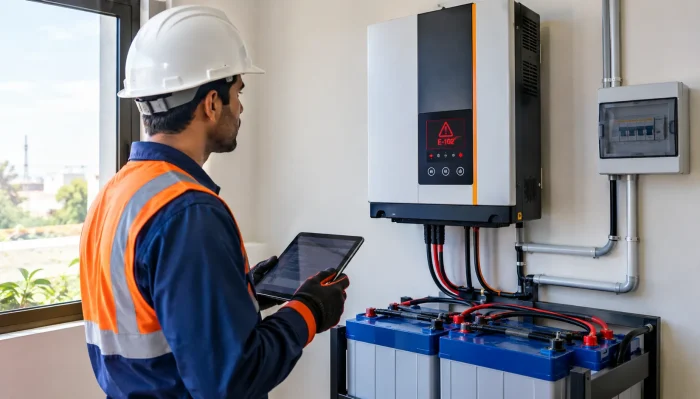
Panels charge a battery during the day with any electricity your home doesn’t use immediately. That battery drains at night and powers your home instead of taking from the grid . The most common choices for this purpose are lithium-ion and lithium iron phosphate batteries, as they hold a charge well and endure for years with moderate use.
With a battery solution you gain energy independence, backup power during outages, lower expenses and better use of the electricity your solar panels already produced.
Net Metering Credits
Net metering lets you send your spare daytime electricity back to the grid and earn credits from your provider. At night you pull power from the grid as normal and those credits offset what you use. Think of it as the grid being a shared battery for the neighborhood.
Hybrid Systems
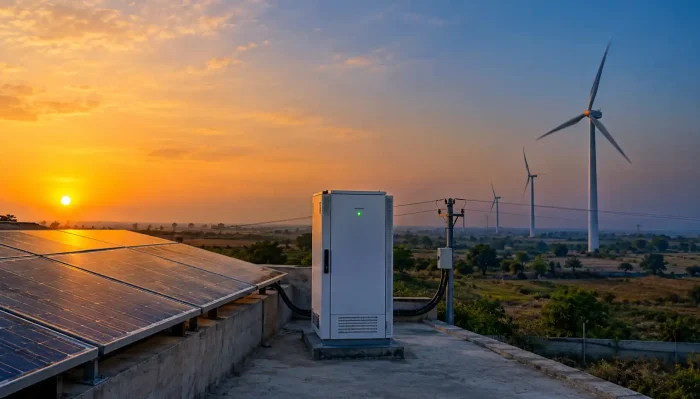
One such system is a hybrid system that includes panels, battery storage and grid connectivity. The sunny hours flow the panels right into the house and charge the battery. Once night falls, the battery takes precedence, with the grid providing power only if the battery runs low.
Can Moonlight Generate Any Power?
This is one of the most stubborn myths in solar power. Technically, moonlight is reflected sunlight, although its intensity is less than 0.1 percent of direct daylight.
That implies a panel under moonlight might provide an almost unfathomable trickle of current, hardly enough to power even a modest appliance. Moonlight is essentially zero output for all purposes.
What Happens During a Power Outage at Night?
The majority of homeowners expect solar panels to automatically keep the lights on during a blackout. A normal grid-tied system doesn’t work that way.
Without a battery, a grid-tied solar system shuts down during an outage for safety reasons, and your home loses power just like any other house on the street.
With a battery, stored energy keeps running even when the grid goes down, so essential appliances stay on for as long as the battery lasts.
If backup power during outages matters to you, battery storage is worth budgeting for from the start.
How Much Battery Storage Do You Need for Nighttime Use?
The correct battery capacity will depend on your household’s energy use, how many appliances you operate overnight, air conditioning load and how long you want backup power to last.
A home using 20 to 30 kWh a day typically falls into one of these ranges:
| Usage Type | Recommended Battery Capacity |
| Essential loads only | 5–10 kWh |
| Moderate household use | 10–15 kWh |
| Whole home backup | 15–30+ kWh |
A proper site assessment is the most reliable way to size a battery correctly instead of guessing.
Read More: How Much Energy Does a Solar Panel Produce?
Net Metering and Nighttime Solar Use in Pakistan
The textbook version of net metering is a little different than the way it works on the ground here. Under Pakistan’s net metering regime, a house with a grid-connected solar system feeds excess daytime electricity back into the distribution company, and gets a credit on the monthly payment. The electricity drawn from the grid offsets the credits at night.
For homeowners who are choosing this path a few practical issues matter. Approval and meter installation through your local distribution provider can take several weeks, so build this into your construction plan. Credits tend to rollover within a billing cycle, not payout in cash, so a larger system doesn’t necessarily mean a larger payout. And during protracted outages or load shedding, a net metering configuration without a battery still leaves you without power, as the grid connection is what makes the credits usable.
For homes dealing with frequent load shedding, pairing net metering with even a modest battery bank tends to work better than relying on grid credits alone.
Battery Storage Costs for Nighttime Solar in Pakistan
Battery pricing in Pakistan varies by chemistry, brand, and capacity, but the ranges below give a realistic starting point for budgeting.
| Battery Capacity | Estimated Cost (PKR) | Typical Use |
| 5 kWh | 350,000–550,000 | Essential loads, lights, fans, router |
| 10 kWh | 650,000–1,000,000 | Moderate household use overnight |
| 15 kWh | 950,000–1,450,000 | Larger homes with AC use at night |
| 20+ kWh | 1,300,000+ | Whole home backup, multiple AC units |
Lithium iron phosphate batteries are normally a bit more expensive than older lead acid options upfront but live much longer and take daily charge cycles far better which tends to make them the superior long term choice for nighttime.
How Much Battery Storage Is Needed for Nighttime Use?
Battery requirements depend on:
- Household energy consumption
- Number of appliances
- Air conditioning usage
- Desired backup duration
Example
A typical household consuming 20–30 kWh daily may require:
| Usage Type | Recommended Battery Capacity |
|---|---|
| Essential Loads Only | 5–10 kWh |
| Moderate Household Use | 10–15 kWh |
| Whole Home Backup | 15–30+ kWh |
A professional solar assessment can determine the ideal battery size for your specific needs.
Do Off-Grid Solar Systems Work at Night?
Yes. Off-grid systems are designed to operate 24/7. Panels, battery bank, charge controllers and inverter work in tandem.
During the day, the batteries are charged with extra electricity. That energy is stored and used to power the residence at night. Sizing the battery correctly here is even more critical than for a grid-tied situation because there is no utility connection to fall back on.
Advantages of Using Solar Energy at Night
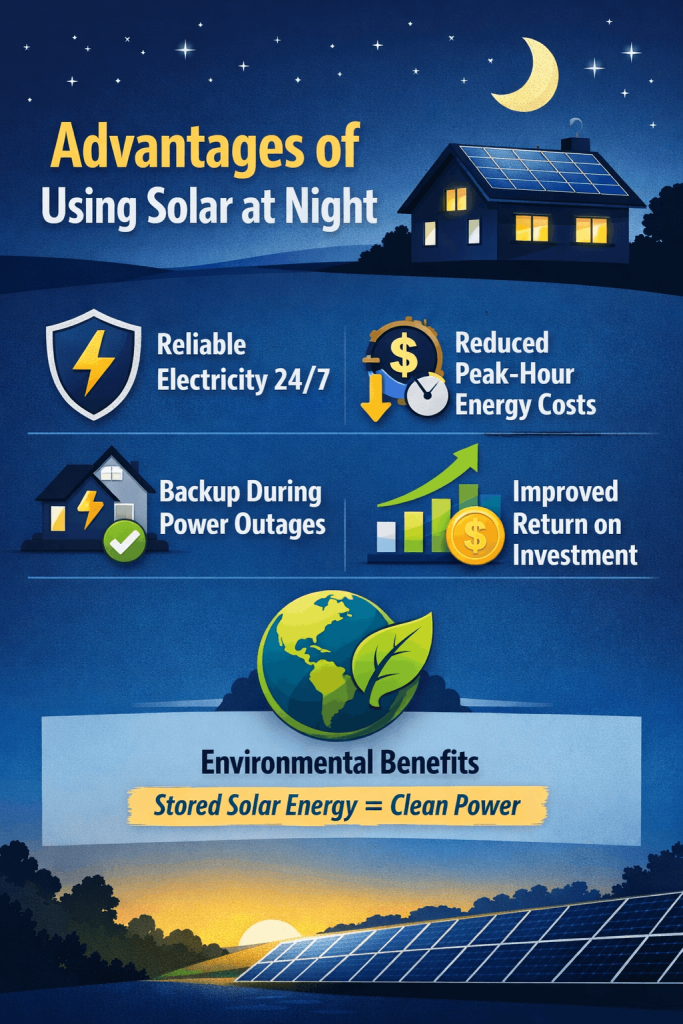
The panels themselves go quiet after sunset, but a well-designed solar system still provides considerable benefits overnight.
Reliable power around the clock. A battery bank keeps electricity available continuously, so your home is not limited to daylight hours only.
Lower peak-hour costs. Evening hours are often when grid electricity costs the most. Drawing from a battery instead of the grid during that window can noticeably cut your bill.
Backup during outages. Stored solar energy can keep lights, fans, a fridge, and internet running through a blackout, which matters a lot in areas with frequent load shedding.
Better return on your system. Using more of your own generated power at night, instead of exporting all of it to the grid, gets more value out of the same installation.
Lower environmental impact. Power pulled from a battery at night is still clean energy, cutting reliance on fossil-fuel generation after dark.
More energy independence. The less you depend on the grid, the less exposed you are to future tariff increases.
Less wasted generation. Without storage, excess daytime power often just goes back to the grid for a modest credit. A battery lets you use more of what you already paid to generate.
Factors That Affect Nighttime Solar Availability
A few variables decide how much power is realistically available once the sun goes down.
- Battery capacity. A larger battery banks more daytime energy for later.
- Daily sunlight hours. More sun during the day means more energy to store.
- Household consumption. Heavy nighttime use drains a battery faster.
- System design. A properly sized system balances generation, storage, and daily use.
- Season. Shorter winter days generate less energy than long summer days, which affects how far a battery stretches overnight.
Is Solar Energy Still Worth It If Panels Don’t Work at Night?
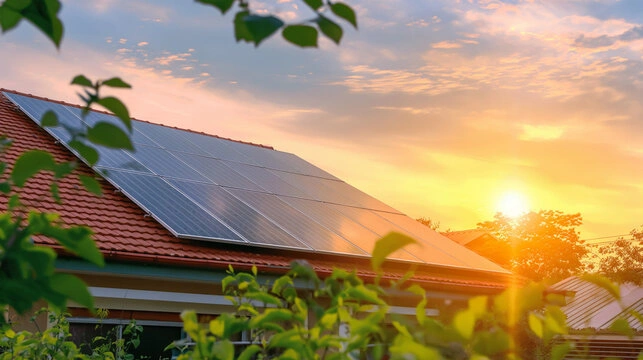
Yes, And with the nighttime gap, solar still minimizes your monthly rates, lessens your carbon footprint and reduces how dependent you are on the power company.
With a battery or net metering, a solar system continues to perform efficiently day and night. The panels themselves just need to do well in daylight, and storage and grid credits will take care of the rest.
Common Myths About Solar Panels at Night
Myth: Solar panels generate power all day and night. Fact: Panels only produce electricity while sunlight is hitting them.
Myth: Moonlight can power a solar system. Fact: Moonlight is far too weak to generate anything usable.
Myth: A solar home loses power every single night. Fact: Batteries and net metering keep most solar homes running normally after dark.
Myth: You must have a battery to use solar at night. Fact: Plenty of homeowners rely on net metering credits instead of a battery bank.
Conclusion
So, do solar panels work at night? No, they need sunlight to produce electricity, and once that’s gone, so is the output. But a well-built solar system still keeps your home running after dark.
Battery storage, net metering, or a hybrid setup all get the job done. Pick the right one and you get reliable power around the clock, plus lower bills and a smaller environmental footprint.
Thinking about going solar? A properly sized Solar Panel Installation, paired with the right battery setup, makes the biggest difference in how much independence you actually get from the grid.
Get in touch with our team. We’ll help you pick the right panels, battery, and system size for dependable power, day and night.
Frequently Asked Questions
Do solar panels work at night?
No. Solar panels require sunlight to generate electricity and stop producing power after sunset.
Does a solar panel work at night during a full moon?
No. Moonlight is too weak to generate enough electricity for practical use.
How do solar panels work at night?
Solar panels themselves do not work at night. Homes use stored battery energy or electricity supplied through net metering and the utility grid.
Does solar energy work at night?
Yes. While solar panels stop producing electricity, stored solar energy or grid credits can provide power after dark.
Can I run my house entirely on solar power at night?
Yes, if your solar system includes sufficient battery storage to meet nighttime energy demands.
What is the best way to use solar energy at night?
Installing a solar battery system is generally the most effective way to use solar energy after sunset.