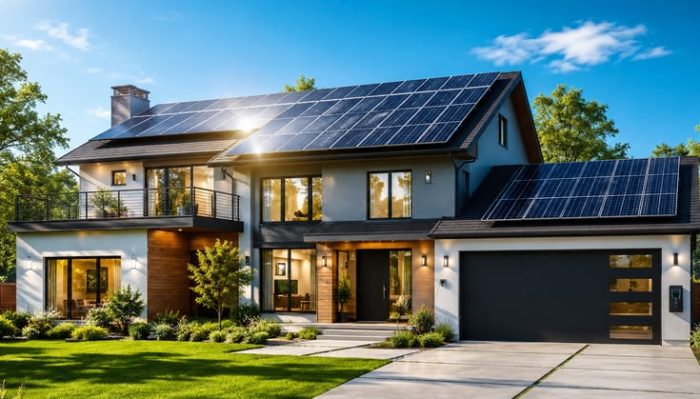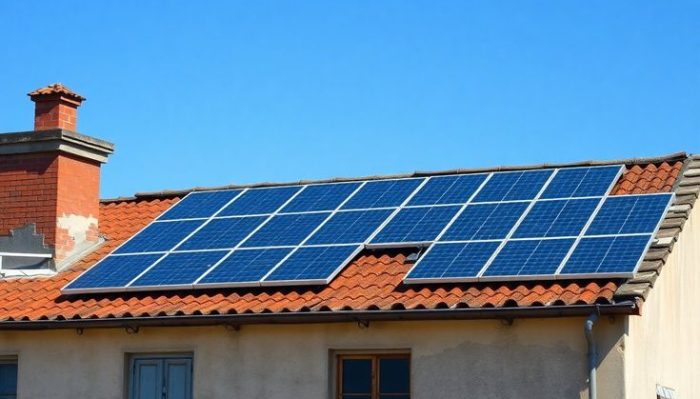
Do solar panels work in winter? Yes, solar panels work efficiently in winter across Pakistan. Cold weather does not stop them; in fact, solar cells actually function more efficiently in cooler temperatures because lower temperatures reduce electrical resistance.
However, while the technology itself works better in the cold, your total winter energy output drops. In Pakistan, this drop isn’t caused by the cold—it is driven by shorter daylight hours, a lower sun angle, and dense regional fog.
Quick Answer
Yes, solar panels work in winter and in cold weather. They run on sunlight, not heat, so freezing temperatures do not stop them. In most Pakistani cities, winter output drops between 15% and 45% compared to summer, mainly because of shorter days, a lower sun angle, and fog, not the cold itself.
How Do Solar Panels Actually Work in Winter?
A solar panel is made of photovoltaic (PV) cells, built from a material called silicon. Silicon is a semiconductor. When sunlight hits it, tiny particles of light called photons knock electrons loose inside the cell. That movement of electrons creates an electric current. This is the basic answer to how do solar panels work in the winter: the same way they work any other day. They need light, not warmth.
This is where a common myth causes confusion. People assume solar panels need heat to run, the same way a car engine needs to warm up. That is not true. Panels care about light, not temperature. In fact, cold air can help them.
Here is why. Every solar panel has something called a temperature coefficient. In plain terms, it means panels lose a small amount of efficiency as they heat up. On a very hot day, a panel can run several degrees hotter than the air around it, and that extra heat slows down the electrons. On a cool, clear winter day, the same panel runs closer to its ideal temperature and can actually convert sunlight a bit more efficiently. So cold weather itself is not the enemy. Shorter days and weak, hazy light are.
This also links directly to a question people ask often: do solar panels need direct sunlight? Not always. They work best with direct sun, but they still produce power from scattered or diffuse light on cloudy or foggy days. Output just drops.
Do Solar Panels Work in Cold Weather?
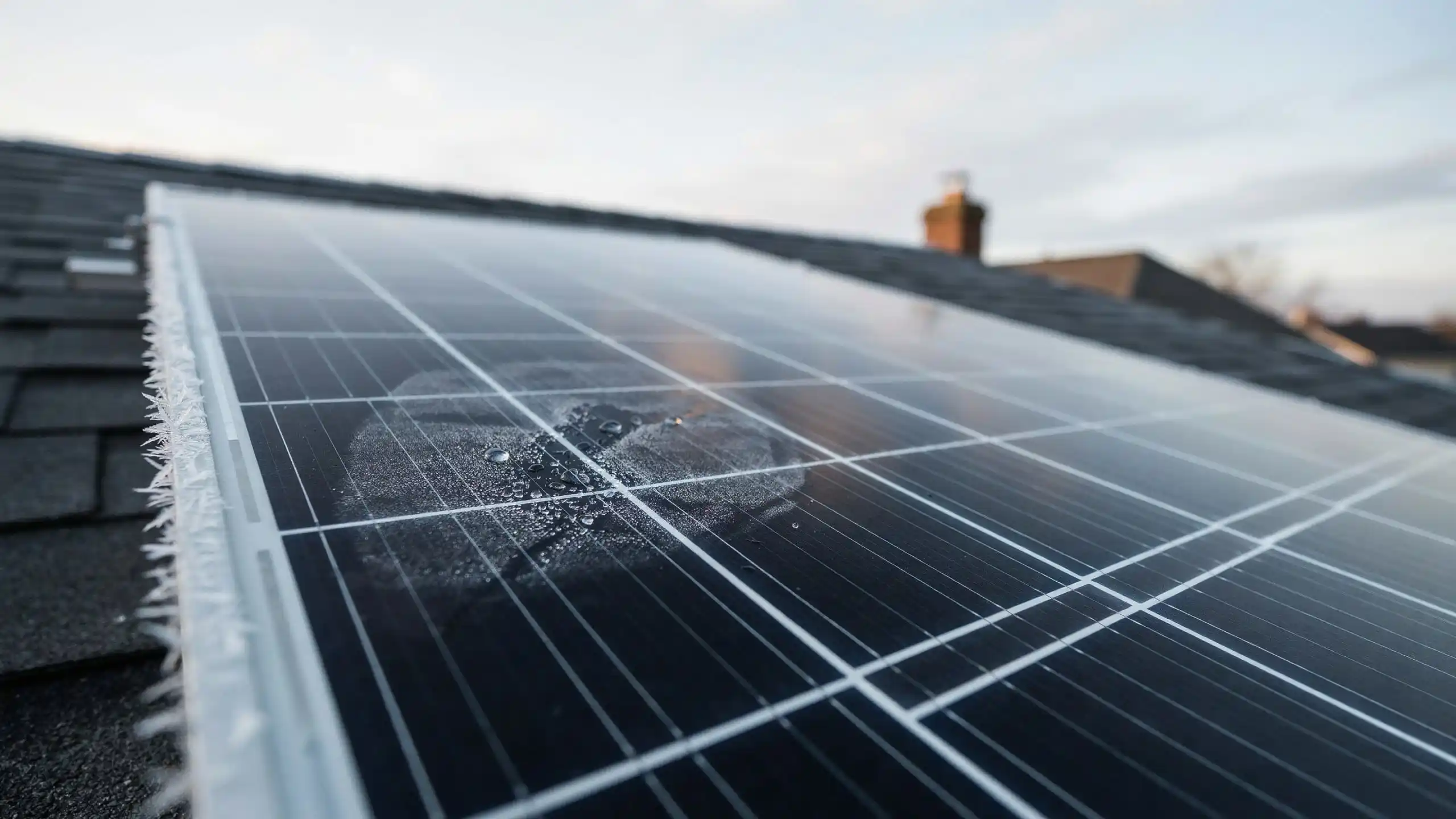
Yes. Solar panels are built and tested to handle serious cold. Most residential panels are rated to work in temperatures as low as minus 40 degrees Celsius. Frost on the surface does not damage the cells underneath. The panel itself is sealed and weatherproof.
The real risk in cold weather is not the panel losing power. It is water. If moisture gets into a crack or a poorly sealed edge and then freezes, the ice can expand and cause damage over time. This is why proper installation and good quality panels matter more in cold regions.
Here is a simple comparison of what actually affects output:
| Condition | Effect on solar output |
| Very hot day, 40°C and above | Efficiency drops, output can fall 10% to 25% |
| Cool, clear winter day | Efficiency stays strong, sometimes slightly higher |
| Freezing but sunny | Normal output, cold alone causes no drop |
| Panel covered in snow or thick fog | Output drops sharply until it clears |
The takeaway is simple. Do solar panels work in cold weather? Yes, without any trouble. What actually cuts your output is a blocked panel or weak light, not the temperature on the thermometer.
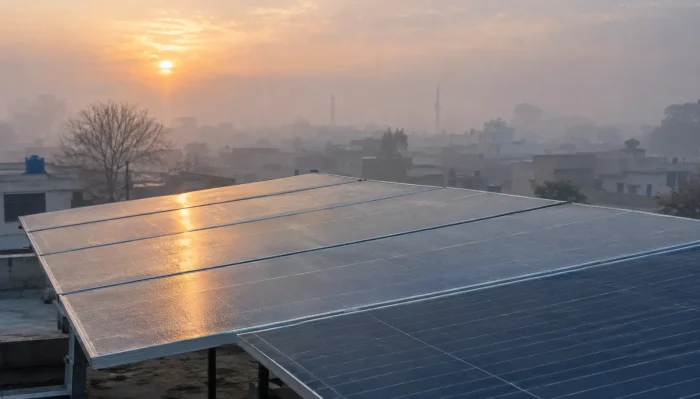
Winter in Pakistan Is Different: Fog and Smog, Not Snow
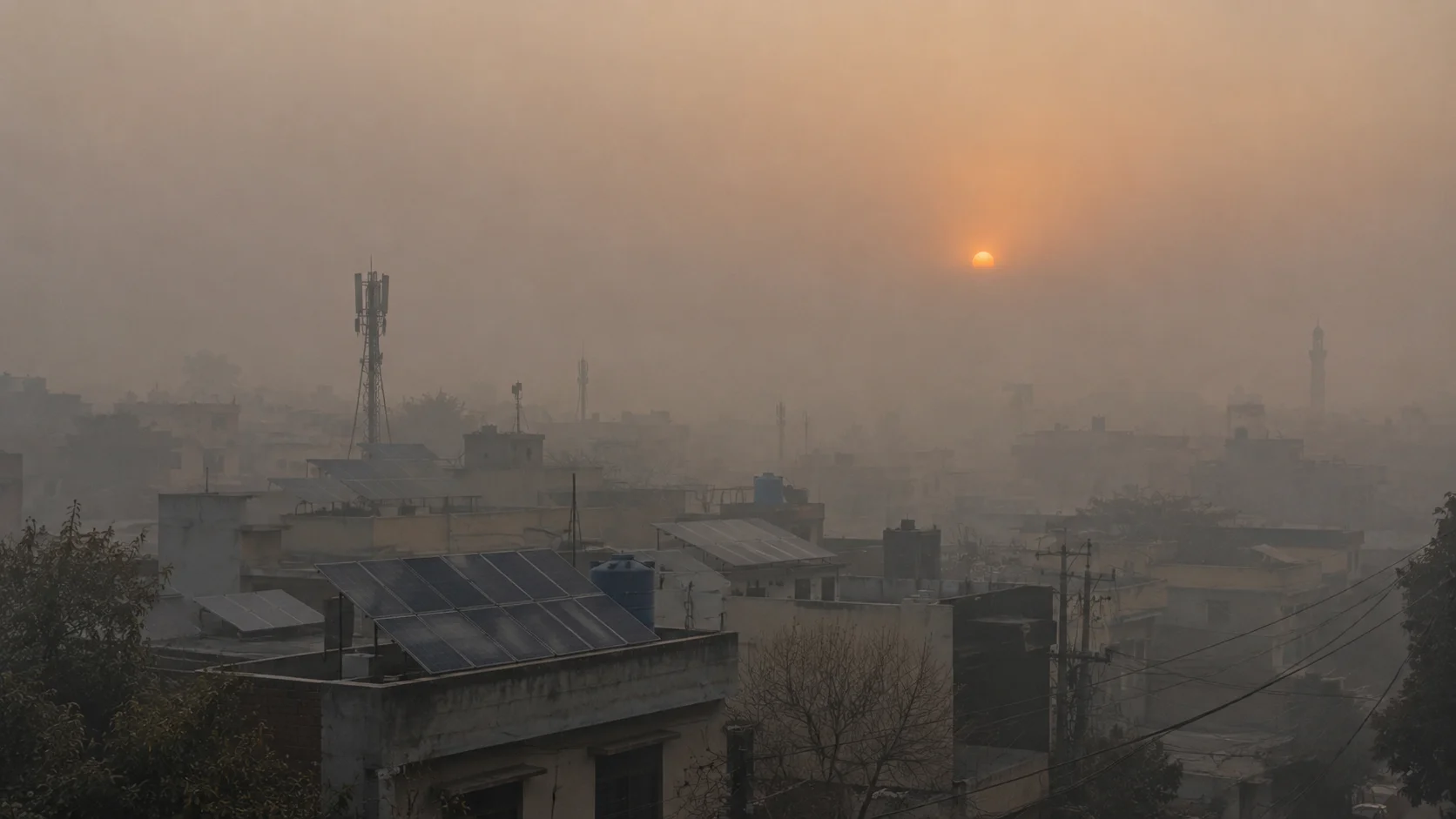
To optimize a solar system for Pakistan’s winter smog and fog, adjust the physical hardware setup by increasing the panel tilt angle to 35°–40° and washing the glass weekly with mild soap and water to remove sticky carbon residue.
On the electrical side, raise the battery’s minimum State of Charge buffer to 40%–50% and enable scheduled off-peak grid charging via the inverter settings to maintain uninterrupted backup power during prolonged foggy periods. For further details on optimizing your solar configuration or adjusting inverter settings, consult your local provider or system installer.
How Much Less Electricity Do Solar Panels Produce in Winter in Pakistan?
Numbers help more than guesses. Based on satellite solar data collected over a full year for several major Pakistani cities, here is what a 1 kW solar system typically produces per day in summer compared to winter.
| City | Summer output (kWh/day per kW) | Winter output (kWh/day per kW) | Approx. winter drop |
| Lahore | 6.33 | 3.55 | ~44% |
| Islamabad | 6.80 | 3.75 | ~45% |
| Multan | 6.67 | 3.94 | ~41% |
| Karachi | 6.02 | 5.18 | ~14% |
A few things stand out here. Karachi barely dips in winter, since it gets more consistent sun and far less fog. Lahore and Islamabad see the biggest drop, which lines up with both the lower sun angle in northern Pakistan and the fog problem we just covered. If you are sizing a system, this table matters more than any generic rule of thumb, since your city’s climate changes the math.
Net Metering and Winter: What Happens to Your Bill?
NEPRA’s February 2026 Prosumer Regulations replace Pakistan’s solar net metering system with a net billing setup, dropping surplus power buying rates to Rs. 11 per unit while retail costs remain Rs. 40 to Rs. 60 per unit. Existing contracts signed before February 2026 remain valid until expiration, while new connections face eliminated summer-to-winter credit banking, making hybrid battery storage systems more financially viable.
Does Snow Stop Solar Panels?
For most of Pakistan, this is not really a concern. But if you live in or install systems in Murree, Gilgit, Skardu, Hunza, or other high-altitude northern areas, snow accumulation is a real seasonal issue.
A light dusting of snow usually melts off quickly, especially if panels are installed at a steeper tilt angle, which helps snow slide off rather than pile up. Heavy snowfall can fully cover a panel and stop production until it clears. In snow-prone regions, installers sometimes recommend snow guards to control how snow sheds off a roof, or special coatings that reduce how much snow sticks to the glass. A soft snow rake can also clear panels by hand, though this should be done carefully to avoid scratching the surface.
If you are in Lahore, Karachi, Multan, Islamabad, or most of the plains, this section does not apply to you. Your winter challenge is fog and shorter days, not snow.
5 Ways to Maximize Solar Output in a Pakistani Winter
- Set the right tilt angle. Most of Pakistan sits between 24 and 34 degrees north latitude. A steeper winter tilt, closer to 30 degrees facing south, captures more of the lower winter sun than a flat summer-optimized angle.
- Clean your panels more often in winter. Fog leaves a fine layer of moisture and dust residue that builds up faster in winter months. A simple wipe every couple of weeks during foggy season keeps output steady.
- Get your inverter checked before winter starts. A slightly undersized or aging inverter shows its limits most in low-light months. A quick inspection before November can save you a bad surprise in January.
- Add battery storage if load-shedding hits your area in the evening. With net billing rates now lower for exported power, storing your own daytime electricity often makes more financial sense than selling it back.
- Size your system for winter, not just summer. If your home genuinely needs steady power all year, size around your weakest month, not your best one. A qualified team offering Solar Panel Installation can run this calculation properly using your city’s actual seasonal data, not a rough average.
Should You Pair Solar With a Battery for Winter Load-Shedding?
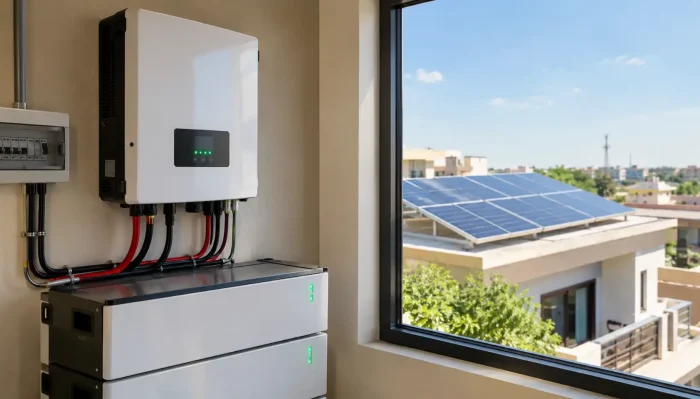
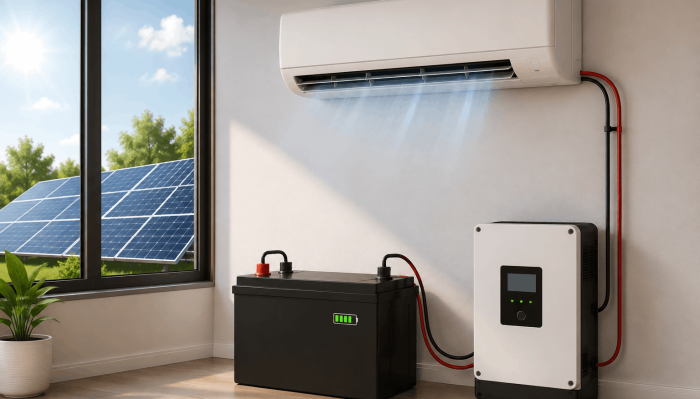
For most Pakistani households, yes. Winter evenings bring shorter daylight and, in many areas, ongoing load-shedding right when the sun goes down. A hybrid inverter paired with battery storage lets you store the power your panels generate during the day and use it after dark, instead of relying on the grid or a generator.
There are three basic setups. An on-grid system sends surplus power to the grid and pulls from it when needed, with no battery backup of its own. An off-grid system runs entirely on batteries and solar, with no grid connection at all, which usually only makes sense in remote areas. A hybrid system uses solar, battery, and the grid together, giving you backup power during outages while still allowing grid use when needed. For most homes dealing with winter load-shedding, hybrid is the practical middle ground.
Monocrystalline vs Polycrystalline: Which Is Better for Fog and Winter Conditions?
Panel type matters more in low-light conditions than people expect. Monocrystalline panels are generally more efficient in weak or diffuse light, which makes them a stronger pick for foggy winter mornings in Punjab. Polycrystalline panels cost less upfront but perform slightly worse when light is scattered rather than direct.
Bifacial panels, which capture light on both the front and back of the panel, can also help in winter. They pick up reflected light bouncing off light-colored rooftops or the ground, which adds a small but useful boost during shorter winter days. If your main concern is do solar panels work on cloudy days as much as clear ones, monocrystalline or bifacial options are worth the extra cost in fog-heavy cities.
Conclusion
Do solar panels work in winter? Yes, in Pakistan and everywhere else. Cold weather is not the problem. Shorter days, a lower sun angle, and in Punjab’s case, fog and smog, are what actually cut your output, and the drop ranges from about 14% in Karachi to 45% in Islamabad and Lahore. With the right tilt, a clean panel surface, a properly sized system, and battery backup where load-shedding hits hardest, solar stays a solid investment through every season.
If you want a system built around your actual city, roof, and winter numbers instead of a generic estimate, Progressive Ventures can walk you through it. Get in touch for a free site assessment and see exactly what your home would produce, in July and in January.
FAQs
Do solar panels work in winter?
Yes. They run on sunlight, not heat, so they keep producing electricity through winter. Output is lower than summer, but the system still works every day there is daylight.
Do solar panels work in the winter?
Yes, in every season, including winter. The main change is the amount of power produced, which drops due to shorter days and, in Pakistan, fog rather than cold.
How do solar panels work in the winter?
The same way they work year round. Sunlight hits the PV cells, knocks electrons loose, and creates an electric current. Cold air does not stop this process and can even help it slightly.
Does solar work in winter?
Yes. Solar systems keep generating power in winter. In Pakistani cities, expect anywhere from a 14% drop in Karachi to a 45% drop in Islamabad compared to summer output.
Do solar panels work in cold weather?
Yes, and often a little better than in extreme heat. Cold weather alone does not reduce output. Panels are rated to handle temperatures as low as minus 40°C.
Do solar panels work in fog or smog?
They still produce power, but less of it. Heavy fog or smog scatters and blocks sunlight, which can cut output by 40% to 70% during those specific hours.
Is solar worth it in Pakistan given the winter drop in output?
For most households, yes. Even with a seasonal drop, solar still lowers your yearly electricity bill significantly given Pakistan’s high grid tariffs. Sizing your system around your city’s real winter numbers, not just summer estimates, makes it worth it.