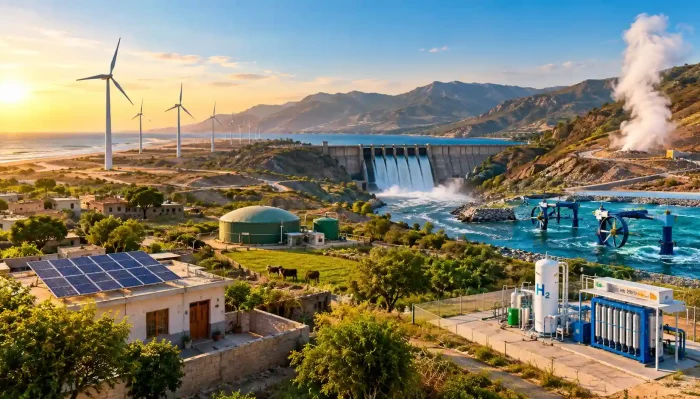
Hydroelectric energy is one of the oldest and most reliable sources of renewable energy in the world. As countries move toward cleaner and more sustainable power solutions, hydropower continues to play a major role in reducing dependence on fossil fuels.
In this guide, we will explore the advantages of hydroelectric energy, how it works, its benefits, limitations, and why it remains a key part of the global energy future.
What Is Hydroelectric Energy?
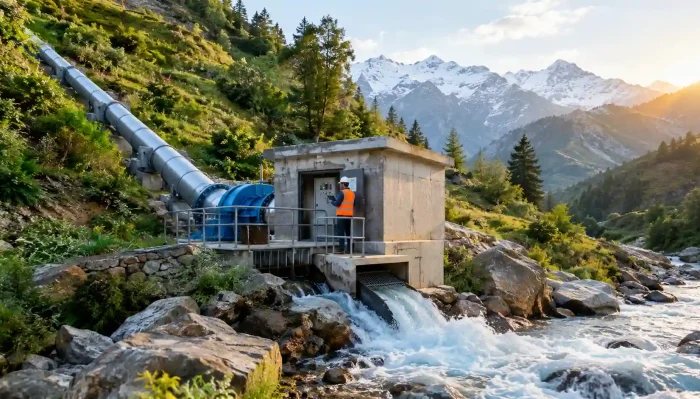
Electricity generated by the flow of water is known as hydroelectric energy. Mechanical energy is transformed into electrical energy when water flows through turbines that are connected to generators. The majority of hydroelectric power facilities are constructed on reservoirs or rivers with controlled water flow.
Hydropower is a renewable energy source since it relies on the natural water cycle, which includes river flow, rainfall, and evaporation.
Why Hydroelectric Energy Is Important Today
In a world facing rising energy costs and climate challenges, hydropower offers a stable and clean solution. It is widely used because it:
- Produces clean electricity
- Reduces dependence on fossil fuels
- Supports national power grids
- Offers long-term energy security
Major Advantages of Hydroelectric Energy
1. Renewable and Sustainable Energy Source
One of the biggest hydroelectric advantages is that it is completely renewable. Water is continuously recycled through the natural water cycle, making it an unlimited energy source.
Unlike coal or gas, hydropower does not get depleted.
2. Clean and Environment-Friendly Power
Hydropower is considered a clean energy source because it:
- Produces no direct air pollution
- Does not release greenhouse gases during operation
- Helps reduce carbon emissions
This makes it a strong solution for fighting climate change.
3. Low Operating and Maintenance Costs
Although building a dam is expensive, the long-term costs are very low.
- No fuel required
- Minimal operational expenses
- Long lifespan (50–100 years or more)
This makes hydropower highly cost-effective in the long run.
4. Reliable and Stable Electricity Production
Unlike solar or wind energy, hydropower is highly consistent.
- Works 24/7
- Not dependent on sunlight or wind
- Provides stable base-load electricity
This reliability is one of the key advantages of hydropower energy.
5. High Energy Efficiency
Hydropower plants are extremely efficient compared to other energy sources.
- Energy conversion efficiency can exceed 90%
- Very little energy loss during production
This makes it one of the most efficient electricity generation methods in the world.
The Significance of Hydroelectric Power in the Modern Era
Concerns about climate change and growing electricity consumption require nations to adopt energy sources that are:
- Dependable
- Economical
- Ecologically responsible
Hydropower meets all of these requirements. It does not rely on combustion like fossil fuels, and unlike some renewable sources, it can generate electricity continuously. According to the U.S. Department of Energy, hydropower is one of the most reliable and cost-effective renewable energy sources available today.
Major Advantages of Hydroelectric Energy
Sustainable and Renewable Energy
One of the strongest advantages of hydroelectric energy is its renewability. Rainfall and snowmelt naturally replenish water, enabling hydropower facilities to function for decades without running out of fuel.
Hydropower is still a viable long-term energy source as long as water resources are handled properly.
2. Eco-Friendly Power Production
Without using fossil fuels, hydropower facilities generate energy. This leads to:
- Absence of air pollution
- No hazardous gasses or smoke
- incredibly minimal carbon emissions while in use
The clean manufacturing process and contribution to climate change mitigation are the answers to questions about the environmental benefits of water power.
You May Also Read: How Do Solar Panels Help the Environment?
3. Superior Energy Efficiency
One of the most effective energy sources on the market today is hydropower. Modern hydroelectric plants are significantly more efficient than coal, oil, or gas power plants, converting up to 90% of the available energy into electricity. According to the International Energy Agency, hydropower remains one of the most efficient and widely used renewable energy sources worldwide.
Hydropower is the favored choice for producing huge amounts of electricity because of its efficiency.
4. Reliable and Consistent Electricity Supply
Hydropower is independent of weather factors like sunshine and wind speed, in contrast to solar or wind energy. Power plants can produce electricity day and night because water flow can be regulated.
The advantages of hydropower are frequently emphasized in national energy planning plans due in large part to this dependability.
5. Minimal Upkeep and Operating Expenses
Hydroelectric plants have relatively cheap long-term operational costs while requiring a large initial investment. Fuel is free, and maintenance needs are foreseeable.
Hydropower facilities are economically appealing over time because many of them continue to operate for 50 to 100 years.
6. Encourages Grid Stability and Energy Storage
Pumped-storage systems provide a special benefit for hydropower. By pumping water to a higher altitude, these systems store extra electricity, which is then released when demand rises.
This capacity facilitates the integration of solar and wind energy and aids in the stabilization of power systems.
7. Lessens Reliance on Fossil Fuels
Countries can lessen their need for imported coal, oil, and gas by producing energy from water. This enhances energy security and shields economies from changes in fuel prices.
This is one of the most useful benefits of hydropower for underdeveloped countries.
8. Extra Advantages Outside of Power
Hydroelectric dams frequently offer many advantages, such as:
- Control of flooding
- Support for agriculture through irrigation
- supply of drinking water
- Tourism and leisure activities
These additional uses increase the overall value of hydropower infrastructure.
Environmental Impact: Recognizing the Difficulties
Even though hydroelectric electricity has many advantages, there may be environmental drawbacks that should be considered. Inadequate design of large dams can have an impact on local communities, fish migration, and river ecosystems.
To allay these worries, contemporary hydropower projects now consist of:
- Systems of fish passage
- Management of environmental flow: Run-of-river designs that cause the least amount of disturbance
Hydropower is still one of the most environmentally friendly large-scale energy sources when properly organized.
Hydroelectric Energy vs Other Renewable Sources
| Feature | Hydropower | Solar Energy | Wind Energy |
|---|---|---|---|
| Power Reliability | High | Medium | Medium |
| Energy Storage | Yes | Limited | Limited |
| Lifespan | Very Long | Medium | Medium |
| Operating Cost | Low | Low | Low |
This comparison helps explain what are the advantages of water power over other renewable technologies, particularly for grid stability.
You May Also Read: How hydropower works
Hydropower’s Place in the Future Energy Mix
Alongside solar and wind, hydropower will continue to be essential as the need for energy rises. Advances in turbine technology, digital monitoring, and small-scale hydropower systems are making it more adaptable and environmentally friendly.
Hydropower is no longer just about large dams—it now includes flexible solutions suitable for local communities and remote areas
Hydroelectric Energy and Water Management
11. Flood Control and Water Supply
Many hydropower dams help manage:
-
Flood risks
-
Irrigation systems
-
Drinking water supply
This multi-purpose use adds significant value beyond electricity generation.
Progressive Ventures: Hydel Energy Installation Solutions
At Progressive Ventures Services, we specialize in Hydel Energy Installation Services, offering end-to-end solutions for small, medium, and large-scale hydropower projects. Our services include:
-
Site assessment and feasibility studies
-
Hydel plant design and installation
-
Turbine and generator integration
-
Operation and maintenance support
By combining technical expertise with sustainable practices, Progressive Ventures Services helps clients transition to reliable and clean hydropower solutions while maximizing long-term efficiency.
Conclusion: The Significance of Hydroelectric Power as a Solution
Hydroelectric energy remains one of the most powerful and reliable renewable energy sources in the world.
Its key benefits include:
- Renewable and sustainable supply
- Clean and environmentally friendly power
- High efficiency and reliability
- Low long-term operational cost
Despite high construction costs, the long-term advantages of hydroelectric energy make it a critical part of global energy systems.
Hydropower is not just an energy source—it is a long-term solution for sustainable development and clean electricity production.
Frequently Asked Questions (FAQs)
What benefits does hydroelectric power offer?
Long-term cost-effectiveness, cleanliness, high efficiency, dependability, and renewability characterize hydroelectric energy. Water management and grid stability are also supported.
What benefits can water power offer?
In addition to providing reliable electricity, water power lowers carbon emissions, facilitates energy storage, and has other advantages, including irrigation and flood control.
What environmental advantages can hydroelectric power offer?
When used properly, hydropower lowers emissions, lessens dependency on fossil fuels, and advances climate change objectives.
What are hydropower’s primary advantages?
High efficiency, extended lifespan, low operating costs, energy security, and the production of renewable electricity are the key advantages of hydropower.
Is hydropower superior to wind or solar energy?
Hydropower is more reliable and offers built-in energy storage, but the best energy systems often combine multiple renewable sources.
What are the disadvantages of hydroelectric energy?
Potential disadvantages include ecosystem disruption and high initial construction costs, which can be minimized through modern design and planning.
Why is hydropower important for developing countries?
Hydropower provides affordable electricity, reduces fuel imports, creates jobs, and supports long-term infrastructure development.