Solar energy has become one of the most popular renewable energy solutions worldwide. However, one question continues to concern homeowners considering solar power: Do solar panels work on cloudy days?
Many people assume that solar panels stop producing electricity whenever the sun disappears behind clouds. Fortunately, that is not true. Modern solar panels can continue generating electricity even during cloudy weather, although their output may be lower than on bright sunny days.
If you live in an area that experiences frequent cloud cover, rain, or seasonal overcast conditions, understanding how solar panels perform in less-than-perfect weather is essential before making an investment.
In this guide, we’ll explain how solar panels work during cloudy weather, how much electricity they can generate, and whether solar energy remains a worthwhile investment in regions with frequent cloud cover.
Do Solar Panels Work on Cloudy Days?
Yes, solar panels work on cloudy days.
Solar panels generate electricity using sunlight, and even when clouds block direct sunlight, some solar radiation still reaches the Earth’s surface. This indirect or diffused sunlight allows solar panels to continue producing electricity.
Depending on cloud density and weather conditions, solar panels typically generate between 10% and 80% of their normal output during cloudy weather.
Key Takeaways
- Solar panels continue generating electricity during cloudy weather.
- Modern solar technology performs well in low-light conditions.
- Output may decrease depending on cloud coverage.
- High-efficiency solar panels perform better during overcast conditions.
- Solar batteries can help store excess energy for cloudy days.
Understanding How Solar Panels Generate Electricity
To understand why solar panels still work when the skies are cloudy, it’s important to know how they generate power.
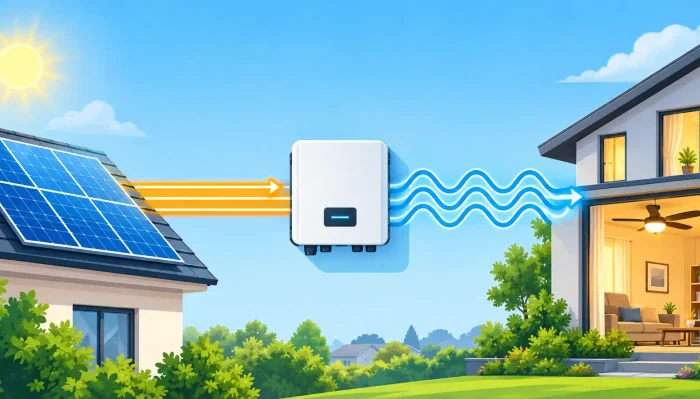
Solar panels contain photovoltaic (PV) cells that convert sunlight into electricity through a process known as the photovoltaic effect.
When sunlight strikes the solar cells, photons transfer energy to electrons inside the semiconductor material. These energized electrons create an electrical current, which is then converted into usable electricity for your home or business.
Solar Panels Need Light, Not Heat
One of the biggest misconceptions about solar energy is that solar panels need hot weather to function.
In reality, solar panels require light, not heat.
This means solar panels can produce electricity even during:
- Cloudy days
- Cold weather
- Winter months
- Foggy conditions
As long as daylight reaches the solar cells, electricity generation can occur. For a detailed explanation of how solar energy works, you can refer to this official source from the U.S. Department of Energy
Do Solar Panels Work in Cloudy Weather?
The simple answer is yes.
Clouds reduce the amount of sunlight reaching solar panels, but they do not block all sunlight completely. A significant amount of solar radiation passes through clouds and reaches the Earth’s surface.
This is why do solar panels work in cloudy weather is one of the most common questions among homeowners, and the answer is reassuring: modern solar systems continue producing electricity even under overcast skies.
The Role of Diffused Sunlight
When sunlight passes through clouds, it becomes scattered. This scattered light is known as diffused sunlight.
Although diffused sunlight is less intense than direct sunlight, solar panels can still absorb it and convert it into electricity.
Modern monocrystalline solar panels are particularly effective at capturing diffused sunlight, making them ideal for areas that experience regular cloud cover.
How Different Cloud Conditions Affect Solar Output
Not all cloudy days are the same. The amount of electricity generated depends on the thickness and density of cloud cover.
Light Cloud Cover
Thin clouds allow a large percentage of sunlight to pass through.
Expected output:
- Approximately 70%–90% of normal production
Partly Cloudy Conditions
Partly cloudy days can sometimes create interesting solar conditions.
Expected output:
- Approximately 40%–80% of normal production
In some rare cases, sunlight reflected from cloud edges can temporarily increase panel output.
Heavy Overcast Conditions
Dense cloud cover significantly reduces solar radiation.
Expected output:
- Approximately 10%–40% of normal production
Storm Clouds and Rain
Heavy storm clouds block most incoming sunlight.
Expected output:
- Approximately 5%–20% of normal production
Even during rainstorms, solar panels continue producing some electricity.
How Much Power Do Solar Panels Produce on a Cloudy Day?
One of the most common questions homeowners ask is: How much power do solar panels produce on a cloudy day?
The answer depends on several factors, including panel efficiency, weather conditions, location, and system size.
Average Solar Production by Weather Condition
| Weather Condition | Approximate Output |
|---|---|
| Bright Sunny Day | 100% |
| Light Clouds | 70%–90% |
| Partly Cloudy | 40%–80% |
| Overcast Skies | 10%–40% |
| Heavy Storm Clouds | 5%–20% |
For example, if your solar system typically produces 30 kWh per day under ideal conditions, it may still generate:
- 21–27 kWh during light cloud cover
- 12–24 kWh during partly cloudy conditions
- 3–12 kWh during heavily overcast weather
This demonstrates that do solar panels generate electricity on cloudy days is not merely a theoretical question—they absolutely do.
Factors That Affect Solar Performance During Cloudy Weather
Several variables influence how much electricity your system can generate during overcast conditions.
1. Solar Panel Efficiency
Higher-efficiency panels capture more available sunlight, making them better suited for cloudy climates.
2. Cloud Thickness
Thin clouds allow more sunlight to pass through than dense storm clouds.
3. Geographic Location
Regions closer to the equator generally receive more annual sunlight than northern regions.
4. Time of Day
Cloud cover during peak sunlight hours has a greater impact on production.
5. Panel Orientation and Tilt
Properly positioned solar panels maximize energy capture throughout the day.
6. System Design Quality
A professionally designed solar system performs more effectively under varying weather conditions.
Which Solar Panels Perform Best in Cloudy Conditions?
Not all solar panels perform equally during low-light conditions.
Monocrystalline Solar Panels
Monocrystalline panels are generally considered the best option for cloudy climates.
Benefits include:
- Higher efficiency ratings
- Better low-light performance
- Greater energy production per square meter
- Longer lifespan
Polycrystalline Solar Panels
Polycrystalline panels are often more affordable but slightly less efficient.
Benefits include:
- Lower upfront costs
- Reliable performance
- Suitable for budget-conscious homeowners
Thin-Film Solar Panels
Thin-film technology can perform reasonably well under diffused light but usually offers lower overall efficiency.
Benefits include:
- Lightweight construction
- Flexible installation options
- Lower manufacturing costs
For homeowners looking to maximize cloudy-day performance, monocrystalline panels remain the preferred choice.
Do Solar Panels Work Better in Cold Weather?
Surprisingly, solar panels often perform more efficiently in cooler temperatures.
Why Cooler Temperatures Help
Excessive heat can reduce solar panel efficiency.
When temperatures rise significantly, electrical resistance inside solar cells increases, which can slightly reduce energy production.
Cooler weather helps maintain optimal operating conditions for solar panels.
This is one reason countries with moderate climates often achieve excellent solar performance despite experiencing cloudy weather.
Real-World Examples of Solar Success in Cloudy Regions
How to Improve Solar Performance During Cloudy Weather
Although cloudy weather naturally reduces production, several strategies can help maximize output.
Install High-Efficiency Solar Panels
Premium solar panels are designed to capture more sunlight under low-light conditions.
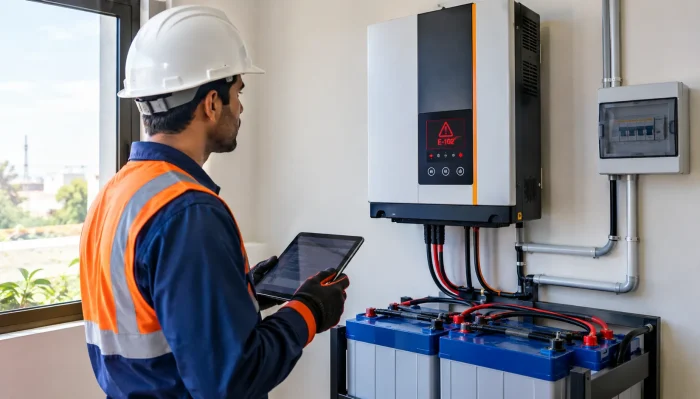
Add Battery Storage
Solar batteries allow homeowners to store excess electricity generated during sunny periods.
Stored energy can then be used during cloudy days, at night, or during grid outages.
Optimize Panel Placement
Proper panel orientation and tilt can significantly improve annual energy production.
Keep Panels Clean
Dust, dirt, bird droppings, and debris can reduce solar panel performance. Regular cleaning and installing a pigeon-proof mesh can help maintain efficiency. You can also read our guide on How to Install Pigeon-Proof Solar Panels for added protection.
Use Quality Inverters
Modern smart inverters improve energy conversion efficiency and system monitoring.
Are Solar Panels Worth It in Areas With Frequent Clouds?
For most homeowners, the answer is yes.
Solar energy should be evaluated based on annual electricity production rather than performance on individual cloudy days.
Even in regions with regular cloud cover, solar systems can generate substantial amounts of electricity throughout the year.
Financial Benefits
Solar energy can help reduce:
- Monthly electricity bills
- Dependence on utility providers
- Exposure to rising electricity costs
Environmental Benefits
Solar power helps reduce:
- Carbon emissions
- Fossil fuel dependence
- Environmental impact
Long-Term Savings
Most solar systems continue operating effectively for 25 years or more, providing long-term financial and environmental benefits. To ensure maximum efficiency, reliability, and long-term performance, it is important to work with a trusted and experienced solar company. Professional installation, high-quality equipment, and ongoing support can significantly impact the lifespan and overall performance of your solar energy system.
Common Myths About Solar Panels and Cloudy Weather
Myth #1: Solar Panels Stop Working on Cloudy Days
Reality: Solar panels continue generating electricity using diffused sunlight.
Myth #2: Solar Panels Need Heat to Produce Energy
Reality: Solar panels require sunlight, not heat.
Myth #3: Solar Is Only Suitable for Sunny Regions
Reality: Many cloudy countries successfully use solar energy on a large scale.
Myth #4: Rain Permanently Reduces Solar Performance
Reality: Rain often helps clean solar panels and improve efficiency afterward.
Conclusion
Solar panels do work on cloudy days, making them a reliable source of renewable energy even in regions that experience frequent overcast weather. While cloud cover can reduce electricity production, modern solar panels are designed to capture both direct and diffuse sunlight, allowing them to continue generating power throughout the day.
The amount of electricity produced will depend on factors such as cloud density, panel efficiency, system design, and geographic location. High-efficiency monocrystalline panels, proper installation, and battery storage systems can further improve performance during cloudy conditions.
Ultimately, solar energy should be evaluated based on annual energy production rather than daily weather fluctuations. Countries with relatively cloudy climates continue to benefit from solar power, proving that sunshine is not the only factor that determines a system’s success. Whether you’re a homeowner looking to lower electricity bills or a business seeking long-term energy savings, solar panels remain a smart and sustainable investment.
Choosing solar energy is not just about sunny days—it’s about long-term savings, sustainability, and energy independence. Even under cloudy skies, solar power continues to deliver value. Contact us today to design and install a system tailored to your energy needs.
Frequently Asked Questions
Do solar panels work on cloudy days?
Yes. Solar panels continue generating electricity during cloudy conditions by capturing diffused sunlight.
Do solar panels work in cloudy weather all year?
Yes. Solar panels produce electricity whenever daylight is available, regardless of the season.
How much power do solar panels produce on a cloudy day?
Most systems generate between 10% and 80% of their normal output, depending on cloud cover and panel efficiency.
Do solar panels generate electricity on cloudy days?
Yes. Solar panels use both direct and indirect sunlight to produce electricity.
Can solar panel work in cloudy weather during rain?
Yes. Solar panels continue operating during rain, although output may temporarily decrease.
Which solar panels are best for cloudy climates?
Monocrystalline solar panels generally offer the highest efficiency and best low-light performance.
Are solar batteries useful during cloudy weather?
Yes. Solar batteries store excess energy generated on sunny days for later use when production decreases.
Do solar panels work during winter?
Yes. Solar panels continue generating electricity during winter and often operate more efficiently in cooler temperatures.