The rapid growth of solar energy in Pakistan has made choosing the right solar battery more important than ever. Whether you’re installing a new solar system or upgrading an existing one, selecting the best battery directly impacts your backup time, electricity savings, maintenance costs, and overall system performance.
With frequent load shedding, rising electricity prices, and increasing awareness of renewable energy, homeowners and businesses are investing in reliable solar battery storage solutions. However, many people struggle to decide between lithium-ion, tubular, AGM, and gel batteries.
This comprehensive guide explains everything you need to know about choosing the best battery for solar systems in Pakistan. You’ll learn about different battery types, Which Battery Is Best for Solar Systems in Pakistan?their advantages and disadvantages, expected lifespan, pricing, maintenance requirements, and how to choose the right battery based on your energy needs
Why Choosing the Right Solar Battery Matters in Pakistan
Pakistan’s weather conditions are unique:
-
High summer temperatures (often above 45°C)
-
Dust and humidity in many regions
-
Frequent power outages and voltage fluctuations
These factors directly affect battery performance and lifespan. A battery that works well in cooler climates may not perform the same way here.
Selecting the best battery for solar system use ensures:
-
Longer backup time
-
Better return on investment
-
Lower maintenance cost
-
Improved safety
-
Higher system efficiency
Types of Solar Batteries Available in Pakistan
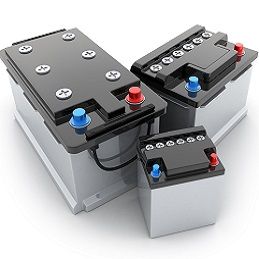
Understanding battery types is the first step in deciding which battery is best for solar system setups.
1. Lithium-Ion Batteries
Lithium-ion batteries are becoming increasingly popular in Pakistan.
Advantages:
-
Long lifespan (8–15 years)
-
Fast charging
-
High efficiency (90–95%)
-
Compact size
-
Low maintenance
Disadvantages:
-
Higher upfront cost
Lithium batteries are ideal for homes that want premium performance and long-term savings.
2. Tubular Lead-Acid Batteries
Tubular batteries are widely used in Pakistan due to affordability.
Advantages:
-
Lower cost than lithium
-
Reliable performance
-
Easily available
Disadvantages:
-
Requires maintenance
-
Shorter lifespan (3–5 years)
-
Lower efficiency
They are suitable for budget-conscious households.
3. Gel Batteries
Gel batteries are sealed lead-acid batteries.
Advantages:
-
Maintenance-free
-
Better performance than regular lead-acid
-
Spill-proof design
Disadvantages:
-
Moderate lifespan
-
Sensitive to overcharging
Comparison Table
| Feature | Lead-Acid | Tubular | Lithium-Ion |
|---|---|---|---|
| Price | Low | Medium | High |
| Lifespan | 2–3 years | 4–6 years | 8–10 years |
| Maintenance | High | Medium | None |
| Efficiency | Low | Medium | High |
Which Battery Is Best in Pakistan?
If you are asking which battery is best in Pakistan, the answer depends on your budget and usage:
- Low budget: Lead-acid battery
- Medium budget: Tubular battery (recommended for most homes)
- High budget: Lithium-ion battery(Before you install a solar system, you must know the prices of lithium batteries.
For most households in Pakistan, tubular batteries provide the best balance between cost, durability, and performance.
According to the International Renewable Energy Agency, solar battery technology is rapidly improving worldwide
Best Battery for Solar in Pakistan (By Use Case)
Small homes (fans and lights):
A lead-acid battery is sufficient
Medium homes (refrigerator, inverter AC):
A tubular battery is recommended
Large homes or commercial use:
A lithium-ion battery is the best option
Battery Prices in Pakistan (2026 Estimate)
- Lead-acid: PKR 20,000 – 40,000
- Tubular: PKR 40,000 – 80,000
- Lithium-ion: PKR 150,000 and above
Prices vary based on brand, capacity, and warranty.
Factors to Consider Before Buying
Battery Capacity:
Select according to your electricity load.
Depth of Discharge:
Higher values indicate better efficiency.
Warranty:
Choose batteries with a 1–3-year warranty.
Temperature Performance:
Important for Pakistan’s climate conditions.
Research by the National Renewable Energy Laboratory shows that high temperatures significantly affect battery performance and lifespan.
Common Mistakes to Avoid
Purchasing low-quality batteries based only on price
Choosing a battery just because it is cheap can lead to poor performance, shorter lifespan, and frequent replacements. It is important to focus on quality, brand reliability, and specifications rather than price alone.
Ignoring energy requirements
Not calculating your actual power needs can result in selecting a battery that is either too small or unnecessarily large. This can cause system inefficiency, power shortages, or wasted investment.
Overlooking warranty terms
Many users ignore warranty details, which are crucial for long-term protection. A good warranty ensures support in case of defects and reflects the manufacturer’s confidence in the product.
Improper installation
Incorrect installation can reduce battery efficiency and increase safety risks. Batteries should always be installed in a well-ventilated area with proper wiring and professional guidance to ensure optimal performance.
What Size Battery Do You Need?
Battery sizing depends on:
-
Your daily electricity usage (units consumed)
-
Load shedding duration
-
Number of appliances
-
Solar system size (kW)
For example:
-
3kW system → 5–10 kWh battery storage
-
5kW system → 10–15 kWh battery storage
A professional installer should calculate your exact requirement to avoid under-sizing or overspending.
Temperature and Climate Considerations
Pakistan’s heat is tough on batteries. Lithium batteries generally handle high temperatures better than traditional lead-acid options.
Important tips:
- Install batteries in a cool, ventilated area: Proper airflow helps prevent overheating and maintains battery efficiency and lifespan.
- Avoid direct sunlight exposure: Direct sunlight increases battery temperature, which can reduce performance and cause long-term damage.
- Use proper battery racks: Battery racks improve air circulation, keep batteries organized, and protect them from moisture and physical damage.
- Ensure correct inverter compatibility: Using a compatible inverter ensures smooth operation, better efficiency, and prevents system faults or damage.
Installation Matters More Than You Think
Even the best battery can fail if not installed correctly.
A professional solar installer ensures:
-
Correct battery bank configuration
-
Proper wiring and safety measures
-
Inverter compatibility
-
Warranty protection
If you are planning a solar setup, Progressive Ventures is offering solar installation services designed specifically for Pakistani homes and businesses. Proper installation significantly increases battery life and system performance.
Midway through your research, you’ll realize that choosing the right supplier is as important as selecting the battery itself. Many homeowners prefer working with experienced companies like Progressive Ventures because proper consultation prevents costly mistakes.
How long do solar batteries last?
-
Lithium: 8–15 years
-
Tubular: 3–5 years
-
Gel: 4–6 years
Proper maintenance and correct installation extend the lifespan.
Maintenance Tips for Longer Battery Life
For Lithium Batteries:
-
Minimal maintenance required
-
Monitor through the app or the inverter display
-
Avoid deep discharging regularly
For Lead-Acid Batteries:
-
Check water levels regularly
-
Clean terminals
-
Avoid full discharge
-
Maintain proper ventilation
Signs You Need to Replace Your Solar Battery
-
Reduced backup time
-
Battery overheating
-
Frequent low-voltage warnings
-
Physical swelling
-
Slow charging
If your battery is older than 5 years and performance has dropped significantly, replacement might be necessary.
Conlusion
Choosing the right solar battery is essential for maximizing the performance of your solar system. If you are still wondering which battery is best for solar system in Pakistan, the answer depends on your budget and energy needs.
For most households, tubular batteries offer a reliable and cost-effective solution, while lithium-ion batteries provide long-term efficiency for higher-end systems. By understanding your usage and selecting the best battery for solar in Pakistan, you can ensure better energy storage, lower electricity costs, and long-term savings
Frequently Asked Questions (FAQs)
1. Which battery is best for solar system in Pakistan?
Lithium-ion batteries are generally considered the best due to long lifespan, high efficiency, and low maintenance. However, tubular batteries remain popular for budget-friendly setups.
2. Are lithium batteries worth the price?
Yes. Although expensive upfront, lithium batteries offer better long-term value because of longer life and higher efficiency.
3. What is the best battery for a 5kW solar system?
A 5kW system typically requires 10–15 kWh of battery storage. Lithium batteries are recommended for optimal performance.
4. Which battery requires less maintenance?
Lithium batteries require almost no maintenance, making them ideal for homeowners.
5. Can I use a car battery for solar systems?
No. Car batteries are not designed for deep cycling and will fail quickly in solar applications.
6 Which battery is best for solar system for home use?
For home solar systems in Pakistan, lithium-ion batteries are usually the best option because they offer longer lifespan, higher efficiency, and minimal maintenance.
7. Which battery is best for solar system in Pakistan’s hot climate?
Lithium batteries generally perform better in high temperatures compared to traditional lead-acid batteries. Pakistan’s extreme summer heat can reduce battery lifespan,
8. How many batteries are required for a 3kW solar system?
A 3kW system typically requires 5–10 kWh of battery storage, depending on backup needs. The exact number of batteries depends on battery capacity .