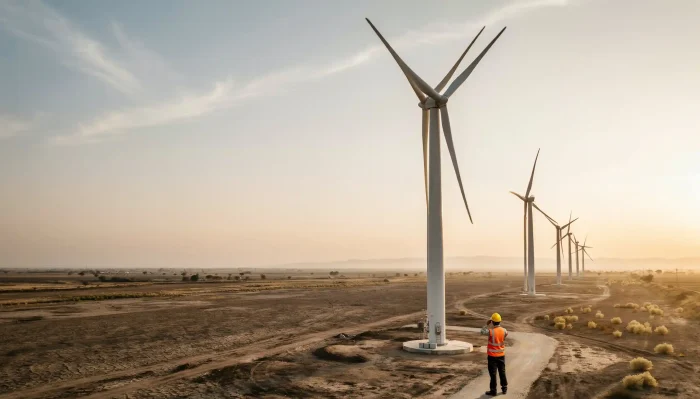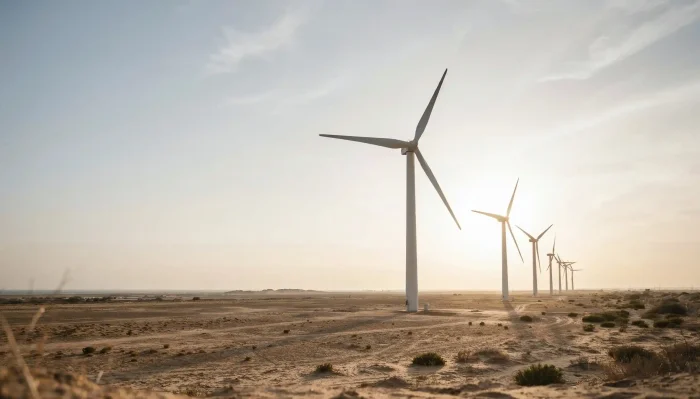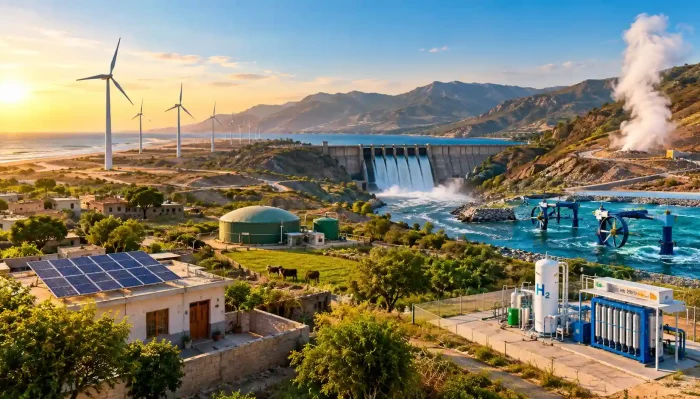
Wind power is the process of harnessing the energy of the wind to generate electricity. The wind is captured by the turbine blades and a generator within converts that spinning motion into power for your home.
So what is wind turbine installation actually? It’s the whole business of choosing the correct spot, putting up the tower, fitting the turbine itself and wiring it all into your home’s electricity system. Done right it can reduce your electric cost for years to come.
What Is Wind Turbine Installation?
Wind turbine installation includes all the items necessary to install a functional turbine on your land. That means surveying the site, selecting a properly sized turbine, pouring a sturdy foundation, erecting the tower and connecting the entire system into your house or the grid.
A good installation would also check local wind speed, soil conditions and building restrictions prior to starting any work. Skip these measures and you will likely have poor power output or worse, damage during a bad storm. That’s why the planning phase is as important as the physical build.
Types of Wind Turbines
Not every turbine works the same way, and not every type suits every home. Here are the main options used for home and small-scale power:
- Horizontal Axis Wind Turbines (HAWT): The most common design, with blades that spin much like a propeller.
- Vertical Axis Wind Turbines (VAWT): Blades rotate around a vertical shaft, which works well in spots where wind direction keeps shifting.
- Small Wind Turbines: Designed for homes and farms, usually generating anywhere from 1 kW to 20 kW.
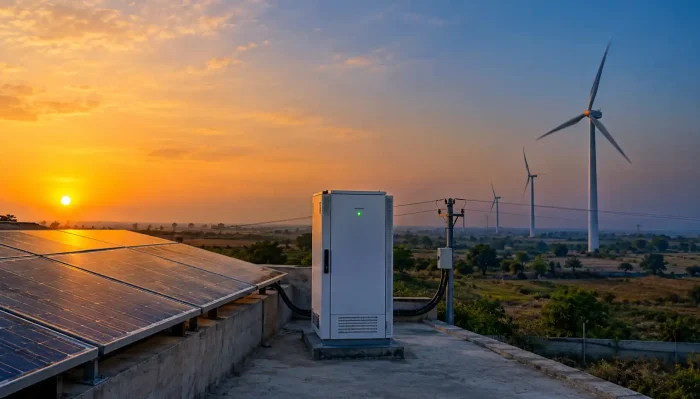
- Hybrid Systems: Pair wind with solar panels to keep power steady across the whole year.
If you are looking for a small wind turbine for house in Pakistan, HAWT models and hybrid setups are usually the way to go, as they manage mixed wind patterns better than most alternatives.
Types of Wind Turbine Installations
Homeowners often have two choices. A grid-tied system stays connected to the main power grid and feeds excess electricity back into it when your turbine generates more electricity than you’re using. However, an off-grid system works independently, often with batteries to store electricity for days when it is needed. Off-grid systems are generally located in isolated places with little or no reliable grid access, while grid-tied systems are suitable for most urban and suburban areas.
Step-by-Step Wind Turbine Installation Process
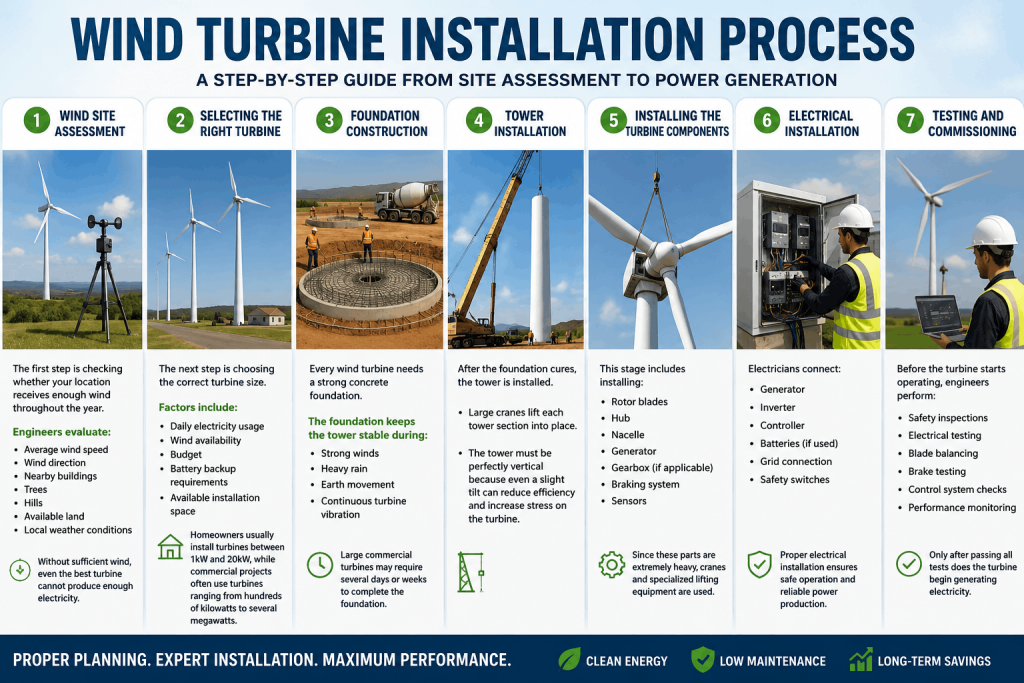
Knowing the process of wind turbine installation beforehand will give you a better idea of what to expect as your project develops.
Step 1: Wind Site Assessment
First of all, you need to find out if there is enough wind in your area on a regular basis throughout the year.
Engineers typically evaluate:
- Average wind speed
- Wind direction
- Nearby buildings
- Trees
- Hills
- Available land
- Local weather patterns
Without enough wind to work with, even a top-quality turbine won’t generate meaningful electricity.
Step 2: Selecting the Right Turbine
Next comes choosing a turbine sized correctly for your needs.
This depends on:
- Daily electricity usage
- Wind availability
- Budget
- Battery backup requirements
- Available installation space
Homeowners usually choose for turbines ranging from 1kW to 20kW. Commercial projects, however, can include turbines ranging from hundreds of kilowatts to several megawatts.
Step 3: Foundation Construction
Every wind turbine needs a solid concrete foundation underneath it.
This foundation keeps the tower steady through:
- Strong winds
- Heavy rainfall
- Ground movement
- Ongoing turbine vibration
Larger commercial turbines can take several days, sometimes weeks, just to complete the foundation work.
Step 4: Tower Installation
Next up is the tower, after the foundation has cured. Enormous cranes are hoisting each section of tower, one by one, into place.
The tower must be absolutely vertical, since a slight tilt can eat into efficiency and add to the load on the turbine over time.
Step 5: Installing the Turbine Components
This stage covers installing:
- Rotor blades
- Hub
- Nacelle
- Generator
- Gearbox (where applicable)
- Braking system
- Sensors
Since these parts are heavy, cranes and specialized lifting equipment come into play here as well.
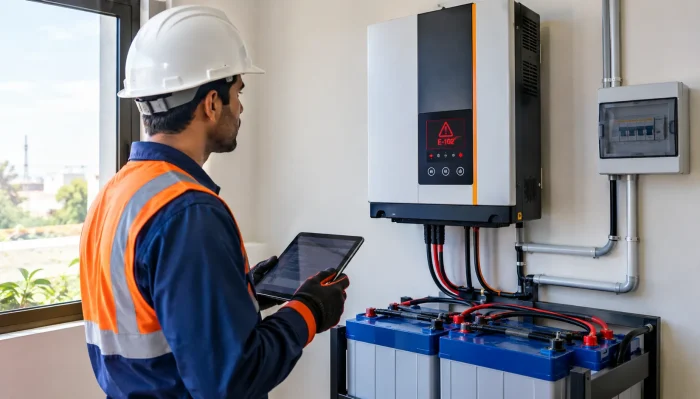
Step 6: Electrical Installation
Electricians handle connecting the:
- Generator
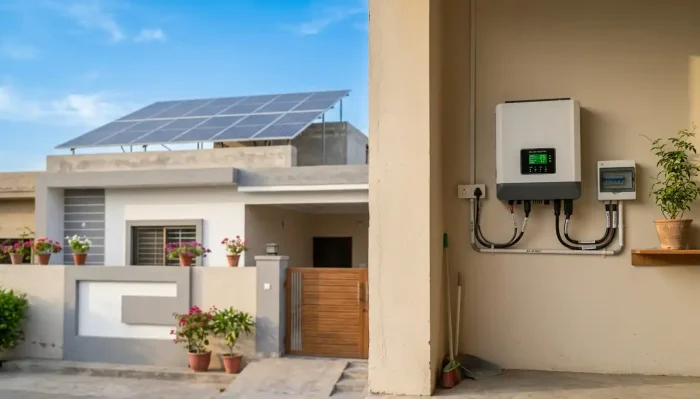
- Inverter
- Controller
- Batteries (if the system uses them)
- Grid connection
- Safety switches
Getting the electrical work right is what keeps the system safe and the power output reliable.
Step 7: Testing and Commissioning
Before the turbine goes live, engineers run through:
- Safety inspections
- Electrical testing
- Blade balancing
- Brake testing
- Control system checks
- Performance monitoring
Only once everything passes does the turbine actually start producing electricity.
Components Required for Wind Turbine Installation
A full setup relies on several parts working together smoothly:
- Turbine blades and rotor
- Generator and nacelle
- Tower (steel or lattice)
- Charge controller
- Inverter
- Battery bank (for off-grid systems)
- Wiring and safety switches
Each part must be suitably sized for the turbine. One of the most common causes of early system failures is mismatched components.
Factors to Consider Before Installing a Wind Turbine

Before committing to a project, it’s worth thinking through a few things:
- Average Wind Speed: You’ll generally need at least 10-12 mph average wind for a turbine to make sense.
- Land Space: Small turbines need open space, clear of buildings and trees.
- Local Rules: Some areas cap tower height or require permits before you build.
- Budget: Costs shift depending on turbine size and installation type.
- Maintenance Access: Choose a spot your team can reach easily whenever repairs come up.
Often this planning stage is skipped, and that is one key reason why so many wind turbine for home in Pakistan projects underperform.
Benefits of Wind Turbine Installation
A well-positioned turbine can offer real, lasting value:
- Lower electric bills once the payback period passes
- Clean power generation with no fuel costs involved
- Works well alongside solar for steady energy year-round
- Can add property value in areas with strong wind resources
- Cuts down on dependence on grid power during outages
Challenges of Wind Turbine Installation
Has its drawbacks. Many urban plots simply don’t have the free, clear space turbines need. Also, poor placement can entail noise and vibration disturbing neighbours close. The initial costs are much more than most people think and the weak wind zones can be a let down. And, turbines require frequent maintenance to keep blades and bearings in good running condition.
How Much Does Wind Turbine Installation Cost in Pakistan?
Cost is very sensitive to turbine size, tower height and site circumstances. Generally, the cost of a small wind turbine for home in Pakistan varies between PKR 300,000 to PKR 1,500,000 for a 1kW to 5kW system, including tower and wiring. The bigger systems made for farms or enterprises cost more. Batteries are among the most expensive components of the entire system, raising the price of off-grid installations even more.
It’s recommended that you get quotations from several different installers so you can compare pricing properly before you make a decision.
Is Wind Turbine Installation Worth It in Pakistan?
Location, location, location. Coastal wind sites such as Gharo and Jhimpir are windy and steady and are suitable for turbines. “Payback periods are substantially longer for cities with lower average wind speeds. If you live in a location with an average wind of 10 mph or greater, a residential wind turbine can generally pay for itself in 5 to 8 years in reduced utility bills.
Read More : understand the wind turbine installation cost
Wind Turbine Installation vs. Solar Panel Installation

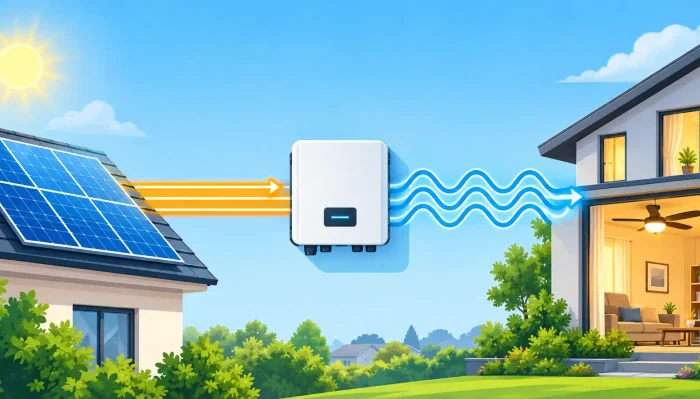
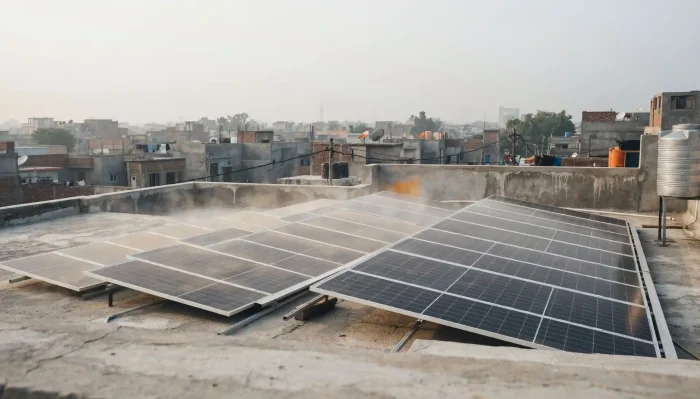
Both are considered clean energy, although they function differently. Solar panels work best in sunny places with clear skies and need direct sunlight to operate. Wind turbines need a constant supply of wind, and they can work day or night, rain or shine, as long as the wind is blowing. In Pakistan, more and more homeowners are combining the two into a hybrid system, as wind often blows when sunlight is low, such as in the evenings or on gloomy days.
Maintenance Tips After Installation
Keeping a turbine running smoothly takes a bit of regular care:
- Check blades for cracks or wear every few months.
- Grease moving parts as the manufacturer recommends.
- Inspect wiring and connections once a year.
- Clean the tower base and watch for rust.
- Monitor power output closely to catch any drop-off early.
Good, consistent maintenance can add many extra years to a turbine’s working life.
Common Mistakes to Avoid
Many home improvements run into difficulty because of avoidable blunders. If the turbine is located too close to a building, the airflow will be obstructed and the power output will be diminished. Without a comprehensive wind speed study, you will often end up with the wrong size turbine entirely. If the foundations are weak, towers might move or topple in a storm. Failure to abide by local permits could lead to fines, or perhaps compulsory removal in the future. And selecting an installation who lacks sufficient expertise often results in bad wiring and unnecessary safety hazards.
Why Choose Professional Wind Turbine Installation?
Having a qualified wind turbine installer on board really makes a difference in performance and safety. A good installation will look at the wind resource at your site, decide on the proper size turbine for that site, and put a foundation in that will last for years with no trouble. They also take care of permits, wiring and safety checks, something most homeowners aren’t qualified to do on their own.
Progressive Ventures’ team supervises the entire wind turbine installation process from the initial site visit to the final testing. A seasoned installation will help you avoid costly mistakes and ensure that your system performs at its best for years to come.
Conclusion
So, what is wind turbine installation in simple terms? It is the complete process of planning, installing, and connecting a wind turbine to generate clean, renewable electricity for your home or business. From selecting the right turbine and assessing wind conditions to choosing a suitable location and completing the electrical connection, every step plays a key role in the system’s performance, safety, and lifespan. Whether you are considering a wind turbine for home in Pakistan or comparing wind energy with solar power, a professionally designed and installed system can deliver reliable energy savings for many years.
If you are ready to invest in renewable energy, contact us today. Our experienced team provides professional wind turbine installation services, expert site assessments, and customized energy solutions to help you choose the right system for your property and long-term energy needs.
FAQs
What is wind turbine installation exactly?
It is the process of setting up a wind turbine, from site survey and foundation work to mounting the turbine and wiring it into your power system.
How much wind speed do I need for a home turbine?
Most systems need an average wind speed of at least 10-12 mph to produce meaningful power.
Is a small wind turbine for home in Pakistan a good investment?
In coastal or high-wind areas, yes. In low-wind cities, payback time is much longer, so a site survey matters first.
Can I combine wind and solar power?
Yes. Hybrid systems that pair a wind turbine with solar panels give more consistent power throughout the year.
How long does a home wind turbine installation take?
Most home installations take one to two weeks, depending on turbine size, permits, and site conditions.