Solar panels are one of the most effective solutions for generating clean and affordable electricity for homes, businesses, and industrial facilities. With rising electricity costs and increasing demand for renewable energy, many homeowners in Pakistan are choosing solar panel installation to reduce electricity bills and achieve energy independence.
Installing solar panels requires proper planning, accurate system sizing, quality equipment, and professional installation. A solar system includes several important components such as solar panels, mounting structures, solar inverter, batteries (if required), wiring, and safety equipment.
In this guide, we will explain how to install solar panels step by step, from selecting the right location to connecting the system and making it operational.
For accurate technical insights, organizations like the National Renewable Energy Laboratory (NREL) and the International Renewable Energy Agency (IRENA) provide research-backed guidance on solar energy systems and global adoption trends.
How Are Solar Panels Installed?
Solar panel installation involves assessing your energy needs, evaluating the installation site, designing the system layout, mounting the solar panels, connecting electrical wiring, installing the inverter, grounding the system, and performing final testing. A properly executed solar system installation can provide reliable electricity for more than 25 years.
Things to Consider Before Installing Solar Panels
Before beginning any solar panel setup for home, it is important to evaluate several factors that directly affect system performance and return on investment.
Evaluate Your Home’s Energy Consumption
Review your monthly electricity bills to determine your average energy usage. Understanding how much electricity your household consumes will help you select the correct system size. It is also important to consider future electricity needs if you plan to add air conditioners, electric vehicles, or other high-energy appliances.
Assess Roof Condition and Available Space
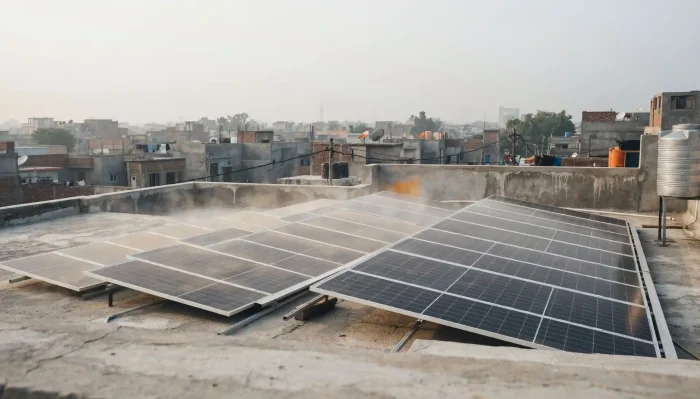
Your roof should be structurally strong enough to support the weight of solar panels and mounting equipment. Check for signs of damage, aging, or leaks before installation. Additionally, ensure that sufficient roof space is available to accommodate the desired number of panels.
Check Sunlight Exposure
Solar panels perform best when exposed to direct sunlight throughout the day. Evaluate potential shading from trees, neighboring buildings, water tanks, or other obstructions. In most regions, south-facing roofs provide the highest energy production.
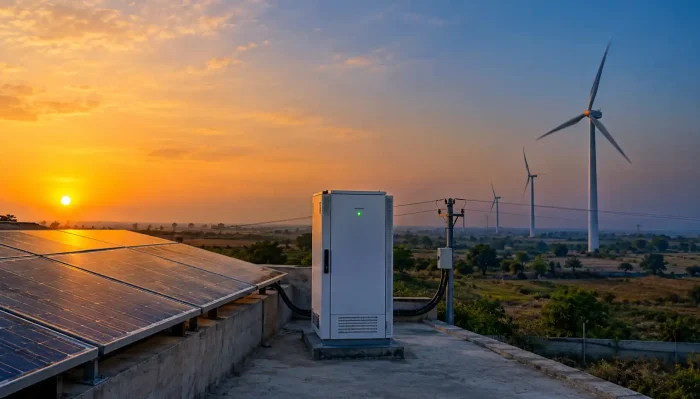
A properly designed solar panel installation ensures that excess energy generated during the day can be used at night or during power outages. This is especially useful in regions with unreliable electricity supply.
Equipment Required for Solar Panel Installation
A complete solar system installation consists of several components working together to generate and distribute electricity.
Solar Panels
Solar panels capture sunlight and convert it into electricity. Common options include:
- Monocrystalline Solar Panels
- Polycrystalline Solar Panels
- Bifacial Solar Panels
Monocrystalline panels are generally preferred due to their higher efficiency and longer lifespan.
Solar Inverter
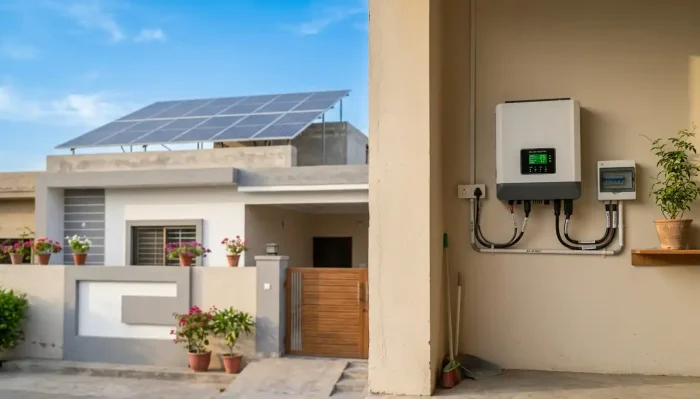
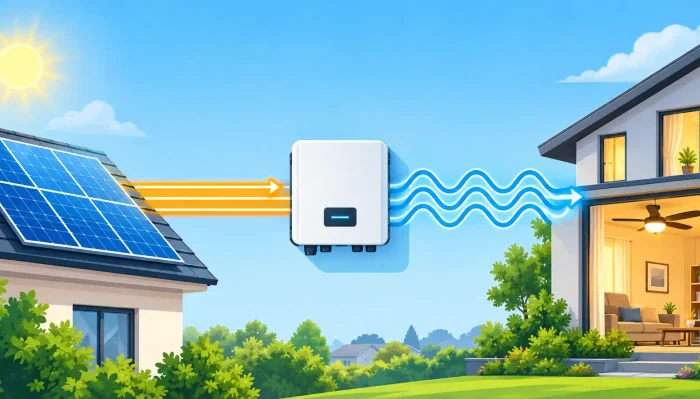
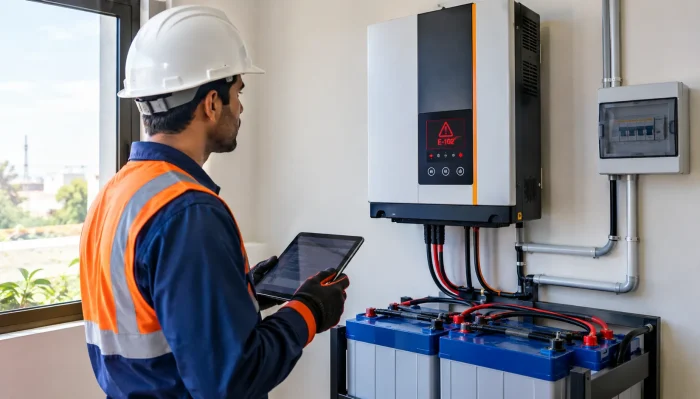
The inverter converts direct current (DC) generated by the panels into alternating current (AC) used by household appliances.
String Inverters
String inverters are the most commonly used solar inverters in residential and commercial solar systems. In this setup, multiple solar panels are connected in a series (or “string”) and linked to a single inverter. They are cost-effective, easy to install, and suitable for roofs with minimal shading.
Hybrid Inverters
Hybrid inverters combine the functions of a standard solar inverter and a battery inverter in one unit. They allow homeowners to store excess solar energy in batteries for use during power outages or at night, making them ideal for hybrid solar systems.
Microinverters
Microinverters are installed on each individual solar panel rather than using a single central inverter. This allows every panel to operate independently, improving overall system performance, especially on roofs with partial shading or panels facing different directions. Although more expensive, microinverters often provide higher energy output and easier system monitoring.
Mounting Structure
The mounting structure securely holds solar panels in place and ensures proper panel orientation and tilt.
Safety Components
Additional components include:
- DC and AC cables
- Earthing system
- Surge protection devices
- Circuit breakers
- Disconnect switches
Battery Storage (Optional)
Battery storage allows homeowners to store excess electricity for use during nighttime or power outages. Batteries are commonly used in hybrid and off-grid solar systems.
Benefits of Installing Solar Panels
Installing solar panels is not just about saving money—it’s a long-term investment with multiple advantages.
1. Lower Electricity Bills
Solar panels allow you to generate your own electricity, reducing dependence on utility providers.
2. Energy Independence
With battery storage, you are less affected by outages or rising electricity costs.
3. Environmental Benefits
Solar energy is clean, renewable, and reduces greenhouse gas emissions.
4. Increased Property Value
Homes with solar systems are more attractive to buyers and often sell at higher prices.
5. Long-Term Savings
Although the cost to install solar panels may seem high initially, most systems pay for themselves within a few years.
Planning Your Solar Panel Installation
Proper planning is the most important step in the entire process.
Assess Your Energy Needs
Start by reviewing your electricity bills to determine your monthly energy usage in kilowatt-hours (kWh). This helps you decide how many panels you need.
For example:
- Small home: 3–5 kW system
- Medium home: 5–8 kW system
- Large home: 10 kW or more
If you’re asking, “Can I install my own solar panels?”, this is where many DIY projects go wrong—incorrect sizing can lead to poor performance.
Choose the Right Location
Solar panels require maximum sunlight exposure.
- South-facing roofs (in most regions) are ideal
- Avoid shaded areas
- Ensure proper tilt angle for efficiency
Even a small amount of shading can reduce performance significantly, so site evaluation is critical.
Understand the Costs
The cost to install solar panels depends on several important factors:
- System Size: Larger systems generate more electricity but come with higher upfront costs.
- Panel Quality: Premium panels are more efficient and durable, but they cost more than standard options.
- Installation Complexity: Roof type, angle, and wiring requirements can affect labor costs.
- Battery Storage: Adding a battery increases the overall cost but provides backup power and energy independence.
On average:
- Estimated Solar System Cost in Pakistan Note: Prices are approximate and may vary depending on exchange rates, system size, brand quality, and installation requirements.
-
Basic System:
PKR 1,680,000 – 3,360,000 -
System with Battery Storage:
PKR 2,800,000 – 5,600,000+ You can explore detailed cost benchmarks through resources like the International Renewable Energy Agency (IRENA) reports, which provide global solar pricing insights.
Always confirm the cost of solar installation by getting multiple quotes from certified installers. Prices can vary based on your location, energy needs, and available incentives. A professional assessment ensures you get accurate pricing and the best system for your requirements.
Step-by-Step Guide: How to Install Solar Panels
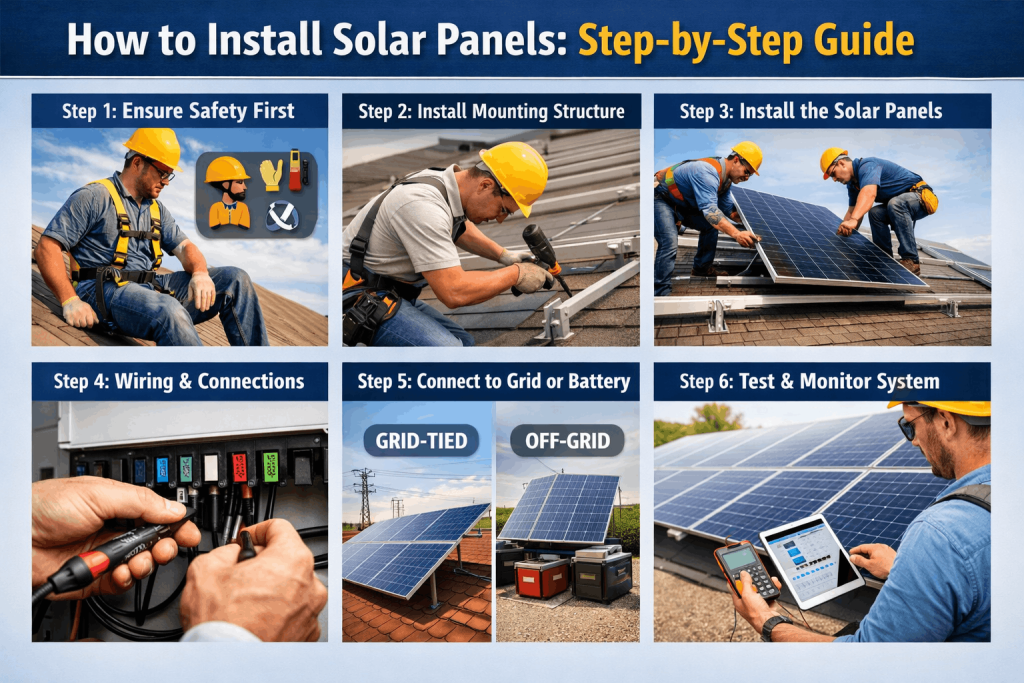
Now let’s break down the actual installation process in a simple, practical way.
Step 1: Ensure Safety First
Safety is critical when dealing with electricity and rooftop work.
- Wear protective gear (gloves, helmet, safety harness)
- Use stable ladders and tools
- Turn off the main power supply before electrical work
Never compromise on safety—it’s one of the main reasons many people choose professionals instead of DIY installation.
Step 2: Install the Mounting Structure
The mounting system supports your solar panels.
- Roof-mounted systems are most common
- Ground-mounted systems are used when roof space is limited
Mounts must be:
- Strong enough to handle weather conditions
- Properly aligned for sunlight exposure
- Securely attached to prevent movement
Step 3: Install the Solar Panels
Once the mounting system is ready:
- Place panels on the structure
- Secure them using bolts and clamps
- Maintain spacing for airflow
Correct positioning ensures maximum sunlight absorption and prevents overheating. For best results and long-term performance, consider our professional solar panel installation services handled by experienced technicians.
Step 4: Wiring and Electrical Connections
This is the most technical part.
- Connect panels in series or parallel
- Link them to the inverter
- Connect the inverter to your electrical system
If you are adding storage, this is where solar panel battery installation takes place. Batteries store excess energy for later use.
Proper grounding and surge protection are essential to avoid damage or accidents.
Step 5: Connect to the Grid or Battery System
You have two main options:
- Grid-tied system: Sends excess electricity back to the grid
- Off-grid system: Stores energy in batteries
Hybrid systems combine both, offering flexibility and reliability.
Step 6: Test and Monitor the System
After installation:
- Check all connections
- Turn on the system
- Monitor performance using a tracking system
Regular monitoring ensures your system works efficiently over time.
DIY vs Professional Installation
Can I Install My Own Solar Panels?
Yes, but it depends on your skills.
Pros:
- Saves labor costs
- Full control over the project
Cons:
- Requires technical knowledge
- Risk of mistakes or accidents
- May void warranties
DIY installation is suitable for experienced individuals, but not recommended for beginners.
Hiring the Best Solar Installation Company
For most people, hiring professionals is the smarter choice.
When choosing the best solar installation company, look for:
- Certifications and licenses
- Positive customer reviews
- Warranty coverage
- Transparent pricing
Professional installers ensure safety, efficiency, and long-term performance.
Costs, Financing, and ROI
Detailed Cost Breakdown
- Panels: 40–50% of total cost
- Inverter: 10–15%
- Installation: 25–30%
- Battery: additional cost
Financing Options
- Solar loans
- Leasing options
- Power Purchase Agreements (PPAs)
Government incentives can significantly reduce costs. Reliable information can be found through organizations like NREL, which provides updated solar financing insights.
Return on Investment (ROI)
Most systems recover costs within:
- 5–8 years (with incentives)
- 8–12 years (without incentives)
After that, electricity is essentially free for the remaining lifespan of the system (20–25 years).
Conlusion
Understanding how to install a solar panel is essential for homeowners looking to reduce electricity costs and transition to renewable energy. From assessing your energy needs and selecting quality equipment to completing a safe solar panel installation, every step plays a crucial role in system performance.
While DIY installation is possible, most homeowners benefit from hiring the best solar installation company to ensure safety and efficiency. Carefully consider your energy needs, budget, and whether you want battery storage before making a decision.
With proper planning and installation, solar panels can provide reliable, cost-effective energy for decades—making them a powerful solution for both your wallet and the planet.
FAQs
1. Can I install solar panels myself?
Yes, you can install solar panels yourself if you have basic electrical and roofing knowledge. However, DIY installation can be risky and may not meet local safety or legal requirements. For better efficiency and safety, many homeowners prefer hiring a professional installer.
2. What is the cost to install solar panels?
The cost to install solar panels depends on system size, panel quality, and installation complexity. On average, a residential system can cost between 6,000 and 20,000. Adding battery storage increases the total cost but provides backup power and energy independence.
3. Do solar panels work during cloudy days?
Yes, solar panels still generate electricity on cloudy days, but their efficiency is reduced. They rely on sunlight, not heat, so even indirect sunlight can produce energy. A battery system can help store extra energy for low-sunlight conditions.
4. Is solar panel battery installation necessary?
Solar panel battery installation is not mandatory, but it is highly beneficial. Batteries store excess electricity generated during the day, allowing you to use it at night or during power outages. This improves energy independence and system reliability.
5. How long does it take to install solar panels?
A typical solar panel installation takes 1 to 3 days for residential systems. However, the complete process, including permits and inspections, can take a few weeks depending on location and system size.
6. How do I choose the best solar installation company?
To choose the best solar installation company, check their certifications, experience, customer reviews, and warranty options. Always compare multiple quotes and ensure they provide clear pricing and professional support.
7. How long do solar panels last?
Most solar panels last between 20 and 25 years. They continue to produce electricity beyond this period, although efficiency may gradually decrease over time.