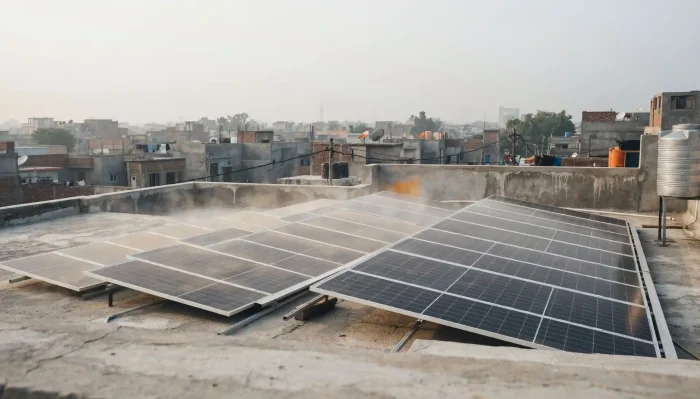
Pakistan has installed more rooftop solar than almost any country its size. Over 50 GW of panels have entered the country since 2020, and homes now generate close to half of all grid-linked electricity in some regions. But nobody talks about what happens when these panels stop working. Solar panel recycling in Pakistan is becoming a real question, not a future one, because the first wave of panels from the early 2010s is already aging out.
This guide explains what solar panel recycling actually involves, what your options are today, and how to handle a damaged or dead panel without hurting the environment or your own health.
What Is Solar Panel Recycling?
Solar panel recycling dismantles old or broken panels to extract valuable materials like glass, metal, wiring, and silicon cells. The process removes the aluminum frame and electrical components, then separates the bonded glass and silicon layers using heat, chemicals, or manual labor to turn a dead panel back into raw manufacturing materials.
This differs from simple disposal, which wastes these resources through landfill dumping or incineration. Instead of creating trash, recycling recovers and diverts these valuable components back into the production loop for new products.
What Materials Can Be Recycled From Solar Panels?
A typical panel is made of a few core materials, and most of them can be recovered.
- Glass makes up around 70% of a panel’s weight and can be melted down and reused in new glass products.
- Aluminum frame is fully recyclable and holds real scrap value on its own.
- Copper wiring inside the panel can be pulled out and resold as scrap metal.
- Silicon cells can sometimes be cleaned and reused, or melted down for new solar cell production.
- Other electrical parts, like the junction box and connectors, contain small amounts of silver and other metals worth recovering.
None of these materials belong in a regular trash pile. They are worth money, and burning or dumping them creates pollution that could have been avoided.
Can Solar Panels Be Recycled in Pakistan?
The current regulatory vacuum severely restricts formal solar recycling in Pakistan, but the policy landscape is starting to shift. Because the Pakistan Environmental Protection Act of 1997 treats hazardous substances broadly rather than targeting electronic waste streams, it lacks the specific legal mechanisms required to hold clean-energy importers or manufacturers accountable.
Without clear Extended Producer Responsibility (EPR) mandates, solar distributors face zero legal obligation to establish safe “take-back” pipelines, leaving waste management entirely dependent on individual corporate responsibility and homeowner diligence. To address this gap, the Ministry of Climate Change and Environmental Coordination has begun working with think tanks to draft Pakistan’s first comprehensive National E-Waste Policy. Environmental advocacy groups are actively lobbying to ensure this upcoming framework enforces strict collection and recycling guidelines specifically for photovoltaic waste.
Until these draft policies are officially codified into enforceable laws, damaged solar panels will continue to leak into toxic, informal scrap yards instead of safe, structured processing channels.
How Does Solar Panel Recycling Work?
Even where formal plants exist, the solar panel recycling process in Pakistan and other countries follows the same basic steps.
1. Collection
Old, damaged, or end-of-life panels get collected from homes, solar farms, or businesses. This step usually involves the installer, a scrap dealer, or a dedicated collection point.
2. Panel Inspection
Each panel gets checked before anything else happens. Some panels still work and just need cleaning or minor repair. Others are clearly beyond saving and go straight to recycling.
3. Dismantling
Workers remove the aluminum frame and the junction box first. These parts come off easily and get sorted separately since they have clear resale value.
4. Material Separation
The glass layer gets separated from the silicon cells underneath. This step can involve heat treatment, mechanical crushing, or chemical processes, depending on the recycling method used.
5. Material Recovery
Once separated, the glass, aluminum, copper, and silicon go to buyers or processing plants that turn them into raw material for new products. This closes the loop and reduces the need for fresh mining or manufacturing.
When Should Solar Panels Be Recycled or Replaced?
A panel does not need replacing just because it is getting old. Most panels lose efficiency slowly, around 0.5% to 1% per year, and can keep producing usable power well past their 20-year mark.
Real reasons to consider replacing or recycling a panel include:
- Performance degradation that has dropped well below the manufacturer’s warranty threshold
- Physical damage from hail, storms, or falling debris
- Cracks across the glass surface that let in moisture
- Delamination, where the internal layers start separating or bubbling
- Severe discoloration, which often signals internal damage
- Electrical problems, like inconsistent output or wiring faults that a technician cannot fix
If your panel is still producing close to its rated output and shows no physical damage, there is no rush to remove it. Age by itself is not a good enough reason to pull a working panel off your roof.
What Should You Do With Old Solar Panels in Pakistan?
If you are wondering how to recycle solar panels in Pakistan, start here. This is a practical path to follow when you are dealing with a dead or damaged panel right now.
First, check whether the panel still works, even partially. A technician can test output and tell you if it is worth keeping.
Second, contact the installer or supplier who sold you the system. Some companies offer take-back options or can point you toward proper disposal channels, especially larger firms handling commercial solar panel installation projects.
Third, ask directly about disposal or recycling options in your city. Availability varies a lot between Karachi, Lahore, Islamabad, and smaller towns.
Fourth, never mix a damaged panel with normal household trash. It contains metal and glass that do not belong in a landfill pile with food waste and plastic.
Fifth, use whatever formal recycling or scrap channel is available in your area, even if that currently means a licensed scrap dealer rather than a dedicated solar recycling plant.
Can Damaged Solar Panels Be Reused?
Not every panel that looks damaged is actually dead. There is a real difference between reuse and recycling, and it is worth checking before you assume a panel is finished.
Reuse
If a panel still produces meaningful power, it can go toward a secondary use instead of the scrap pile.
- Secondary installation, like a smaller off-grid setup or a backup system
- Low-power applications, such as charging batteries or running small appliances
- Testing or training purposes, useful for technical institutes and solar training programs
Recycling
If a panel cannot be repaired or safely reused, recycling is the right next step. At that point, the goal shifts from getting more power out of it to recovering the raw materials inside it.
Why Is Solar Panel Recycling Important?
Reduces Solar Waste
Every panel that gets recycled is one less panel sitting in a landfill or an informal scrap yard leaking materials into the soil.
Recovers Valuable Materials
Glass, aluminum, copper, and silicon all have resale value. Recovering them cuts down on the need for new raw material extraction.
Supports a Circular Solar Industry
Materials pulled from old panels can go straight back into manufacturing new ones. This lowers the overall environmental cost of solar energy over its full lifecycle.
Reduces Environmental Impact
Proper handling keeps hazardous elements out of soil and water, and it protects the health of workers who would otherwise handle this waste without safety equipment.
Solar Panel Recycling vs Disposal
| Factor | Recycling | Disposal |
| Materials recovered | Yes | Usually no |
| Waste reduction | Higher | Lower |
| Resource recovery | Possible | Limited |
| Environmental benefit | Generally higher | Depends on disposal method |
| Suitable for | End-of-life panels | Where recycling isn’t available |
What Happens to Solar Panels After Their Useful Life?
Here is the simple path a panel follows once it stops performing well.
A working panel gets reused, either in place or in a smaller secondary system. A repairable panel gets fixed by a technician and put back into service. A panel that cannot be repaired goes for recycling, where its materials get recovered and separated. Whatever cannot be recycled becomes residue that needs proper waste management, not a spot in a regular trash pile.
Solar Panel Recycling in Pakistan: What Could Improve?
A few clear steps would move the country from an informal system to a proper one.
Formal collection systems need to exist in every major city, not just as a pilot project in one location. Dedicated recycling facilities built for solar panels alone would give the informal scrap sector a proper alternative. Manufacturer and importer responsibility, often called extended producer responsibility, would force companies to take back panels they sold once those panels reach end of life.
Better e-waste management laws would classify solar panels as hazardous waste, which would force proper tracking and handling. Consumer awareness needs work too, since most homeowners currently have no idea what to do with a dead panel. Clear end-of-life procedures, published by regulators or installers, would remove the guesswork for everyone involved.
None of this is unrealistic. Countries with far less solar capacity than Pakistan already run formal take-back programs. Pakistan has the volume to justify building this infrastructure now rather than later.
Conclusion
Solar panel recycling in Pakistan is still a young idea, but the panels are full of materials worth recovering, from aluminum and copper to glass and silicon. Recycling and reuse keep that value in circulation instead of losing it to a landfill or an unsafe scrap yard. As solar adoption keeps climbing across Pakistan, responsible end-of-life handling is not optional anymore. It is part of using solar energy the right way.
If you have an old or damaged panel sitting around, do not throw it in with your regular household waste. Talk to your installer or supplier first, and use a proper recycling or waste-management channel wherever one is available.
At Progressive Ventures, we help homeowners and businesses plan solar systems that last, from the first solar panel installation through years of reliable performance. If you are weighing a new system or wondering what to do with an aging one, our team can walk you through your options honestly, without pushing you toward a replacement you do not need.
FAQs
Can solar panels be recycled?
Yes. Most of a solar panel, including its glass, aluminum frame, copper wiring, and silicon cells, can be recovered and reused through recycling.
How are solar panels recycled?
Workers remove the frame and junction box, then separate the glass from the silicon cell layer using heat, mechanical, or chemical methods. The recovered materials then go to buyers or processing plants for reuse in new products.
Can old solar panels be reused?
Yes, if they still produce meaningful power. Panels that test well can go toward secondary installations, low-power uses, or training purposes instead of being scrapped.
What happens to solar panels after 25 years?
Age alone does not mean a panel needs immediate disposal. Many panels still produce usable power well past 25 years. A technician should test output before deciding whether to keep, repair, or recycle a panel.
Are solar panels considered electronic waste?
This depends on local waste classification rules. Panels contain electronic and metal components similar to other e-waste, so many experts argue they should be classified and handled the same way, though Pakistan does not yet have a specific law confirming this.
Where can I dispose of old solar panels in Pakistan?
Start with your original installer or supplier, since some offer take-back or guidance on proper disposal. Beyond that, options depend on your city, and formal solar-specific recycling centers are still limited across the country.
Is solar panel recycling available in Pakistan?
Not in a dedicated, large-scale form yet. Most recovery currently happens through the informal scrap and e-waste sector rather than facilities built just for solar panel disposal in Pakistan. Building formal recycling infrastructure is one of the country’s next big steps as more panels reach end of life.