Yes, hydropower is renewable. It runs on flowing water, and water never really disappears. It evaporates, forms clouds, falls as rain, and ends up back in the rivers it came from. That loop has been running for longer than anyone’s been counting, and nothing about it suggests it’s slowing down.
So is hydropower a renewable or nonrenewable energy source, once you look past the one-word answer? Mostly renewable, yes. But there’s more nuance here than most quick explanations bother to mention, and I think that nuance is worth your time.
How Does Hydropower Work?
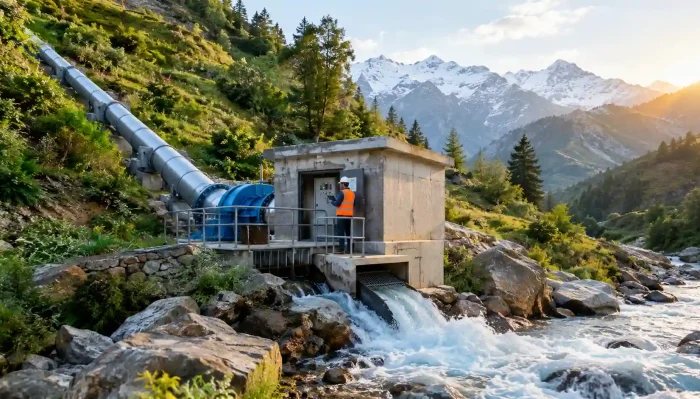
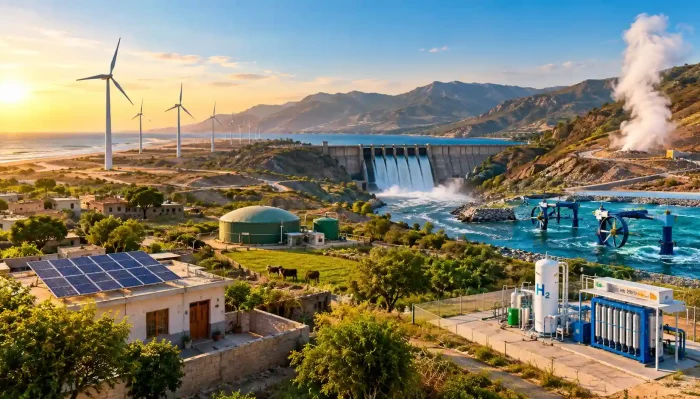
Strip away the technical language and the idea is pretty simple. Water gets stored behind a dam, or it just flows naturally down a river. Gravity pulls it through large pipes called penstocks. That moving water spins a turbine, the turbine drives a generator, and the generator makes electricity. From there, power lines carry it out to homes and businesses.
The stronger the flow, the more electricity you get. That’s why big rivers and tall dams tend to produce far more power than a modest stream ever could. It’s not a complicated formula, but the scale involved is what makes hydropower such a heavyweight in the energy world.
Is Hydropower Considered Renewable?

Here’s the thing that makes hydropower renewable: its fuel is water, and water is part of a cycle that doesn’t stop on its own. Coal gets mined until there’s none left. Oil gets pumped until the well runs dry. Water just… keeps going. It evaporates, becomes rain, and flows back into the same rivers that fed the system in the first place.
That cycle runs on sun and gravity, and neither of those is going anywhere soon. As long as rain keeps falling and rivers keep moving, a hydropower plant can keep producing electricity. That’s really the whole argument behind why is hydroelectric renewable or nonrenewable gets answered with renewable almost every time you ask an expert.
Is Hydropower Really Clean Energy?
Hydropower doesn’t burn fuel to make electricity, so it skips the exhaust and smoke you’d get from a coal or gas plant. On a day-to-day basis, that makes it clean.
But clean isn’t quite the same as harmless, and I think this distinction gets lost a lot. Dams can block fish from migrating upstream. They shift water temperature and change how rivers flow. Large reservoirs sometimes trap decaying plant matter underwater, which slowly releases methane. None of that shows up in daily emissions numbers, but it’s still part of the honest picture.
Types of Hydropower Systems
Hydropower is not just one type of setup. Here are the main systems used around the world:
- Impoundment (dam-based): The most common type. Water is stored in a reservoir and released through turbines to control power output.
- Run-of-river: Uses the natural flow of a river without a large reservoir. It has less impact on the surrounding land.
- Pumped storage: Works like a giant battery. Water is pumped uphill during low demand and released downhill during high demand to generate power fast.
- Small and micro hydro: Smaller systems built for homes, farms, or remote communities that do not need large-scale power.
Each type answers is hydropower renewable in the same way, since they all depend on the water cycle. The difference lies in scale and environmental footprint.
Advantages of Hydropower
A few strengths explain why hydropower has stuck around for over a century.
- Doesn’t wait on sunshine or a breeze, rivers keep moving day or night, cloudy or clear
- Long lifespan, many plants run past 50 years with decent maintenance
- Low running costs once construction is done, since there’s no fuel bill to keep paying
- Doubles as flood control during heavy rain seasons
- Pumped storage setups help stabilize the grid during peak demand hours
Put together, these are the reasons so many countries still pour money into hydropower even with newer renewable technology on the market.
Disadvantages and Environmental Impact
None of this comes free, though.
- Building a dam takes years and a genuinely massive budget
- Fish migration routes and local ecosystems often take the hit
- Some large dam projects have forced entire communities to relocate
- Output drops sharply during a bad drought year
- Reservoirs slowly collect silt over time, which chips away at efficiency
Weighing these downsides against the benefits is really what gives you the full picture behind is hydropower renewable or nonrenewable. It’s renewable by fuel source, sure, but the footprint isn’t free, and pretending otherwise does a disservice to anyone trying to make an informed decision.
Hydropower vs. Solar and Wind
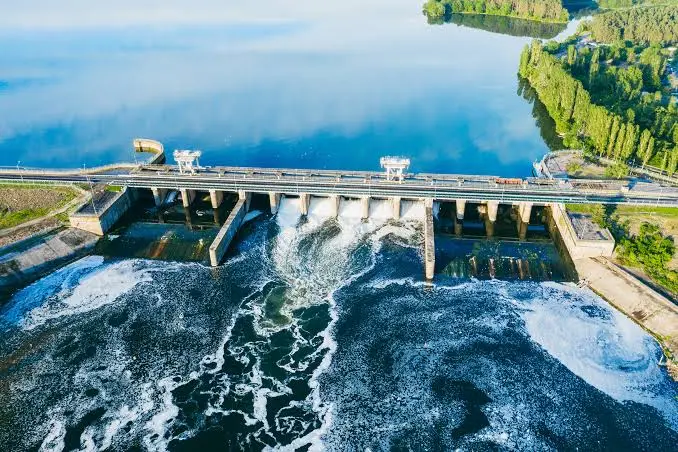
Compared to solar and wind, hydropower has one real advantage: it doesn’t care about the weather. Solar needs sunlight, wind needs moving air, but rivers keep flowing regardless of what the sky is doing that day. That said, solar and wind projects usually go up faster and cost less to build, and they leave a much smaller physical mark on land and wildlife.
| Factor | Hydropower | Solar & Wind |
|---|---|---|
| Weather dependence | Not weather dependent, runs day and night | Depends on sunlight or wind availability |
| Build time | Slow, often takes years | Faster to install and scale |
| Upfront cost | High, dam construction is expensive | Generally lower upfront cost |
| Land/wildlife impact | Larger footprint, affects rivers and habitats | Smaller physical footprint |
| Output consistency | Steady, reliable around the clock | Variable, depends on conditions |
| Lifespan | 50-100 years | 20-30 years typically |
Geothermal is another renewable option worth mentioning here, and it offers steady output too, but it only works in regions with the right underground heat, which limits where it makes sense.
There’s no clean winner. Hydropower wins on reliability. Solar and wind win on speed and upfront cost. Most countries end up leaning on some mix of all three.
Hydropower vs. Nonrenewable Energy
Nonrenewable sources like coal, oil, and natural gas took millions of years to form and cannot be replaced once used up. Burning them releases carbon dioxide and other pollutants into the air.
Hydropower avoids that fuel-burning process entirely. It taps into a cycle that resets naturally through rainfall and evaporation. This is the core difference behind every comparison of is hydroelectric energy renewable or nonrenewable: nonrenewable fuels run out, while water keeps circulating through the planet’s natural system.
Cost-wise, nonrenewable plants often have lower upfront costs but higher long-term fuel expenses. Hydropower flips that pattern, with high upfront costs but very low fuel costs over its lifetime.
Is Hydropower Renewable in Pakistan?
Pakistan has strong potential for hydropower, thanks to rivers flowing from the northern mountains. Major projects like Tarbela and Mangla dams already supply a large share of the country’s electricity. This resource is often called hydel energy across Pakistan, referring to power generated from flowing or falling water.
Hydel energy plays a key role in Pakistan’s power mix, especially during moonsoon season when river flow increases. Companies like Progressive Ventures work on expanding access to clean, reliable power solutions that make use of this natural resource. For households and businesses exploring hydel energy options, Progressive Ventures offers guidance on sustainable power planning suited to local water resources.
[Internal link suggestion: point “hydel energy” and “Progressive Ventures” to your relevant service or product page here]
Can Hydropower Run a Home or Business?
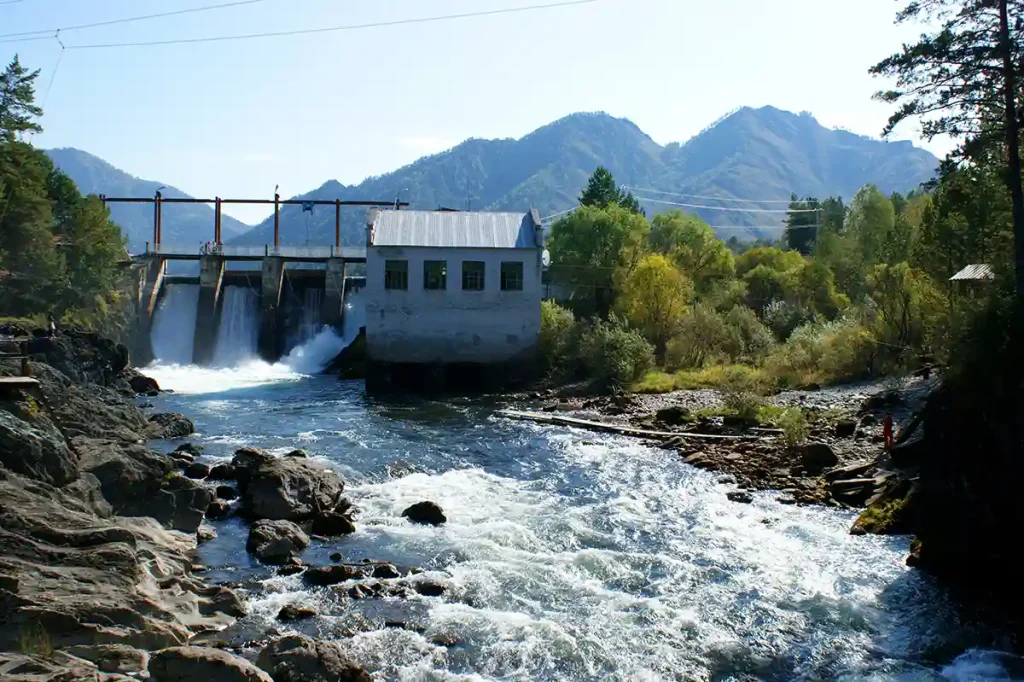
Yes, on a smaller scale. Micro-hydro systems can power individual homes or small businesses, and they work best for properties near a stream or river with a steady, dependable flow.
A basic setup needs a water source with enough elevation drop, a turbine, and some way to store or use the electricity it produces. Rural properties near rivers tend to benefit the most, since they can generate their own power without waiting years for a grid connection to reach them.
For larger businesses, though, tapping into a grid that’s already partly powered by hydropower usually makes more practical sense than building a private system from scratch.
How Long Does a Hydropower Plant Last?
Most hydropower plants run for 50 to 100 years, which is a lot longer than the 20 to 30 years you’d expect from solar panels or wind turbines. Some dams built over a hundred years ago are still generating electricity today, just with regular upkeep and the occasional upgrade.
That long lifespan is what makes hydropower such a strong long-term bet, even with a steep construction cost at the start. Spread that cost across decades of operation, and the price per unit of electricity often ends up lower than most other energy sources.
Is Hydropower Better Than Solar and Wind?
Honestly, there isn’t a single right answer here. Hydropower delivers steady, round-the-clock power, but it needs the right geography, rivers, elevation, the kind of terrain not every region has. Solar and wind can go up almost anywhere and scale quickly, but they’re at the mercy of the weather.
For areas with strong river systems, hydropower makes sense as a dependable backbone. For flatter regions without major rivers nearby, solar and wind tend to be the more realistic choice. A lot of countries end up combining all three anyway, which usually produces the most balanced and reliable grid.
Read More: How does hydroelectric power work
Conclusion
So, is hydropower a renewable or nonrenewable energy source? It is renewable, powered by a water cycle that never stops running. It offers reliable, long-lasting electricity with a smaller carbon footprint than coal or gas. At the same time, it comes with real environmental trade-offs, from habitat disruption to high upfront costs.
Understanding both sides helps you see the full picture, not just a simple yes or no answer. Hydropower remains one of the most dependable renewable resources available today. Contact us today to explore reliable hydel energy solutions for your project and find the right renewable energy option for your needs.
FAQs
Is hydropower renewable or nonrenewable?
Hydropower is renewable. It relies on the water cycle, which naturally repeats through rain, evaporation, and river flow.
Is hydroelectric energy renewable or nonrenewable?
Hydroelectric energy is renewable for the same reason as hydropower. Both terms describe electricity generated from moving water, a resource that keeps replenishing itself.
Why do some people think hydropower is nonrenewable?
This confusion often comes from the environmental damage dams can cause, such as habitat loss. The energy source itself is renewable, but the infrastructure has a real environmental cost.
Does hydropower produce zero emissions?
Not entirely. Daily operation produces very low emissions, but reservoirs can release small amounts of methane from decaying organic material trapped underwater.
What is hydel energy?
Hydel energy is another term for hydropower, commonly used in Pakistan and other South Asian countries to describe electricity generated from flowing or falling water.
Can hydropower run out?
No, as long as rivers keep flowing and rain keeps falling, hydropower will keep working. It only slows down during severe droughts.