Electric ovens are among the most commonly used kitchen appliances in modern homes. Whether you’re baking cakes, roasting chicken, or preparing family meals, an electric oven offers convenience and consistent cooking performance. However, many homeowners wonder:
How much electricity does an electric oven actually use?
The answer depends on several factors, including the oven’s wattage, cooking temperature, duration of use, and efficiency. Understanding your oven’s energy consumption can help you estimate electricity bills, choose the right appliance, and reduce overall energy costs.
In this comprehensive guide, we’ll explain how many watts an electric oven uses, how to calculate electricity consumption, estimated running costs in Pakistan, and practical ways to improve energy efficiency
Understanding Electric Oven Power Usage
What Determines Electric Oven Electricity Consumption?
Not all ovens use the same amount of electricity. Several factors affect how much energy your oven consumes:
- Oven size: Larger ovens need more power to heat up
- Temperature settings: Higher temperatures increase electricity use
- Cooking time: Longer cooking means more energy consumption
- Frequency of use: Daily baking vs occasional use
- Type of oven: Convection ovens are usually more efficient than conventional ones
Understanding these factors helps you better manage your electric oven energy consumption.
Average Wattage of Electric Ovens
Most electric ovens fall within this range:
- Small ovens: 2000–3000 watts
- Medium ovens: 3000–4000 watts
- Large ovens: 4000–5000 watts
If you’ve ever wondered how many watts an electric stove uses, the answer is slightly different. Electric stoves typically use 1000–3000 watts per burner, depending on heat level.
Understanding Electricity Units (Simple Explanation)
To understand your bill, you need to know:
- Watt (W): Unit of power
- Kilowatt (kW): 1000 watts
- Kilowatt-hour (kWh): Energy used over time (this is what you are billed for)
For example:
A 3000W oven running for 1 hour = 3 kWh of electricity
How Much Electricity Does an Electric Oven Use Per Hour?
Real Usage Examples
Let’s break it down into practical scenarios:
- 2000W oven × 1 hour = 2 kWh
- 3000W oven × 1 hour = 3 kWh
- 4000W oven × 1 hour = 4 kWh
However, ovens don’t run at full power constantly. Once preheated, they cycle on and off, slightly reducing actual consumption.
Monthly Electricity Consumption Estimate
If you use your oven daily:
- 3000W oven × 1 hour/day = 3 kWh/day
- Monthly usage = 90 kWh
In Pakistan, where electricity costs can vary, this can significantly impact your monthly bill.
Does the Oven Use a Lot of Electricity?
This is a common concern.
The honest answer: It depends on usage.
Compared to other appliances:
- Air conditioner → very high consumption
- Electric heater → extremely high
- Electric oven → moderate usage
- Refrigerator → low but continuous
So, if you’re asking, does the oven use a lot of electricity? The answer is:
Not excessively—but frequent use can add up.
Electric Oven vs Electric Stove – Which Uses More Power?
Key Differences in Energy Usage: Electric ovens and stoves (stovetops) serve different cooking needs:
- Oven: Uses enclosed heating to maintain steady high temperatures for longer periods. Ideal for baking, roasting, or large meals.
- Stove (stovetop): Provides direct, focused heat on pots/pans. Cooks food faster for boiling, frying, or sautéing.
Which Is More Energy Efficient?
- Use the stove for quick meals — it generally consumes less energy per use because it heats food directly and faster.
- Use the oven for baking or cooking large quantities, but limit its runtime since it requires more power to preheat and maintain heat.
According to Direct Energy, electric stovetops use less electricity per meal than ovens. A typical electric oven draws 2,000–5,000 watts (average ~3,000 W), while a single stovetop burner uses 1,000–3,000 watts (often lower in practice for everyday cooking). Ovens run longer and cycle to keep the whole chamber hot, so daily use of 1 hour can add noticeably to your electricity bill.
Pro Tips for Saving Energy:
- Choose stovetop cooking whenever possible.
- Use a toaster oven or air fryer for small batches instead of the full-size oven.
- Preheat the oven only when necessary and avoid opening the door frequently.
- Consider induction cooktops if upgrading — they are significantly more efficient than traditional electric burners.
Solar Panels: A Smart Solution for High-Power Appliances
Electric ovens (and other high-wattage appliances) can significantly increase your monthly electricity costs, especially with frequent use.
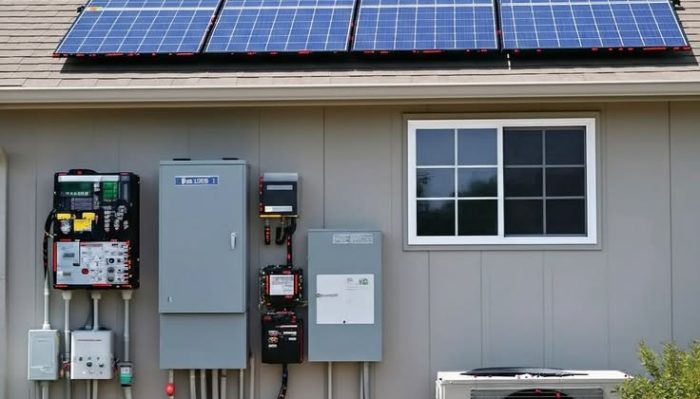
Installing a solar panel system allows you to generate your own clean electricity, offsetting the power used by your oven and reducing (or even eliminating) your dependence on the grid. You can reduce electricity costs by getting proper guidance from net metering systems. While the oven’s energy consumption stays the same, the cost of running it drops dramatically.
For households in Pakistan that regularly bake or use ovens, a properly sized solar system can deliver substantial long-term savings — often paying for itself in just 3–5 years through lower bills and protection against rising tariffs or load-shedding.
Electric Oven Energy Consumption by Type
Conventional Ovens
- Use heating elements
- Take longer to cook
- Consume more electricity overall
Convection Ovens (Better Option)
- Use fans to circulate hot air
- Cook faster
- Reduce energy use by 10–20%
If efficiency matters, convection ovens are the smarter choice.
Microwave vs Electric Oven
- Microwave: low energy, quick cooking
- Oven: higher energy, better for baking
Use a microwave when possible to reduce the overall electricity consumption of the electric oven.
Factors That Increase or Reduce Oven Electricity Use
Common Mistakes That Waste Electricity
Many households unknowingly waste energy:
- Preheating for too long
- Opening the oven door frequently
- Using incorrect cookware
- Cooking small meals in a large oven
Smart Ways to Save Electricity
Here are practical tips:
- Cook multiple dishes at once
- Avoid opening the door unnecessarily
- Turn off early and use residual heat
- Use the right oven size for your needs
These small habits can significantly reduce your electricity bill.
Cost of Running an Electric Oven (2026 Guide)
Simple Cost Calculation Formula
You can calculate your oven’s cost easily:
Power (kW) × Time (hours) × Cost per unit
Example Calculation (Pakistan)
Let’s assume:
- Oven = 3000W (3 kW)
- Usage = 1 hour/day
- Electricity cost = Rs. 60 per unit
Daily cost:
3 × 60 = Rs. 180
Monthly cost:
180 × 30 = Rs. 5,400
This shows how important it is to manage how much electricity the oven uses in daily life.
How to Reduce Your Electricity Bill
- Choose energy-efficient appliances
- Limit daily oven usage
- Cook in bulk
- Consider solar energy solutions
How Solar Panels Reduce Electric Oven Electricity Costs
Solar panels don’t reduce how much electricity your oven uses—they reduce how much you pay for that electricity. There is a common question: How much energy do solar panels produce?
During daylight hours, your system produces free energy that can power your kitchen appliances, including your oven. For example, if your oven consumes around 90 kWh per month, that expense can be greatly reduced or even eliminated with a properly installed solar system. This is why many homeowners are now turning to professional solar panel installation services to manage rising electricity costs.
Working with an experienced solar installer ensures your system is correctly sized for appliances like ovens, helping you maximize savings and avoid performance issues.
Energy Efficiency Ratings Explained
What Do Energy Labels Mean?
Energy ratings help you understand appliance efficiency:
- Higher rating = lower electricity consumption
- Better long-term savings
How to Choose an Efficient Electric Oven
Look for:
- Convection technology
- Good insulation
- Trusted brand quality
- Energy-saving features
Spending slightly more upfront can save you money over time.
Electric Oven vs Gas Oven – Which Is Better?
Cost Comparison
- Gas ovens → cheaper to run
- Electric ovens → more consistent cooking
Environmental Impact
Electric ovens can be eco-friendly when powered by renewable energy like solar.
Gas ovens rely on fossil fuels, which have a higher carbon footprint.
Smart Ways to Use Your Electric Oven with Solar Power
To get the most benefit from solar energy, it’s important to align your usage with sunlight hours. Running your oven during the day allows you to use direct solar power instead of grid electricity.
However, to fully optimize this setup, proper system design is essential. A certified solar installer assesses your energy needs, recommends the right system size, and ensures safe installation. This not only improves efficiency but also gives you long-term reliability.
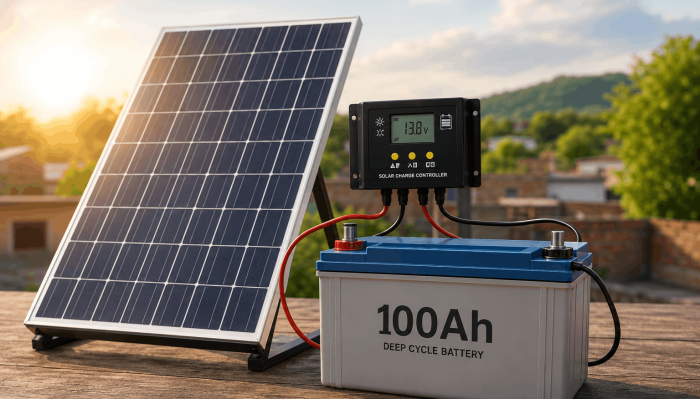
If you also include battery storage, you can extend these savings into the evening, making your kitchen appliances even more cost-effective to run.
Expert Tips to Improve Efficiency
Industry experts recommend:
- Regular maintenance of heating elements
- Keeping the oven clean
- Checking door seals
- Avoiding overuse
Proper care improves efficiency and extends appliance life.
Quick Answer Summary
- Electric ovens use 2000–5000 watts per hour
- Average monthly usage: 60–150 kWh
- Moderate electricity consumption compared to other appliances
- Convection ovens are more efficient
- Smart usage can significantly reduce costs
Conclusion
So, how much electricity does an electric oven use?
The answer depends on how you use it—but on average, it consumes 2 to 5 kWh per hour. While this may seem high, it’s manageable with smart habits and energy-efficient choices.
Electric ovens are not overly expensive to run if used wisely. By understanding your usage patterns, choosing the right appliance, and following simple energy-saving tips, you can enjoy cooking without worrying about high electricity bills.
If you’re looking to reduce costs even further, investing in energy-efficient appliances—or even solar solutions—can make a significant difference in the long run.
FAQs
1. How much electricity does an electric oven use per hour?
An electric oven uses between 2,000 and 5,000 watts per hour, depending on size and temperature.
2. Does the oven use a lot of electricity?
Electric ovens use moderate electricity. They consume less than heaters and ACs but more than smaller appliances.
3. How much electricity does an oven use per month?
If used daily for one hour, an oven may consume 60–150 kWh per month.
4. Are electric ovens energy efficient?
Yes, especially modern convection ovens, which are designed to reduce energy consumption.
5. How can I reduce the electricity consumption of an electric oven?
Cook in batches, avoid opening the door frequently, and use the correct temperature settings.
6. How many watts does an electric stove use?
An electric stove typically uses 1000–3000 watts per burner.
7. Is a gas oven cheaper than an electric oven?
Gas ovens are generally cheaper to run, but electric ovens provide better temperature control.