Can you use regular batteries for solar lights? No. Solar lights use rechargeable lithium-ion batteries that need recharging daily whereas standard alkaline batteries cannot. By forcing these non-rechargeable cells through daily charge cycles they could develop leaks or otherwise damage the light itself. Rechargeable NiMH AAA or AA batteries work just fine with solar lights; many come standard.
The Short Answer
So, can you use regular batteries for solar lights? Solar lights require batteries capable of being continuously recharged and discharged; standard alkaline cells were never designed for that task. If power was fed into them too frequently, you risk swelling, acid leakage or an entirely inoperable charge controller; replacing with rechargeables of equal size ensures your lighting works like it was designed to.
Why It Matters: How a Solar Light’s Battery Actually Works
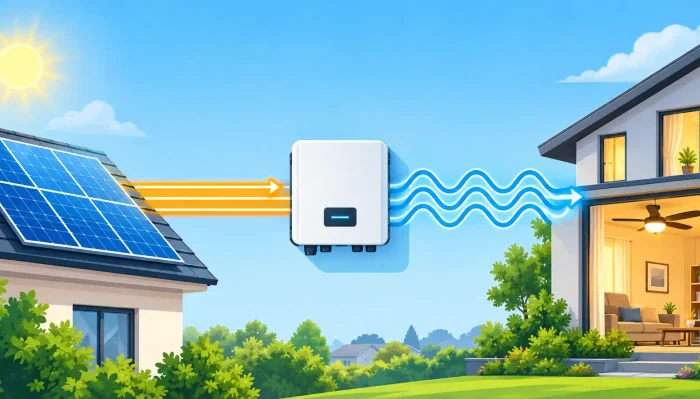
Solar lights are small power systems powered entirely by sunlight. Here’s their chain from start to finish:
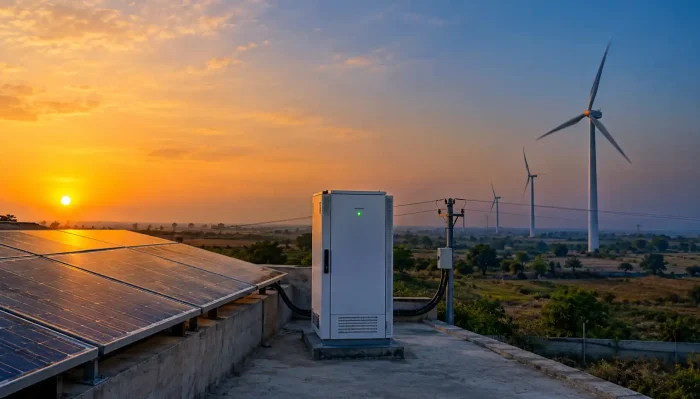
Solar panels sit atop your house to absorb sunlight during the day and convert it to electricity via photovoltaic cells, with its output feeding into a charge controller that manages how much power goes into charging batteries so they won’t overdischarge.
At darkfall, energy stored by the battery is released via light sensor to an LED driver that lights the bulb – repeating this cycle every single day.
Every element in this chain relies on rechargeable batteries – something standard batteries cannot offer.
The Real Confusion: “Regular” Doesn’t Mean Same Size
People frequently become overwhelmed when faced with selecting batteries for solar lights: their battery slot has either an AA or AAA size battery; you have some Duracell AAs stored away in your kitchen drawer that fit, so why not use them instead?
Size isn’t an issue – chemistry is. A regular alkaline battery and rechargeable AA NiMH battery look almost identical – same shape, same size, same two ends – however an alkaline is intended only for one-time use before being thrown out while NiMH can store charges multiple times before discharging again and again over its lifespan.
What Happens If You Use Alkaline Batteries in a Solar Light

This section gets to the heart of why you can’t use regular batteries for solar lights on a daily basis. Put a disposable alkaline battery into a solar light and a few things tend to go wrong:
- It won’t recharge. The panel tries to send power into the battery, but alkaline cells aren’t built to accept that. The battery drains fast and stays drained.
- Leakage and corrosion. Alkaline batteries can crack or leak when they’re forced through repeated charge attempts. That leaked chemical eats away at the metal terminals inside the light.
- Damaged circuits. Corrosion can spread from the terminals into the charge controller or wiring, and that kind of damage usually isn’t a cheap fix.
- A voided warranty. Most manufacturers state clearly that their solar lights are meant for rechargeable batteries only. Using the wrong type can cancel your warranty coverage.
- Dim or flickering light. Even before anything breaks, you’ll likely notice weaker output, since the battery can’t hold a proper charge.
None of this happens overnight. A fresh alkaline battery might even light up the bulb for a night or two. The damage builds up the longer it stays in place.
Regular vs Rechargeable Batteries: Comparison Table
| Battery Type | Rechargeable? | Typical Voltage | Cost Over 1 Year* | Safe for Solar Lights? | Average Lifespan |
| Alkaline (regular) | No | 1.5V | $15–$25 (replaced monthly) | No | Single use, then trash |
| NiCd | Yes | 1.2V | $3–$6 (one set, reused) | Yes (older fixtures) | 2–3 years |
| NiMH | Yes | 1.2V | $3–$7 (one set, reused) | Yes (most common today) | 2–4 years |
| Li-ion | Yes | 3.7V | $6–$12 (one set, reused) | Yes (higher-output lights) | 3–5 years |
| LiFePO4 | Yes | 3.2V | $10–$18 (one set, reused) | Yes (premium and solar street lights) | 5–8 years |
*Cost estimates are based on typical retail pricing for common battery sizes and average outdoor solar light usage. Your actual cost depends on the brand, battery size, and how much sun your light gets.
The pattern is clear. A household running one solar light on disposable alkaline batteries can spend more in a single year than a rechargeable NiMH set costs up front, and that rechargeable set can be reused for years.
Do Solar Lights Need Batteries?
Yes. A solar light needs a battery to store the electricity it collects during the day, because there’s no sunlight at night to power the LED directly. Without a battery, the light would only work while the sun is actually shining on the panel, which defeats the whole point of a solar light.
The one exception is a hybrid or wired system, where a light draws backup power from the electrical grid or a separate storage unit instead of its own internal battery. For a typical standalone garden light, pathway light, or motion sensor light, a battery is required for it to function after dark.
Do All Solar Lights Have Batteries?
Most do, but not every single one holds its own battery inside the fixture. Standard standalone solar lights, the kind you push into your lawn or mount on a wall, each have their own internal battery. Larger installations, like a solar street light setup or a connected garden lighting system, sometimes use a centralized battery bank that feeds power to multiple fixtures at once.
So if you’re asking, “do all solar lights have batteries,” the honest answer is: almost all of them do, individually, unless the product you bought is part of a shared or wired system. Check the product listing or manual if you’re not sure which setup you have.
And to be direct about the related question, do solar lights require batteries to run at night: yes, they do, for the same reason listed above. No stored energy means no light once the sun goes down.
Types of Rechargeable Batteries Solar Lights Use
- NiCd (Nickel-Cadmium): An older technology, still found in budget lights. Handles cold weather well but has a shorter lifespan and contains cadmium, which isn’t great for the environment.
- NiMH (Nickel-Metal Hydride): The most common choice in solar garden and pathway lights today. Good capacity, safer materials, and widely available in AA and AAA sizes.
- Li-ion (Lithium-ion): Found in higher-output solar lights, like security or flood lights. Higher energy density than NiMH, so it fits more power into a smaller cell.
- LiFePO4 (Lithium Iron Phosphate): Used in premium fixtures and solar street lighting. Stable, long-lasting, and handles temperature extremes better than standard lithium-ion.
In an Emergency, Can You Use Regular Batteries Short-Term?
This is where a lot of guides give a confusing answer, so let’s be straight about it.
If your rechargeable batteries die and you need light tonight, a fresh alkaline battery can technically power the LED for a few hours, since the light isn’t trying to recharge it at that exact moment. That’s an acceptable one-time stopgap.
What you shouldn’t do is leave it in there. Once morning comes and the solar panel starts sending charge current into that alkaline cell, that’s when the risk of leakage and damage kicks in. Pull the regular battery out before the light goes back into its charging cycle, and swap in a proper rechargeable battery as soon as you can. Treat it as a one-night fix, not a habit.
How to Choose the Right Replacement Battery
Before you buy a replacement, check four things:
- Form factor. Match the exact size: AA, AAA, or a specific cell like 18650. A battery that doesn’t physically fit won’t help you.
- Voltage. Most small solar lights run on 1.2V NiMH or NiCd cells. Larger fixtures may need 3.2V or 3.7V lithium cells. Using the wrong voltage can damage the light.
- Capacity (mAh). A higher mAh rating means more stored energy and longer runtime per charge. When two batteries are the same size and voltage, pick the higher mAh option.
- The label inside the compartment. Open the battery slot and check for wording like “rechargeable only” or a small charging symbol. That label tells you exactly what the manufacturer intends.
If you’re setting up a full outdoor lighting system rather than replacing a single battery, it’s worth getting it right from the start. Progressive Ventures handles full Solar Panel Installation for homes and properties that want reliable outdoor lighting without the trial and error of mismatched batteries and underpowered fixtures.
Signs Your Solar Light Needs a New Battery (Not a New Light)
Before you replace the whole fixture, check for these signs. They usually point to a tired battery, not a broken light:
- The light turns on but looks noticeably dimmer than before.
- It runs for an hour or two, then shuts off early.
- It flickers on and off through the night.
- It won’t turn on at dusk even though the panel gets full sun during the day.
Swapping in a fresh rechargeable battery solves most of these problems for a few dollars, far cheaper than buying a new light.
For more background on battery chemistry and safe handling, the EPA’s guide on used household batteries is a solid resource, and the Department of Energy’s overview of solar energy basics covers how photovoltaic systems store and use power.
A solar light with the right battery inside will run quietly for years without asking much from you. That’s the whole point of solar lighting in the first place.
To sum up the answer to can you use regular batteries for solar lights: only as a short emergency fix, never as your everyday power source. If you want a system built correctly the first time, reach out to Progressive Ventures for a consultation.
FAQs
Can you use regular batteries in a solar light?
No disposable alkaline batteries should be used with solar lights – solar cells need their battery recharged regularly, while alkaline cells were never intended for such daily charging cycles. A rechargeable battery of equivalent size should be utilized instead.
Do solar lights need batteries?
Yes. A battery stores energy from daytime solar energy so the light will run even in darkness when there’s no sunshine hitting its panel.
Are all solar lights equipped with batteries?
Almost all standalone solar lights feature their own battery pack; larger systems may utilize one centralized battery pack instead, so for further guidance check with your specific product.
Does solar lighting require batteries in order to work at night?
Yes. Without an stored power source like batteries, when night falls the solar light won’t come on at all – no matter how bright its sun was during the day!
Can rechargeable AA batteries work in any solar light?
No. A specific solar light needs to support AA-sized cells before using rechargeable ones as replacements – check its battery compartment first; in many instances if an AA battery compartment exists then rechargeable NiMH AAs will likely make for the best fit replacement option.