Solar energy systems are designed to produce electricity whenever sunlight is available, but many users wonder what happens when their solar batteries reach 100% capacity. What happens to solar power when batteries are full? Do solar panels stop working? Can batteries become overcharged?
The simple answer is that solar batteries stop accepting additional charge when they are full, but the solar panels may continue producing electricity. A smart solar system automatically manages energy flow using charge controllers, inverters, and battery management systems to protect the battery and maximize energy usage.
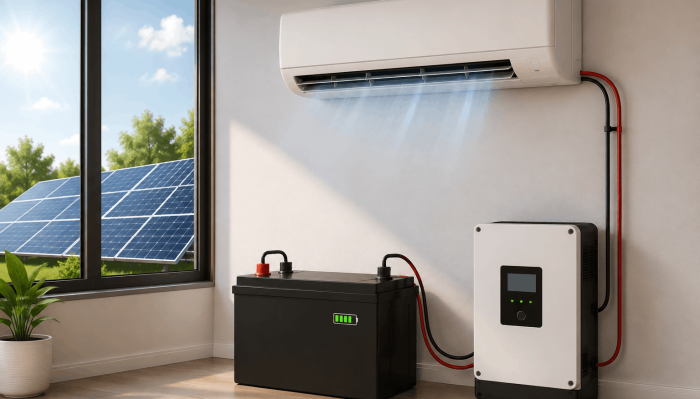
When a battery reaches full capacity, the extra solar energy can be used by connected appliances, sent back to the grid in grid-connected systems, stored in another battery bank, or reduced by the system depending on its design.
Understanding how solar power works after batteries are fully charged helps homeowners improve system efficiency and protect their investment.
How Solar Batteries Store Energy
A solar power system works through a simple energy conversion process.
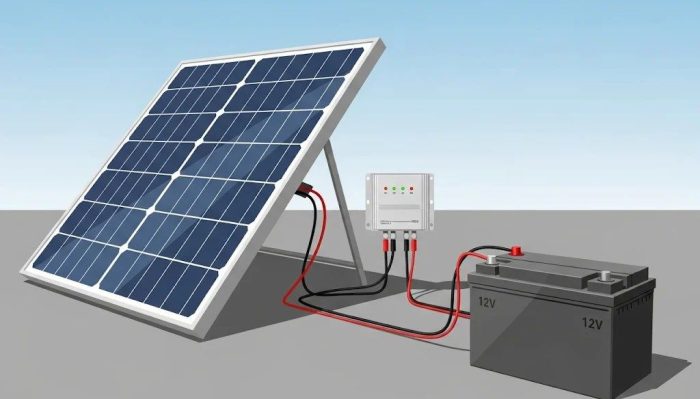
Solar panels capture sunlight and convert it into direct current (DC) electricity. This electricity then passes through a solar charge controller or hybrid inverter, which regulates the power before sending it to the battery.
The main components involved include:
- Solar panels: Generate electricity from sunlight.
- Charge controller: Controls the amount of electricity flowing into the battery.
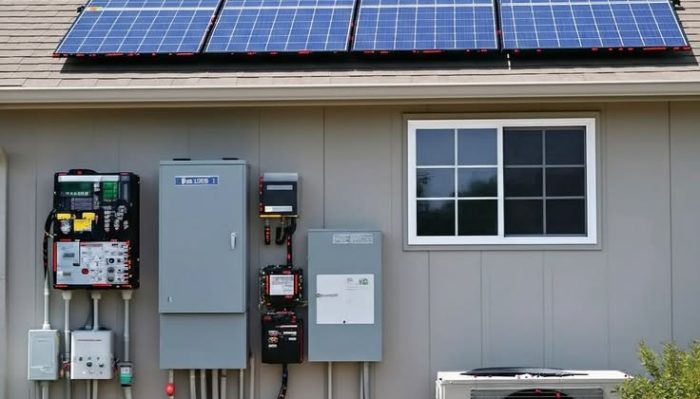
- Solar inverter: Converts DC electricity into usable AC electricity.
- Solar battery: Stores excess energy for later use.
During the daytime, solar energy is first used to power electrical appliances. Any extra electricity is stored in the battery until it reaches its maximum charging level. More about solar panels, you can get guidance through the World Bank Solar Energy and Renewable Power Insights
What Happens to Solar Power When Batteries Are Full?
When a solar battery reaches full capacity, the charging process does not continue at the same rate. The solar system automatically adjusts the energy flow to prevent damage.
Do Batteries Stop Charging When Solar Gets Full?

Yes, batteries stop charging when solar gets full. Once the battery reaches its maximum charge level, the charge controller reduces the charging current or stops sending additional power to the battery.
Modern solar systems use intelligent charging technology that prevents:
- Battery overheating
- Excessive voltage buildup
- Reduced battery lifespan
- Permanent battery damage
Instead of continuously forcing electricity into a full battery, the system enters a maintenance or standby charging mode.
Do Solar Batteries Stop Charging Automatically?
Yes, most modern solar batteries stop charging automatically when they reach full capacity.
This process is controlled by:
- Solar charge controllers
- Hybrid inverters
- Battery Management Systems (BMS)
A Battery Management System monitors important battery conditions, including:
- Voltage level
- Temperature
- Charging current
- Battery health
For example, lithium-ion solar batteries use advanced BMS technology to disconnect charging automatically when necessary, providing better safety and longer battery life.
Also Read: Best batteries for solar panels
Where Does Extra Solar Power Go When Batteries Are Full?
When a solar battery is completely charged, the unused solar energy has different destinations depending on the type of solar system installed.
1. Powering Household Appliances
The first priority of most solar systems is supplying electricity to active loads.
If your battery is full but your home is using electricity, solar panels will continue supplying power to appliances such as:
- Fans
- Lights
- Refrigerators
- Air conditioners
- Water pumps
This allows you to use available solar energy rather than waste it.
2. Exporting Electricity to the Grid
In grid-connected solar systems, extra electricity can be exported to the utility grid through approved net metering arrangements.
During high sunlight hours:
- Solar panels produce electricity.
- Batteries become fully charged.
- Extra power is sent to the grid.
This allows users to get additional value from their solar production.
3. Reducing Solar Output
In off-grid systems without additional loads, the charge controller may reduce solar input once the battery reaches full capacity.
The solar panels are still exposed to sunlight, but the system limits energy flow to protect the battery.
What Happens When a Solar Battery Reaches Full Capacity?
A fully charged solar battery enters a controlled maintenance stage.
The system may switch between different charging phases:
Bulk Charging
During this stage, the battery receives the maximum available charging current.
Absorption Charging
The system reduces charging speed as the battery approaches full capacity.
Float Charging
Once fully charged, the system maintains the battery at a safe voltage level.
This process keeps the battery ready for use without causing unnecessary stress.
Do Solar Panels Stop Charging When the Battery Is Full?
No, solar panels usually do not stop producing electricity when the battery is full.
The panels continue converting sunlight into electricity, but the charge controller decides where that energy goes.
The outcome depends on the system:
| Solar System Type | What Happens When the Battery Is Full? |
|---|---|
| Off-grid system | Extra energy may be reduced or diverted |
| Hybrid system | Energy may power appliances or be exported to the grid |
| Grid-tied system | Extra electricity can be sent to the grid |
The solar panels themselves cannot force-charge a battery because the charge controller regulates the process.
Why Does My Solar Battery Stop Charging Before 100%?
Some users notice that their battery stops charging at 90%, 95%, or another percentage instead of reaching exactly 100%.
Several reasons can cause this.
1. Battery Protection Settings
Lithium batteries often stop charging slightly before 100% to improve battery lifespan.
Manufacturers may intentionally limit charging levels to reduce stress on battery cells.
2. Incorrect Inverter Settings
Incorrect settings can prevent batteries from reaching full capacity.
Common issues include:
- Wrong battery type selected
- Incorrect charging voltage
- Incorrect capacity settings
Always ensure inverter settings match the battery specifications.
3. Temperature Problems
Extreme temperatures can affect battery charging.
High temperatures may activate protection systems, while cold temperatures can reduce charging efficiency.
4. Battery Aging
Older batteries may lose their ability to hold a full charge.
Signs of battery aging include:
- Faster discharge
- Reduced backup time
- Lower charging capacity
5. Low Solar Production
A battery may not reach full capacity if solar production is limited because of:
- Dust on solar panels
- Shading
- Poor weather
- Faulty connections
Can I Leave My Solar Battery Connected to Solar Panels All the Time?
Yes, you can leave your solar battery connected to solar panels continuously if the system is properly installed.
Modern solar systems are designed for automatic operation.
Benefits include:
- The battery remains ready for backup
- Automatic charging management
- Better energy availability
However, it is important to use:
- Compatible solar panels
- Correct charge controllers
- Proper inverter settings
A professionally installed system ensures safe and efficient operation.
How Solar Charge Controllers Prevent Battery Overcharging
A solar charge controller plays an important role in battery protection.
It controls the flow of electricity between solar panels and batteries.
PWM Charge Controllers
PWM controllers are commonly used in smaller solar systems.
Advantages:
- Simple operation
- Affordable cost
- Suitable for basic applications
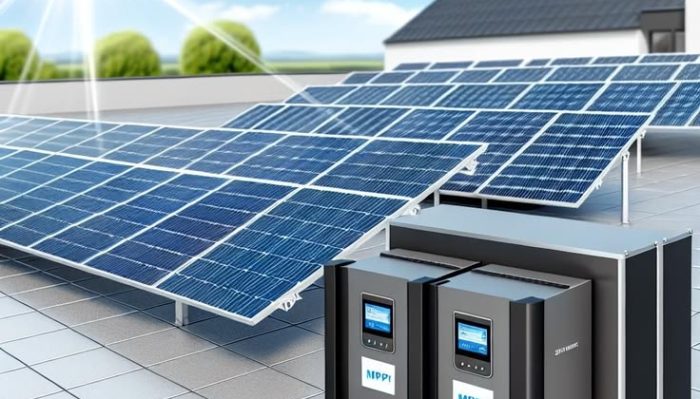
MPPT Charge Controllers
MPPT controllers are more advanced and efficient.
Benefits include:
- Better energy harvesting
- Higher charging efficiency
- Improved performance in changing sunlight conditions
For larger solar installations, MPPT technology is usually preferred.
Lithium vs Lead-Acid Solar Batteries When Fully Charged
| Feature | Lithium Battery | Lead-Acid Battery |
|---|---|---|
| Charging control | Advanced BMS protection | Requires a charge controller |
| Lifespan | 8–15 years (depending on usage) | 3–7 years |
| Efficiency | Higher | Lower |
| Maintenance | Low maintenance | Regular maintenance |
| Charging speed | Faster | Slower |
Lithium batteries are becoming increasingly popular because they provide better efficiency and longer service life.
Tips to Improve Solar Battery Performance
To get better performance from your solar battery:
Use Correct Charging Settings
Make sure inverter settings match battery requirements.
Avoid Excessive Discharging
Regularly draining batteries completely can reduce their lifespan.
Keep Batteries in Suitable Conditions
Avoid installing batteries in extremely hot or humid locations.
Monitor System Performance
Regularly check:
- Battery charge level
- Solar production
- Electricity usage
Early detection of problems helps prevent expensive repairs.
Conclusion
When solar batteries become full, the system does not waste electricity or allow dangerous overcharging. Modern solar technology automatically manages energy flow through charge controllers, inverters, and battery management systems.
If batteries are full, solar energy can power household appliances, export to the grid, or be reduced depending on the type of solar installation.
Understanding this process helps solar users maintain their systems properly and get maximum value from their investment. For reliable solar installation, battery selection, and energy solutions, consult experienced solar professionals who can design a system according to your electricity needs.
At Progressive Ventures, we provide complete solar solutions, including solar panel installation, solar battery installation, hybrid solar systems, inverter setup, and system maintenance for residential and commercial users across Pakistan.
Our team helps customers design reliable solar systems that maximize energy savings, improve efficiency, and provide long-term performance. Contact us today to get expert advice for your solar energy needs.
Frequently Asked Questions (FAQs)
Do batteries stop charging when solar gets full?
Yes. When solar batteries reach full capacity, charge controllers automatically reduce or stop charging to protect the battery from overcharging.
Do solar batteries stop charging automatically?
Yes. Modern solar batteries use charge controllers and battery management systems to automatically control charging.
What happens when a solar battery is fully charged?
When a solar battery is fully charged, the system stops sending additional power to the battery and directs energy toward appliances, grid export, or reduces production.
What happens when a solar battery reaches full capacity?
The battery enters a maintenance charging mode where it stays ready without receiving excessive power.
Why does my solar battery stop charging before 100%?
Possible reasons include battery protection settings, incorrect inverter configuration, temperature conditions, battery aging, or low solar production.
Can I leave my solar battery connected to solar panels all the time?
Yes. Solar batteries are designed for continuous connection when installed with compatible equipment.
Do solar panels stop charging when the battery is full?
No. Solar panels can continue generating electricity, but the charge controller manages where the energy goes.