Electricity bills are rising in many parts of the world, leading homeowners to search for smarter ways to reduce energy costs. One of the most common questions people ask is: “Is electricity cheaper at night?” The short answer is yes — in many areas, electricity costs less during off-peak hours when overall demand on the power grid is lower. However, the actual savings depend on your utility provider, billing plan, and location.
Many electricity companies now use Time-of-Use (TOU) pricing, where rates change depending on the time of day. This means households can save money by using major appliances during late evening or overnight hours. If you have ever wondered “is it cheaper to use electricity at night” or “how much cheaper is electricity at night,” this guide explains everything in simple terms.
In this article, you will learn how off-peak electricity pricing works, the best times to use electricity, and practical ways to lower your monthly energy bills.
Understanding Time-of-Use Electricity Pricing
Electricity demand changes throughout the day. During busy hours, when homes and businesses use more power, electricity prices often increase. At night, demand usually drops, allowing utility companies to offer lower rates.
This system is called Time-of-Use pricing.
What Are Peak Hours?
Peak hours are the times when electricity demand is highest. These periods often occur during:
- Afternoon hours
- Early evenings
- Hot summer days
- Cold winter evenings
During these times, more people use air conditioners, heaters, lights, televisions, and kitchen appliances simultaneously. Since the electrical grid experiences higher pressure, electricity rates increase.
What Are Off-Peak Hours?
Off-peak hours are periods when fewer people use electricity. These hours usually happen:
- Late at night
- Early in the morning
- Sometimes on weekends
Because demand is lower, utility companies can provide electricity at reduced prices.
Many people asking “is electric cheaper at night” are usually referring to these off-peak rates.
Is Electricity Cheaper at Night Everywhere?
Electricity is not automatically cheaper at night in every country or region. The pricing structure depends on your electricity provider and the type of billing plan you have.
Some households are on fixed-rate plans where electricity costs remain the same all day. Others use Time-of-Use plans that charge different rates based on the time of day.
Countries commonly using TOU pricing include:
- United States
- Canada
- United Kingdom
- Australia
- Some regions in Pakistan
Modern smart meters have made off-peak pricing more common because they can track electricity usage by time of day.
If your home still uses a traditional meter, your electricity bill may not change between daytime and nighttime usage.
The best way to know if electricity is cheaper at night in your area is to check your utility bill or contact your electricity provider directly.
How Much Cheaper Is Electricity at Night?
One of the most searched questions online is “how much cheaper is electricity at night.” The answer varies depending on your utility company and tariff plan.
In many areas, off-peak electricity rates can be around 20% to 50% lower than peak-hour prices.
Here is a simple comparison:
| Time Period | Electricity Cost | Demand Level |
|---|---|---|
| Peak Hours | Highest | Very High |
| Mid-Peak Hours | Moderate | Medium |
| Off-Peak Night Hours | Lowest | Low |
For households using large appliances, these savings can become noticeable over time.
Appliances That Are Cheaper to Run at Night
Many homeowners reduce energy costs by operating power-hungry appliances overnight, including:
- Washing machines
- Dishwashers
- Electric vehicle chargers
- Water heaters
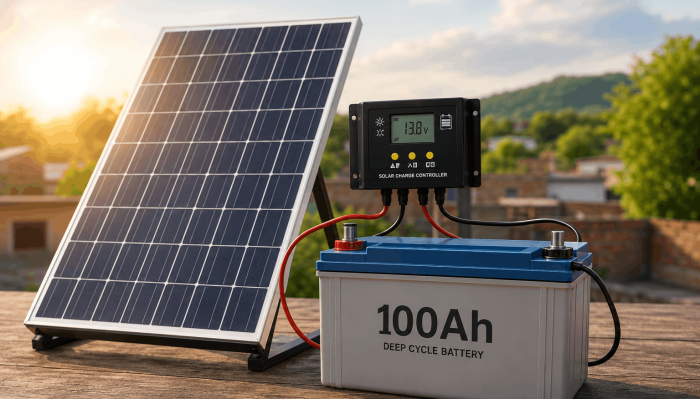
- Battery storage systems
If your provider offers off-peak pricing, using these appliances at night can significantly lower your monthly bill.
When Is Electricity Usually Cheapest?
In most regions, electricity becomes cheaper during late-night and early-morning hours.
Typical off-peak times include:
- 10 PM to 6 AM
- Midnight to 7 AM
- Overnight weekend periods
However, every utility provider uses different schedules, so it is important to verify your local pricing structure.
Best Activities for Off-Peak Hours
Many households shift energy-intensive tasks to nighttime, such as:
- Laundry
- Charging electronics
- Running dishwashers
- Heating water
- Charging electric vehicles
This strategy works especially well for families trying to reduce monthly electricity expenses.
Smart Home Automation Can Help
Modern smart home technology makes nighttime energy savings easier. Homeowners can use:
- Smart plugs
- Appliance timers
- Energy-monitoring apps
- Programmable thermostats
These tools automatically run appliances during cheaper hours without requiring manual effort.
Pros and Cons of Using Electricity at Night
Using electricity during off-peak hours offers several benefits, but there are also some limitations to consider.
Benefits of Night-Time Electricity Usage
Lower Electricity Bills
The biggest advantage is reduced energy costs. Shifting heavy electricity usage to off-peak hours can help households save money every month.
Reduced Grid Pressure
When consumers spread electricity usage throughout the day, it helps reduce strain on the electrical grid.
Better Energy Efficiency
Off-peak programs encourage smarter energy habits and more efficient appliance usage.
Supports Renewable Energy Systems
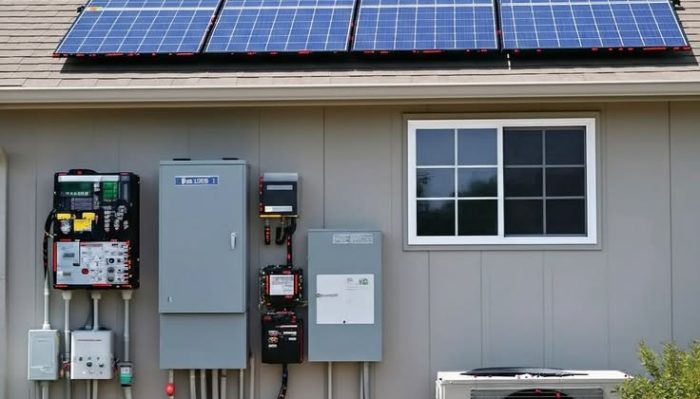
Many modern grids combine off-peak pricing with renewable energy integration and battery storage systems.
Drawbacks of Using Electricity at Night
Appliance Noise
Running washing machines or dishwashers overnight may disturb some households. It’s important to understand how much electricity washing machines consume.
Safety Concerns
Experts generally recommend avoiding the unattended use of certain appliances while sleeping.
Not All Plans Offer Savings
Some fixed-rate electricity plans charge the same price all day, meaning nighttime usage will not reduce costs.
Before changing your routine, confirm your billing structure with your utility company.
How Renewable Energy Affects Electricity Prices
Renewable energy is changing how electricity markets operate worldwide.
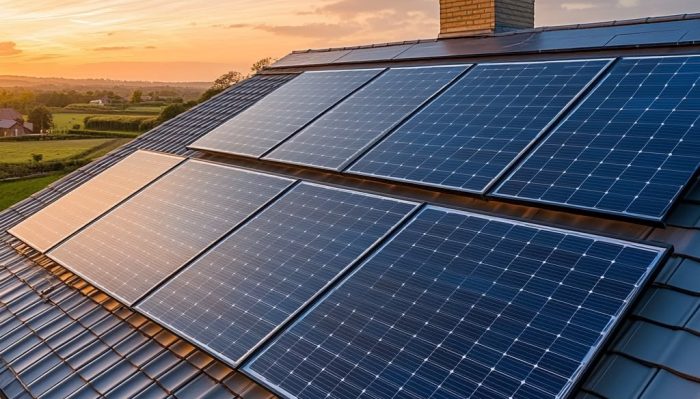
Solar energy systems generate most of their electricity during the daytime, while wind energy can continue producing power overnight. This changing energy supply affects electricity pricing patterns.
Lower Demand Can Reduce Costs
At night, homes and businesses often use less power. Lower demand means electricity providers can reduce prices during off-peak hours.
Smart Grids and Battery Storage
Modern energy systems now use:
- Smart grids
- Battery storage solutions
- Electric vehicle charging programs
- Automated energy balancing
These technologies improve grid efficiency and help utility providers manage electricity demand more effectively.
As renewable energy adoption grows, off-peak pricing systems may become even more common.
How to Check If Your Electricity Is Cheaper at Night
If you are unsure whether your electricity costs less overnight, there are several simple ways to find out.
Review Your Electricity Bill
Many utility bills clearly mention:
- Time-of-Use pricing
- Peak-hour rates
- Off-peak schedules
- Electricity usage breakdowns
Look for sections describing different rate periods.
Contact Your Utility Provider
You can also contact your electricity company and ask:
- Do I have a Time-of-Use plan?
- What are my off-peak hours?
- Is electricity cheaper at night on my current tariff?
- How much cheaper is electricity at night?
Use Smart Meter Apps
Many utility companies now provide online dashboards or mobile apps that show real-time energy usage and pricing data.
These tools help households track consumption and identify the cheapest hours for electricity use.
Reducing electricity costs requires more than simply staying awake later. Smart planning and energy-efficient habits make the biggest difference.
Use Energy-Efficient Appliances
Modern appliances consume less electricity while delivering better performance.
Look for products with:
- ENERGY STAR certification
- Inverter technology
- High energy-efficiency ratings
Shift High-Power Activities to Off-Peak Hours
Scheduling high-energy tasks overnight can lower electricity costs significantly.
Examples include:
- Heating water
- Charging electric vehicles
- Running washing machines
- Cooling homes before peak daytime hours
Install Solar Battery Storage
Conclusion
So, is electricity cheaper at night? In many cases, yes. Utility providers often charge lower rates during off-peak hours because electricity demand decreases overnight. However, the actual savings depend on your location, provider, and tariff plan.
For households with Time-of-Use pricing, shifting appliance usage to nighttime hours can reduce monthly electricity bills and improve energy efficiency. Smart meters, automation tools, and energy-efficient appliances make it easier than ever to take advantage of lower overnight rates.
If you want to reduce electricity costs, start by checking your utility plan, identifying off-peak hours, and adjusting your energy usage habits. Small changes can lead to meaningful savings over time.
Frequently Asked Questions
Is electricity cheaper at night?
Yes, electricity is often cheaper at night in areas using Time-of-Use pricing plans. Utility providers lower rates during off-peak hours when overall electricity demand decreases.
Is it cheaper to use electricity at night every day?
It depends on your electricity provider and billing plan. Homes with Time-of-Use pricing usually benefit from lower nighttime rates, while fixed-rate plans charge the same price all day.
How much cheaper is electricity at night?
Off-peak electricity can sometimes cost 20% to 50% less than peak-hour electricity rates. The exact savings vary by provider and region.
Does electricity cost less after midnight?
In many regions, electricity rates drop after late evening hours or midnight because electricity demand becomes lower overnight.
Can smart meters reduce electricity bills?
Smart meters themselves do not reduce bills directly, but they help homeowners monitor electricity usage and shift consumption to cheaper off-peak hours.
Is electricity cheaper on weekends?
Some utility providers offer lower weekend electricity rates, especially under Time-of-Use pricing plans. Check your tariff details for accurate information.