A 10kW solar system is one of the most popular solar solutions for large homes, offices, commercial buildings, and small industries in Pakistan. With increasing electricity prices and frequent power outages, many consumers are switching to solar energy to reduce electricity bills and achieve long-term energy independence.
A properly designed 10kW solar power system can generate enough electricity to run multiple appliances, including air conditioners, refrigerators, water pumps, lighting systems, and office equipment.
This guide explains the 10kW solar system price in Pakistan, required solar panels, installation cost, electricity production, battery options, and benefits.
10kW Solar System at a Glance
Key Facts
| Feature | Details |
|---|---|
| System Capacity | 10kW |
| Suitable For | Large Homes & Small Businesses |
| Daily Production | 35–50 Units |
| Monthly Production | 1,050–1,500 Units |
| Panels Required | 18–25 Panels |
| Roof Area Required | 600–800 sq. ft. |
| Average Lifespan | 25+ Years |
| ROI Period | 3–5 Years |
A 10kW solar system typically produces between 35 and 50 units of electricity per day and around 1,050 to 1,500 units per month in Pakistan, depending on sunlight availability, panel efficiency, location, and system design.
What Is a 10kW Solar System?
A 10kW solar system is a solar power setup capable of generating up to 10,000 watts of electricity under ideal sunlight conditions.
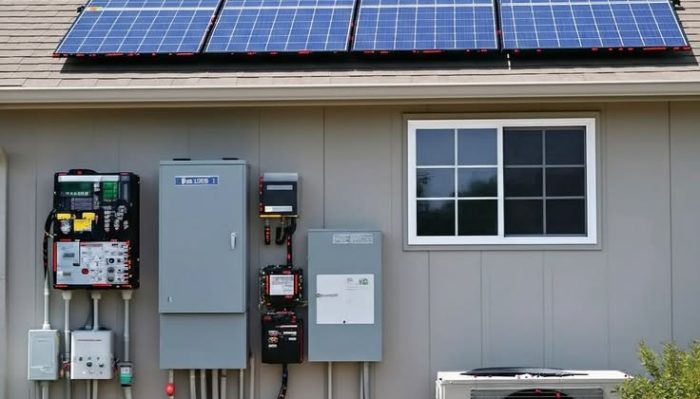
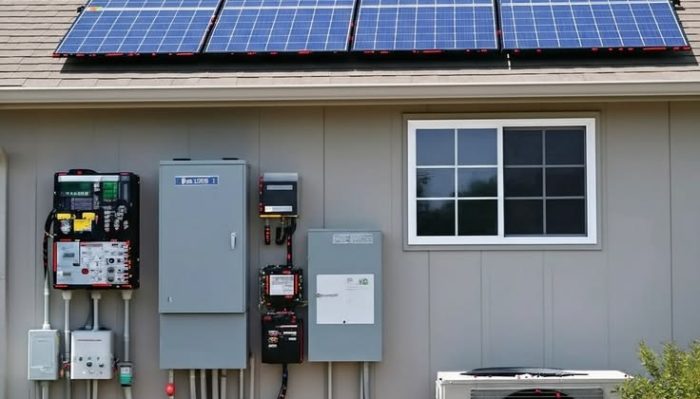
The system consists of:
- Solar panels
- Solar inverter
- Mounting structure
- DC and AC wiring
- Protection equipment
- Net metering connection (optional)
This capacity is ideal for:
Residential Properties
- 8–10 marla houses
- 1 kanal homes
- Villas and farmhouses
Commercial Properties
- Offices
- Retail shops
- Small factories
- Educational institutions
10kW Solar System Cost Breakdown (Global + Pakistan Market)
The 10-kilowatt solar system cost varies depending on the country, brand, installation quality, and system type.
Global Average Cost
- $9,000 to $14,000 (without batteries)
- $12,000 to $18,000 (with battery backup)
10kW Solar System Price in Pakistan (2026 Estimate)
In Pakistan, pricing depends heavily on inverter brand, panel quality, and installation structure.
Average Cost Range
PKR 1,400,000 to PKR 2,200,000
Breakdown
- Solar Panels: PKR 700,000 – 1,100,000
- Inverter: PKR 250,000 – 500,000
- Structure & Installation: PKR 150,000 – 300,000
- Wiring & Accessories: PKR 100,000 – 200,000
With Battery Backup
Can go up to PKR 2.8 million+
How Much Does a 10kW Solar System Cost?
If you are asking how much is a 10kW solar system, the answer depends on your energy goals:
- Budget system (basic on-grid): PKR 14–16 lakh
- Mid-range hybrid system: PKR 16–20 lakh
- Premium lithium battery system: PKR 20–28 lakh
The biggest price difference comes from:
- Battery storage
- Panel efficiency
- Inverter technology
Solar Panels for 10kW System (Best Options)
Choosing the right solar panels for a 10 kW system directly affects performance and ROI.
Top Panel Types
- Monocrystalline panels (highest efficiency)
- PERC technology panels
- Bifacial solar panels (latest trend)
Popular Brands (Pakistan Market)
- Longi
- JA Solar
- Canadian Solar
- Jinko Solar
Higher efficiency panels reduce roof space requirements and improve long-term savings. To better understand solar panels, get a guideline from the International Renewable Energy Agency
Key Factors Affecting 10kW Solar System Price
Several important factors influence the final 10kw solar system price, and understanding them helps in making a better investment decision.
1. Panel Quality
Solar panel quality plays a major role in system cost and performance. High-efficiency panels generate more electricity in less space, but they are more expensive. However, they offer better long-term savings and durability.
2. Inverter Type
The inverter is a critical component of the system. Hybrid inverters are more expensive because they allow battery backup and work during load-shedding. On-grid inverters are more affordable but depend fully on the grid supply.
3. Battery Storage
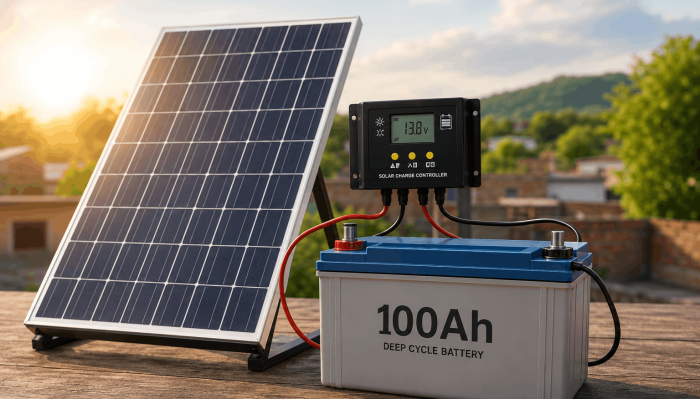
Adding lithium battery storage significantly increases the total system cost. Batteries are useful for backup power and energy independence, especially in areas with frequent power outages.
4. Installation Complexity
Installation cost varies depending on roof type, building height, and wiring distance. Complex installations require more labor and safety equipment, which increases overall cost.
5. Net Metering Approval
Net metering allows users to send excess electricity back to the grid. Although it provides long-term savings, the approval process may involve documentation and minor administrative costs.
ROI & Savings of 10kW Solar System
One of the biggest reasons people invest in solar is financial savings. You can also get guidance from the U.S. Department of Energy – Solar Energy Technologies Office
Monthly Savings
- PKR 25,000 to PKR 60,000 depending on usage
Payback Period
- Typically 3 to 5 years
Long-Term Benefit
- 25+ years of electricity generation
- Protection from rising electricity tariffs
Installation Process of a 10kW Solar System
The installation of a 10kW solar system follows a structured process to ensure maximum efficiency, safety, and long-term performance. Each step is carefully planned and executed by solar professionals.
Step 1: Site Survey
The process begins with a detailed site inspection and energy audit. Experts evaluate your electricity usage, roof space, and sunlight exposure to determine whether your location is suitable for a 10kW system. This step ensures accurate planning and system efficiency.
Step 2: System Design
After the survey, a customized system design is created. This includes load calculation, selection of solar panels, inverter sizing, and optimal panel placement on the roof. Proper design ensures maximum energy generation throughout the year.
Step 3: Installation
In this phase, the physical installation takes place. Solar panels are mounted on the roof, the inverter is installed, and all electrical wiring is completed. With proper design, quality equipment, and professional installation, a 10kW solar system can deliver reliable, clean energy for decades.
Step 4: Net Metering
Once installation is complete, an application for net metering is submitted to the relevant electricity authority. After approval, your system can export excess electricity to the grid, helping to further reduce your electricity bills. You can learn more about the process from the official regulator, NEPRA (Net Metering Guidelines).
Step 5: Testing & Activation
In the final step, the entire system is tested for performance, safety, and efficiency. After successful testing, the system is activated and starts generating electricity for your home or business.
How Many Solar Panels Required for 10kW?
This is one of the most frequently searched questions among homeowners.
The exact number depends on the wattage of the solar panels selected.
Panel Requirement Based on Panel Size
| Panel Wattage | Panels Required |
| 400W | 25 Panels |
| 450W | 23 Panels |
| 500W | 20 Panels |
| 550W | 19 Panels |
| 580W | 18 Panels |
| 700W | 15 Panels |
How Many Plates in a 10kW Solar System?
In Pakistan, solar panels are commonly referred to as “plates.”
For a 10kW solar system, you generally need:
- 18–20 plates using 550W panels
- 20–23 plates using 450W–500W panels
- 25 plates using 400W panels
The final count depends on panel efficiency and roof space availability.
How Many Units Does a 10kW Solar System Produce?
Electricity generation varies depending on:
- Location
- Weather conditions
- Panel quality
- Installation angle
- Seasonal sunlight hours
Daily Production
A 10kW system typically generates:
35–50 units per day
Monthly Production
Average monthly generation:
1,050–1,500 units
Annual Production
Average annual generation:
12,000–18,000 units
Conclusion
A 10kW solar system is one of the most reliable and cost-effective renewable energy solutions for modern households and businesses. The 10kW solar system cost in Pakistan typically ranges between PKR 14 lakhs to PKR 22 lakhs, depending on quality, components, and installation type.
A 10kW solar system is one of the most practical renewable energy investments for homeowners and businesses in Pakistan. It can generate between 35 and 50 units daily, significantly reduce electricity bills, and provide long-term savings through net metering and self-consumption.
By understanding components, pricing structure, and ROI, you can make a more informed decision and choose a system that fits your needs. Reduce your electricity bills and generate clean energy with a professionally designed 10kW solar solution. Contact us today for a free consultation, system assessment, and customized solar quotation tailored to your energy needs.
FAQs (Frequently Asked Questions)
1. What is the price of a 10kW solar system in Pakistan?
The average 10kW solar system price in Pakistan ranges between PKR 14 lakh to PKR 22 lakh, depending on the quality of solar panels, inverter type, and installation components used.
2. How much electricity does a 10kW solar system produce?
A 10kW solar system produces approximately 1,000 to 1,300 units (kWh) per month, depending on sunlight availability, weather conditions, and system efficiency.
3. How many solar panels are required for a 10kW system?
Usually, a 10kW system requires around 18 to 22 solar panels, depending on the wattage of each panel (commonly 450W to 550W panels are used).
4. Is a 10kW solar system enough for a house?
Yes, a 10kW solar system is ideal for large homes, offices, and small businesses. It can run multiple appliances including air conditioners, refrigerators, fans, and lighting systems.
5. What is the payback period of a 10kW solar system?
The payback period is typically 3 to 5 years, depending on electricity consumption, net metering benefits, and system efficiency.
6. Do solar panels work in cloudy weather?
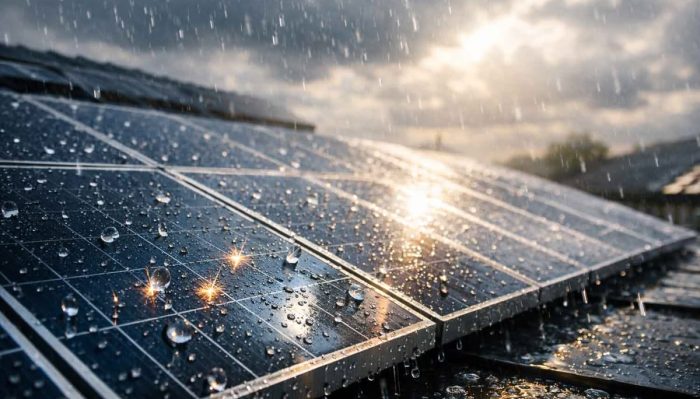
Yes, solar panels still work in cloudy weather, but their efficiency is reduced because they receive less direct sunlight compared to clear conditions.
7. Which is better: on-grid or hybrid solar system?
A hybrid solar system is better if you want backup power during load-shedding, while an on-grid system is more cost-effective if your goal is to reduce electricity bills without battery storage.