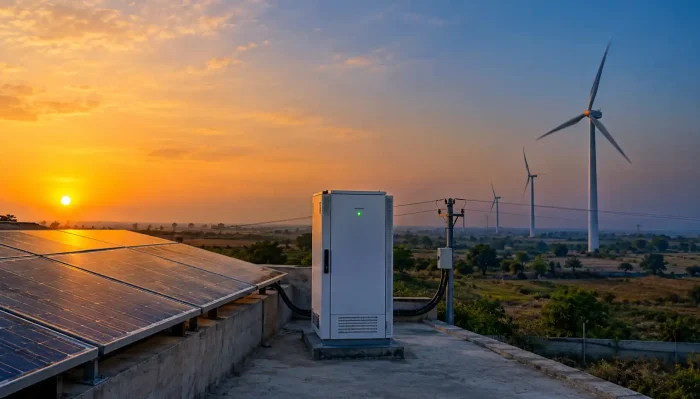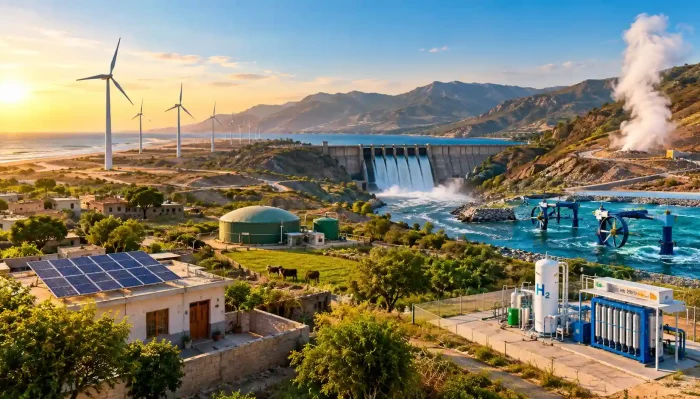
Solar energy is becoming one of the fastest-growing sources of electricity worldwide. Rising electricity prices, increasing awareness about renewable energy, and improved solar technology have encouraged homeowners and businesses to switch to solar systems. During this transition, one term appears frequently: solar array.
So, what is a solar array?
A solar array is a group of connected solar panels that work together to generate electricity from sunlight. Instead of relying on a single solar panel, multiple panels are combined to produce enough power for homes, offices, farms, and commercial buildings.
Whether you hear terms like solar panel array, solar electric array, or solar power array, they all refer to systems designed to capture solar energy efficiently. Understanding how solar arrays work can help you make better decisions about renewable energy, electricity savings, and long-term energy independence.
In this complete guide, you’ll learn how solar arrays work, their components, types, costs, benefits, maintenance needs, and whether they are worth installing in 2026.
What Is a Solar Array?
A solar array is a collection of multiple solar panels connected together to generate electricity from sunlight. These panels work as a single system to produce enough power for residential, commercial, or industrial use.
A single solar panel can only generate a limited amount of electricity. However, when several panels are connected in a structured setup, they create a much more powerful system known as a solar panel array.
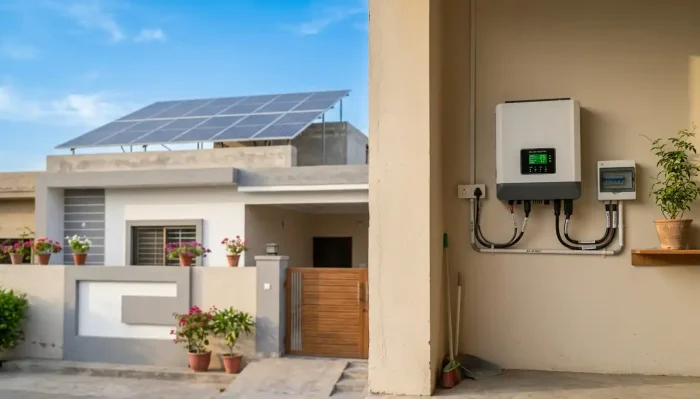
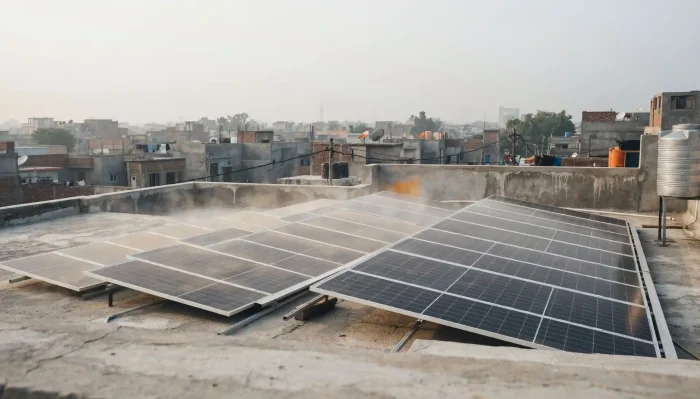
Solar arrays are commonly installed on rooftops, open land, parking structures, and commercial buildings. Their main purpose is to convert sunlight into usable electrical energy. For a better understanding of solar panels and global solar energy trends, you can refer to the International Energy Agency (IEA)
In simple words:
- One solar panel = small electricity production
- Multiple connected panels = solar array capable of powering larger systems
Today, modern solar panel arrays are more efficient than ever and are widely used to reduce electricity bills and dependence on traditional power sources.
How Does a Solar Array Work?
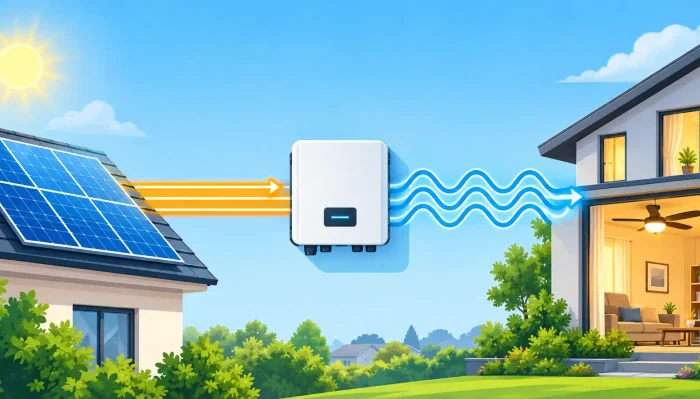
A solar array works by converting sunlight into usable electricity through photovoltaic technology.
Here’s the step-by-step process:
1. Sunlight Hits the Solar Panels
Solar panels contain photovoltaic (PV) cells that absorb sunlight during the day.
2. Solar Cells Generate DC Electricity
When sunlight reaches the solar cells, they produce Direct Current (DC) electricity.
3. Inverter Converts DC Into AC Power
Most homes and appliances use Alternating Current (AC) electricity. A solar inverter converts DC power into AC electricity for daily use.
4. Electricity Powers Your Home or Business
The converted electricity powers lights, fans, appliances, machines, and electronic devices.
5. Extra Electricity Can Be Stored or Exported
Depending on the system type:
- Excess power may charge batteries
- Or it may be sent back to the utility grid through net metering
This complete setup is known as a solar electric array.
Main Components of a Solar Array
A solar array contains several important components that work together efficiently.
Solar Panels
Solar panels are the main part of the system. They capture sunlight and convert it into electricity. To understand this better, you can get guidance from the U.S. Department of Energy – Solar Energy Technologies Office
The most common types include:
- Monocrystalline panels
- Polycrystalline panels
- Thin-film panels
Monocrystalline panels are currently the most efficient and widely used option.
Solar Inverter
The solar inverter converts DC electricity into AC electricity. Without an inverter, solar energy cannot power most appliances.
Common inverter types include:
- String inverters
- Microinverters
- Hybrid inverters
Mounting Structure
Mounting systems securely hold the panels in place.
They can be:
- Rooftop mounted
- Ground mounted
Strong mounting structures help panels resist harsh weather conditions.
Solar Batteries
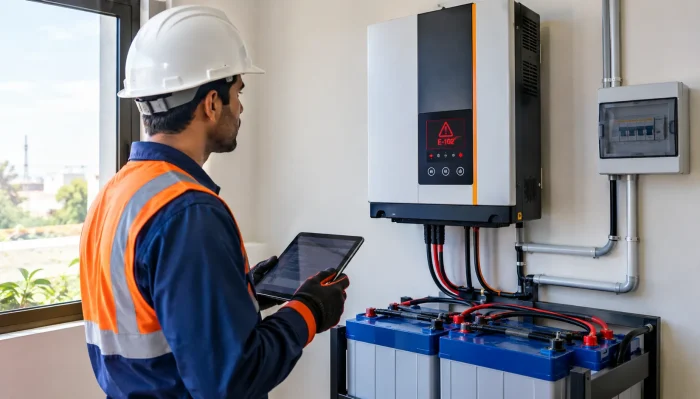
Some systems include solar batteries for energy storage. Batteries allow users to store excess electricity for nighttime or power outages.
Wiring and Monitoring Systems
Wiring safely transfers electricity throughout the system. Monitoring tools help track energy production and system performance in real time.
Modern systems now use AI-based monitoring for improved efficiency and maintenance alerts.
Types of Solar Arrays
Different types of solar arrays are designed for different energy needs.
Grid-Tied Solar Arrays
These systems are connected directly to the electricity grid.
Benefits include:
- Lower installation costs
- Net metering advantages
- Reduced electricity bills
Grid-tied systems are the most common option for residential homes.
Off-Grid Solar Arrays
Off-grid systems operate independently without relying on utility power.
They usually include:
- Solar batteries
- Backup storage
- Larger energy systems
These are ideal for remote areas with limited grid access.
Hybrid Solar Arrays
Hybrid systems combine grid connectivity with battery storage.
Advantages include:
- Backup power during outages
- Better energy management
- Improved energy independence
Ground-Mounted Solar Arrays
Ground-mounted systems are installed on open land instead of rooftops.
These are commonly used for:
- Farms
- Factories
- Large commercial projects
- Solar farms
Rooftop Solar Arrays
Rooftop systems are the most popular for homes and offices because they efficiently use existing roof space.
Difference Between a Solar Panel and a Solar Array
Many people confuse a solar panel with a solar array, but they are different.
| Solar Panel | Solar Array |
|---|---|
| A single unit that captures sunlight | Multiple panels connected together |
| Produces limited electricity | Produces larger power output |
| Used as one component | Complete energy generation system |
| Small-scale production | Residential or commercial electricity generation |
In simple terms, a solar panel is one piece of equipment, while an array solar system is a complete group of connected panels working together.
Benefits of Installing a Solar Array
Solar arrays offer several financial and environmental benefits.
Lower Electricity Bills
One of the biggest advantages is long-term electricity savings. Solar systems reduce dependence on expensive utility power.
Clean Renewable Energy
Solar energy produces electricity without pollution or harmful emissions.
Energy Independence
A solar power array allows homeowners and businesses to generate their own electricity instead of depending entirely on the grid.
Increased Property Value
Properties with solar systems often attract higher resale value because buyers prefer energy-efficient homes.
Long-Term Savings
How Much Energy Can a Solar Array Produce?
The amount of electricity produced depends on several factors.
Factors Affecting Solar Output
The following factors affect solar output
Sunlight Availability
Areas with more sunlight generate more electricity.
Panel Efficiency
Higher-efficiency panels produce more energy.
System Size
Larger systems generate more power.
Roof Direction and Angle
South-facing panels generally receive better sunlight exposure.
Weather Conditions
Clouds, dust, and shading can reduce efficiency.
Average Residential Output
Typical residential systems include:
- 3kW system
- 5kW system
- 10kW system
A properly designed 5kW solar panel array can power many average-sized homes.
How Many Solar Panels Are in a Solar Array?
The number of panels depends on electricity needs and panel wattage.
Small Residential Systems
Usually contain:
- 6–12 solar panels
Medium Home Systems
Typically include:
- 15–25 solar panels
Commercial Systems
Commercial projects may contain:
- Hundreds or even thousands of panels
For example, if one solar panel produces 550 watts, a homeowner asking how many panels are required for a 5kW solar system would typically need around 9–10 panels.
Where Can Solar Arrays Be Installed?
Solar arrays can be installed in multiple locations.
Residential Homes
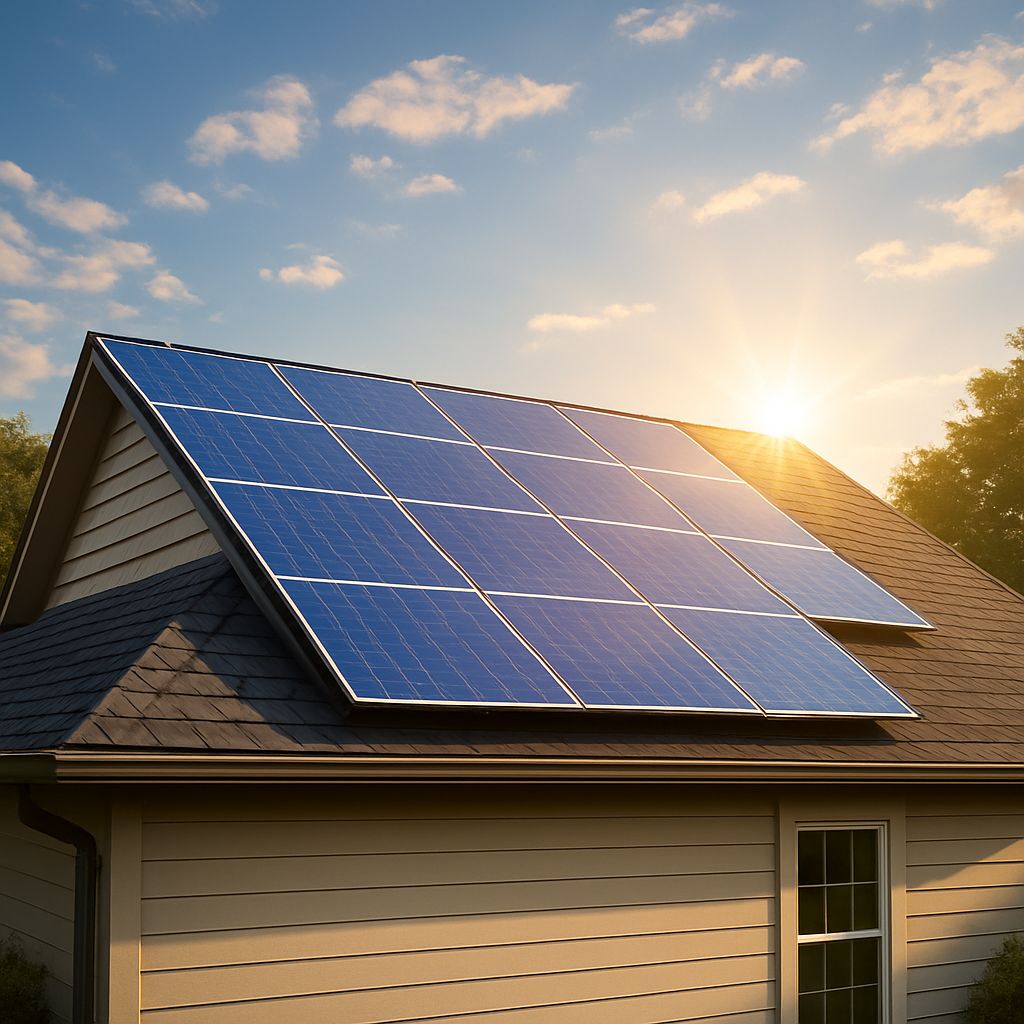
Rooftops are the most common installation location.
Commercial Buildings
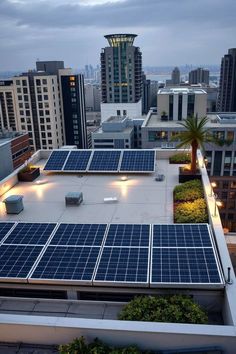
Businesses use solar systems to reduce operational costs.
Agricultural Applications
Farmers use solar arrays for:
- Water pumps
- Irrigation systems
- Farm equipment
Utility-Scale Solar Farms
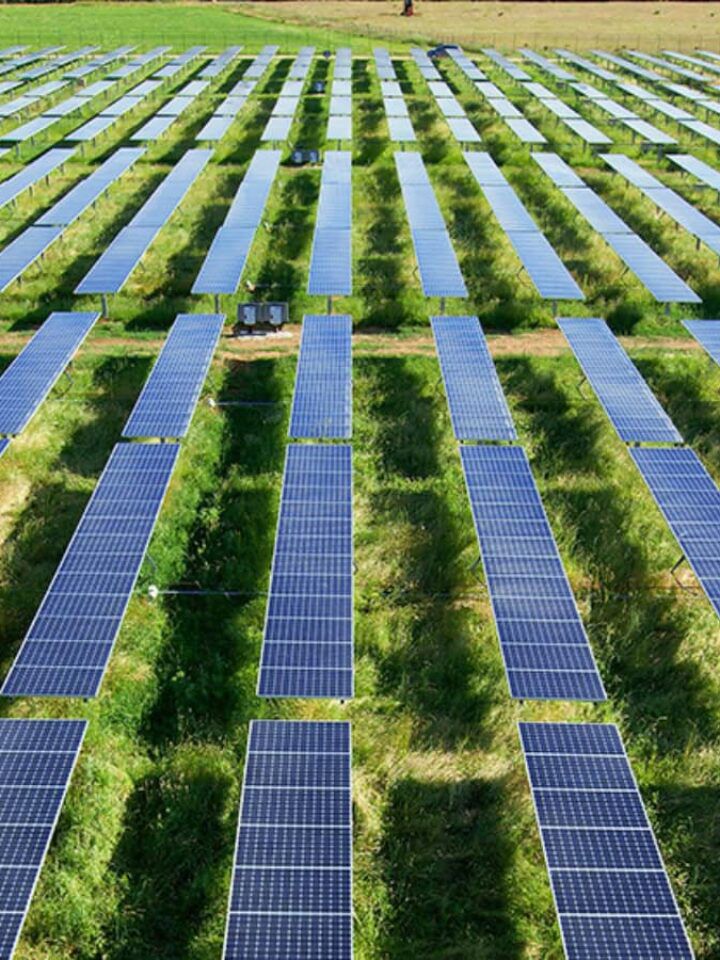
Large solar farms generate electricity for cities and utility companies.
Common Problems With Solar Arrays
Although solar systems are reliable, they can face some issues.
Dust and Dirt Accumulation
Dirty panels reduce energy production and require periodic cleaning.
Shading Problems
Trees, nearby buildings, and obstacles can block sunlight.
Inverter Issues
Inverters may require maintenance or replacement over time.
Extreme Weather
Heavy storms, hail, and high temperatures can affect system performance.
Regular inspections help maintain maximum efficiency.
Solar Array Maintenance Tips
Solar systems require relatively low maintenance, but proper care improves performance.
Clean Panels Regularly
Dust and debris should be removed periodically.
Monitor Energy Production
Use smart monitoring apps to track efficiency.
Schedule Professional Inspections
Annual inspections help identify issues early.
Maintain Batteries Properly
Battery systems should be checked regularly for optimal performance.
Cost of Installing a Solar Array in 2026
The cost of a solar array depends on:
- System size
- Panel quality
- Battery storage
- Installation complexity
Residential Solar System Costs
In Pakistan, residential solar systems can range from moderate to high investment depending on capacity and equipment quality.
Commercial Solar Costs
Commercial systems require larger investments but deliver higher long-term savings.
Return on Investment
Most solar systems recover their installation costs within several years through electricity savings.
Future of Solar Arrays
Solar technology continues improving rapidly.
AI-Based Energy Optimization
Modern systems now use AI to optimize electricity generation and consumption.
Bifacial Solar Panels
Bifacial panels capture sunlight from both sides, improving efficiency.
Better Battery Storage
Advanced lithium batteries now provide longer backup times and improved lifespan.
Smart Home Integration
Solar systems increasingly integrate with:
- Electric vehicle charging
- Smart appliances
- Automated energy management
The future of solar electric arrays looks highly promising as renewable energy adoption continues growing worldwide.
Are Solar Arrays Worth It?
For most homeowners and businesses, solar arrays are a smart long-term investment.
They provide:
- Lower electricity bills
- Energy independence
- Cleaner energy production
- Long-term financial savings
- Increased property value
With rising electricity prices and improved solar technology, installing a solar panel array has become more practical and affordable than ever before.
Conclusion
A solar array is a connected system of multiple solar panels designed to generate electricity from sunlight. These systems are becoming increasingly important as homeowners and businesses search for reliable, cost-effective, and environmentally friendly energy solutions. In simple terms, what is a solar array can be understood as a complete setup of solar panels working together to produce usable electricity for homes, businesses, and other applications.
Whether installed on rooftops, farms, or commercial buildings, solar arrays help reduce electricity bills, improve energy independence, and support a cleaner future. Modern technologies such as AI-based monitoring, hybrid inverters, and advanced batteries have also made solar systems more efficient and easier to manage. Professional solar installation companies provide services such as system design, solar panel installation, maintenance, inspections, and energy monitoring to ensure maximum performance and long-term reliability.