Electricity costs are rising, and more people are becoming conscious of how much energy their home appliances consume. One common question many homeowners, students, and solar users ask is: How many watts does a small refrigerator use
Whether you’re running a mini fridge in your bedroom, office, or planning a solar setup, understanding its power consumption is essential. It helps you estimate electricity bills, choose the right inverter or battery, and make energy-efficient decisions.
In simple terms, a small refrigerator typically uses 50 to 100 watts while running and may require 100 to 200 watts during startup. However, actual usage depends on several factors like size, efficiency, and usage habits.
In this guide, we’ll break everything down clearly and practically so you can understand exactly how much power your refrigerator uses—and how to reduce it.
Quick Answer: Small Refrigerator Wattage
If you’re looking for a quick answer:
- Running watts: 50–100 watts
- Starting watts: 100–200 watts
- Daily consumption: 1–2 kWh
- Monthly consumption: 30–60 kWh
This makes small refrigerators one of the most energy-efficient cooling appliances available today.
What Is Refrigerator Wattage and Why Does It Matter
Understanding Watts in Simple Terms
Wattage is simply the amount of electricity an appliance uses to operate. It tells you how much power your refrigerator consumes at any given time.
A basic formula is:
Watts = Volts × Amps
You don’t need to calculate this manually, as most refrigerators already list their wattage on a label.
Why Wattage Is Important
Knowing how many watts your refrigerator uses helps you:
- Estimate your monthly electricity bill
- Plan solar panel and battery systems
- Avoid overloading generators or UPS systems
For example, if you’re building a solar setup, even a small miscalculation can lead to poor performance or system failure.
How Many Watts Does a Small Refrigerator Use?
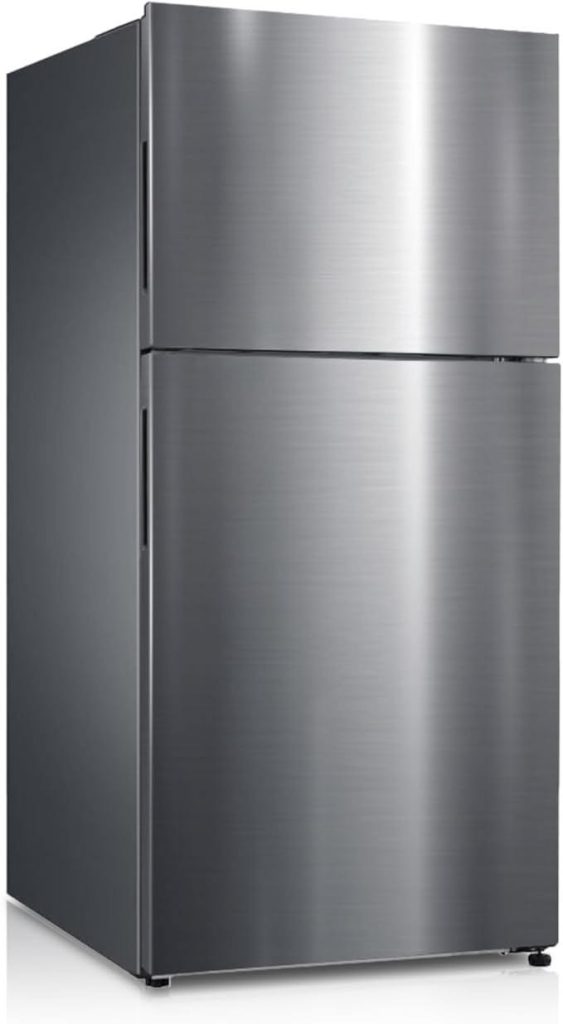
Average Wattage by Size
Small refrigerators come in different sizes, and their power usage varies slightly:
- Mini fridge (1.7–4.5 cubic feet): 50–100 watts
- Compact refrigerator: 100–250 watts
So if you’re asking how many watts a small refrigerator uses, the safest average is around 75 watts while running.
Startup vs Running Power
Refrigerators don’t run continuously at full power. Instead, they cycle on and off.
- Startup watts (surge power): When the compressor starts, it needs extra energy
- Running watts: Once running, power usage drops significantly
This is why your inverter or generator should always handle higher startup loads.
Real-Life Example
Let’s say your fridge uses 80 watts and runs about 12 hours a day:
- 80 × 12 = 960 watt-hours
- = 0.96 kWh per day
This equals roughly 30 kWh per month, depending on usage.
How Many Watts Does a Refrigerator Use? (All Types Compared)
Many people also search for:
- How many watts does a refrigerator use
- How many watts does a refrigerator use
- How many watts does a typical refrigerator use
- How many watts does a normal refrigerator use
Here’s a simple comparison:
| Refrigerator Type | Wattage | Daily Usage |
|---|---|---|
| Small fridge | 50–100W | 1–2 kWh |
| Standard fridge | 150–400W | 3–5 kWh |
| Large fridge | 300–800W | 6–8 kWh |
For solar system planning, reports from the National Renewable Energy Laboratory (NREL)solar research provide reliable data on appliance energy requirements and system sizing.
Refrigerator-Freezer Power Usage
If you’re wondering how many watts a refrigerator-freezer uses, the answer is slightly higher because it runs two cooling systems.
- Average: 200–500 watts
- Depends on size and features like frost-free technology
Factors That Affect Refrigerator Power Consumption
1. Size and Capacity
Larger refrigerators naturally use more electricity because they need more power to cool a bigger space.
2. Energy Efficiency Rating
Modern refrigerators with high efficiency ratings consume significantly less power.
Choosing an energy-efficient model can reduce electricity usage by up to 40%.
3. Usage Habits
Your daily habits play a big role:
- Frequent door opening increases power consumption
- Keeping the fridge overfilled reduces airflow
- Setting very low temperatures increases the load
4. Environment and Placement
Where you place your refrigerator matters:
- Hot environments force the compressor to work harder
- Poor ventilation increases energy usage
- Direct sunlight can reduce efficiency
How to Calculate Refrigerator Energy Consumption
Simple Formula
You can estimate energy usage with this formula:
Daily kWh = (Watts × Hours Used) ÷ 1000
Example
- Refrigerator wattage: 100W
- Daily usage: 10 hours
100 × 10 ÷ 1000 = 1 kWh per day
Monthly Cost Estimate
If electricity costs:
- 1 unit (kWh) = Rs. 50 (example)
Then:
- 1 kWh/day = Rs. 50/day
- Monthly cost ≈ Rs. 1500
This helps you plan your expenses more accurately.
Small Refrigerator Power Usage for Solar Systems
Can a Small Fridge Run on Solar?
Yes, small refrigerators are ideal for solar systems because of their low power consumption. If you’re unsure which solar setup is best for your home, it’s better to choose a certified solar installer for proper guidance and the right system design.
Solar Panel Requirements
To run a small fridge:
- Solar panels: 300–500 watts total capacity
- Battery: 100–150Ah
- Inverter: 500–1000 watts
Best Setup Tips
- Use an energy-efficient fridge
- Ensure proper battery backup
- Avoid opening the fridge frequently
This setup works well for homes in areas with power outages. If you’re planning to run a refrigerator on solar power, it’s important to choose the right system size and components. Many homeowners prefer professional solar panel installation services to ensure their setup runs efficiently and avoids power issues.
Tips to Reduce Refrigerator Electricity Usage
Smart Placement
- Keep the fridge away from heat sources
- Ensure proper airflow around it
Temperature Optimization
- Recommended: 3–5°C for fridge, -18°C for freezer
Maintenance Tips
- Clean coils regularly
- Check door seals for leaks
- Defrost if needed
Upgrade to Efficient Models
Modern inverter refrigerators consume much less energy compared to older models.
Common Myths About Refrigerator Energy Use
Myth 1: Fridges Run All the Time
False. Refrigerators cycle on and off, which reduces actual energy consumption.
Myth 2: Small Fridges Use No Electricity
Even small fridges consume power, just less than larger models.
Myth 3: Turning Off Saves Energy Always
Turning off frequently can sometimes increase energy use due to repeated startups.
Expert Insights and Real-World Data
Based on industry averages and appliance data:
- Small refrigerators are among the lowest energy-consuming appliances
- Energy-efficient models significantly reduce long-term costs
- Proper usage habits can cut consumption by up to 30%
Experts recommend always checking the energy label before buying a refrigerator.
Conclusion
Understanding how many watts a small refrigerator uses is more than just a technical detail—it’s a practical step toward smarter energy use and lower electricity bills.
On average, a small refrigerator consumes 50 to 100 watts while running and around 100 to 200 watts during startup. This makes it an excellent choice for energy-conscious users, especially those using solar systems, backup power solutions, or living in small spaces like apartments, dorms, or offices.
However, the real takeaway is that wattage alone doesn’t tell the full story. Your actual energy consumption depends on how you use the appliance. Factors like room temperature, how often you open the door, thermostat settings, and even how well the fridge is maintained can significantly impact electricity usage.
If you’re planning to run a refrigerator on solar power, it’s important to choose the right system size and components. Many homeowners prefer professional solar panel installers to ensure their setup runs efficiently and avoids power issues.
In simple terms, a small refrigerator is not just convenient—it’s also one of the most cost-effective and energy-efficient appliances you can own. By understanding its power usage and optimising how you use it, you can make better financial and environmental decisions.
FAQS
1. How many watts does a small refrigerator use per day?
A small refrigerator typically consumes 1 to 2 kilowatt-hours (kWh) per day. This depends on how often the compressor runs, which is influenced by factors like room temperature, door usage, and energy efficiency rating. For example, a 75-watt fridge running for 12–15 hours daily will fall within this range.
2. How many watts does a refrigerator use on startup?
Most small refrigerators require 100 to 200 watts during startup, which is about 2–3 times higher than their running wattage. This extra power is needed to start the compressor motor. That’s why it’s important to choose an inverter or generator that can handle surge power.
3. How many watts does a typical refrigerator use?
A typical household refrigerator uses between 150 and 400 watts while running. Larger models with double doors or advanced features like ice makers and frost-free technology may consume even more. Energy-efficient models, however, can significantly reduce this consumption.
4. Can a small fridge run on solar power?
Yes, a small refrigerator is one of the best appliances to run on solar power. Due to its low energy consumption, it can easily operate on a system with 300–500 watts of solar panels, a battery backup, and a 500–1000W inverter. It’s especially suitable for areas with frequent power outages.
5. What size inverter is needed for a small refrigerator?
You should use at least a 500-watt inverter, but ideally a 1000-watt inverter to safely handle startup surge power. This ensures smooth operation without overloading your system.
6. Does a small refrigerator use electricity all the time?
No, a refrigerator does not run continuously. It cycles on and off throughout the day. The compressor only runs when cooling is needed, which reduces overall power consumption. This is why actual daily usage is much lower than constant wattage calculations.
7. How many watts does a refrigerator freezer use?
A refrigerator with a freezer typically uses 200 to 500 watts, depending on its size and features. Since it maintains two cooling compartments, it requires more energy than a small or single-door fridge.