Electricity costs are rising, and power outages are becoming more common in many regions. At the same time, people are looking for cleaner and more reliable energy sources. This is where solar energy stands out as one of the most practical solutions available today, helping people better understand what solar energy can be used for in everyday life.
Solar energy comes from the sun and can be converted into electricity or heat using modern technology like solar panels. It is renewable, widely available, and environmentally friendly. But many people still ask an important question: what can solar energy be used for in real life?
The answer goes far beyond just powering lights. From running entire homes to supporting industries and even fueling future technologies, solar energy has a wide range of applications. In this guide, you will learn what solar power can be used for, how it works in daily life, and why it is becoming essential for the future.
What Is Solar Energy and How Does It Work?
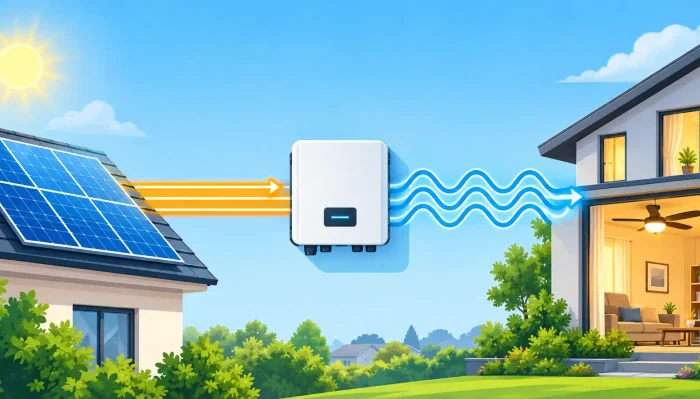
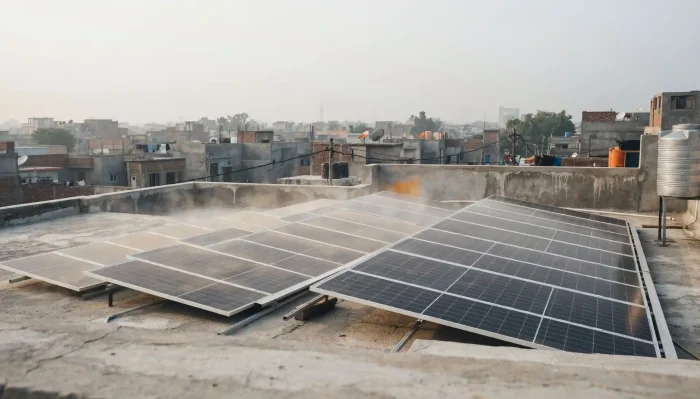
Solar energy is the energy we receive from sunlight. Solar panels capture this sunlight and convert it into electricity through a process called the photovoltaic effect.
Types of Solar Systems
- On-grid systems: Connected to the electricity grid
- Off-grid systems: Work independently with batteries
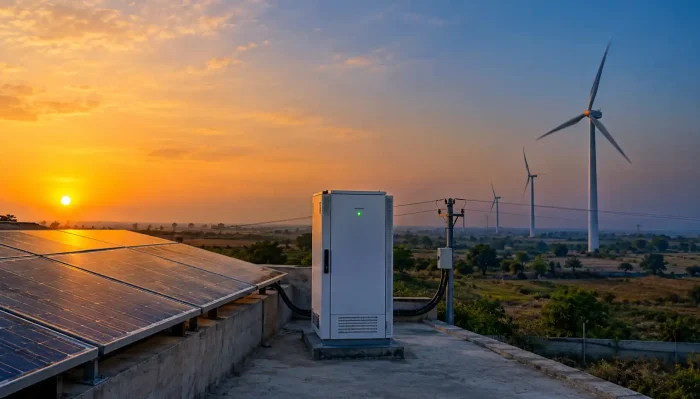
- Hybrid systems: Combine both grid and battery storage
Why Solar Energy Matters Today
Solar energy is important because it reduces reliance on fossil fuels, lowers electricity bills, and helps protect the environment. With increasing energy demands, it is becoming a reliable alternative worldwide. Learn more about how solar panels work to understand the complete energy conversion process.
What Can Solar Energy Be Used for in the Home?
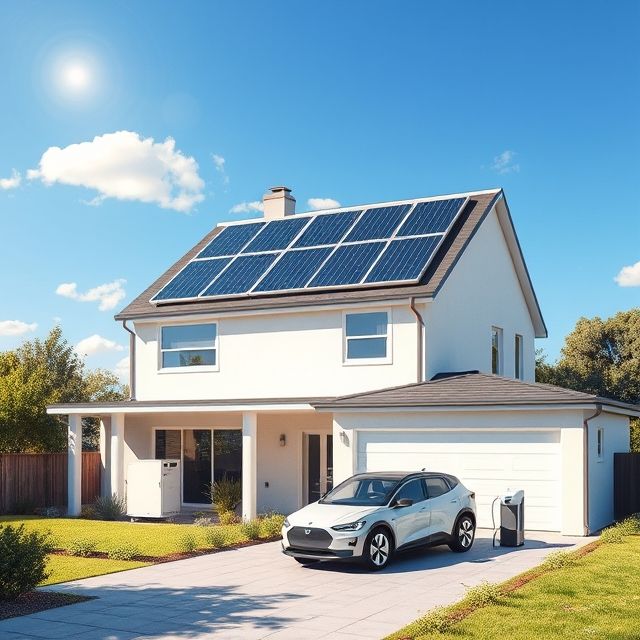
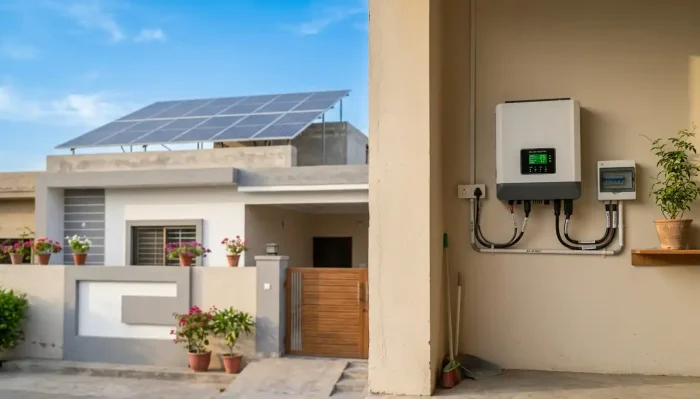
One of the most common questions is: what can solar energy be used for in the home? The answer is simple—almost everything that runs on electricity.
Electricity for Daily Use
Solar panels can power:
- Lights
- Fans
- Refrigerators
- TVs and electronics
A properly installed system can run an entire household.
Solar Water Heating
Solar water heaters are one of the most cost-effective uses of solar energy. They use sunlight to heat water, reducing the need for electricity or gas.
Solar Air Conditioning and Heating
Modern solar systems can support air conditioning, especially in hot climates. This is a growing trend as cooling costs increase.
Solar Cooking
Solar cookers use sunlight to prepare food. They are especially useful in rural or off-grid areas.
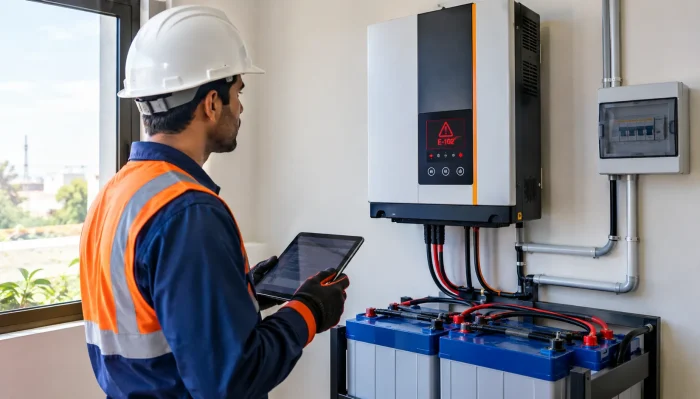
Backup Power with Batteries
Solar systems paired with batteries can store extra energy. This stored power can be used during outages, making homes more energy-independent, while also helping homeowners understand how solar panels increase home value over time.
What Can Solar Power Be Used For in Businesses?
Businesses are increasingly adopting solar energy to reduce costs and improve sustainability.
Commercial Electricity Supply
Solar systems can power offices, shopping malls, and warehouses, significantly reducing electricity expenses.
Lower Operational Costs
Once installed, solar systems provide long-term savings by reducing monthly utility bills.
Solar in Agriculture
Farmers use solar energy for:
- Water pumps
- Irrigation systems
- Lighting in farms
Solar Street Lighting
Solar-powered streetlights are widely used in both urban and rural areas. They are cost-effective and easy to maintain.
Industrial Uses of Solar Energy
Industries require large amounts of energy, and solar power is now playing a key role.
Manufacturing Processes
Solar thermal systems can generate heat for industrial operations, reducing fuel costs.
Solar Desalination
Solar energy is used to convert seawater into drinking water, helping solve water shortages in some regions.
Large-Scale Power Plants
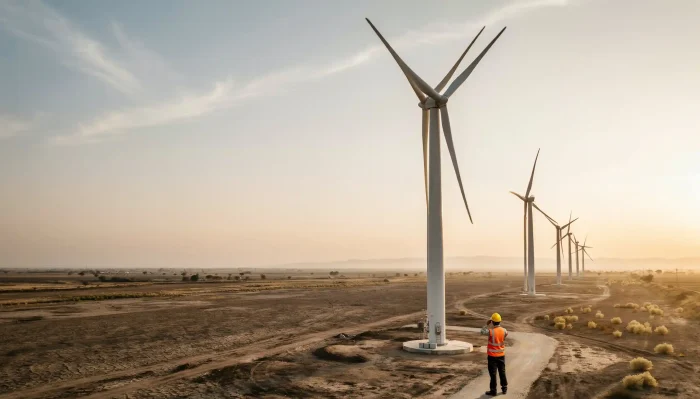
Solar farms generate electricity on a large scale and supply it to national grids. Research from the International Renewable Energy Agency shows that solar power is becoming more affordable and accessible globally.
What Can Solar Energy Resources Be Used For in Transportation?
Solar energy is also entering the transportation sector, although it is still developing.
Solar-Powered Vehicles
Some cars and buses use solar panels to assist with charging. While still emerging, this technology shows great promise.
Charging Electric Vehicles (EVs)
Solar-powered EV charging stations are becoming more common, offering clean energy for transportation.
Solar in Aviation and Marine
Experimental projects are exploring solar-powered airplanes and boats, opening new possibilities for clean travel.
Everyday Solar Applications You Might Not Know
Solar energy is already part of daily life in ways many people don’t notice.
Solar Lighting
- Garden lights
- Street lights
- Security lighting
Solar Chargers
Portable solar chargers can power mobile phones and small devices, especially during travel.
Solar Gadgets
Common items include:
- Solar watches
- Solar fans
- Solar security cameras
Future Uses of Solar Energy
Solar technology continues to evolve, creating new opportunities.
Smart Cities Powered by Solar
Future cities will use solar energy combined with smart systems to manage electricity efficiently.
Space-Based Solar Power
Scientists are exploring ways to collect solar energy in space and transmit it to Earth.
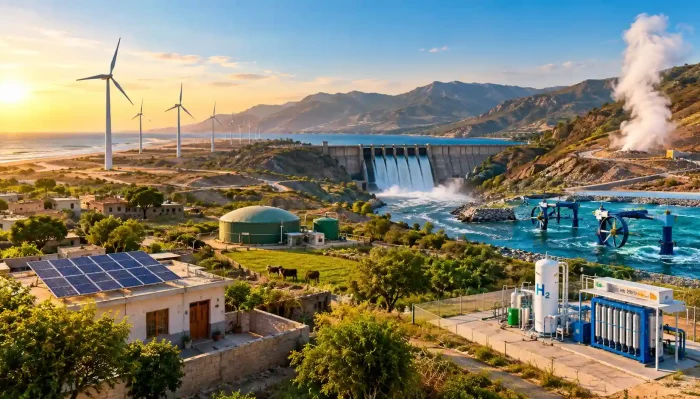
Solar Hydrogen Production
Solar energy can be used to produce hydrogen fuel, which may become a major clean energy source.
AI and Solar Optimization
Artificial intelligence is being used to improve solar system performance by optimizing energy usage and storage. The International Energy Agency highlights that solar energy plays a key role in reducing global carbon emissions.
Benefits of Using Solar Energy
Environmental Benefits
Solar energy reduces carbon emissions and helps combat climate change.
Financial Benefits
It lowers electricity bills and offers long-term savings.
Energy Independence
Users rely less on the grid and are protected from rising energy costs.
Government Incentives
Many countries offer incentives such as tax benefits or net metering to encourage solar adoption.
Professional Installation Advantage
To maximize these benefits, it is important to hire professional solar installer companies that ensure proper system design, safe solar installation, and optimal performance for long-term efficiency.
Limitations of Solar Energy
High Initial Cost
Installing solar panels requires upfront investment.
Weather Dependency
Solar panels perform best in sunlight and are less efficient during cloudy days.
Space Requirements
Adequate roof or land space is needed for installation.
Conclusion
Solar energy is no longer just an alternative—it is becoming a necessity. From powering homes and businesses to supporting advanced technologies, its applications are expanding rapidly. Understanding what solar energy can be used for helps individuals and organizations make smarter energy decisions.
As technology continues to improve, solar energy will play an even bigger role in shaping a sustainable and cost-effective future. Investing in solar today is not just about saving money—it is also about understanding what solar energy can be used for in the home, while securing long-term energy independence and contributing to a cleaner world.
However, to fully benefit from solar systems, it is important to invest wisely and hire professional solar installer companies. Proper installation ensures maximum efficiency, safety, and long-term performance of your system.
Looking ahead, solar energy will play a major role in shaping a greener and more energy-independent future. As more people explore what solar power can be used for, adoption will continue to grow across homes, businesses, and advanced technologies, making solar a smart step toward sustainability, reliability, and financial savings.
FAQs
What can solar energy be used for?
Solar energy can be used for generating electricity, heating water, powering appliances, lighting homes, running businesses, and supporting industrial operations. It is a versatile energy source suitable for both small and large-scale use.
What can solar power be used for in daily life?
In daily life, solar power energy is used to run household appliances, charge mobile devices, provide lighting, heat water, and power outdoor systems like garden lights and security cameras.
What can solar energy be used for in the home?
Solar energy can be used in the home to power lights, fans, air conditioners, refrigerators, and water heaters. It can also provide backup electricity when combined with battery storage systems.
What can solar energy resources be used for in industries?
Industries use solar energy for manufacturing processes, heating systems, powering machinery, and generating large-scale electricity through solar power plants.
Is solar energy enough to run a house?
Yes, solar energy can run a house completely if the system is properly sized and includes battery storage. It can power all essential appliances and provide backup during power outages.