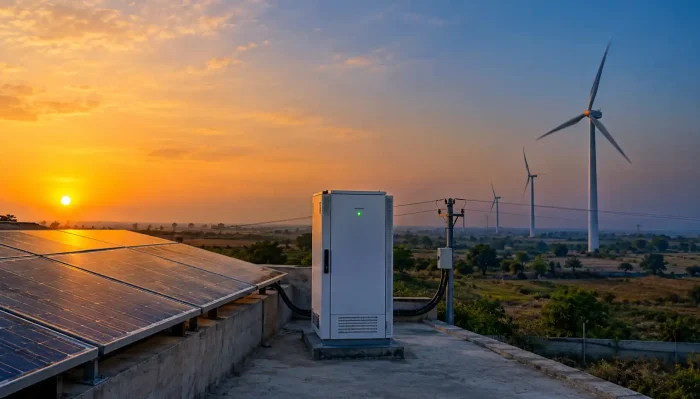
Choosing the right solar solution is no longer just about saving on electricity bills; it’s about investing in reliable, future-proof energy. Understanding Which Type of Solar Panel Is Best helps homeowners and businesses select systems that perform efficiently, last longer, and deliver consistent returns in real-world conditions.
Powered by proven expertise and real-world experience, Progressive Ventures helps homeowners and businesses make smart solar decisions with confidence. Our approach focuses on long-term reliability, optimal performance, and maximum return on investment, ensuring your solar solution delivers consistent value for years to come.
Understanding Modern Solar Panel Technologies
Solar panels convert sunlight into usable electricity using photovoltaic cells. Over time, advancements in materials and manufacturing have led to several panel categories, each designed for different needs, environments, and budgets.
Today’s buyers must look beyond price alone. Durability, efficiency, temperature tolerance, and quality solar installation play major roles in long-term performance. Companies like Progressive Ventures emphasize system design just as much as panel selection, ensuring energy systems work efficiently for decades.
Types of Solar Panels Comparison for Home and Commercial Use
When exploring a types of solar panels comparison, it’s important to understand how panels differ in structure, efficiency, and performance. Each category is designed to meet specific residential and commercial energy needs, space availability, and budget considerations.
Main categories include:
- Crystalline silicon panels
- Thin-film solar modules
- Emerging and hybrid technologies
Each category serves a specific purpose. Residential rooftops often favor high-efficiency panels, while large commercial or agricultural setups may prioritize cost and scalability.
Monocrystalline Solar Panels: High Performance Explained
Monocrystalline panels are made from single-crystal silicon, giving them a uniform dark appearance and superior efficiency. These panels perform exceptionally well in limited space, making them ideal for urban homes and small rooftops.
They also maintain performance in high temperatures and low-light conditions. For clients seeking premium solar installation solutions, Progressive Ventures often recommends this option for its longevity and power output.
Monocrystalline vs Polycrystalline Panels: Key Differences
The debate around monocrystalline vs polycrystalline panels centers on efficiency, appearance, and cost. Polycrystalline panels use multiple silicon fragments, making them less expensive but slightly less efficient.
Key distinctions include:
- Higher efficiency in monocrystalline panels
- Lower manufacturing cost for polycrystalline
- Space efficiency differences
Understanding this comparison helps property owners balance budget constraints with energy goals without sacrificing reliability.
Polycrystalline Panels in Today’s Energy Market
While polycrystalline panels are less common in premium installations today, they still serve budget-focused projects. These panels work well in locations with ample roof space and consistent sunlight exposure.
They remain a practical option for large-scale installations where cost per watt is more important than maximum efficiency. However, long-term output and aesthetics are often secondary considerations.
Thin-Film Solar Panels and Flexible Applications
Thin-film panels are lightweight, flexible, and adaptable. They are created by layering photovoltaic material onto glass, plastic, or metal surfaces.
Advantages include:
- Flexibility for irregular surfaces
- Better performance in high temperatures
- Lower upfront cost
These panels are commonly used in industrial projects, mobile structures, and large solar farms rather than compact residential rooftops.
Emerging Innovations in Best Solar Panel Technology
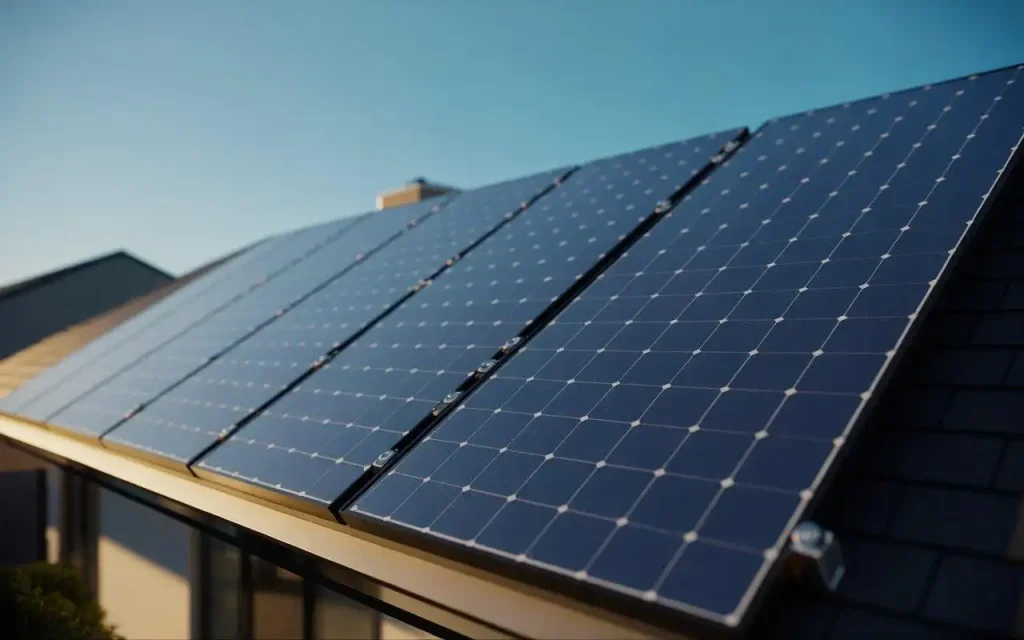
Advances in best solar panel technology are reshaping the renewable energy landscape. New materials aim to improve efficiency, reduce degradation, and lower manufacturing costs.
Innovative developments include:
- Perovskite-based cells
- Bifacial solar modules
- Hybrid energy systems
Although many of these technologies are still evolving, they signal a promising future for renewable power across solar, wind, and hydropower energy systems.
What Makes the Most Efficient Solar Panels Stand Out?
Efficiency determines how much sunlight a panel converts into electricity. The most efficient solar panels typically use advanced cell structures and premium materials to maximize output per square meter.
Efficiency matters most when:
- Roof space is limited
- Energy demand is high
- Long-term savings are a priority
Higher efficiency often means fewer panels, reduced wiring, and lower installation complexity.
Installation Quality and System Design Matter
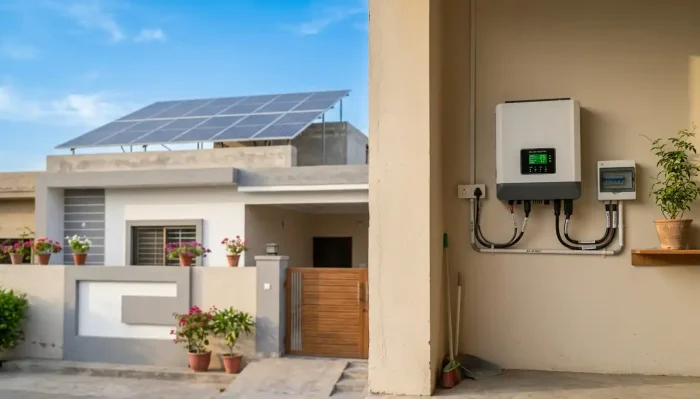
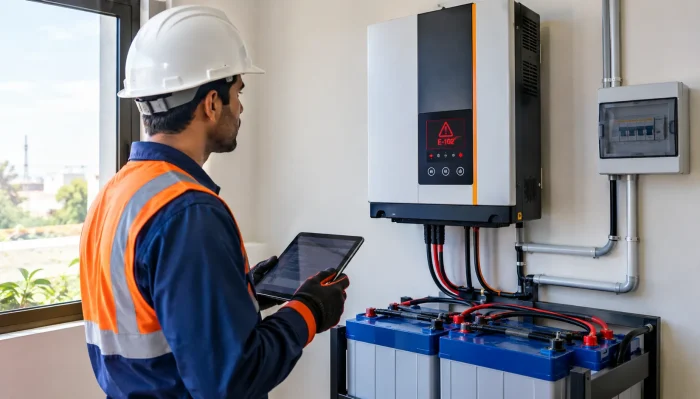
Even the best panels underperform without proper installation. Professional system design ensures optimal tilt, orientation, and electrical integration.
A well-engineered solar installation includes:
- Accurate load assessment
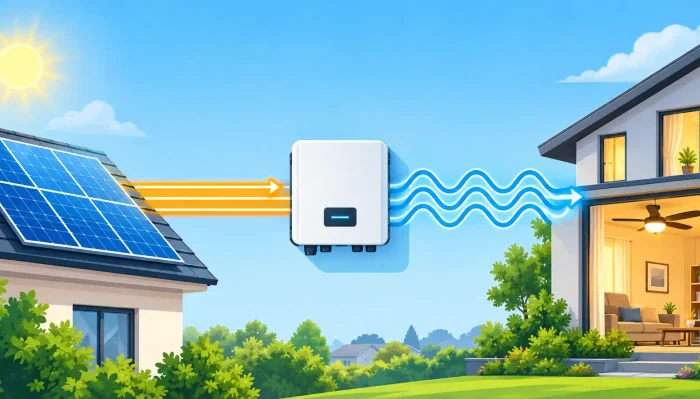
- High-quality inverters
- Proper mounting structures
This is where experienced providers like Progressive Ventures add value by integrating solar, wind energy, and hydropower energy into customized hybrid solutions.
Environmental Conditions and Panel Selection
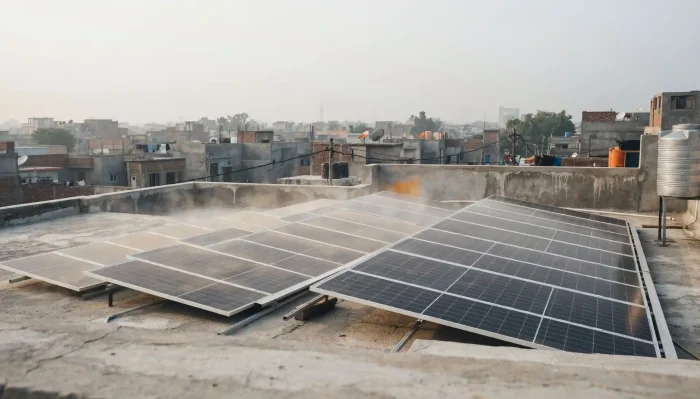
Climate significantly impacts solar panel performance, with factors like high temperatures, dust, shading, and humidity influencing overall energy output and efficiency.
Considerations include:
- Heat tolerance for warm regions
- Anti-reflective coatings for dusty environments
- Structural durability for wind-exposed areas
Matching panel technology to local conditions ensures consistent energy production year-round.
Cost, Lifespan, and Return on Investment
Solar panels are long-term assets. Most quality panels last 25 years or more, making upfront investment only one part of the equation.
ROI depends on:
- Panel efficiency
- System size
- Energy consumption patterns
- Maintenance quality
High-quality installations often pay for themselves faster due to stable performance and minimal degradation.
Is There a Single Best Choice for Everyone?
No single panel type suits every situation. The right choice depends on energy goals, space availability, budget, and future expansion plans. For homeowners asking which type of solar panel is best, the answer lies in balancing performance, durability, and expert installation rather than chasing trends alone.
Final Thoughts
Choosing the right solar solution is a long-term investment in sustainable and cost-efficient power. Understanding Which Type of Solar Panel Is Best helps homeowners and businesses evaluate efficiency, durability, and performance, ensuring the system meets both current energy needs and future goals. Informed decisions lead to better returns, higher reliability, and long-term energy savings.
Whether you’re planning a solar installation, exploring wind energy, or integrating hydal energy solutions, expert guidance makes a real difference. If you’re ready to move forward, contact us to design a customized renewable energy solution tailored to your requirements and long-term objectives.
FAQs
Which type of solar panel is best for home use?
Monocrystalline panels are widely preferred for homes due to high efficiency, limited space requirements, and long lifespan.
What is the most efficient solar panel available today?
High-grade monocrystalline panels currently offer the highest efficiency for residential and commercial applications.
Are thin-film solar panels worth considering?
They are suitable for large areas or flexible surfaces, but usually produce less power per square meter than crystalline panels.
How long do solar panels typically last?
Most quality panels last 25–30 years, with gradual efficiency reduction over time.
Can solar panels work during cloudy weather?
Yes, panels still generate electricity in diffused sunlight, though output is lower than in direct sunlight.
Is professional installation really necessary?
Absolutely. Proper installation ensures safety, efficiency, and maximum return on investment over the system’s lifetime.