Solar panels are a long-term investment that can provide clean electricity for more than two decades. However, the performance and lifespan of a solar system depend heavily on the quality of the panels you choose. Buying low-quality panels may reduce your energy production, increase maintenance costs, and affect your overall savings.
Many buyers only compare prices when purchasing solar panels, but factors such as efficiency, manufacturing standards, warranty, certifications, and durability are equally important.
If you want to know how to check the quality of solar panels, you should evaluate the manufacturer, technical specifications, certifications, physical condition, and real-world performance before making a decision.
A high-quality solar panel should provide reliable electricity generation, withstand harsh weather conditions, and maintain good performance for many years.
Why Solar Panel Quality Matters
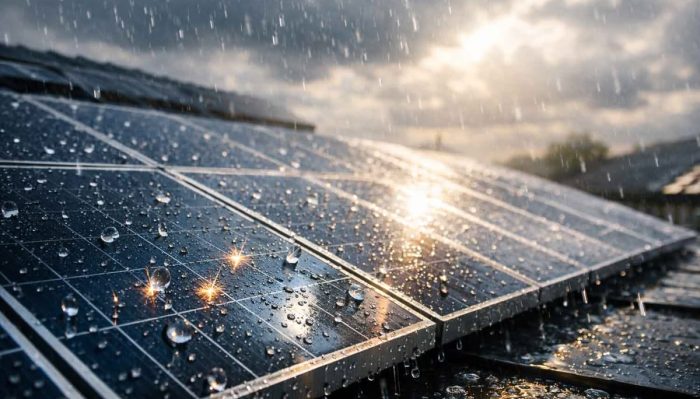
Solar panels are exposed to sunlight, heat, dust, humidity, and changing weather conditions throughout their lifetime. A poor-quality panel may experience faster power degradation, reduced efficiency, and shorter operational life.
Choosing good-quality solar panels helps you:
- Generate more electricity from the same installation area
- Reduce long-term maintenance costs
- Achieve better return on investment
- Maintain stable energy production for 25 years or more
- Improve the reliability of your solar system
For Pakistan’s climate, where high temperatures and dust are common, selecting durable solar panels with proper certifications is especially important.
What Makes a Solar Panel High Quality?
A high-quality solar panel is not determined only by its watt rating. Several technical and manufacturing factors define overall performance.
1. Check the Solar Panel Manufacturer Reputation
The first step in checking solar panel quality is researching the manufacturer.
Reliable manufacturers usually have:
- Years of experience in solar technology
- Strong quality control processes
- International certifications
- Positive customer feedback
- Long-term product warranties
Established manufacturers invest more in research, testing, and advanced production techniques, which improves panel reliability.
Before purchasing, always verify that the supplier is authorized and provides genuine products.
2. Check Solar Panel Efficiency Rating
Solar panel efficiency shows how effectively a panel converts sunlight into electricity.
For example, a panel with higher efficiency can produce more electricity using the same roof space compared to a lower-efficiency panel.
Modern solar panels generally have these efficiency ranges:
| Solar Panel Type | Average Efficiency |
|---|---|
| Monocrystalline Solar Panels | 18%–23% |
| Polycrystalline Solar Panels | 15%–18% |
| Thin-Film Solar Panels | 10%–13% |
Most premium residential solar systems use monocrystalline panels because they provide higher efficiency and better performance.
If you want to understand how to check solar panel efficiency, review the manufacturer’s efficiency rating mentioned on the product datasheet.
3. Review Solar Panel Technical Specifications
Before buying solar panels, carefully check the product specifications.
Important specifications include:
Power Output Rating (Watt)
The watt rating shows the maximum electricity a solar panel can produce under standard testing conditions.
Higher wattage panels can generate more electricity, but quality should always be considered along with watt capacity.
Temperature Coefficient
Solar panels lose efficiency when temperatures increase.
A lower temperature coefficient means the panel performs better in hot weather.
This factor is important in countries like Pakistan where summer temperatures can become very high.
Degradation Rate
Solar panels naturally lose some efficiency over time.
High-quality panels usually have a lower degradation rate, allowing them to maintain better performance after many years.
Solar Panel Quality Standards and Certifications
Certifications help verify that solar panels have passed important safety and performance tests.
When performing a solar panel quality check, look for recognized standards such as:
IEC 61215 Certification
This certification tests:
- Performance reliability
- Mechanical strength
- Temperature resistance
- Environmental durability
IEC 61730 Certification
This standard focuses on solar panel safety and protection against electrical hazards.
ISO Manufacturing Standards
ISO certifications indicate that the manufacturer follows proper quality management processes.
Checking these certifications helps ensure you are purchasing reliable solar equipment.
How to Check Solar Panel Quality Through Physical Inspection
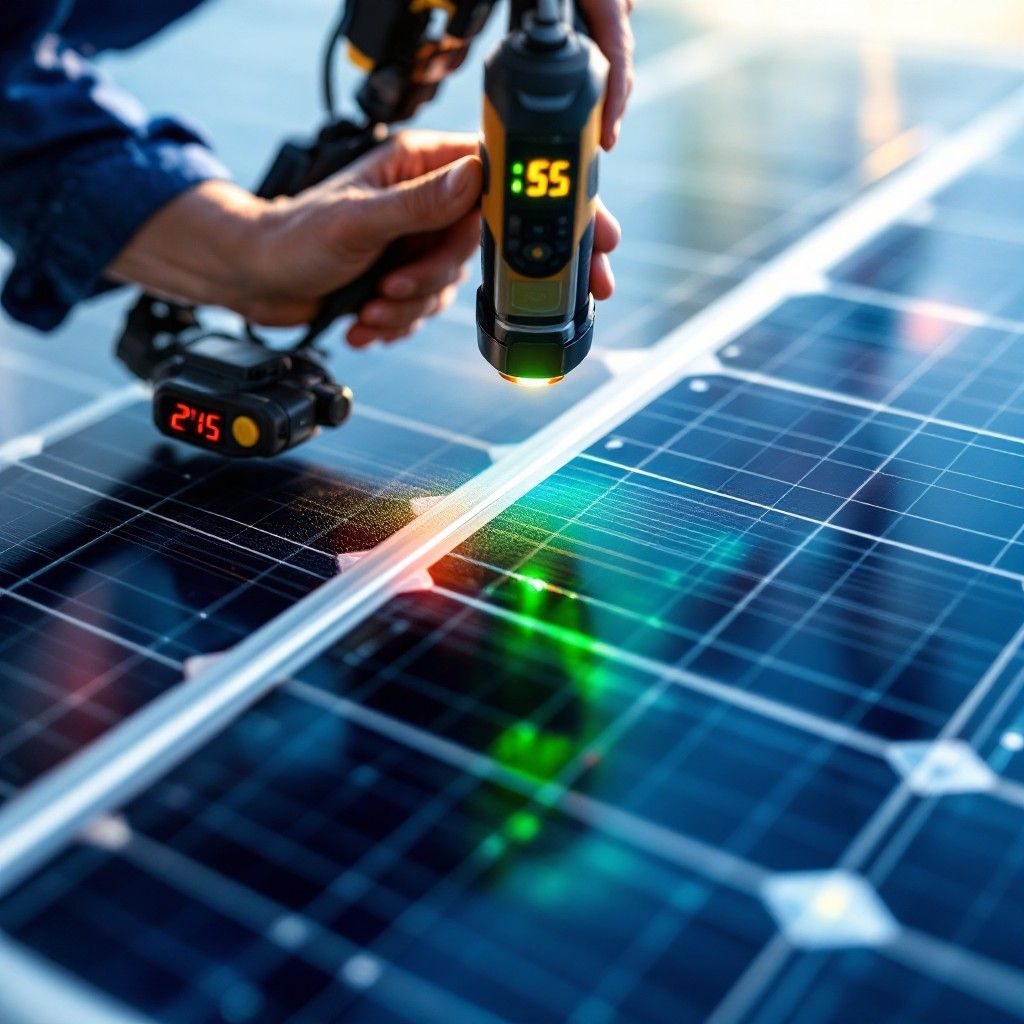
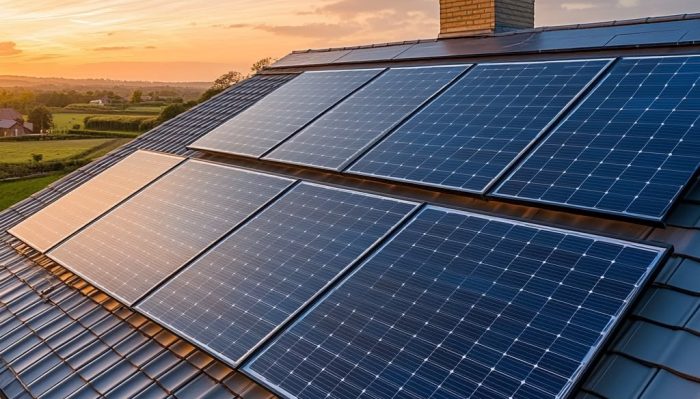
A physical inspection can reveal many signs of panel quality.
Check Solar Glass Quality
High-quality solar panels usually have:
- Strong tempered glass
- Scratch-resistant surfaces
- Anti-reflective coating
- Proper protection against weather conditions
Avoid panels with cracks, scratches, or visible damage.
Inspect Solar Cells
Solar cells should have:
- Uniform appearance
- Proper alignment
- No visible cracks
- Consistent color
Damaged or poorly manufactured cells can reduce electricity production.
Examine the Aluminum Frame
The frame protects the panel structure.
A quality frame should be:
- Strong and corrosion-resistant
- Properly sealed
- Able to withstand wind pressure
This is especially important for outdoor installations.
Check Junction Box and Cables
The junction box and cables should be durable and weather-resistant.
Look for:
- Waterproof junction box
- High-quality connectors
- Strong solar cables
Poor-quality components can create safety problems and reduce system performance.
Solar Panel Health Check: Testing Performance Before Installation
A professional solar panel health check helps confirm whether a panel is working according to manufacturer specifications.
Electrical Output Testing
Solar technicians measure:
- Open Circuit Voltage (Voc)
- Short Circuit Current (Isc)
- Maximum Power Voltage (Vmp)
- Maximum Power Current (Imp)
These values are compared with the manufacturer’s datasheet.
Solar Panel Performance Testing Methods
Different tools are used for accurate testing.
Digital Multimeter Testing
A multimeter can measure:
- Voltage output
- Current flow
- Electrical performance
Solar Power Meter Testing
A solar power meter measures sunlight intensity and helps compare expected output with actual production.
Solar irradiance measurements are important because solar panel output depends on the amount of sunlight available at the testing location. International Electrotechnical Commission testing standards such as IEC 60904-3 define measurement principles used to evaluate the electrical performance of PV devices under reference solar irradiance conditions.
For detailed photovoltaic measurement standards, you can refer to the International Electrotechnical Commission (IEC) guidelines:
Thermal Imaging Inspection
Thermal cameras identify:
- Hot spots
- Damaged cells
- Electrical problems
Professional testing helps identify problems before installation.
Solar Panel Inspection Checklist Before Buying
Use this checklist before purchasing solar panels:
✓ Verify manufacturer reputation
✓ Check efficiency rating
✓ Review warranty details
✓ Confirm IEC certifications
✓ Inspect solar cells and glass quality
✓ Check degradation rate
✓ Compare technical specifications
✓ Verify product authenticity
✓ Buy from an authorized supplier
✓ Request performance information
This simple checklist can help you avoid poor-quality products.
How to Identify the Best Quality Solar Panels?
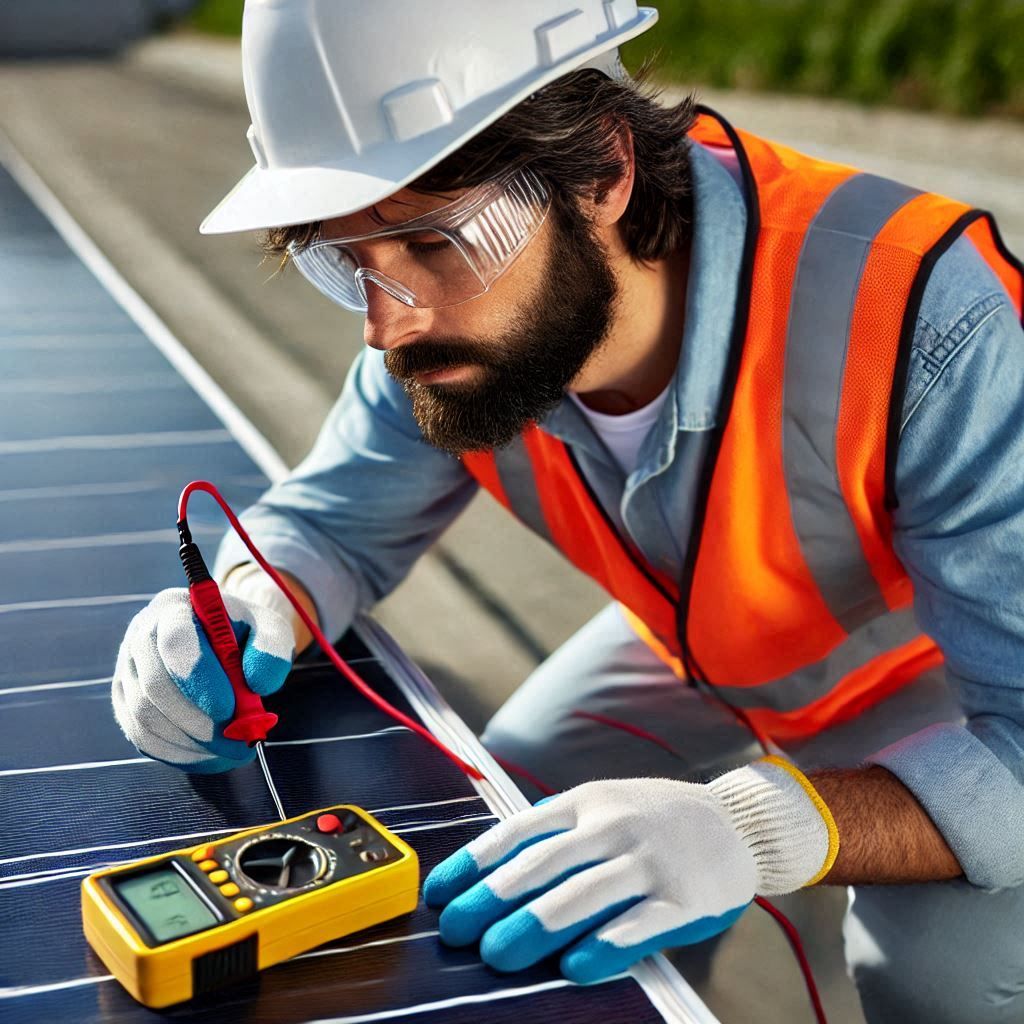
Choosing the best quality solar panels requires comparing several factors.
Choose Higher Efficiency Panels
Higher-efficiency panels:
- Produce more electricity
- Require less installation space
- Perform better for residential projects
Check Warranty Period
A reliable solar panel usually includes:
- Product warranty: 10–15 years
- Performance warranty: 25 years or more
Long warranties show that manufacturers are confident about product durability.
Consider Real-World Performance
A good solar panel should perform well in:
- High temperatures
- Dusty environments
- Partial shading conditions
- Different weather conditions
Common Mistakes When Buying Solar Panels
Choosing Only Based on Price
The cheapest option is not always the best choice.
Low-cost panels may have:
- Lower efficiency
- Faster degradation
- Poor durability
A slightly higher investment in quality panels can provide better savings over time.
Ignoring Warranty Details
Always check:
- Warranty duration
- Warranty conditions
- Manufacturer support
A strong warranty protects your investment.
Not Checking Specifications
Before purchasing, compare:
- Efficiency
- Watt output
- Certifications
- Temperature performance
- Degradation rate
Cheap vs High-Quality Solar Panels Comparison
| Feature | Low Quality Panels | High Quality Panels |
|---|---|---|
| Efficiency | Lower | Higher |
| Lifespan | Shorter | 25+ Years |
| Warranty | Limited | Longer Coverage |
| Heat Performance | Poor | Better |
| Power Loss | Higher | Lower Degradation |
| Reliability | Lower | Higher |
Why Professional Solar Inspection Is Important
Professional inspection ensures that your solar panels meet quality and performance expectations.
Experienced solar professionals can:
- Verify product authenticity
- Test panel performance
- Recommend suitable solar solutions
- Ensure proper installation
- Reduce future maintenance problems
At Progressive Ventures, we provide reliable solar solutions with quality solar panels, professional installation, and complete after-sales support across Pakistan.
Conclusion: Choose Quality Solar Panels for Long-Term Benefits
Understanding how to check the quality of solar panels helps you make a smarter investment decision. A quality solar panel is determined by more than just price or watt capacity.
Always evaluate:
- Manufacturer reputation
- Efficiency rating
- Certifications
- Warranty
- Physical quality
- Performance testing results
Choosing reliable solar panels ensures better electricity generation, improved durability, and greater savings throughout the system’s lifetime.
Frequently Asked Questions (FAQs)
1. How can I check the quality of solar panels?
You can check solar panel quality by reviewing the manufacturer reputation, efficiency rating, certifications, warranty, physical condition, and performance testing results.
2. How do I check solar panel efficiency?
Solar panel efficiency can be checked by reviewing the efficiency percentage mentioned on the manufacturer’s datasheet and testing actual output using professional equipment.
3. What are the important solar panel quality standards?
Important solar panel quality standards include IEC 61215 for performance testing and IEC 61730 for solar panel safety.
4. How can I identify a high-quality solar panel?
A high-quality solar panel usually has a trusted manufacturer, high efficiency, strong warranty, certified testing, and a low degradation rate.
5. How long do high-quality solar panels last?
Most high-quality solar panels can provide reliable electricity production for 25 years or more with proper installation and maintenance.
6. What should I check before buying solar panels?
Before buying solar panels, check efficiency, warranty, certifications, manufacturer reputation, degradation rate, and product authenticity.