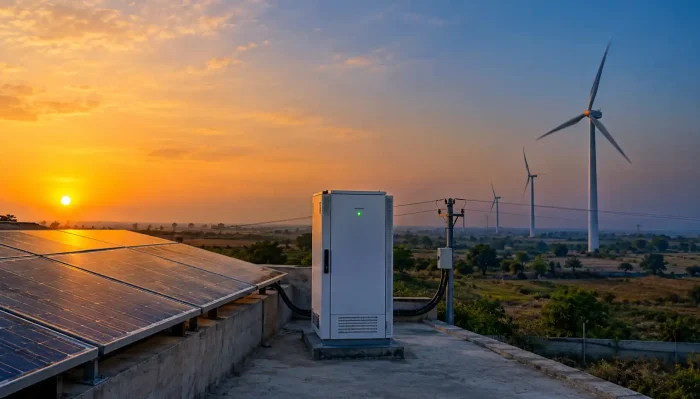
Understanding What are 5 advantages of solar energy? helps homeowners and businesses make smarter decisions about switching to renewable power. Solar energy has moved beyond being an alternative option and is now a mainstream energy solution due to its environmental, financial, and reliability benefits. With rising electricity costs and increasing awareness of climate change, solar energy has become more relevant than ever.
At Progressive Ventures, we work with residential and commercial clients to design efficient renewable energy systems. Along with solar installation, we also provide wind energy and hydropower energy solutions, ensuring long-term energy security. Solar energy stands out because it delivers consistent value while supporting sustainability goals.
Why Solar Energy Is Becoming Essential Today
Solar energy adoption is increasing worldwide because it addresses both economic and environmental challenges. Modern solar technology is more efficient, affordable, and accessible than ever before. Governments and utilities also encourage adoption through net metering and incentives. Energy independence is another key reason solar is essential today. Producing electricity on-site reduces dependence on unstable grids and rising tariffs. This reliability makes solar energy a future-ready solution.
Advantage 1: Renewable and Clean Energy Source
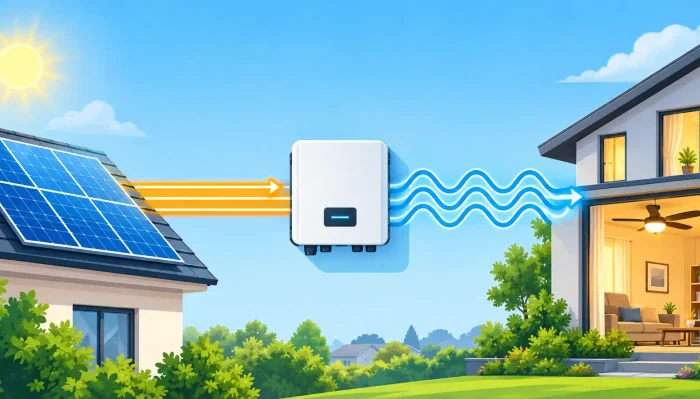
Solar energy is derived from sunlight, which is renewable and inexhaustible. Unlike fossil fuels, it does not deplete natural resources or contribute to long-term environmental damage. This makes solar a sustainable energy option for future generations. One of the strongest benefits of solar energy is its ability to reduce carbon emissions. Solar systems generate electricity without releasing harmful gases, improving air quality and environmental health.
Advantage 2: Reduced Electricity Bills and Long-Term Savings
Installing solar panels allows users to generate their own electricity, significantly lowering monthly utility bills. Once installed, sunlight is free, which stabilizes energy costs over time. This protection from rising electricity prices is a major advantage. Excess power can often be exported back to the grid, further increasing savings. These financial benefits highlight the long-term value of solar investments.
Advantage 3: Low Maintenance and Long System Lifespan
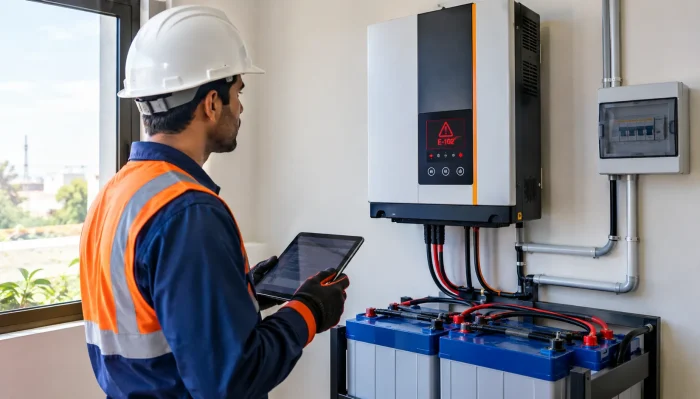
Solar energy systems require minimal maintenance due to their simple design and lack of moving parts. Most systems only need occasional cleaning and periodic inspections to maintain efficiency. This reduces ongoing operating costs . High-quality solar panels typically last 25 to 30 years. Their durability makes solar one of the most reliable renewable energy technologies available today.

Advantage 4: Energy Independence and Reliability
Solar energy allows homes and businesses to produce electricity independently. This reduces reliance on power grids that may experience outages or supply fluctuations. Energy independence provides greater control over electricity usage. This advantage explains why solar energy is important for regions facing power instability. When combined with storage or hybrid systems, solar offers consistent power availability.
Advantage 5: Increased Property Value and Market Appeal
Properties equipped with solar energy systems often have higher resale value. Buyers are attracted to homes with lower operating costs and sustainable energy solutions. Solar installations are seen as modern upgrades. This increased market appeal benefits homeowners and commercial property owners alike. Solar energy adds long-term value beyond monthly savings.
You May Also Read: Advantages of Hydroelectric Energy
Solar Energy Advantages and Disadvantages Overview
While solar offers many benefits, it is important to consider its limitations. Initial installation costs can be high, and energy production depends on sunlight availability. Not all rooftops are suitable for panel installation. However, when comparing solar energy advantages and disadvantages, the long-term environmental and financial benefits usually outweigh the challenges. Professional planning minimizes most drawbacks.
Comparison of Solar Energy Benefits
Solar energy generates zero emissions during operation, making it an environmentally friendly source of energy. It requires low maintenance, reduces long-term energy costs, and lasts 25–30 years. With proper installation, it offers high reliability and consistent performance.
| Feature | Solar Energy Impact |
| Environmental Impact | Zero emissions during operation |
| Maintenance | Low and affordable |
| Energy Cost | Reduced long-term bills |
| Lifespan | 25–30 years |
| Reliability | High with proper installation |
This comparison highlights why solar remains a strong energy choice.
How Solar Energy Supports Sustainability
Solar energy plays a vital role in reducing reliance on fossil fuels. By lowering greenhouse gas emissions it helps combat climate change and environmental degradation. Sustainable energy systems contribute to healthier living conditions. Large-scale adoption of solar energy also supports job creation and economic growth. Renewable energy development strengthens local economies and infrastructure.
Role of Solar in Hybrid Energy Systems
Solar integrates well with other renewable sources such as wind and hydro energy. Hybrid systems balance energy production throughout the day and across seasons. This improves overall system reliability. At Progressive Ventures, we design integrated solutions that combine solar installation with wind energy and hydropower energy systems. This approach ensures consistent and efficient energy generation.
Financial Returns and Investment Value
Solar energy systems provide strong long-term financial returns. Reduced electricity bills, incentives, and long equipment life contribute to positive ROI. Many users recover their investment within a few years. Solar also protects against future electricity price increases. This financial predictability makes it a secure investment choice.
Applications of Solar Energy
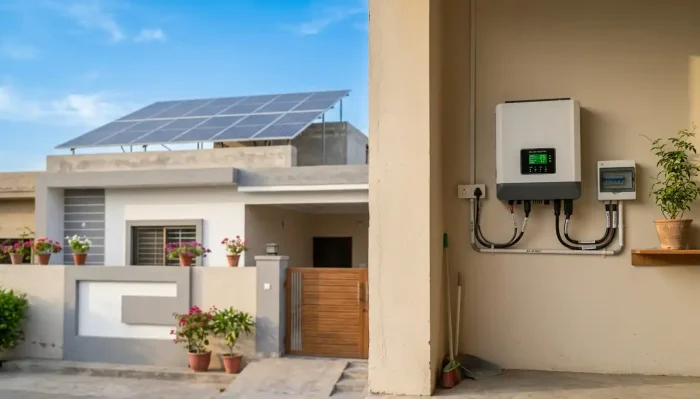
Solar energy is highly versatile and works well for homes, businesses, and industrial use. It can be easily scaled from small rooftop systems to large solar power plants. This adaptability allows it to perform efficiently in diverse climates and environments.
Common applications include:
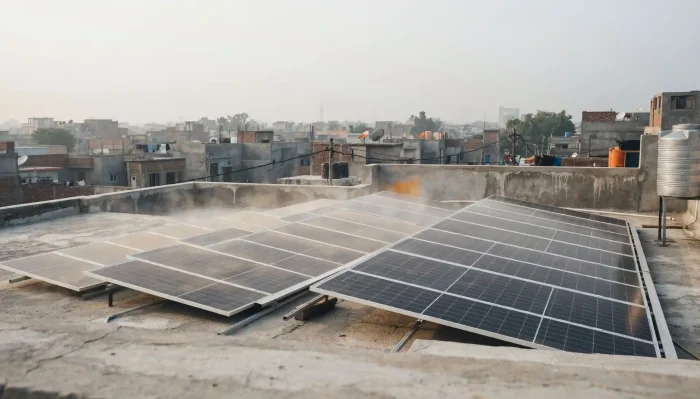
- Residential rooftop systems
- Commercial and industrial installations
- Agricultural water pumping
- Off-grid and remote electrification
These uses demonstrate solar’s flexibility and reliability.
Choosing the Right Solar Partner
Selecting an experienced provider is critical for system performance and safety. Proper assessment ensures correct sizing, efficient installation, and long-term durability. Expertise directly impacts energy output. Progressive Ventures offers high-quality solar products along with complete renewable energy services. Our focus is on delivering reliable systems that meet real-world energy needs.
Final Thoughts
Understanding What are 5 advantages of solar energy? clearly explains why solar power continues to grow worldwide. From clean energy generation and cost savings to low maintenance and energy independence, solar offers long-term value. It supports sustainability while providing reliable electricity for homes and businesses. Proper planning ensures maximum efficiency and financial benefits. Solar energy represents a smart and future-ready energy choice.
At Progressive Ventures, we specialize in solar installation, along with wind energy and hydropower energy solutions for residential and commercial clients. Our team focuses on quality, performance, and long-term reliability. We help you choose the right system based on your energy needs and budget. Contact us today to explore a customized renewable energy solution. Make the switch to clean energy with confidence.
FAQs
What are the main advantages of solar energy?
Solar energy provides clean power, lowers electricity bills, and requires minimal maintenance. It also supports sustainability and long-term energy independence.
Why is solar energy important today?
Solar energy reduces dependence on fossil fuels and helps lower carbon emissions. It supports a cleaner and more reliable energy future.
What are the benefits of solar energy for homeowners?
Homeowners benefit from lower energy costs, increased property value, and protection from rising electricity prices.
Are there disadvantages to solar energy?
Initial installation costs and sunlight dependency are common challenges. Proper planning helps minimize these limitations.
How long do solar panels last?
Most solar panels last between 25 and 30 years with proper maintenance. Performance gradually declines but remains effective.
Is solar energy suitable for all climates?
Yes, solar panels work in most climates, including cloudy regions. Output varies but remains reliable year-round.