Solar energy is one of the fastest-growing sources of power in the world today. As more people look for cleaner and cheaper energy options, solar panels are becoming a popular choice. But many still ask an important question: What is the Function of the Solar Panels?
In simple terms, solar panels collect sunlight and turn it into electricity. However, their role goes beyond just producing power. They help create a more sustainable future by reducing pollution and lowering energy costs.
Let’s explore how solar panels work, what they do, and why they matter.
What Are Solar Panels?
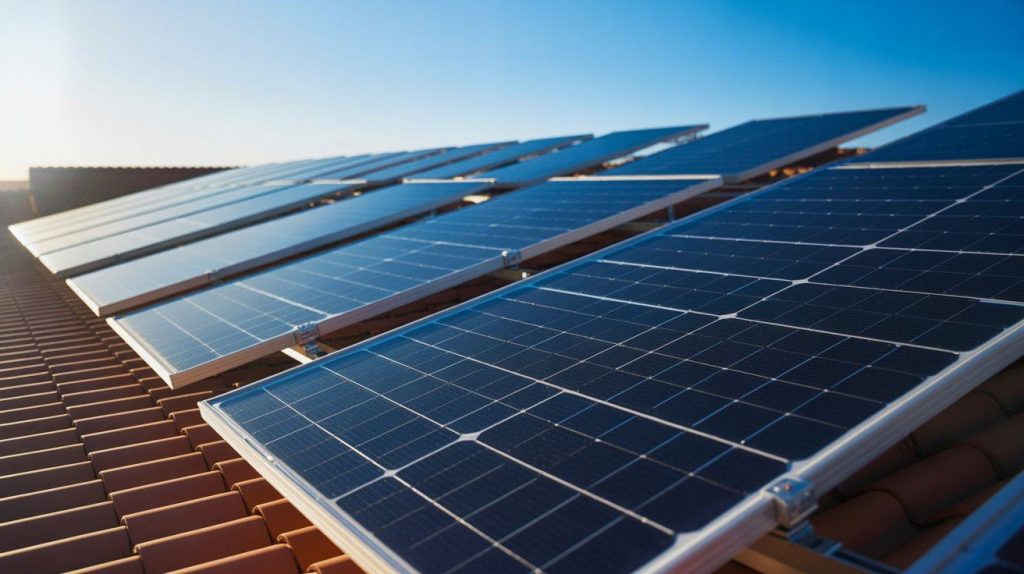
Solar panels are devices designed to convert sunlight into electricity. Each panel consists of multiple photovoltaic (PV) cells that generate electrical energy when exposed to sunlight. These cells are usually made from semiconductor materials like silicon, which facilitate the flow of electrons, creating an electric current.
Key Components of Solar Panels
- Photovoltaic Cells: The core units responsible for electricity generation.
- Glass Layer: Protects the cells from environmental damage while allowing sunlight to pass through.
- Frame: Provides structural support and durability.
- Wiring: Connects cells to an inverter and the electrical system.
With expertise in solar installation, Progressive Ventures ensures that every component is optimized for efficiency and long-term performance.
What is the Function of the Solar Panels?
Understanding how solar panels work is essential to appreciating their role in energy production. The process can be summarized in a few key steps:
- Sunlight Absorption: Photons from sunlight hit the PV cells.
- Electron Excitation: Photons energize electrons, freeing them from atoms in the semiconductor.
- Direct Current (DC) Production: Freed electrons flow through wires, generating DC electricity.
- Inverter Conversion: DC electricity is converted into alternating current (AC), which powers homes and businesses.
- Usage & Storage: Electricity is either consumed immediately, stored in batteries, or sent to the grid.
This process demonstrates the solar panels’ working principle, showing how solar energy can be harnessed efficiently for everyday use.
Purpose of Solar Panels
The primary purpose of solar panels is to provide a clean, renewable source of energy. Unlike fossil fuels, solar power does not emit harmful gases, making it an environmentally responsible choice.
Other benefits include:
- Cost Savings: Reduce monthly electricity bills.
- Energy Independence: Generate your own power and reduce reliance on the grid.
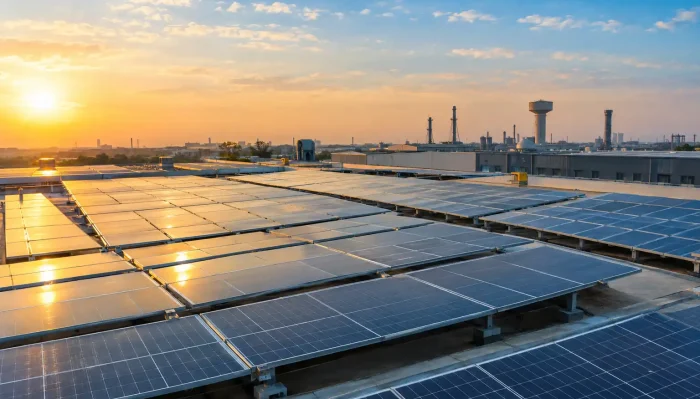
- Scalability: Solar panels can be used for small residential systems or large-scale industrial projects.
- Sustainability: Promote a cleaner environment for future generations.
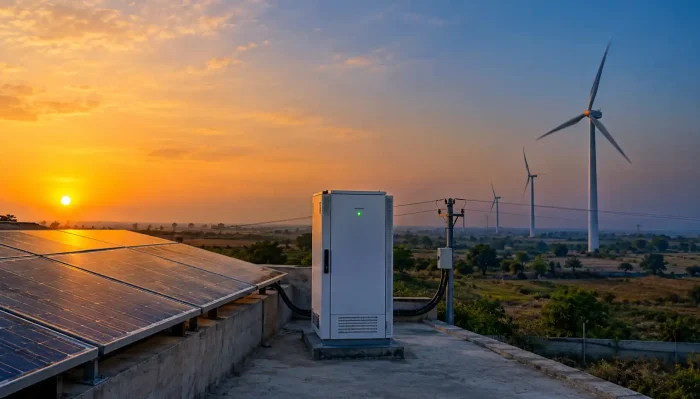
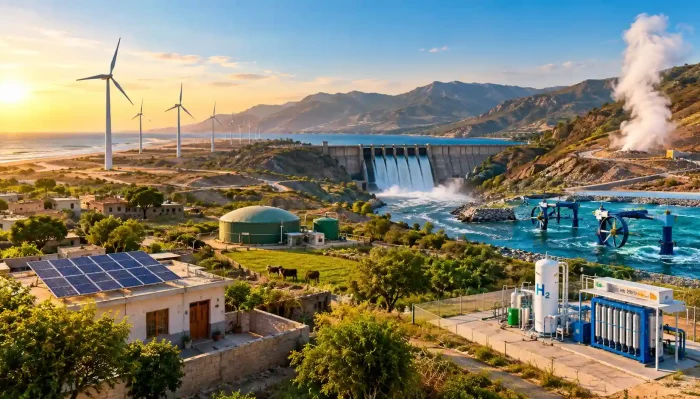
By integrating solar panels with wind energy and hydropower energy, Progressive Ventures offers comprehensive renewable energy solutions that maximize efficiency and sustainability.
Function of Photovoltaic Cells
The function of photovoltaic cells is at the heart of solar electricity generation. These cells transform sunlight into electrical energy through the photovoltaic effect.
How Photovoltaic Cells Work
- Photon Absorption: Sunlight photons are absorbed by the semiconductor material.
- Electron Movement: Absorbed energy excites electrons, creating an electric field.
- Current Flow: Freed electrons move through a circuit, generating electricity.
This mechanism explains the fundamental role of PV cells in the conversion of sunlight into electricity, highlighting their importance in solar panel functionality.
Types of Solar Panels
There are several types of solar panels available, each with unique advantages:
Monocrystalline Panels:
-
- High efficiency and longevity.
- Ideal for limited roof space.
- Polycrystalline Panels:
- Cost-effective with moderate efficiency.
- Suitable for residential and commercial use.
- Thin-Film Panels:
- Lightweight and flexible.
- Ideal for large-scale installations.
By selecting the right type of solar panel, homeowners and businesses can achieve optimal energy output and efficiency. Progressive Ventures provides expert guidance to choose the best solution for every requirement.
How Solar Panels Turn Sunlight into Electricity
Solar panels work through a natural process called the photovoltaic effect. While this may sound technical, the idea is actually very simple.
When sunlight reaches the surface of a solar panel, it carries tiny energy particles called photons. These photons hit the material inside the panel and cause electrons to move. This movement creates electricity.
Here’s an easy way to understand it:
- Sunlight hits the panel
- Energy from sunlight activates particles inside
- These particles start moving
- Movement creates electrical power
This electricity is then passed through a system that makes it usable for everyday appliances.
Also Read: How much electricity does a solar panel generate
Why Solar Panels Produce Two Types of Electricity
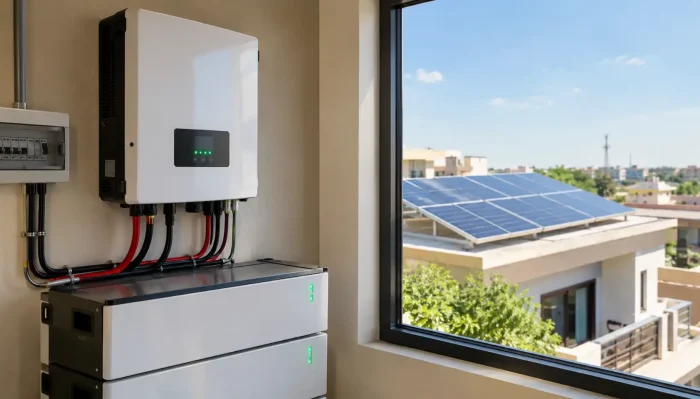
When solar panels generate electricity, they first produce direct current (DC). However, most homes use alternating current (AC). That’s why an inverter is used in every solar system.
The inverter changes DC electricity into AC electricity so it can power things like lights, TVs, and air conditioners.
Without this conversion step, the electricity from solar panels would not be usable in most homes.
The Purpose Behind Using Solar Panels
Solar panels are not just about generating electricity. They serve several important purposes that make them valuable in today’s world.
Clean Energy Production
Solar panels produce electricity without releasing harmful gases. This helps reduce air pollution and slows down climate change.
Cost Reduction
By generating your own electricity, you can lower your monthly utility bills.
Energy Security
Solar panels allow you to rely less on the main power grid. This is especially useful during power outages.
Sustainable Living
They support a lifestyle that protects natural resources for future generations.
How Solar Panels Generate Electricity for Your Home
To understand how solar panels generate electricity for your home, consider the following step-by-step process:
- Sunlight Capture: Panels absorb sunlight and convert it to DC electricity.
- Conversion: Inverters transform DC to AC electricity.
- Distribution: Electricity powers home appliances directly or charges batteries.
- Excess Energy: Surplus electricity is sent to the grid or stored for later use.
This step-by-step approach ensures efficient use of solar energy while maximizing cost savings and energy reliability.
What Makes Solar Panels Effective?
Several factors affect how well solar panels perform. Understanding these can help you get the most out of your system.
Sunlight Exposure
The more sunlight your panels receive, the more electricity they produce.
Panel Position
Panels should be placed at the right angle to capture maximum sunlight.
Clean Surface
Dust and dirt can block sunlight, reducing efficiency.
Quality of Components
High-quality panels and inverters perform better and last longer.
Different Types of Solar Panels and Their Functions
Not all solar panels are the same. Different types are designed for different needs.
Monocrystalline Panels
These are known for high performance and long life. They work well even in a limited space.
Polycrystalline Panels
These are more affordable and still provide good energy output.
Thin-Film Panels
These are lightweight and flexible, making them suitable for large or unique surfaces.
Each type performs the same main function but in slightly different ways, depending on design and efficiency.
How Solar Panels Support Modern Energy Needs
As energy demand continues to grow, solar panels are helping sustainably meet these needs.
They reduce pressure on traditional power plants and help balance the electricity supply. In many places, extra energy generated by solar panels can even be sent back to the grid.
This creates a smarter and more efficient energy system.
Installation and Maintenance
Proper solar installation is crucial for the efficiency and longevity of solar panels. Key steps include:
- Site Assessment: Evaluate sunlight exposure and roof suitability.
- System Design: Determine the number of panels and energy storage requirements.
- Installation: Panels are securely mounted, connected to inverters, and integrated into the electrical system.
- Maintenance: Regular cleaning and inspections ensure optimal performance.
Maintenance is minimal but essential, as dust and debris can reduce the panel’s efficiency over time.
Advantages of Solar Panels
Solar panels offer numerous benefits beyond electricity generation:
- Environmentally Friendly: Reduce carbon footprint.
- Cost-Effective: Lower electricity bills over time.
- Reliable Energy Source: Provides consistent power during sunny days.
- Low Maintenance: Long-lasting with minimal upkeep.
- Versatile Applications: Suitable for homes, businesses, solar farms, and hybrid energy systems.
Integrating solar panels with wind energy and hydropower energy systems enhances energy reliability and efficiency. Progressive Ventures ensures clients receive a complete renewable energy solution tailored to their needs.
Table: Quick Overview of Solar Panels Function
| Feature | Description | Benefit |
| Sunlight Absorption | PV cells capture photons | Renewable, clean energy |
| DC Electricity Generation | Excited electrons create current | Energy for home and business use |
| AC Conversion | An inverter converts DC to AC | Usable electricity |
| Storage and Grid Integration | Batteries store energy; excess is sent to the grid | Backup power and cost savings |
| Low Maintenance | Requires periodic cleaning and inspections | Long-lasting and efficient system |
The Future of Solar Energy
Solar technology is improving every year. Innovations are making panels more efficient, affordable, and accessible.
In the future, we can expect:
- Better battery storage systems
- More efficient solar cells
- Wider use in cities and rural areas
- Integration with smart home systems
Solar panels will continue to play a major role in the global energy system.
Final Thoughts
Solar panels play a crucial role in generating clean, renewable energy by converting sunlight into electricity. Understanding what is the function of the solar panels? helps homeowners and businesses realize the benefits of sustainable energy, from cost savings to reducing carbon footprints. Their efficiency, durability, and integration with technologies like wind and hydropower energy make them an essential part of modern energy solutions.
For personalized guidance and professional installation, Progressive Ventures offers expert services in solar, wind, and hydropower energy systems to meet your energy needs. To learn more or get started with your renewable energy journey, Contact Us today and take the first step toward a cleaner, more sustainable future.