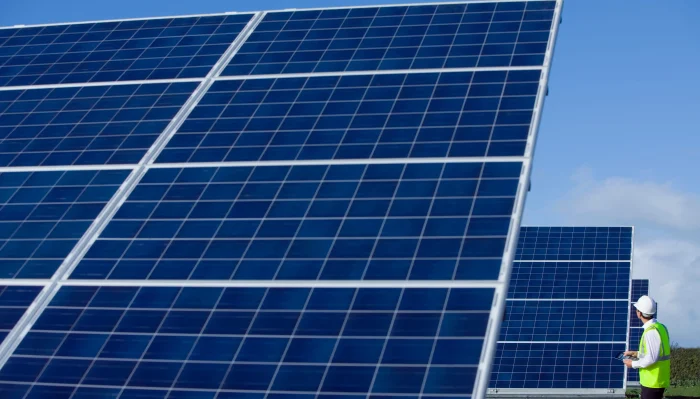
Switching to renewable energy in Pakistan is a practical solution for households and businesses facing rising electricity costs and frequent outages. What is an Off-Grid Solar System? It provides reliable, independent power, making it ideal for remote areas, rural locations, and places with unstable electricity supply.
Understanding off-grid solar systems in Pakistan helps households and businesses plan energy needs and savings. With expert guidance from Progressive Ventures, these systems provide continuous power, reduce grid dependence, and support sustainable energy.
Why Choose an Off-Grid Solar Power System?
An off-grid solar power system offers complete energy autonomy, allowing users to generate and store their own electricity. This independence is especially valuable in rural areas where grid connections are limited or unreliable. Off-grid systems not only provide uninterrupted energy but also reduce reliance on diesel generators, lowering fuel costs and environmental impact.
Benefits include:
- Independence from utility grids
- Reduced electricity costs over time
- Eco-friendly energy with minimal carbon footprint
- Reliable power supply in remote areas
With the growing demand for sustainable solutions, more people in Pakistan are adopting off-grid solar systems for residential, commercial, and agricultural purposes. Companies like Progressive Ventures ensure high-quality installation and maintenance, making the transition smooth and efficient.
Off-Grid Solar System Components
An off-grid solar system components includes solar panels, batteries, charge controllers, inverters, and necessary wiring. Each component plays a crucial role in generating, storing, and distributing electricity efficiently. Understanding these components ensures optimal system performance and longevity.
Solar Panels
Understanding What is an Off-Grid Solar System helps homeowners and businesses know how solar panels capture sunlight and convert it into direct current (DC) electricity. High-quality panels are essential to maximize energy production, while factors like efficiency, durability, and local climate compatibility directly affect overall system performance and reliability..
Batteries
Batteries store excess energy generated during the day for nighttime use or cloudy periods. Lithium-ion and tubular lead-acid batteries are commonly used, offering reliable performance and varying capacities. Battery selection significantly affects system cost and autonomy.
Charge Controllers
Charge controllers regulate the energy flowing into batteries, preventing overcharging and prolonging battery life. They are essential for maintaining system efficiency and ensuring long-term reliability.
Inverters
Inverters convert DC electricity stored in batteries into alternating current (AC), which powers home appliances and commercial equipment. Choosing the right inverter ensures smooth operation without voltage fluctuations.
Wiring and Mounting Structures
Proper wiring, connectors, and mounting structures are critical for safety and stability. High-quality materials reduce energy loss and prevent hazards while ensuring panels are optimally angled for sunlight capture.
How an Off-Grid Solar System Works

The operation of an off-grid solar system is straightforward yet efficient. During daylight hours, solar panels convert sunlight into DC power, which is routed through the charge controller to batteries. Excess energy stored in batteries is later converted into AC via an inverter for immediate use.
Key operational points:
- Solar panels generate electricity during sunlight hours.
- Charge controllers ensure batteries store energy safely.
- Inverters convert DC power to AC for household or commercial use.
- Batteries provide backup during the night or low sunlight.
This process ensures a continuous power supply regardless of grid availability, making off-grid solar systems reliable in any location.
Off-Grid Solar System Cost in Pakistan
Many homeowners wonder about off-grid solar system cost in Pakistan. Prices vary based on system size, battery capacity, panel type, and installation complexity. On average, small residential setups (3-5 kW) range from PKR 700,000 to 1,200,000, while larger commercial systems can cost PKR 2,000,000 or more.
Factors affecting cost:
- Number of solar panels and panel quality
- Battery type (lithium-ion or lead-acid)
- Inverter capacity and features
- Installation complexity and labour
- Maintenance and warranty provisions
Investing in a professional installation ensures correct sizing, optimal efficiency, and long-term reliability. Trusted companies like Progressive Ventures provide transparent pricing and high-quality equipment to deliver value for money.
Installation Process of an Off-Grid Solar System
Professional off-grid solar system installation involves careful planning, assessment, and execution. Proper installation maximises energy efficiency and ensures safety.
Steps Include:
- Site Survey: Assess sunlight exposure, roof strength, and energy requirements.
- System Design: Determine the number of panels, battery size, and inverter type.
- Panel Installation: Secure panels at the optimal angle for maximum sunlight capture.
- Wiring & Connections: Connect solar panels, batteries, and inverters following safety standards.
- Testing & Commissioning: Ensure the system operates efficiently and safely before handover.
Professional installation not only guarantees performance but also extends system lifespan and reduces maintenance issues.
Maintaining Your Off-Grid Solar System
A proper solar panel maintenance guide is essential for long-term performance. Regular inspection and cleaning, battery monitoring help prevent energy loss and ensure system longevity.
Maintenance Tips:
- Inspect panels monthly for dust, dirt, and debris.
- Clean panels using soft water and brushes as per the manufacturer’s instructions.
- Monitor battery health and charge levels regularly.
- Check inverter and charge controller settings for correct operation.
- Schedule professional servicing annually for optimal performance.
Routine maintenance helps protect your investment and keeps your off-grid system running efficiently.
Advantages of Off-Grid Solar Systems
Off-grid solar systems provide several benefits over grid-tied setups:
- Energy Independence: Operate without relying on utility power.
- Environmental Benefits: Reduce carbon emissions and reliance on fossil fuels.
- Reliable Backup: Batteries provide energy during power cuts or outages.
- Scalability: Easy to expand system capacity as energy needs grow.
- Cost Savings: Long-term reduction in electricity bills.
The combination of these advantages makes off-grid systems an attractive option for homes, farms, and businesses across Pakistan.
Off-Grid Solar System vs Grid-Tied System
While grid-tied systems depend on national electricity, off-grid solar power system works independently.
| Feature | Off-Grid System | Grid-Tied System |
| Electricity Source | Solar + Battery | Solar + Grid |
| Power During Outages | Yes | No |
| Battery Required | Yes | Optional |
| Cost | Higher upfront | Lower upfront |
| Independence | Full | Partial |
Choosing between systems depends on location, energy reliability, and long-term goals.
Choosing the Right Off-Grid System in Pakistan
Selecting the correct system involves evaluating energy consumption, battery storage, and panel quality. Consulting experts ensures correct sizing and proper integration with your home or business.
Key Considerations:
- Daily energy consumption
- Backup duration requirements
- Roof space and solar exposure
- System budget and maintenance plan
Working with experienced providers like Progressive Ventures guarantees professional assessment and installation, maximising energy efficiency and system lifespan.
Final Thoughts
Understanding What is an Off-Grid Solar System is essential for homeowners and businesses in Pakistan seeking reliable and independent energy solutions. An off-grid solar system offers a cost-effective, eco-friendly way to achieve energy independence, with proper design, high-quality components, and professional installation, ensuring consistent performance even in remote areas with limited grid access.
Whether for residential, commercial, or agricultural use, understanding system components, installation, and maintenance is crucial. If you want expert guidance, professional installation, or tailored off-grid solutions, feel free to contact us today. Investing in an off-grid solar system is a smart step toward energy freedom and long-term savings.
FAQs
What is an off-grid solar system?
An off-grid solar system operates independently from the national grid, generating and storing electricity for home or business use. Batteries store energy for night time or cloudy days. It is ideal for remote locations or areas with unreliable power grids.
How much does an off-grid solar system cost in Pakistan?
Prices vary by system size, battery type, and installation complexity. Small residential systems range from PKR 700,000 to 1,200,000, while larger setups can exceed PKR 2,000,000. Professional installation ensures value for money.
What are the main components of an off-grid solar system?
Key components include solar panels, batteries, charge controllers, inverters, and wiring. Each component plays a critical role in generating, storing, and distributing electricity efficiently.
How is an off-grid solar system installed?
Installation involves site assessment, system design, panel mounting, wiring, and commissioning. Professional installers ensure proper sizing and safety standards for optimal performance.
How long do off-grid solar systems last?
With proper maintenance, high-quality panels and batteries can last 15–25 years. Battery replacements may be needed every 5–10 years, depending on usage and type. Regular inspections prolong system lifespan.
Can off-grid solar systems be expanded?
Yes, off-grid systems are scalable. Additional panels or batteries can be added to meet growing energy requirements, making them suitable for homes, businesses, and farms.