Switching to solar energy is no longer just a trend—it’s a long-term investment in savings, energy independence, and environmental responsibility. Whether you’re planning a full rooftop system or exploring a self install solar panel setup for a small space, understanding the right solar installation kit is essential.
In this complete guide, we’ll explain everything you need to know about solar panel installation kits, tools, safety, installation steps, costs, and how to choose the right system.
What Is a Solar Installation Kit?
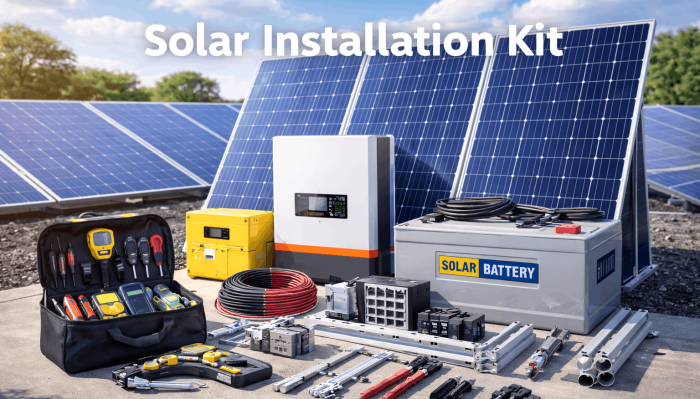
A solar installation kit is a packaged set of components and tools required to install a solar power system. These kits are designed to simplify the installation process and ensure compatibility between parts.
Most solar installation kits include:
-
Solar panels
-
Mounting structures (roof or ground mounts)
-
Solar inverter
-
DC and AC wiring
-
MC4 connectors
-
Circuit breakers and protection devices
-
Charge controller (for off-grid systems)
-
Battery (optional in hybrid/off-grid kits)
Some advanced kits also include a solar installer tool kit, which contains specialized equipment to complete installation safely and efficiently.
Why Solar Installation Kits Are Growing in Popularity
The demand for solar panel installation kits has increased for several reasons:
1. Cost Efficiency
Buying a complete kit is often cheaper than purchasing components separately.
2. Simplified Planning
All components are pre-matched for compatibility.
3. Faster Installation
Kits reduce confusion and installation errors.
4. DIY Trend
Many homeowners are exploring self-installed solar panel systems to reduce labor costs.
However, while DIY solar is possible for small systems, professional installation ensures safety, compliance, and long-term performance.
Types of Solar Installation Kits
Not all solar installation kits are the same. Choosing the right type depends on your energy needs and property setup.
1. Grid-Tied Solar Installation Kits
These connect directly to the utility grid. They are ideal for homes with stable electricity supply and net-metering policies.
2. Off-Grid Solar Installation Kits
Designed for remote locations without grid access. These include batteries and charge controllers.
3. Hybrid Solar Installation Kits
A combination of grid and battery backup. These systems provide energy security during outages.
Components Inside a Solar Panel Installation Kit
Solar Panels
Convert sunlight into direct current (DC) electricity.
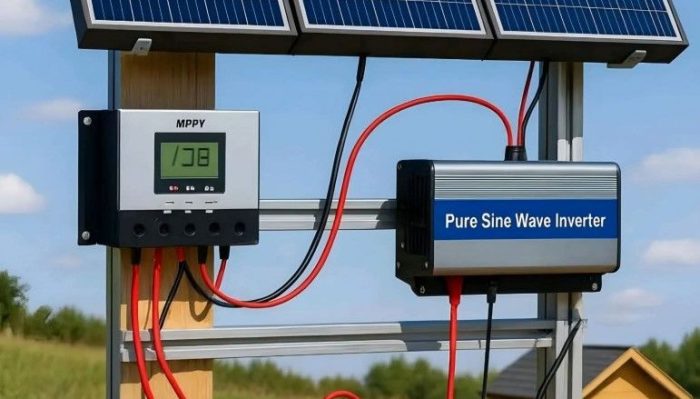
Inverter
Converts DC electricity into usable alternating current (AC).
Mounting Structure
Ensures panels are securely installed at the correct tilt angle.
Charge Controller
Regulates power flow to batteries in off-grid systems.
Battery Storage
Stores excess energy for night or backup use.
Protection Devices
Include breakers, surge protectors, and grounding systems to maintain safety.
Solar Installer Tool Kit
This may include:
-
MC4 crimping tool
-
Wire cutter and stripper
-
Torque wrench
-
Multimeter
-
Drill machine
-
Safety gloves and a helmet
Using proper tools reduces installation errors and enhances system longevity.
Self-Install Solar Panel: Is It a Good Idea?
The idea of a self-install solar panel setup can be appealing. However, there are several considerations:
Advantages:
-
Lower upfront labor cost
-
Learning experience
-
Suitable for small sheds, RVs, or farms
Risks:
-
Electrical safety hazards
-
Incorrect wiring damage
-
Warranty voiding
-
Non-compliance with local regulations
For residential rooftops or commercial systems, professional installation ensures compliance with safety codes, optimal system efficiency, and accurate assessment of overall solar installation cost to avoid unexpected expenses.
You May Also Read: Average cost to install solar panels
Step-by-Step: How a Solar Installation Kit Is Installed

Here’s a simplified breakdown of the installation process:
Step 1: Site Assessment
Roof direction, shading, and load-bearing capacity are evaluated.
Step 2: Mounting Structure Installation
Aluminum rails or frames are securely fixed.
Step 3: Panel Placement
Solar panels are mounted and aligned.
Step 4: Electrical Wiring
Panels are connected in series or parallel.
Step 5: Inverter Installation
Installed near the main distribution board.
Step 6: Safety Testing
Grounding, voltage testing, and performance checks are conducted.
Step 7: System Activation
Final inspection and grid synchronization (if grid-tied).
Solar Installation Kit Costs in 2026
Costs vary depending on size and type:
-
Small off-grid kit (1–2 kW): Affordable for small homes
-
Medium residential kit (3–5 kW): Standard for urban households
-
Large hybrid kit (10 kW+): Suitable for commercial use
Pricing depends on:
-
Panel efficiency
-
Battery capacity
-
Inverter brand
-
Installation complexity
While DIY kits may seem cheaper, long-term reliability often depends on professional setup.Working with an experienced company like Progressive Ventures ensures these steps are handled professionally.
How to Choose the Best Solar Panel Installation Kit

Before purchasing, consider:
1. Energy Requirements
Calculate daily consumption in kWh.
2. Roof Space
Ensure sufficient area for panel layout.
3. Battery Needs
Decide if backup storage is required.
4. Warranty
Look for 10–25 year panel warranties.
5. After-Sales Support
Choose providers offering maintenance services.
Latest Trends in Solar Installation (2026 Update)
Staying aligned with Google Core Update guidelines means providing current, relevant information.
Smart Monitoring Systems
Mobile apps now track system performance in real time.
High-Efficiency Panels
New technologies improve energy conversion rates.
Modular Solar Kits
Expandable designs allow future upgrades.
Integrated Battery Systems
Compact lithium storage is becoming more common.
These trends improve ROI and system flexibility.
Safety Guidelines for Solar Installation
Solar systems involve high voltage. Always follow safety standards:
-
Use insulated tools
-
Install proper grounding
-
Follow electrical codes
-
Never work during rain
-
Disconnect AC supply before wiring
If you’re unsure which system fits your needs, consulting a professional comapnies like Progressive venture solar energy insallation service can help you avoid costly mistakes.
Conclusion: Is a Solar Installation Kit Right for You?
A solar installation kit offers a practical and organized way to transition to renewable energy. Whether you choose a self install solar panel system for small-scale use or work with a professional provider, understanding your components and safety requirements is crucial.
For homeowners and businesses seeking reliable and compliant systems, Progressive Ventures provides expert guidance and complete installation solutions. Choosing a trusted partner ensures performance, durability, and long-term savings.
Solar energy is not just about saving money—it’s about building energy independence and contributing to a cleaner future.
Frequently Asked Questions (FAQs)
1. What is included in a solar installation kit?
A standard kit includes panels, inverter, mounting structure, wiring, connectors, and safety devices. Some include batteries and a solar installer tool kit.
2. Can I install a solar panel kit myself?
Yes, small systems can be self-installed. However, professional installation is recommended for residential rooftops.
3. How long does installation take?
Most residential systems take 1–3 days depending on size.
4. Do solar panel installation kits come with warranties?
Yes, panels typically have 10–25 year warranties.
5. What tools are required for installation?
Basic electrical tools plus a specialized solar installer tool kit.
6. Is a battery required in all solar installation kits?
No, batteries are mainly used in off-grid or hybrid systems.
7. How much roof space is needed?
It depends on system size. A 5 kW system typically requires a moderate roof top area.
8. Are solar installation kits safe?
Yes, when installed correctly with proper grounding and safety measures.
9. How do I choose the right solar panel installation kit?
Evaluate energy needs, budget, space, and long-term goals.
10. Why choose professional solar installation services?
Professionals ensure safety, compliance, and optimal system performance.