Offshore wind energy is growing rapidly across the world. Countries are investing billions into offshore wind farms to produce clean electricity and reduce dependence on fossil fuels. But like any energy technology, offshore wind turbines have advantages and disadvantages.
If you’re researching the pros and cons of offshore wind turbines, this guide will help you understand the benefits, challenges, environmental impact, costs, and long-term sustainability in simple terms.
We’ll break down the facts clearly so you can decide whether offshore wind is truly the future of renewable energy.
What Are Offshore Wind Turbines?
Offshore wind turbines are large wind energy systems installed in oceans or large lakes, typically several kilometers away from the coastline. They work the same way as onshore turbines but are placed where wind speeds are stronger and more consistent.
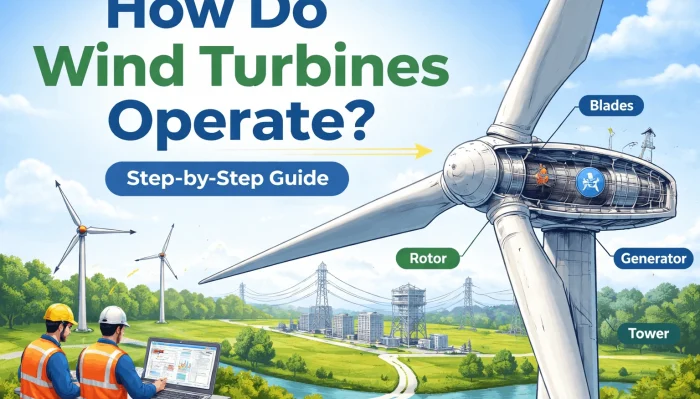
How Offshore Wind Turbines Work
-
Wind turns the blades
-
Blades spin a shaft
-
The shaft powers a generator
-
Electricity travels through underwater cables to land
Because ocean winds are generally faster and steadier, offshore wind turbines can generate more electricity than land-based turbines.
Why Offshore Wind Is Growing So Fast
Global energy demand is increasing, and governments are pushing for carbon neutrality. Offshore wind plays a major role because:
-
It produces clean energy with no direct emissions
-
It avoids land-use conflicts
-
It can generate large-scale power near coastal cities
According to international energy agencies, offshore wind capacity is expected to multiply several times by 2030 due to falling costs and technological improvements.
Pros And Cons Of Offshore Wind Turbines
Let’s start with the advantages.
1. Higher and More Consistent Wind Speeds
One of the biggest benefits in the offshore wind turbine pros and cons debate is stronger wind availability.
-
Offshore winds are steadier
-
They face fewer obstacles like buildings and trees
-
Turbines operate at higher capacity factors
This means offshore turbines often produce more electricity per unit than onshore ones.
2. Massive Energy Production Potential
Offshore wind farms can support very large turbines — some exceeding 15 MW per turbine.
This allows:
-
Fewer turbines to produce more power
-
Large-scale energy supply for entire cities
-
Stronger contribution to national grids
3. No Land Usage Conflicts
Unlike onshore wind projects, offshore wind farms:
-
Do not take up farmland
-
Do not affect residential areas directly
-
Reduce visual impact for inland communities
This makes permitting easier in many regions.
4. Lower Noise and Visual Impact (for Most People)
Since turbines are located far from shore:
-
Noise is rarely heard on land
-
Visual disturbance is reduced
For coastal communities, this can be a major advantage.
5. Job Creation and Economic Growth
Offshore wind supports:
-
Marine engineering
-
Manufacturing
-
Installation and maintenance services
-
Port infrastructure development
Companies offering wind installation services, such as Progressive Ventures contribute to building skilled workforces and advancing renewable energy infrastructure.
The Cons of Offshore Wind Turbines

Now let’s examine the other side of the equation.
1. High Installation Costs
One of the major concerns in the offshore wind turbines pros and cons discussion is cost.
Offshore projects require:
-
Specialized ships
-
Deep foundation systems
-
Subsea cables
-
Complex grid connections
Initial investment is significantly higher than onshore wind.
2. Maintenance Challenges
Working at sea is not easy.
-
Harsh weather conditions
-
Saltwater corrosion
-
Difficult access for repairs
Maintenance costs can be substantial compared to land-based turbines.
3. Environmental Impact on Marine Life
Although offshore wind reduces carbon emissions, it can impact:
-
Marine ecosystems
-
Fish habitats
-
Migratory bird routes
Construction noise and seabed disruption may affect marine biodiversity if not managed carefully.
Environmental impact assessments are mandatory before approval.
4. Grid Integration Complexity
Electricity generated offshore must travel through underwater cables to the mainland.
Challenges include:
-
High transmission costs
-
Energy losses
-
Grid upgrade requirements
These factors add to the overall project expense.
5. Weather and Storm Risks
Offshore turbines face:
-
Hurricanes
-
Strong ocean waves
-
Extreme wind speeds
Modern designs are improving durability, but climate-related risks remain a concern.
You May Also Read: What are the advantages and disadvantages of using wind energy
Comparing Offshore vs Onshore Wind
| Factor | Offshore Wind | Onshore Wind |
|---|---|---|
| Wind Speed | Higher | Moderate |
| Installation Cost | High | Lower |
| Maintenance | Complex | Easier |
| Energy Output | Very High | Moderate |
| Land Use | No land needed | Requires land |
Understanding the pros and cons of wind turbines offshore compared to onshore systems helps investors and policymakers make informed decisions.
Environmental Impact: Is Offshore Wind Truly Green?
Offshore wind turbines
- Produce zero direct carbon emissions
- Reduce fossil fuel dependency
- Support climate goals
However:
- Construction can disturb marine ecosystems
- Decommissioning requires planning
- Materials like steel and concrete have embodied carbon
Overall, most studies show offshore wind has significantly lower lifecycle emissions than coal and gas.
Are Offshore Wind Turbines Worth It?
The answer depends on:
-
Geographic location.
-
Government policy.
-
Grid infrastructure.
-
Investment capability.
For coastal countries with strong wind resources, offshore wind can be a powerful long-term solution.
While there are challenges, technological innovation continues to reduce risks and costs.
As renewable energy infrastructure expands, experienced providers offering wind installation services by Progressive Ventures contribute to building reliable systems that support long-term sustainability and performance.
Conclusion
Understanding the offshore wind turbines pros and cons is essential before investing or forming opinions about this growing energy sector.
Offshore wind offers:
-
High energy production
-
Strong climate benefits
-
Long-term sustainability potential
But it also involves:
-
High upfront costs
-
Engineering complexity
-
Environmental considerations
As technology improves and global demand for clean energy rises, offshore wind is likely to remain a major pillar of renewable energy strategies worldwide.
Careful planning, responsible development, and experienced installation services are key to making offshore wind both economically viable and environmentally sustainable.
FAQs
1. What are the main pros and cons of offshore wind turbines?
Pros: Higher energy output, strong wind speeds, no land usage, low carbon emissions.
Cons: High installation cost, complex maintenance, potential marine impact, grid challenges.
2. Are offshore wind turbines more efficient than onshore?
Yes. Offshore wind turbines typically operate at higher capacity factors because ocean winds are stronger and more consistent.
3. Do offshore wind farms harm marine life?
Construction can temporarily affect marine ecosystems. However, long-term studies suggest impacts can be minimized with proper planning and environmental management.
4. Why are offshore wind turbines so expensive?
Costs are higher due to specialized ships, underwater cabling, deep foundations, and challenging marine conditions.
5. How long do offshore wind turbines last?
Most offshore wind turbines are designed to operate for 20–25 years, with some new models aiming for 30 years.