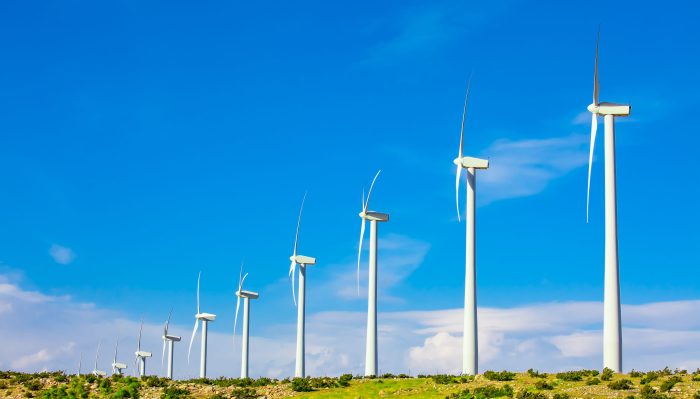
One of the most talked-about renewable energy sources nowadays is wind energy. Many governments, corporations, and individuals are shifting toward greener options as the world’s energy needs continue to rise and worries about climate change grow. Because wind energy uses a natural, renewable resource and generates electricity without using fossil fuels, it has become a powerful answer.
Wind energy isn’t a perfect option, though. It has advantages and disadvantages, just like any other energy source. Before making decisions on energy use or investment, it is crucial to fully comprehend them.
What Is Wind Energy?
Wind energy refers to the electricity produced by utilizing the natural motion of air. The kinetic energy of moving air is tapped by wind turbines, which convert it into mechanical energy and then into electricity using a generator.
Humans have been utilizing the power of wind for many centuries, primarily for sailing, grinding grain, and pumping water. The latest technology in wind energy is based on the same concept but on a much larger scale.
How Wind Energy Works: A Simple Explanation
The process of producing electricity from wind is quite simple:
- Wind passes over the turbine blades.
- The blades turn and drive a rotor.
- The rotor drives a shaft, which is attached to a generator.
- The generator converts power into electricity.
- The electricity is then transmitted to the grid or stored in batteries.
The above process does not require the combustion of fuel, the use of water, or any chemical reactions, making wind energy one of the cleanest sources of electricity.
Types of Wind Energy Systems
Onshore Wind Energy
Onshore wind energy systems are erected on land. They are the most popular type of wind energy systems. They are easy to erect and maintain.
Offshore Wind Energy
Offshore wind energy systems are erected in the ocean or in a large body of water. They have better wind speeds, which enable them to produce more electricity. However, they are more expensive to erect and maintain.
Small-Scale Wind Energy Systems
These systems are used in homes, farms, and small businesses. They are suitable for regions with constant wind speeds and enough space.
Why Wind Power Is Sustainable and Renewable
Because wind is naturally renewed by atmospheric processes powered by the sun, wind energy is regarded as renewable. In contrast to fossil fuels, wind energy doesn’t run out, doesn’t require mining, and doesn’t harm the environment while producing electricity.
Because of this, wind energy is a crucial part of long-term energy plans meant to lower carbon emissions and fight climate change.
Advantages of Wind Energy
When individuals inquire about the pros and cons of using wind energy, the advantages are frequently the first thing that piques their curiosity.
1. Eco-Friendly Power Source
Without generating sulfur dioxide, carbon dioxide, or other atmospheric pollutants, wind energy generates power. This greatly lessens harm to the environment and contributes to better air quality.
2. Endless and Renewable
As long as the Earth’s climate system is operational, wind will persist. Because of this, wind energy is a dependable choice for long-term energy production.
3. Cheap upkeep and Operating Expenses
Operating costs for wind turbines are comparatively minimal once they are installed. Regular maintenance is predictable and doable, and there are no fuel costs.
4. Decreases Reliance on Fossil Fuels
Reliance on coal, oil, and natural gas is reduced by wind energy. This lessens exposure to fluctuations in fuel prices and enhances energy security.
5. Promotes Employment and Economic Growth
In the manufacturing, transportation, installation, operations, and maintenance sectors, wind energy projects provide jobs.
6. Effective Use of Land
Because wind turbines take up little ground area, nearby land can be utilized for farming or other uses.
7. Adaptable and Scalable Technology
Depending on energy requirements, wind energy systems can be installed gradually, ranging from single turbines to massive wind farms.
The continued global popularity of wind energy can be explained by these benefits.
Disadvantages of Wind Energy
Wind energy provides advantages, but it also has drawbacks that need to be taken into account.
1. Sporadic Power Production
The weather has an impact on wind energy. Low wind speeds reduce the amount of electricity produced, necessitating energy storage or backup devices.
2. Exorbitant upfront installation expenses
Turbines, foundations, electrical infrastructure, and grid connections can all have substantial upfront costs.
3. Problems with Noise
If wind turbines are not adequately planned, the mechanical and aerodynamic noise they produce could be an issue for the local population.
4. Visual Impact on Landscapes
Some people consider wind turbines visually intrusive, especially in scenic or residential areas.
5. Wildlife Impact
Birds and bats may be affected if turbines are installed without proper environmental assessments. Modern planning reduces these risks.
6. Location-Specific Restrictions
Certain regions are not ideal for wind energy since it works best in places with steady wind speeds.
These issues frequently come up while assessing the benefits and drawbacks of wind energy in real-world applications.
Advantages and Disadvantages of Wind Energy: Quick Comparison
Advantages
- Clean and renewable
- Reduces greenhouse gas emissions
- Low long-term operating costs
- Enhances energy independence
Disadvantages
- Dependent on wind availability.
- High initial investment
- Noise and visual concerns
- Requires suitable locations
This comparison enables the reader to easily understand the trade-offs.
Wind Energy Installation: Key Factors to Consider
The installation of wind energy requires careful planning and consideration.
Important Factors
- Wind speed and reliability.
- Land availability.
- Permits and regulations.
- Grid connection or battery storage.
Careful evaluation is necessary to ensure safety, efficiency, and proper installation. Many property owners turn to the progressive ventures installation service for the assessment of site suitability and the proper installation of wind energy systems.
Is Wind Energy Suitable for Homes and Businesses?
Wind energy is most suitable for:
- Rural residential areas with open land.
- Farms and agricultural enterprises.
- Industrial and commercial enterprises.
- Coastal or high-wind areas.
Small wind energy systems can help cut down electricity costs, while large systems can help generate substantial power for commercial and industrial use.
Wind Energy and Energy Storage Solutions
Energy storage is an important aspect in dealing with the intermittency of wind energy.
Common Storage Solutions
- Battery energy storage systems
- Hybrid energy systems that combine wind and solar energy
- Grid energy balancing
These solutions ensure that the energy supply is stable.
Wind Energy vs Other Renewable Energy Sources
Wind Energy vs Solar Energy
Solar energy requires sunlight, whereas wind energy can produce electricity at any time of the day or night. Wind energy tends to produce more electricity during winter, whereas solar energy tends to produce more during summer.
Wind Energy vs Hydropower
Hydropower requires water resources and extensive infrastructure, whereas wind energy is more flexible and scalable.
These comparisons will help in understanding what are the pros and cons of using wind energy along with other renewable sources of energy.
You May Also Read: What are the benefits of hydroelectric power
Wind energy has one of the lowest environmental impacts among various energy types. It does not require water, generate waste, or release pollutants during the energy production process.
Effective planning, environmental assessments, and advanced wind turbine technology can reduce negative effects on the environment and wildlife.
The Future of Wind Energy
Wind energy technology is constantly improving. Advanced wind turbines are designed to be quieter, more efficient, and able to produce energy even at lower wind speeds. Offshore wind farms and advanced energy storage systems are also enhancing reliability.
As nations move towards a cleaner energy mix, wind energy will remain a vital component. Groups like Progressive Ventures are facilitating this shift by encouraging responsible and well-planned renewable energy use.
Conclusion: Is Wind Energy Worth It?
Wind energy is a great combination of environmentally positive aspects, long-term cost-effectiveness, and sustainability. Although it has limitations like intermittency and installation costs, wind energy technology is constantly overcoming these drawbacks.
For the right location and use, wind energy can be a reliable and future-proof power source. Knowledge of its benefits and drawbacks will enable individuals and companies to make responsible and informed energy choices.
Frequently Asked Questions (FAQs)
What are the advantages and disadvantages of wind energy?
Wind energy is clean and renewable, but it is dependent on wind resources and has high capital costs.
What are some advantages and disadvantages of wind energy for residential use?
It can lower electricity costs but needs adequate land and wind resources.
Is wind energy reliable?
Wind energy can be made reliable by complementing it with energy storage and grid connections.
Does wind energy affect the environment?
It has minimal effects on the environment if wind turbines are carefully located.
How long do wind turbines last?
Wind turbines can work effectively for 20 to 25 years.
Is wind energy cheaper than fossil fuels?
Wind energy can be cheaper in the long run since there are no fuel costs, and fixed costs are stable.