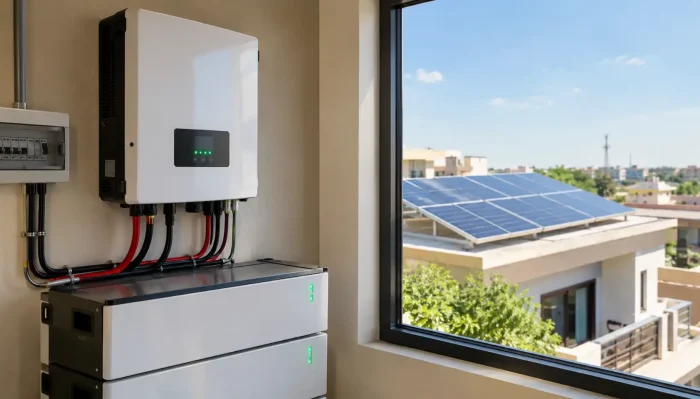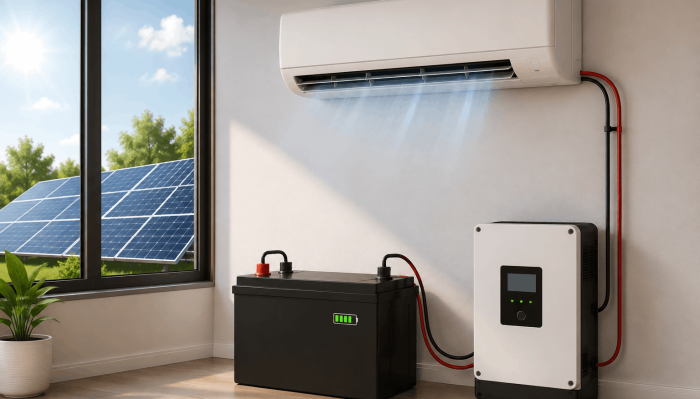
Your solar panels, batteries, and grid are all connected by a single equipment called a hybrid inverter. It converts solar energy into useable electricity, stores excess energy in a battery, and switches to backup power when load shedding occurs in your location.
This is more important if you reside in Pakistan than in most other nations. A hybrid inverter is now one of the best home improvements you can do due to long load-shedding hours, increasing power costs, and inconsistent voltage. If you’re still searching for what is a hybrid inverter and whether it’s worth buying, this guide covers it in plain language.
What Is a Hybrid Inverter?
A hybrid inverter, which controls solar panels, battery storage, and the utility grid (such as WAPDA or K-Electric) in a single device, serves as the brains of a contemporary solar system. A hybrid solar inverter performs four functions simultaneously, in contrast to a typical model that merely converts energy: it charges your battery bank, pulls stored power when required, turns DC solar power into useable AC power, and connects to the grid to import or export electricity.
This “four-in-one” solution addresses the everyday problem of managing many power sources amid regular load-shedding in Pakistan. Whether it’s referred to as a hybrid power inverter or a hybrid solar inverter, the gadget automatically balances your grid connection, battery storage, and roof panels so your household appliances continue to function flawlessly without you ever having to touch a manual changeover button.
Hybrid Inverter vs Solar Inverter vs UPS: Clearing the Confusion
Most people in Pakistan search for a hybrid inverter but end up confused between three different products. Here is a simple breakdown.
On-grid solar inverter (no battery). This type only connects solar panels to the grid. It sends solar power straight into your home during the day and feeds extra power to the grid if net metering is set up. It does not run during load-shedding because it has no battery to fall back on.
Traditional UPS or IPS (battery backup, no solar). This is the classic backup device found in most Pakistani homes for years. It charges a battery from the grid and switches to battery power during an outage. It has no solar input at all, so you still pay full electricity bills.
Hybrid inverter (solar + battery + grid + backup, all in one). This combines both jobs. It uses solar power first, charges the battery with extra solar, pulls from the grid only when needed, and switches to backup power automatically during an outage.
If your main goal is what is hybrid solar inverter and how it’s different from a normal UPS, the short answer is this: a UPS only stores grid power, while a hybrid inverter stores free solar power and uses the grid as a backup, not the main source.
Battery choice matters here too. Many Pakistani households still use tubular batteries because they cost less upfront. Lithium batteries cost more but last longer, charge faster, and need almost no maintenance. Most new hybrid inverter installations are moving toward lithium for this reason.
How Does a Hybrid Inverter Work? (Day, Night, Load-Shedding)
A hybrid inverter follows a simple pattern every single day.
During the day, solar panels generate DC power. The inverter’s MPPT (Maximum Power Point Tracking) technology pulls the maximum possible power from the panels and converts it to AC. This power runs your home first. Any extra power charges the battery.
In the evening or at night, there is no sunlight, so the battery takes over. The inverter checks battery charge level and household load using a CT meter, then discharges the battery to power your appliances without any manual switching.
During load-shedding, the inverter detects the grid outage and isolates your home from the grid within milliseconds. This grid isolation step is a safety requirement. It stops your system from sending power back into the line while utility staff may be working on it. Your lights, fans, fridge, and internet router stay on using stored battery and solar power, often without you even noticing the switch.
Grid export, where allowed, lets you send unused solar power back to the grid under NEPRA’s net metering framework. Pakistan’s net metering rules changed recently. NEPRA introduced a net billing system under the new Prosumer Regulations, which pays exported units at the National Average Energy Purchase Price instead of the older fixed rate. You can check the current framework directly on the NEPRA website before applying for a new connection.
Hybrid Inverter vs On-Grid vs Off-Grid Inverter
Each inverter type is built for a different situation. Here’s how they compare, including how each one handles load-shedding, which matters most for Pakistani buyers.
| Feature | On-Grid Inverter | Off-Grid Inverter | Hybrid Inverter |
| Battery support | No | Yes | Yes |
| Grid connection | Yes | No | Yes |
| Backup during outage | No | Yes | Yes |
| Load-shedding suitability | Poor, shuts down with grid | Good, but needs full battery bank | Best, switches automatically |
| Net metering export | Yes | No | Yes, where approved |
| Best for | Areas with stable grid, no backup need | Remote areas with no grid access | Homes and businesses facing regular load-shedding |
For most Pakistani cities and towns where the grid exists but load-shedding is common, the hybrid inverter is the practical middle ground. It gives you the savings of grid connection along with backup power when the grid fails.
Single Phase vs Three Phase Hybrid Inverter: Which Do You Need?
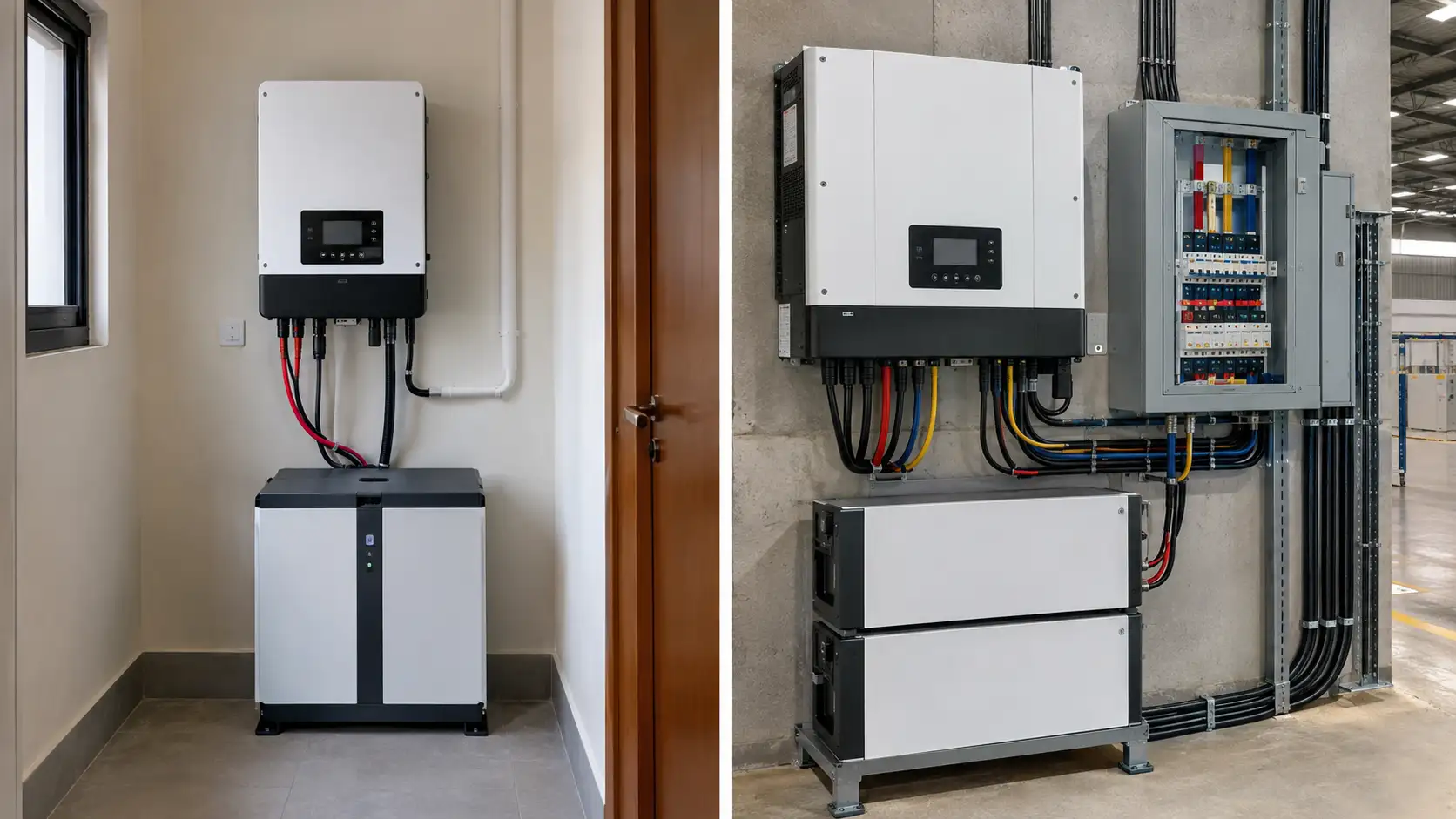
This choice depends on your WAPDA or K-Electric meter type and the size of your load, not just your budget.
Single Phase Hybrid Inverter
This suits standard homes, apartments, and small shops with a single-phase meter connection. Most residential loads like lights, fans, fridges, and a few air conditioners run fine on single-phase power.
Three Phase Hybrid Inverter
This suits large homes, farmhouses, and commercial or industrial connections that already run on a three-phase WAPDA meter. If you run heavy motors, tube wells, large air conditioning units, or industrial machinery, you need a three phase hybrid inverter to handle that load evenly across all three phases.
A simple rule: check your electricity meter first. If your existing connection is three-phase, your hybrid inverter should also be three-phase. Mixing phase types adds unnecessary cost and technical complications during installation.
Key Benefits of a Hybrid Solar Inverter for Pakistani Homes and Businesses
Backup during long load-shedding hours. Unlike a simple UPS, a hybrid inverter uses free solar energy first, so your battery lasts longer during extended outages.
Lower electricity bills. As per-unit tariffs keep rising, using solar power during the day cuts down what you draw from the grid, and that shows up directly in your monthly bill.
Protection from voltage fluctuation. Pakistan’s grid often delivers unstable voltage. A hybrid inverter regulates output, protecting your appliances from damage caused by voltage spikes or drops.
Less reliance on diesel generators. Generators cost money in fuel, create noise, and need regular servicing. A hybrid inverter with a properly sized battery removes most of that dependency, especially for homes with predictable load-shedding schedules.
Net metering income potential. Where NEPRA approves your connection, surplus solar power sold back to the grid can offset part of your bill under the current net billing framework.
Battery expandability. You can install solar panels and a hybrid inverter now, then add a battery later once your budget allows. This spreads out the cost without forcing you to replace equipment down the line.
For most families, picking the right solar inverter for home use comes down to matching the unit to daily load, backup hours needed, and future battery plans, not just the lowest price tag.
If you’re planning to add solar to your property, getting the panel setup right is just as important as picking the inverter. Progressive Ventures handles full Solar Panel Installation for homes and businesses across Pakistan, matched to your exact load and budget. Get in touch with us for a free site assessment before you commit to any system size.
What Does a Hybrid Inverter Cost in Pakistan?
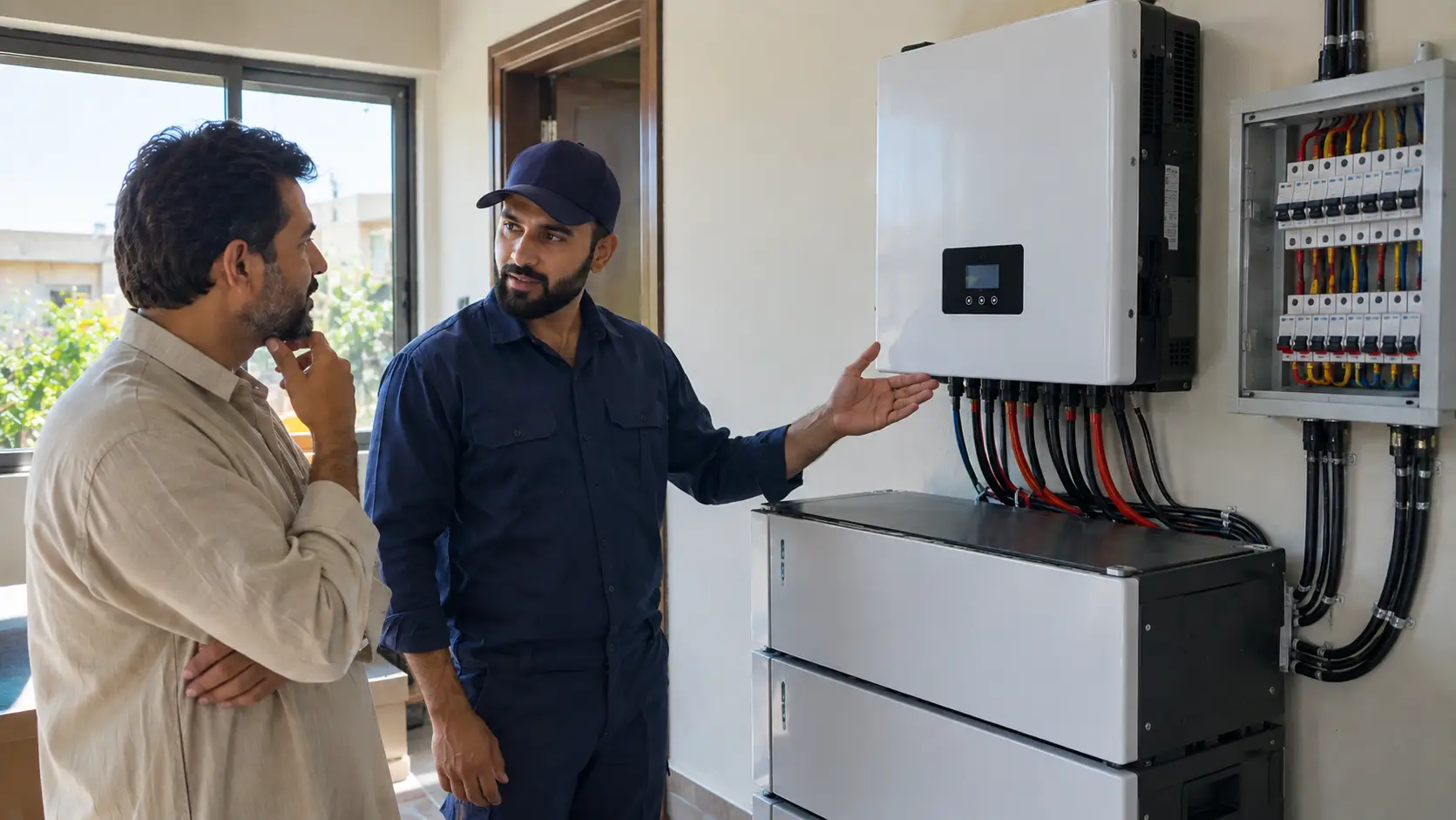
Prices shift often because most equipment is imported and tied to the dollar rate. The numbers below are general market ranges to help you plan, not fixed quotes. Always confirm current pricing with a supplier before buying.
| Inverter Size | Approx. Price Range (Inverter Only) | Typical Household Fit |
| 3kW | PKR 90,000 – 160,000 | Small home, few fans, lights, one fridge |
| 5kW | PKR 150,000 – 280,000 | Standard home with AC and multiple appliances |
| 6kW–8kW | PKR 250,000 – 450,000 | Larger home, multiple AC units |
| 10kW and above | PKR 450,000 – 800,000+ | Large house, small commercial, three-phase setups |
Note: these figures cover the inverter unit alone. A full system with panels, battery, mounting structure, wiring, and installation typically costs several times more than the inverter price alone.
What actually drives the total cost:
- Sanctioned load. A higher approved load from your electricity provider means you can install a larger system and apply for net metering more easily.
- Battery type. Lithium batteries cost more upfront than tubular batteries but last two to three times longer and need less maintenance.
- Single-phase or three-phase. Three phase hybrid inverter units cost more than single-phase models of the same power rating.
- MPPT count. More MPPT channels handle complex roof layouts better but add to the price.
- Brand and warranty. Longer warranties and established after-sales networks usually mean a higher price, but they lower your risk of paying for repairs later.
- Installation cost. Labor, wiring, structure, and safety equipment can add 15 to 25 percent to your total project cost.
- Dollar rate and import duties. Since most inverters and batteries are imported, currency swings directly affect the final price you pay.
How to Choose the Right Hybrid Inverter (Buying Checklist)
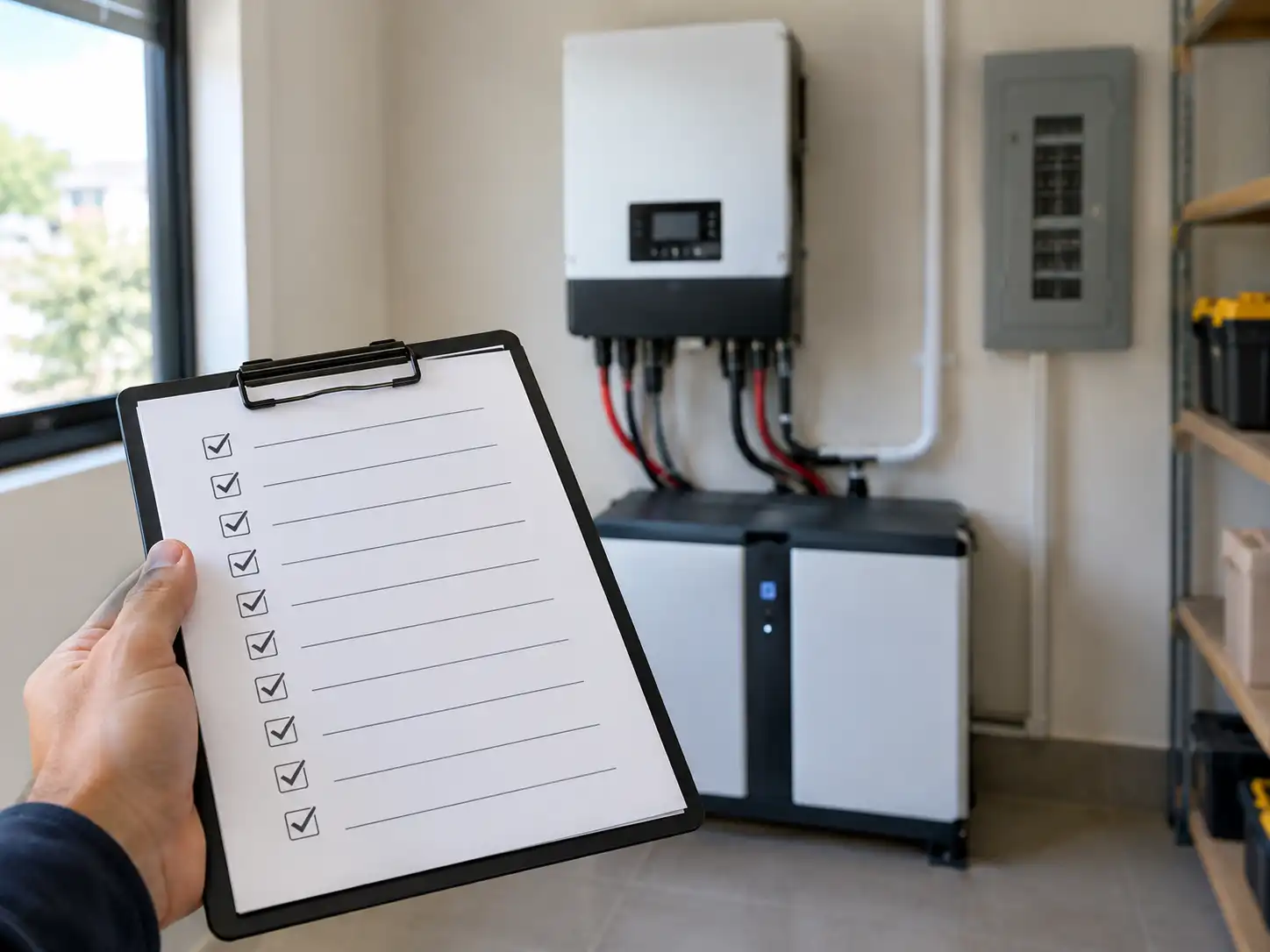
Once you understand what is a hybrid inverter and how it fits your home, the next step is picking the right one. Use this checklist before you buy, so you don’t end up with an undersized or oversized system.
- Calculate your actual load. Add up the wattage of everything you want to run, including appliances you want backed up during an outage.
- Decide your battery type and capacity. Choose lithium or tubular based on budget, then pick a battery size (in kWh) that covers your required backup hours.
- Check the surge rating. If you run motors, pumps, or air conditioners, confirm the inverter’s surge rating can handle the startup spike these devices need.
- Match single-phase or three-phase to your meter. Don’t guess. Check your existing WAPDA or K-Electric connection type first.
- Confirm after-sales service in Pakistan. A cheap inverter with no local service center can cost you more in downtime than a slightly pricier one with real support.
- Confirm NEPRA and net metering compatibility. If you plan to export power to the grid, verify the inverter model is approved for net metering in your area before installation.
Popular Hybrid Inverter Brands Available in Pakistan
Several brands are commonly available in the Pakistani market, each with different price points and features. These include Deye (Sol-Ark), Growatt, Huawei, GoodWe, Inverex, FoxESS, Solis, and Must. Availability, pricing, and after-sales support vary by city and dealer, so it’s worth comparing a few local suppliers before you decide on a specific model.
Final Verdict: Is a Hybrid Inverter Right for You?
A hybrid inverter is the best option if your house or place of business experiences frequent load shedding and growing power costs. By integrating solar power, battery storage, and seamless backup into a single smart device, it eliminates the need for separate UPS systems and generators and lowers your monthly expenses.
Uncertain about the brand or size that best suits your property? Speak with the Progressive Ventures team instead of purchasing generic bundles. To create a customised system that really meets your demands, we will evaluate your load, roof space, and budget. Get in touch with us right now for a free consultation.
FAQs
What is a hybrid inverter in simple words?
A hybrid inverter is one device that turns solar power into usable electricity, charges a battery, and switches to backup power during an outage, all without manual switching.
What is the difference between a hybrid inverter and a UPS?
A UPS only stores grid electricity in a battery for backup use. A hybrid inverter uses solar power as the main source, charges the battery with free solar energy, and only pulls from the grid when solar and battery power run low.
Can a hybrid inverter run my AC or motor during load-shedding?
Yes, as long as the inverter’s power rating and surge rating, along with your battery capacity, are sized correctly for that load. Undersized systems will struggle with high-surge appliances like air conditioners and motors.
Do I need net metering with a hybrid inverter?
No, net metering is optional. You can use a hybrid inverter purely for self-consumption and backup without ever exporting power to the grid. Net metering only makes sense if you regularly generate more solar power than you use.
Is a hybrid solar inverter worth it in Pakistan?
For most households facing load-shedding and high electricity tariffs, yes. The combination of lower bills, backup power, and protection from voltage issues usually pays back the upfront cost within a few years, depending on your usage and system size.
What size hybrid inverter do I need for my home?
It depends on your total connected load and which appliances you want backed up. A small home may need 3kW to 5kW, while a larger home with multiple AC units may need 8kW or higher. Get a proper load calculation before you buy.
Single-phase or three-phase, which is right for me?
Check your existing electricity meter. If it’s single-phase, get a single-phase hybrid inverter. If your home or business already runs on a three-phase connection, or you run heavy machinery, choose a three phase hybrid inverter to match.
Can I add a battery later if I install without one now?
In most cases, yes. Many hybrid inverters support adding a battery after installation, which is a common way to spread out the total cost. Confirm battery compatibility with your specific inverter model before you install just the solar and inverter setup.