Solar panel installation is not only about placing panels on a rooftop and connecting them to an inverter. Proper planning, spacing, tilt angle, and positioning play a major role in determining how much electricity a solar system can produce. Even high-quality solar panels may not deliver their expected performance if they are installed incorrectly.
One commonly discussed concept among solar installers is the 20 rule for solar panels. Many homeowners search for “What is the 20 rule for solar panels?” to understand how this guideline affects solar system efficiency.
The term can have different meanings depending on the installation method and location. In general, it relates to maintaining proper design considerations, including panel spacing, tilt angle, and preventing shading issues. These factors help solar panels receive maximum sunlight and operate efficiently throughout the year.
In this guide, we will explain the solar panel 20% rule, why it matters, and how professional installers use proper design techniques to improve solar energy production.
What Is the 20 Rule for Solar Panels?
The 20 rule in solar panel installation is a practical guideline used to improve solar system performance. It is not a universal international solar regulation but is often used by installers when planning panel layouts.
The concept generally focuses on maintaining enough allowance for:
- Proper spacing between solar panels
- Reducing shading problems
- Improving sunlight exposure
- Maintaining airflow around panels
- Allowing easier maintenance access
Solar panels generate electricity when sunlight reaches their photovoltaic cells. If panels are installed too close together or placed at an incorrect angle, shadows can reduce energy production. According to research and renewable energy insights provided by the International Renewable Energy Agency (IRENA), proper solar system design and installation practices play an important role in improving photovoltaic system efficiency and long-term performance.
For example, on a flat rooftop, solar panels installed in multiple rows need enough distance between each row. During early morning, late afternoon, or winter months, the sun sits lower in the sky, creating longer shadows. Without proper spacing, one row of panels can block sunlight from another row.
Therefore, following recommended design practices helps homeowners get better performance from their solar investment and ensures the system operates closer to its expected energy output.
What Does the 20% Rule Mean for Solar Panels?
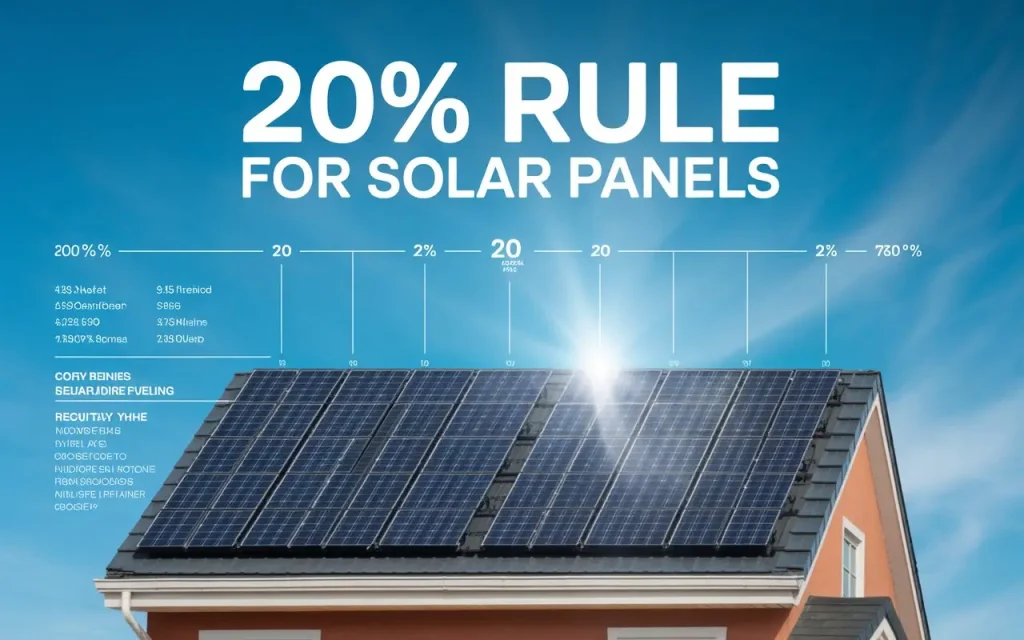
The question “What does the 20% rule mean for solar panels?” is commonly searched by people researching solar installation. The answer depends on the context in which the term is used.
In many cases, the 20% rule refers to keeping additional design space or efficiency considerations during solar planning. Installers may consider extra space requirements to avoid problems such as:
- Partial shading
- Reduced electricity generation
- Poor ventilation
- Difficult maintenance
A solar system works best when every panel receives direct sunlight for the longest possible period. Even a small amount of shading can affect the performance of connected solar modules, especially in traditional string inverter systems.
Professional solar designers consider several factors before installation, including:
- Roof dimensions
- Solar panel size
- Roof direction
- Local weather conditions
- Sun path throughout the year
- Required energy production
The goal is not simply to install the maximum number of panels but to create an efficient system that produces reliable electricity.
Solar Panel 20% Rule Explained: Why Is It Important?
The solar panel 20% rule explained concept highlights the importance of correct solar system design. Solar panels are a long-term investment, and installation mistakes can reduce their efficiency for many years.
Following proper installation guidelines provides several benefits:
1. Reduces Solar Panel Shading
Shading is one of the biggest reasons for reduced solar output. When one panel blocks sunlight from another, the overall system performance can decrease.
Proper spacing helps each panel receive adequate sunlight throughout the day.
2. Improves Energy Production
A correctly designed solar system can generate more electricity compared with a poorly installed system of the same size.
For example, two solar systems with identical panel quantities may produce different results if one system has better positioning and fewer shading issues.
3. Improves Panel Lifespan
Good airflow around solar panels helps control operating temperatures. Excessive heat can affect solar module performance over time.
Proper spacing allows air circulation, which supports better thermal management.
4. Makes Maintenance Easier
Solar panels require occasional cleaning and inspection. Adequate spacing makes it easier for technicians to safely access panels when needed.
How Does the 20 Rule Apply in Solar Panel Installation?
The 20 rule in solar panel installation is especially important when designing rooftop and ground-mounted solar systems.
Solar Panel Spacing Considerations
The distance between solar panels depends on several factors:
Roof Type
A flat roof usually requires more spacing compared with a sloped roof because panels are installed at an angle that can create shadows.
Location
The sun angle changes depending on geographic location. Areas closer to the equator may require different spacing compared with locations farther north or south.
Solar Panel Tilt Angle
A higher tilt angle can increase the distance required between rows because taller panels create longer shadows.
Panel Size and Wattage
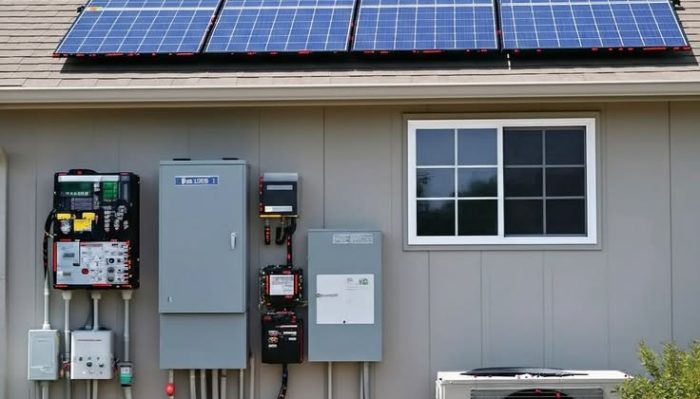
Modern solar panels are larger and more powerful than older models, making proper planning essential during installation. When learning how to install a solar power system, installers must consider panel dimensions, available roof space, mounting structure requirements, and layout design to ensure maximum energy production and system efficiency.
Why Is the 20 Degree Rule Important for Solar Panels?
Many people ask, “Why is the 20-degree rule important for solar panels?” because the panel angle directly affects electricity production.
The tilt angle determines how much sunlight reaches the solar cells. If panels are installed at an unsuitable angle, they may not capture sunlight efficiently.
The ideal solar panel angle depends on:
- Geographic location
- Seasonal sunlight changes
- Roof structure
- Energy requirements
In Pakistan, solar panel tilt angles vary between regions because cities receive different sunlight conditions throughout the year.
For example:
- Islamabad may require a different tilt angle compared with Karachi.
- Northern areas may need adjustments because of seasonal sun movement.
- Flat roof installations often use mounting structures to achieve the correct angle.
A properly adjusted solar panel angle helps improve daily energy generation and overall system efficiency
20 Solar Panels: How Installation Design Affects Energy Output
The number of solar panels installed in a system does not always determine how much electricity it will produce. Many homeowners believe that installing more panels automatically means higher energy generation, but the actual performance depends on several factors, including panel placement, sunlight availability, spacing, and system design.
For example, installing 20 solar panels on a rooftop can provide excellent energy production if the panels are positioned correctly. However, if some panels receive shade, have an incorrect tilt angle, or are installed too close together, the system may produce less electricity than expected.
Before installing 20 solar panels, professionals evaluate:
- Available roof space
- Daily electricity consumption
- Panel wattage
- Roof direction
- Shading conditions
- Solar panel angle
- Inverter capacity
For residential users in Pakistan, the number of solar panels required depends on electricity usage. A home with higher energy consumption may require more panels, while energy-efficient homes may need fewer modules.
Common Solar Panel Installation Mistakes to Avoid
Even high-quality solar panels can perform poorly if installation mistakes are made. Proper planning and professional installation help prevent common problems that reduce system efficiency.
1. Installing Panels Without Considering Shade
One of the biggest mistakes is ignoring nearby objects that create shadows, such as:
- Trees
- Buildings
- Water tanks
- Walls
- Satellite dishes
Even partial shading can reduce solar output. A proper site survey helps identify possible shading issues before installation.
2. Incorrect Solar Panel Tilt Angle
Installing solar panels at the wrong angle can reduce sunlight exposure. The ideal tilt depends on the location and seasonal sun movement.
Professional installers calculate the correct angle to maximize energy production.
3. Poor Panel Spacing
Installing panels too close together may cause one row to block sunlight from another. This problem is common in flat rooftop installations.
Following proper spacing guidelines helps reduce shading losses and improves system performance.
4. Choosing the Wrong Inverter Size
The inverter plays an important role in converting solar energy into usable electricity. An incorrectly sized inverter can limit system performance.
The inverter capacity should match the solar panel capacity and electricity requirements.
5. Ignoring Roof Strength and Safety
Solar panels and mounting structures add additional weight to rooftops. Before installation, professionals should check whether the roof can safely support the system.
How Professional Solar Installers Follow Solar Design Rules
A professional solar installation company does more than simply mount panels on a roof. Experts follow proper engineering practices to design a system that provides maximum performance and long-term reliability.
The installation process usually includes:
Site Assessment
Professionals evaluate:
- Roof condition
- Available installation area
- Sun exposure
- Possible shading problems
Solar System Design
Solar engineers calculate:
- Required number of panels
- Panel arrangement
- Tilt angle
- Inverter selection
- Battery requirements (for hybrid systems)
Quality Installation
Experienced installers ensure:
- Secure mounting
- Correct electrical connections
- Proper panel alignment
- Safety compliance
Choosing an experienced solar provider helps homeowners avoid costly mistakes and improves the return on their solar investment.
Benefits of Following Proper Solar Panel Installation Guidelines
Following solar installation best practices, including proper spacing and positioning, provides several advantages:
Higher Energy Production
Correctly installed panels receive more sunlight, resulting in improved electricity generation.
Better System Efficiency
Proper design reduces energy losses caused by shading, overheating, and poor positioning.
Longer Equipment Life
Good installation practices protect panels, inverters, and mounting structures from unnecessary stress.
Lower Maintenance Costs
A well-designed system is easier to inspect, clean, and maintain.
Improved Return on Investment
A more efficient solar system generates greater savings over its operational life.
Solar panels can last 25 years or more, so proper installation decisions are important for long-term performance.
Conclusion: Understanding the 20 Rule for Solar Panels
The 20 rule for solar panels highlights the importance of proper planning, spacing, positioning, and installation practices. While it is not a universal solar regulation, understanding these principles helps homeowners and businesses achieve better solar system performance.
The success of a solar installation depends on more than just buying quality panels. Factors such as tilt angle, shading, panel arrangement, inverter selection, and professional installation all influence electricity production.
Whether you are installing a small residential system or a larger solar project with multiple panels, proper design ensures maximum efficiency, reliability, and long-term savings.
Planning to install solar panels in Pakistan? Get professional solar installation solutions designed to maximize energy production, improve system efficiency, and ensure reliable long-term performance. Contact us today for a customized solar solution.
Frequently Asked Questions (FAQs)
1. What does the 20% rule mean for solar panels?
The 20% rule generally refers to practical solar installation considerations related to spacing, design allowance, shading prevention, or efficiency optimization. It is not a universal solar regulation but a guideline used during system planning.
2. Is the 20 rule in solar panel installation mandatory?
No, the 20 rule is not a mandatory international standard. Solar installers use different design calculations based on location, roof type, panel specifications, and system requirements.
3. Why is the 20 degree rule important for solar panels?
The 20 degree rule is important because solar panel angle affects sunlight absorption. Correct tilt positioning helps panels capture more solar energy and improve electricity production.
4. How much space should be left between solar panels?
The required spacing depends on several factors, including panel size, installation angle, roof design, and location. Professional installers calculate spacing to reduce shading and maximize performance.
5. Can installing more solar panels increase electricity production?
Yes, adding more panels can increase electricity production if the system is properly designed. However, panel quantity alone does not guarantee higher output because installation angle, shading, and inverter capacity also affect performance.
6. How many solar panels are needed for a home?
The number of solar panels required depends on:
- Monthly electricity consumption
- Available sunlight
- Panel wattage
- Desired solar system size
A professional solar assessment can determine the correct number of panels needed.
7. Do solar panels work efficiently without direct sunlight?
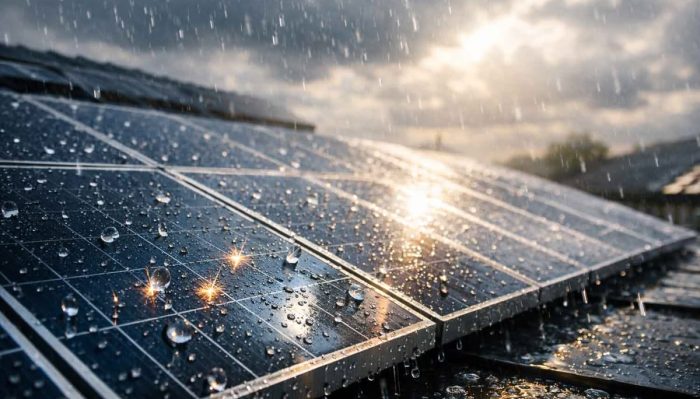
Solar panels can still generate electricity on cloudy days, but their output is lower compared with bright sunlight conditions. Maximum performance occurs when panels receive strong sunlight exposure.