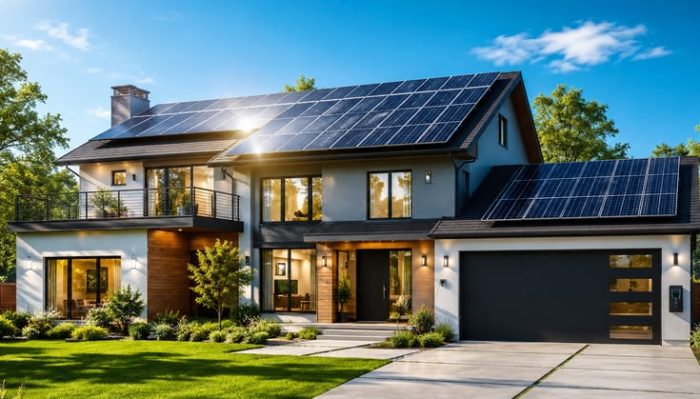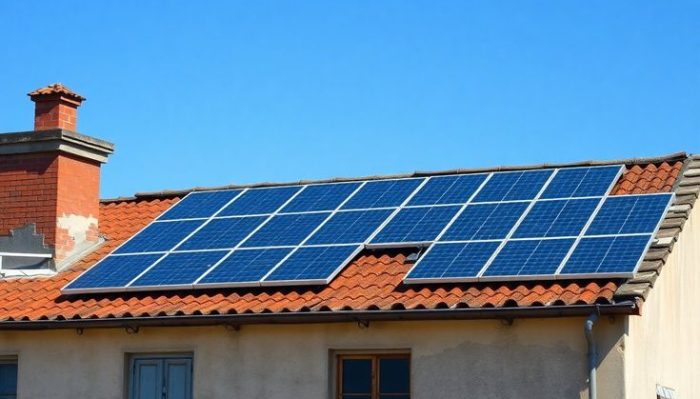
Thinking about switching to solar energy but wondering when is the best time to install solar panels? You’re not alone. Many homeowners ask the same question every year, especially as electricity bills keep rising and more people want to take control of their energy costs. The good news? There isn’t one perfect day for everyone, but there are clear windows that make the process smoother, cheaper, and more rewarding.
In this guide, we’ll walk through the key factors that affect timing — from weather and installer schedules to incentives and your own energy needs. You’ll learn about the best month to install solar panels in different climates, the ideal time for solar installation, and smart tips on when to set up solar system so you start saving sooner. Whether you live in a hot area like Rawalpindi or a cooler region, this straightforward advice will help you decide without the confusion.
Why Timing Matters When Installing Solar Panels
Solar panel installation isn’t just about picking a sunny day. The best time to install solar panels depends on a mix of practical things: how easy it is for workers to get on your roof, how quickly your system can start producing power, and whether you can lock in good pricing or remaining incentives.
Most installations take 6 to 14 weeks from the day you sign the contract until your system is fully working. That includes site visits, design, permits, and actual mounting. If you wait too long, you might miss peak summer savings or face long waitlists when everyone else wants their system ready for high electricity use.
Starting the process at the right moment helps you avoid delays and get your panels generating clean power exactly when you need it most — during the hottest months when air conditioners run hard and bills climb.
Weather and Season: The Biggest Factor for Safe Installation
Weather plays a huge role in determining when the best time is to install solar panels. Crews prefer mild temperatures because extreme heat, heavy rain, snow, or strong winds can slow down work or create safety issues on the roof.
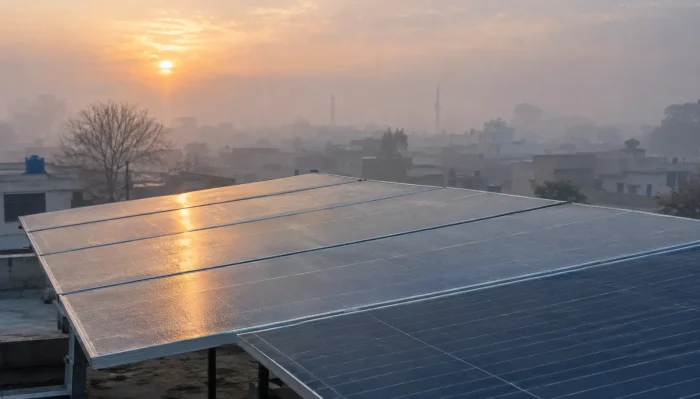
Spring (March to May in the Northern Hemisphere) often stands out as one of the top choices. Days are getting longer, temperatures are comfortable, and rain is usually lighter than in monsoon seasons. Installers can work efficiently, and your system can be up and running just as summer heat arrives and your electricity use jumps.
Fall (September to November) is another strong contender. Cooler air makes roof work more pleasant, and many installers have more open schedules after the busy summer rush. Your system will be ready to capture the remaining good sunlight before winter.
Winter can actually be smart in many places. Demand for installations drops, so you may get faster scheduling and sometimes better pricing. The tradeoff is shorter days and possible bad weather, but if your roof is clear, crews can move quickly. Installing in winter or early spring gets your system ready to shine during the long, hot days ahead.
Summer brings the highest solar production, but it’s often the busiest (and hottest) time for installers. You might face longer waits, and working in extreme heat isn’t ideal for safety or speed.
In tropical or monsoon-heavy areas like parts of Pakistan and South Asia, the ideal time for solar installation is often right at the start of the dry season — after rains end but before extreme summer heat peaks. This timing avoids wet roofs and gives you full production during high-demand months.
How Installer Schedules and Demand Affect Your Timeline
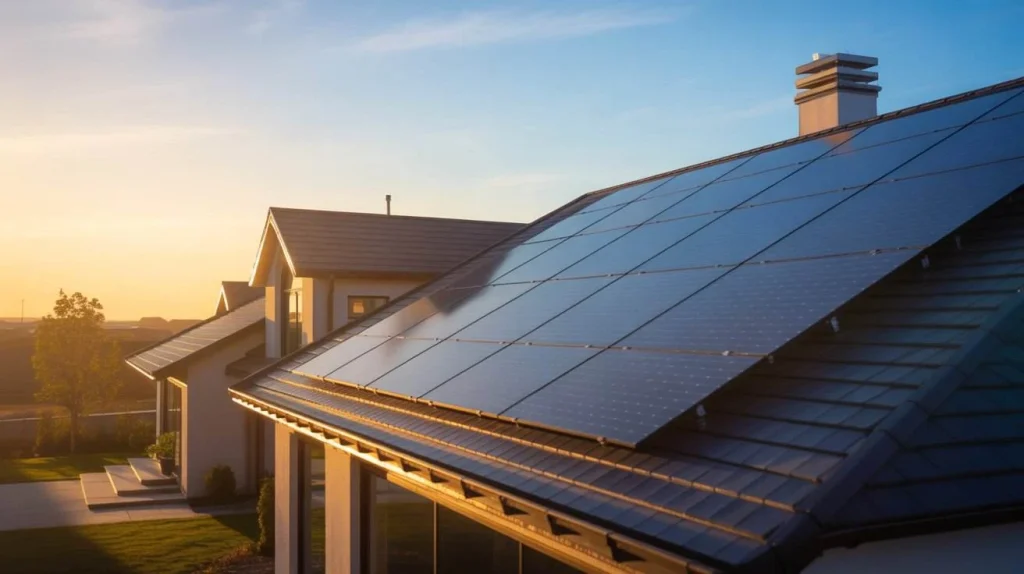
Spring (March to May in the Northern Hemisphere) often stands out as one of the top choices for solar installation. Days are getting longer, temperatures are comfortable for roof work, and rain is usually lighter than in monsoon seasons. Installers can work efficiently without extreme heat or heavy downpours slowing them down. Most importantly, your system can be fully up and running just as summer heat arrives and your electricity use jumps — especially from air conditioners and cooling appliances. According to industry experts, this timing helps homeowners maximize production during peak demand months while avoiding the summer rush.
For more details, check out this helpful Spring 2026 Solar Installation Guide from OhmSnap. Spring 2026 offers one of the best combinations of weather, scheduling, and energy savings in Pakistan.
Incentives, Pricing, and Why 2026 Still Makes Sense
Financial timing is just as important as weather. In past years, the federal solar tax credit helped many families cut costs significantly. While major residential incentives changed after 2025, some state-level programs, net metering rules, and third-party options (like leases) still provide value in 2026.
Prices for panels and equipment have dropped a lot over the years, making solar more accessible even without the biggest credits. Many experts say 2026 remains a solid year because electricity rates continue to rise in many places, and locking in your own power now protects you from future increases.
For a clear breakdown of what incentives are still active in 2026 and how they affect your payback period, check out this detailed Solar Incentives and Rebates Guide for 2026 from SolarReviews.
The best time to install solar panels financially often lines up with when you can secure good quotes and take advantage of any available local incentives. Talking to a few installers early helps you compare offers before any end-of-year rushes or policy changes. It’s also important to choose a professional company for solar installation services to ensure high-quality equipment, proper system sizing, and long-term reliability.
How Long Does It Really Take from Decision to Power Production?
Most homeowners need 3–5 months total for a smooth residential project. Here’s a simple breakdown:
- Initial consultation and site visit (1–2 weeks)
- System design and proposals (1–3 weeks)
- Permitting and approvals (2–8 weeks, depending on your local rules)
- Actual installation (1–3 days for most roofs)
- Inspection and grid connection (1–4 weeks)
Starting in spring or fall often speeds things up because weather delays are less likely and permitting offices may be less backed up.
If you want your system to produce power by peak summer, the smartest move is to begin the process in winter or very early spring. It’s also important to always hire a certified solar installation company to ensure proper system design, safe installation, and long-term performance.
Tips to Choose the Ideal Time for Your Home
Here are practical steps to find your personal ideal time for solar installation:
- Check your local weather patterns — avoid heavy rain or snow seasons if possible
- Look at your past electricity bills to see when usage (and costs) spike
- Get quotes from 2–3 local installers now to understand their current schedules
- Check solar installation costs in your area — in Pakistan, average prices range from PKR 100,000 to 160,000 per kW, depending on system size and quality
- Consider your roof condition — if you need repairs, combine them with solar installation for better value
- Think about your daily routine — do you want maximum savings starting this summer or are you okay waiting a few extra months?
Small actions like trimming nearby trees for better sunlight can also improve long-term performance, no matter when you install.
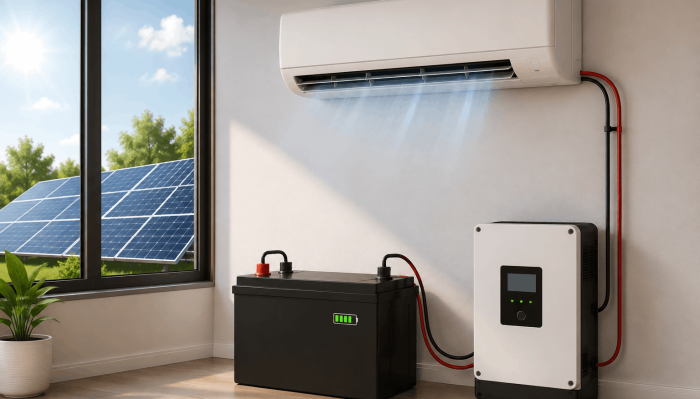
For those exploring related topics, consider reading guides on how many watts does an air conditioner use to understand how solar can offset high cooling loads during peak months.
Common Myths About Solar Installation Timing
Myth 1
You must install it in the summer for the best results. Reality: Installing earlier prepares your system for summer, and panels actually perform well in cooler, sunny conditions too.
Myth 2
Winter is too cold for solar. Reality: Cold, clear days can be excellent for production, and winter installs often mean faster service.
Myth 3
Waiting will make solar much cheaper next year. Reality: While prices have trended down over time, waiting means missing out on immediate bill savings that can add up quickly.
Real Value: How Solar Pays Off Over Time
A well-timed solar system can cut your electricity bills by a big percentage, sometimes 50–90%, depending on system size and your usage. Over 25 years or more, that’s thousands of dollars saved — plus you reduce your reliance on the grid and help the environment.
In hot climates where air conditioners run for months, having solar ready before peak season makes an especially noticeable difference on your monthly bills.
Final Thoughts
Knowing the best time to install solar panels ensures maximum energy production and long-term savings. Proper timing improves installation efficiency and minimizes delays. Seasonal sunlight, local weather, and energy demand all affect performance. Choosing the right period also enhances ROI and system longevity. Progressive Ventures provides expert guidance to help you schedule your solar installation perfectly.
For professional solar installation, wind energy, and hydropower energy solutions in Pakistan, contact us at Progressive Ventures. Our expert team ensures your system is designed for maximum efficiency and reliability. We handle installation at the optimal time for peak energy production. Safety and long-term performance are always our top priorities. Partnering with us guarantees a cost-effective, hassle-free renewable energy solution.
FAQs
When is the ideal month to install solar panels in Pakistan?
The best months are March–May and September–November, when the weather is mild and sunlight is abundant. Installing during these months reduces delays and ensures better energy output.
Can I install solar panels in the summer?
Yes, but high temperatures may affect worker safety and slow down installation. Pre-summer installation is recommended to maximize energy generation during peak electricity demand.
What factors determine the best time for solar installation?
Weather, installer availability, seasonal energy demand, and rooftop readiness all impact the ideal installation time. Proper planning ensures efficiency and ROI.
How long does solar panel installation take?
Residential installations typically take 1–3 days, while commercial systems may require up to a week. Preparation and favorable weather speed up the process.
Do seasonal conditions affect solar panel performance?
Yes, dust, rain, and extreme temperatures can reduce efficiency temporarily. Panels installed during optimal months perform better and require less cleaning.
Is it better to coordinate solar installation with other renewable systems?
Yes, integrating with wind energy or hydropower energy systems improves reliability. Coordinating installations ensures seamless hybrid energy operation.