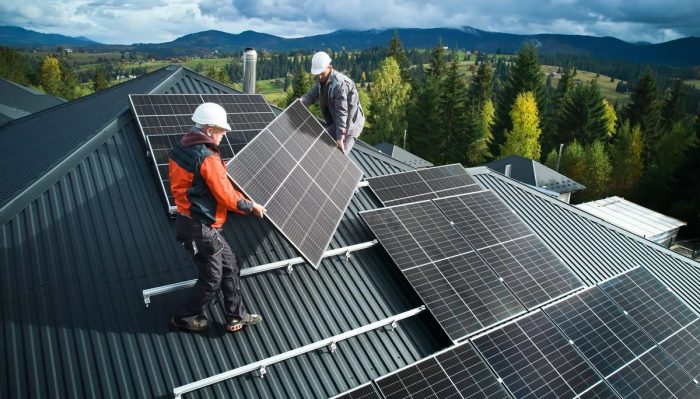
Understanding how much energy can a solar panel generate is one of the most common questions homeowners and businesses ask before switching to renewable energy. Solar panels convert sunlight into electricity, but the actual output varies depending on several real-world factors rather than just the panel’s rated wattage. Knowing these details helps set realistic expectations and avoid oversizing or undersizing a system.
At Progressive Ventures, we guide customers through every step, from energy assessment to system installation. Along with solar installation, we also provide wind energy and hydropower energy solutions, allowing users to diversify power generation. A clear understanding of solar output ensures better planning, smarter investment decisions, and long-term energy reliability.
What Does Solar Panel Energy Output Mean?
Solar panel energy output refers to the amount of electricity a panel can produce over a certain time period, usually measured in kilowatt-hours. While manufacturers list a maximum wattage rating, this figure reflects ideal laboratory conditions. In real environments, output fluctuates due to sunlight availability, temperature, and installation quality.
The concept of solar panel energy output helps users understand how much usable electricity they can expect daily or monthly. This practical measurement is far more valuable than peak wattage when planning household or commercial energy needs.
How Much Electricity Does a Solar Panel Produce?

When people ask how much electricity does a solar panel produce, the answer depends largely on panel wattage and peak sun hours. A modern 400W to 550W panel can generate roughly 1.6 to 2.8 kWh per day under favorable sunlight conditions. This production is spread across daylight hours rather than delivered continuously.
Electricity generation also varies seasonally, with higher output during summer months and lower production in winter. Proper system design ensures these variations are balanced across the year for stable performance.
Solar Panel Output Per Day, Month, and Year
Solar panels produce electricity daily, but the amount changes over time. Daily output gives short-term insight, while monthly and yearly figures offer a clearer picture of long-term performance. This layered view helps homeowners evaluate savings more accurately.
Estimated Output Over Time
| Time Period | Average Output (Single 400W Panel) |
| Per Day | 1.8–2.2 kWh |
| Per Month | 54–66 kWh |
| Per Year | 650–800 kWh |
Understanding solar panel output per day helps estimate monthly electricity bills and determine the right system size.
Solar Panel Power Generation Explained Simply
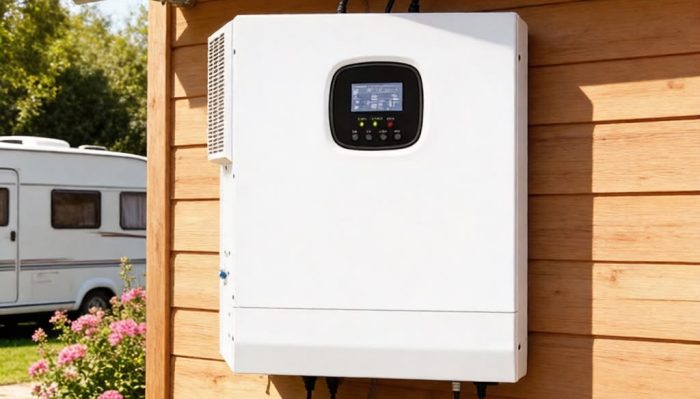
Solar panel power generation occurs when photovoltaic cells absorb sunlight and convert it into direct current electricity. An inverter then converts this into alternating current, which powers appliances and devices. This process works efficiently whenever sufficient sunlight is available.
Power generation is influenced more by light intensity than heat, which means panels can still work effectively in cooler climates. Quality components and professional installation play a critical role in maintaining consistent performance.
Solar Panel Output by System Size
The total energy generated increases with system size, but choosing the correct capacity is more important than simply installing more panels. A properly sized system matches energy consumption patterns and available roof space.
Average Output by System Capacity
| System Size | Daily Output | Monthly Output |
| 3kW | 12–15 kWh | 360–450 kWh |
| 5kW | 20–25 kWh | 600–750 kWh |
| 10kW | 40–50 kWh | 1,200–1,500 kWh |
System sizing decisions should always consider lifestyle, appliance usage, and future expansion needs.
Factors That Influence Solar Panel Output
Several external and technical factors directly affect how much electricity a solar panel can generate. Ignoring these variables can lead to unrealistic expectations and reduced system efficiency.
Key influencing factors include:
- Geographic location and sunlight hours
- Panel efficiency and technology
- Roof orientation and tilt
- Shading from trees or nearby buildings
Evaluating these elements helps determine how much energy can a solar panel generate in real-world conditions.
What Are the Highest Output Solar Panels?
High-output solar panels typically range from 500W to 600W and use advanced cell technologies. These panels are ideal for rooftops with limited space, as they deliver more power per square meter. However, higher output often comes with higher upfront costs. Choosing the highest wattage panel is not always the best option. Efficiency, durability, and long-term reliability matter just as much as raw power ratings.
How to Calculate Your Solar Panel Wattage
Calculating solar output is simple and helps users make informed decisions. Multiply panel wattage by peak sunlight hours to estimate daily production. This method provides realistic expectations instead of relying on peak ratings.
Basic Calculation Example
| Panel Wattage | Sun Hours | Daily Output |
| 400W | 5 | 2.0 kWh |
| 500W | 5 | 2.5 kWh |
| 550W | 5 | 2.75 kWh |
This calculation method is widely used to estimate solar panel power generation accurately.
Can Bigger Solar Panels Save More Money?
Larger panels generate more electricity, but they are not always the most cost-effective solution. Higher wattage panels often cost more and may not fit all roof layouts. Sometimes installing additional mid-range panels delivers better overall value. Savings depend on system efficiency, installation quality, and energy usage patterns rather than panel size alone. Smart system design maximizes return on investment.
Maximizing Electricity Production with Solar Panels
Improving system performance does not always require adding more panels. Simple optimization strategies can significantly boost output and efficiency over time.
Effective optimization includes:
- Regular panel cleaning
- Avoiding shading issues
- Using high-quality inverters
- Scheduling routine inspections
At Progressive Ventures, we design systems that combine solar installation with wind energy and hydal energy where suitable. This integrated approach ensures consistent energy generation throughout the year.
Are Solar Panels Worth It for Your Household?
Solar panels are a worthwhile investment for households with sufficient sunlight exposure. They reduce electricity bills, protect against rising energy costs, and provide long-term financial savings. Over time, energy savings often exceed the initial system cost. Understanding how much energy can a solar panel generate helps households choose systems that align with their consumption patterns and future energy goals.
Final Thoughts
Knowing how much energy can a solar panel generate allows you to plan your energy needs with confidence. By considering panel efficiency, sunlight availability, and system size, you can achieve reliable performance and long-term savings. Solar energy is not just an alternative—it is a smart, future-ready solution.
At Progressive Ventures, we offer expert solar installation, along with wind energy and hydropower services, for homes and businesses. Contact us today to receive a customized energy solution designed for efficiency, durability, and long-term reliability.
FAQs
How much energy can one solar panel generate per day?
Most residential panels produce between 1.5 and 2.8 kWh per day, depending on wattage and sunlight hours.
How much electricity does a solar panel produce in a year?
A single panel can generate approximately 650 to 900 kWh annually based on location and efficiency.
What affects solar panel output the most?
Sunlight hours, panel efficiency, roof orientation, and shading have the greatest impact.
Do solar panels work during cloudy weather?
Yes, but electricity production is lower because sunlight intensity is reduced.
What is the average solar panel output per day for a home system?
A typical home system generates between 20 and 30 kWh per day, depending on size.
Is a larger solar panel system always the best choice?
Not necessarily, as the best system depends on energy needs, roof space, and budget rather than size alone.