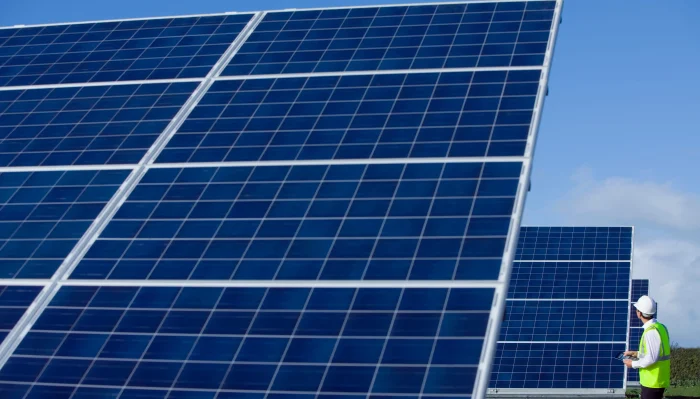
Around the world, renewable energy is transforming how we think about power generation. From solar panels glimmering on rooftops to turbines spinning across wide open fields, the shift toward clean energy has never been more urgent. Among these sources, wind power has emerged as one of the most promising solutions to our growing energy needs.
But a common question still arises — is wind power renewable energy?
The short answer: yes, absolutely. Wind energy is one of the cleanest, most sustainable, and infinitely replenishable power sources on Earth. In this article, we’ll explore why wind is considered renewable, how it works, and what makes it essential for a sustainable future.
At Progressive Venture, we believe in driving awareness and innovation that help communities embrace renewable energy with confidence. Let’s explore how wind power is reshaping the world of sustainable development.
Understanding Wind Power: The Basics
What Is Wind Power and How Does It Work?
Wind power is the process of converting the movement of air into electricity. As wind passes through turbines, its kinetic energy spins the blades connected to a rotor. That rotor drives a generator that creates clean electrical energy.
This process is simple in principle but powerful in effect. The stronger and more consistent the wind, the more energy the turbines can produce.
Over the last few decades, improvements in turbine design, materials, and efficiency have made wind power one of the most affordable forms of renewable energy available today.
The Science Behind Wind Energy
Wind is created when the sun heats the Earth unevenly, causing air to move between high and low-pressure zones. This natural, ongoing process makes wind an endless source of power — it will never run out as long as the sun shines and the Earth spins.
Modern wind farms, whether on land or offshore, use this principle at scale. Offshore locations, in particular, experience stronger and steadier winds, making them ideal for generating consistent energy.
Is Wind Power Renewable Energy?
Understanding the Renewable Nature of Wind Power
To determine if wind power is renewable, it helps to understand what “renewable” truly means. A renewable energy source is one that naturally replenishes faster than it is consumed. Unlike fossil fuels which take millions of years to form and are depleted when burned — renewable resources like wind, sunlight, and water cycles continually renew themselves.
Wind power clearly fits this definition. It relies on atmospheric conditions driven by solar radiation and the planet’s rotation — forces that are constant and self-sustaining. This makes wind power a renewable, sustainable, and environmentally friendly energy source.
Why Is Wind Power Considered a Renewable Energy Source?
There are three main reasons:
- Infinite Supply: Wind is a naturally occurring phenomenon. It will never run out or diminish with use.
- Clean Production: Wind energy generates electricity without releasing greenhouse gases or pollutants.
- Sustainable Technology: Advances in turbine efficiency make energy generation more reliable and cost-effective every year.
In short, wind power is renewable because it uses a natural, inexhaustible source — the wind — to generate clean electricity.
Comparing Energy Sources: Wind vs. Non renewable Resources
Is Wind Renewable or Non renewable Resource?
Unlike fossil fuels such as coal or oil, which require extraction and combustion, wind energy as renewable energy doesn’t consume natural materials or produce harmful emissions.
Non renewable resources are finite; once depleted, they’re gone for good. Burning them releases carbon dioxide, accelerating climate change and damaging ecosystems.
In contrast, wind energy relies solely on atmospheric motion — a resource that renews continuously. This makes wind one of the cleanest alternatives to traditional power sources.
The Environmental and Economic Impact of Wind Energy
Benefits of Wind Power on the Environment
Wind power stands out for its minimal environmental impact. Here are its key ecological advantages:
- Zero Emissions: Wind turbines generate electricity without emitting carbon dioxide or other greenhouse gases.
- Resource Conservation: It doesn’t require water for cooling, unlike traditional power plants.
- Biodiversity Preservation: Modern turbine design and placement strategies reduce wildlife disruption.
By replacing fossil fuels with wind energy, we’re not only slowing climate change but also promoting cleaner air and water for future generations.
Economic Advantages and Job Creation
Beyond environmental benefits, wind energy is fuel in economies. The global wind industry supports hundreds of thousands of jobs, from manufacturing and maintenance to research and development.
Communities that invest in wind projects often see new opportunities in education, technology, and sustainable business growth.
At Progressive Venture, we champion innovative projects that support local economies while advancing renewable energy adoption. This dual focus on sustainability and economic empowerment ensures that the transition to clean energy benefits everyone.
Challenges and Misconceptions About Wind Energy
Common Challenges Facing Wind Power
Despite its advantages, wind power faces several hurdles:
- Intermittency: Wind isn’t constant everywhere, which can cause fluctuations in power supply.
- Storage and Grid Integration: Efficient storage solutions are needed to balance supply and demand.
- Land and Visual Impact: Some communities express concern over turbine placement or landscape aesthetics.
These issues, however, are being addressed with modern innovations such as battery storage systems, smart grids, and offshore wind farms that reduce land use
Debunking Myths About Wind Energy
Misconceptions about wind energy often stem from outdated information. For example, earlier turbine designs were noisy, but current models are far quieter. Similarly, while some worry about impacts on birds, data from organizations like the why is wind power considered a renewable energy source show that turbine-related bird deaths are far lower compared to other human activities, such as vehicle collisions or building glass impacts.
Wind technology continues to evolve rapidly, improving both efficiency and environmental compatibility.
The Future of Wind Energy and Global Trends
Innovations Driving Wind Power Forward
Emerging technologies are redefining the possibilities for wind energy. Some of the most exciting developments include:
- Floating Wind Farms: Allow turbines to operate in deeper waters with stronger winds.
- Hybrid Renewable Systems: Combining wind with solar or hydro energy to create stable power mixes.
- Artificial Intelligence Integration: AI is helping predict wind patterns and improve turbine maintenance.
These innovations are not only increasing energy output but also reducing costs, making renewable energy accessible to more regions worldwide.
Wind Energy as a Key Player in the Net-Zero Mission
Many nations have pledged to achieve net-zero carbon emissions by 2050, and wind power plays a central role in that mission. With ongoing investments, improved infrastructure, and public awareness, the global wind sector is poised to lead the transition to a cleaner, more sustainable planet.
Conclusion
There’s no longer any doubt that wind power is renewable energy — clean, sustainable, and essential for the planet’s future. As technology advances and global awareness grows, wind energy continues to redefine what’s possible in the pursuit of sustainability.
By supporting renewable initiatives and investing in green technologies, we move closer to a cleaner energy future. The wind is always in motion, offering endless potential for sustainable power. Contact us at Progressive Ventures to adopt efficient wind energy solutions built for long-term impact.
Frequently Asked Questions
Why is wind power considered a renewable energy source?
Because it uses wind a natural, continually replenished force — to generate electricity without depleting resources or emitting harmful gases.
Is wind renewable or non renewable resource?
Wind is renewable since it’s generated by atmospheric and solar processes that never stop, ensuring a constant supply of energy.
How does wind energy benefit the environment?
It reduces greenhouse gas emissions, lowers pollution, and conserves natural ecosystems, making it one of the cleanest energy sources available.
What challenges does wind energy face?
Mainly intermittency, storage issues, and public perception — all of which are being addressed through modern engineering and better policies.
How can businesses support wind power development?
By investing in renewable energy infrastructure, supporting green policies, and collaborating with innovative companies like Progressive Venture to drive sustainable change.